

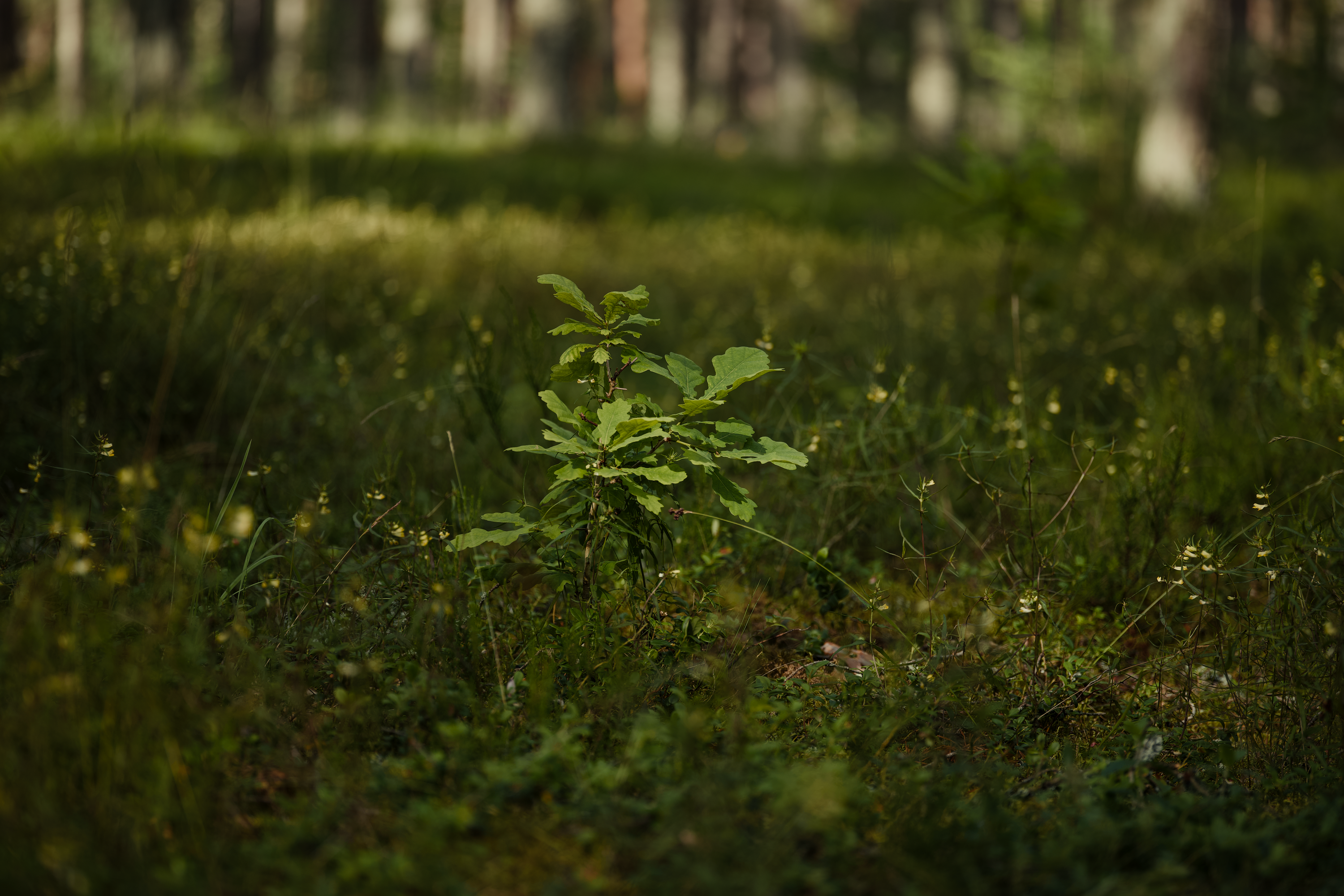
Summer in Sacramento has a way of making shade feel less like a landscaping choice and more like a survival strategy. Anyone who has waited for a fast-growing ornamental to finally cast a decent shadow knows the frustration of choosing the wrong tree for the wrong climate. Native oaks are often overlooked because they ask for patience, yet they are the trees that built this region’s reputation as the City of Trees in the first place.
Before picking up a shovel, it helps to know which species actually belong here, how big they get, and what they need to thrive once the roots are in the ground.
Valley Oak: The Signature Giant of the Sacramento Valley
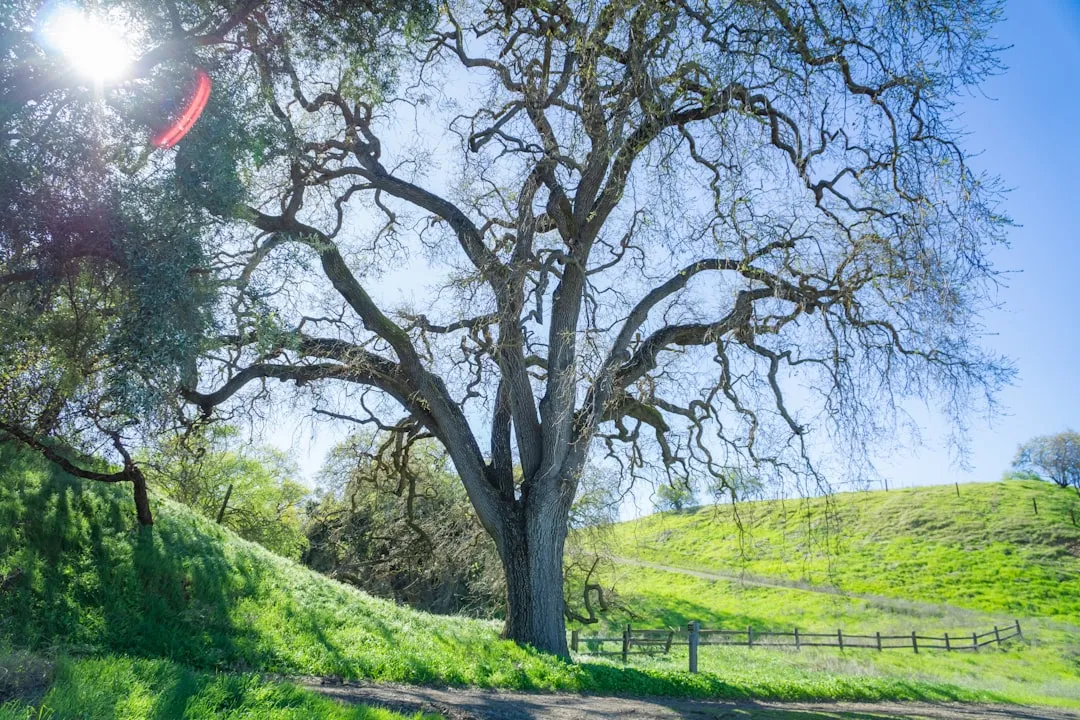
The valley oak, Quercus lobata, is the largest of North America’s oaks and the species most people picture when they imagine old-growth California landscapes. Valley oaks grow quickly, reaching 20 feet in 5 years, and 40 feet in 10 years, and up to 60 feet in 20 years. Given time, they can live remarkably long lives, and mature specimens may attain an age of up to 600 years.
Some of the specimens found along Sacramento’s American River trails are already ancient, and some of the valley oaks along this trail may be 150 to 200 years old. That scale is a real consideration for homeowners, since because of its eventual size, it may not be appropriate for the average residential garden.
Interior Live Oak: Evergreen Shade Built for Heat
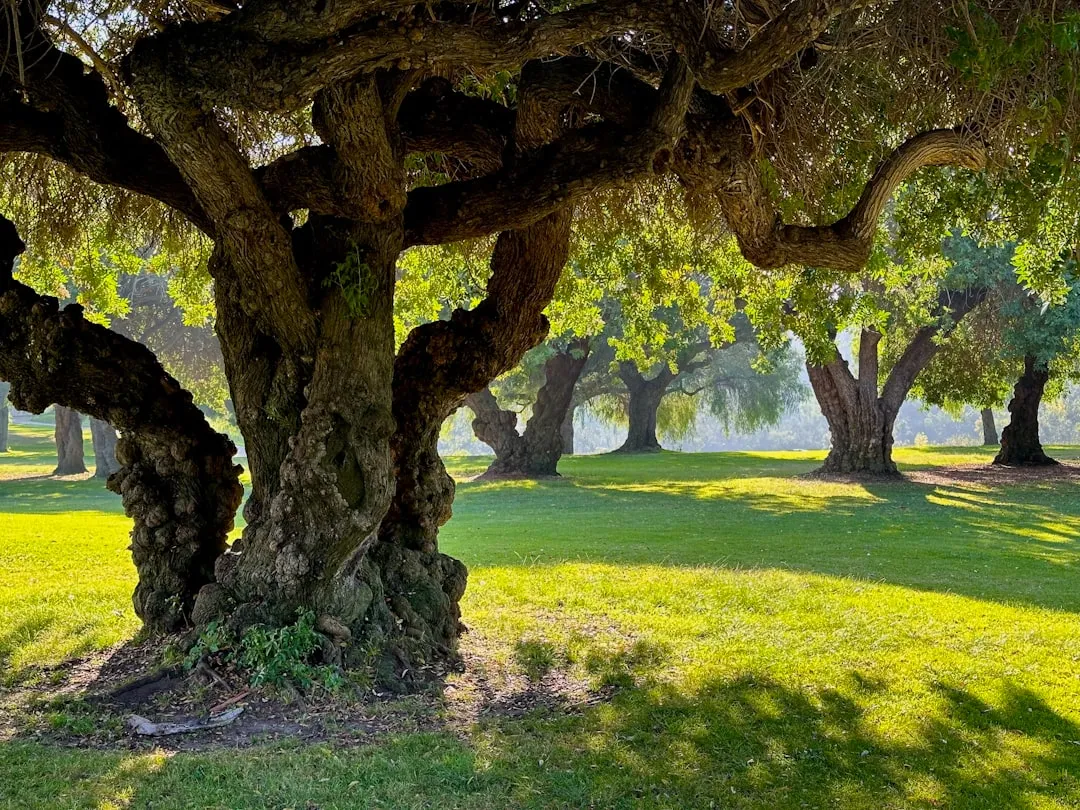
If a valley oak feels like too much tree, the interior live oak is the region’s dependable evergreen alternative. The interior live oak is the most common evergreen oak in the valley. It has an unusual habit of changing leaf texture as it matures, since this tree sports two different leaf forms with young foliage having spiky edges and older foliage having smooth edges.
In terms of size, it grows between 25 and 80 feet tall and forms a round crown of branches at the top. What makes it particularly suited to Sacramento gardens is its heat tolerance, because though similar to its cousin the coast live oak, the interior live oak is better suited to our extremely hot summers.
Blue Oak: The Toughest Tree for Dry, Sunny Spots
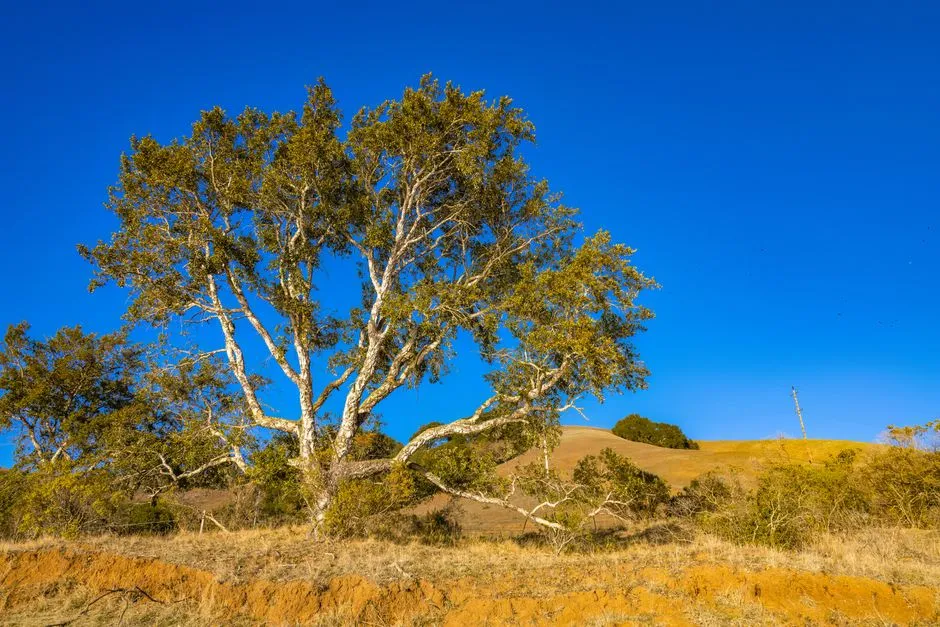
Blue oak is the species that seems to thrive on being left alone, which makes it ideal for gardeners who want shade without a heavy watering commitment. The blue oak grows in the hot, dry foothills and grows to be 20 to 60 feet tall. Unlike the live oaks, it drops its leaves each year, since the blue oak is deciduous, and its leaves are blue-green and they vary in size and shape.
Locally, it has proven remarkably well matched to the region’s rhythm of wet winters and bone-dry summers, and in eastern Sacramento County, blue oaks are well adapted for our Mediterranean weather patterns and thrive with wet winters and hot, dry summers. It also carries a genuine health advantage over some other oaks, because blue oak and valley oak do not appear to be susceptible to Sudden Oak Death, a disease that is decimating oak trees of different species.
California Black Oak: Fall Color for Larger Foothill-Adjacent Lots
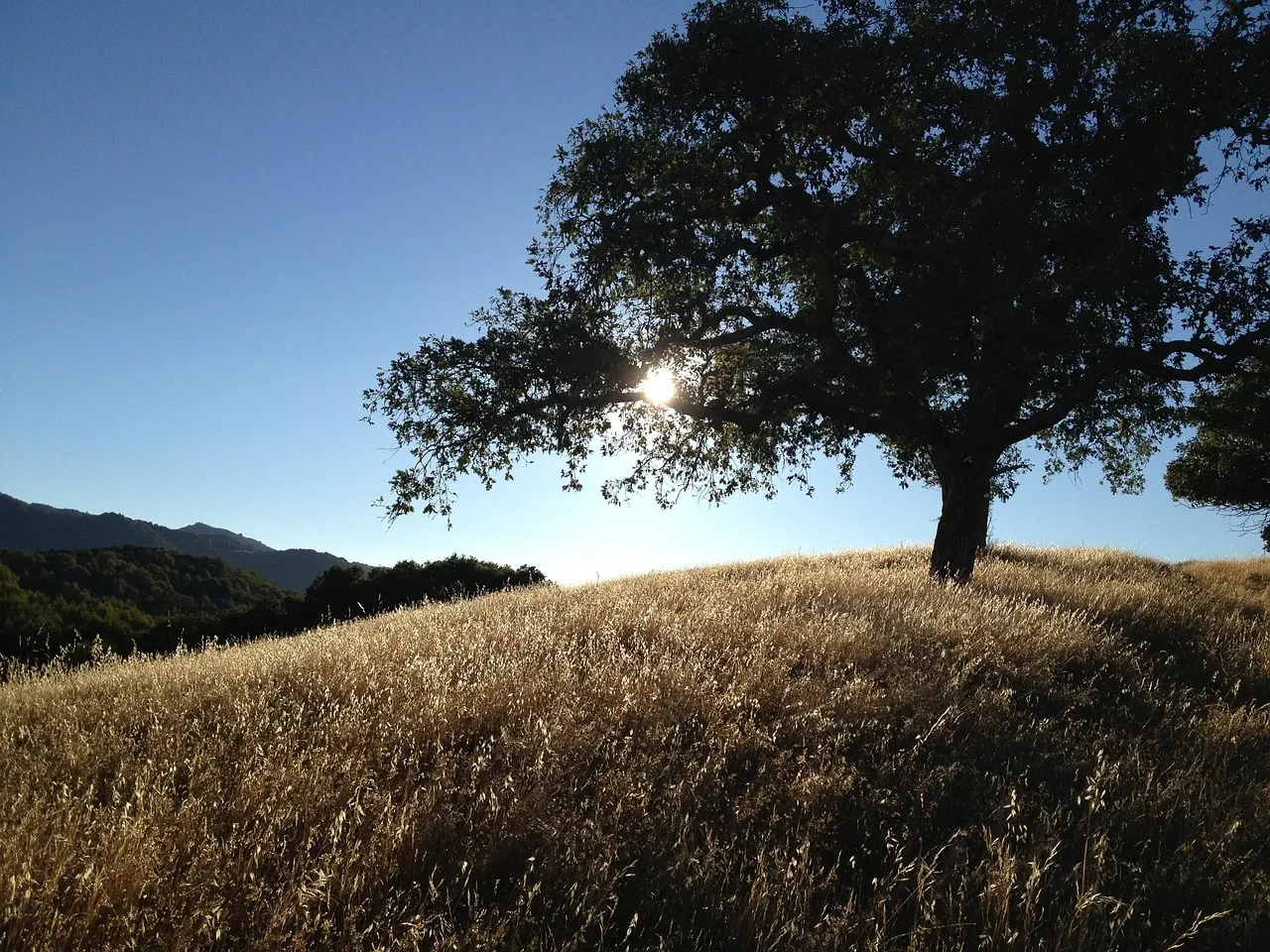
For gardeners on the larger properties that stretch toward Sacramento County’s eastern foothills, California black oak offers something the valley species do not: real autumn color. It has distinctive, deeply lobed leaves that turn brilliant shades of yellow and orange in the fall. It is a substantial, long-lived tree, since Quercus kelloggii grows to 25 m in height and lives to 500 years in age.
Being winter deciduous, it does require some seasonal cleanup, as its winter deciduous leaves produce copious litter. This species is more naturally at home in foothill and mountain woodlands than on the flat valley floor, so it suits properties with more room and a slightly cooler microclimate rather than a compact downtown lot.
Canyon Live Oak: The Slow, Steady Option for Patient Gardeners
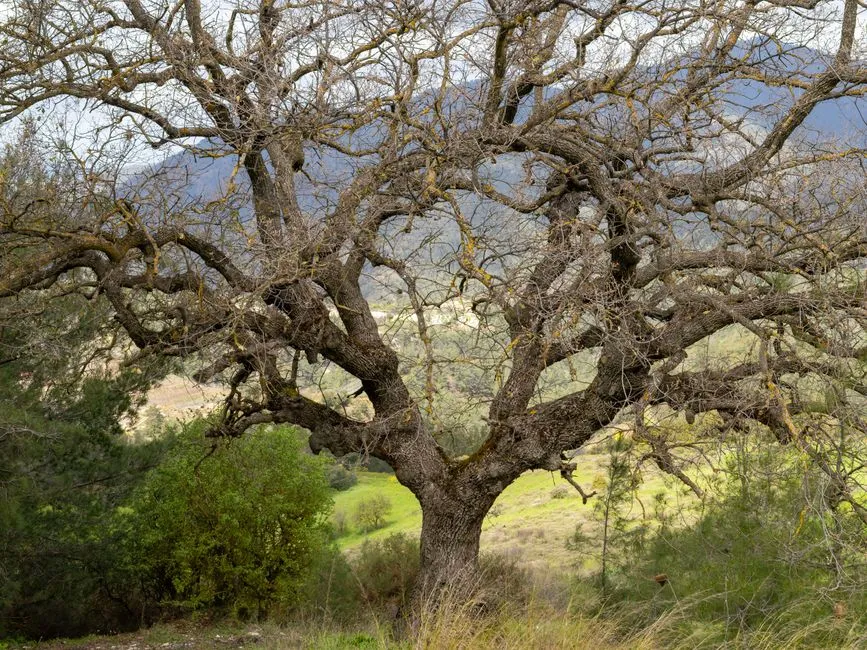
Canyon live oak rarely gets mentioned in casual gardening conversations, yet it is one of California’s most adaptable native trees. It is the most wide-spread oak in the state, found from coastal canyons to Sierra foothill woodlands.
Its growth habit is unhurried but reliable, since growth is slow but constant, and this tree may live for 300 years. Foresters have long recognized its ornamental value, noting plainly that canyon live oak is also a handsome landscape tree. For gardeners willing to wait, it rewards patience with dense, long-lasting evergreen shade rather than a quick but short-lived canopy.
Matching the Right Oak to the Size of Your Yard
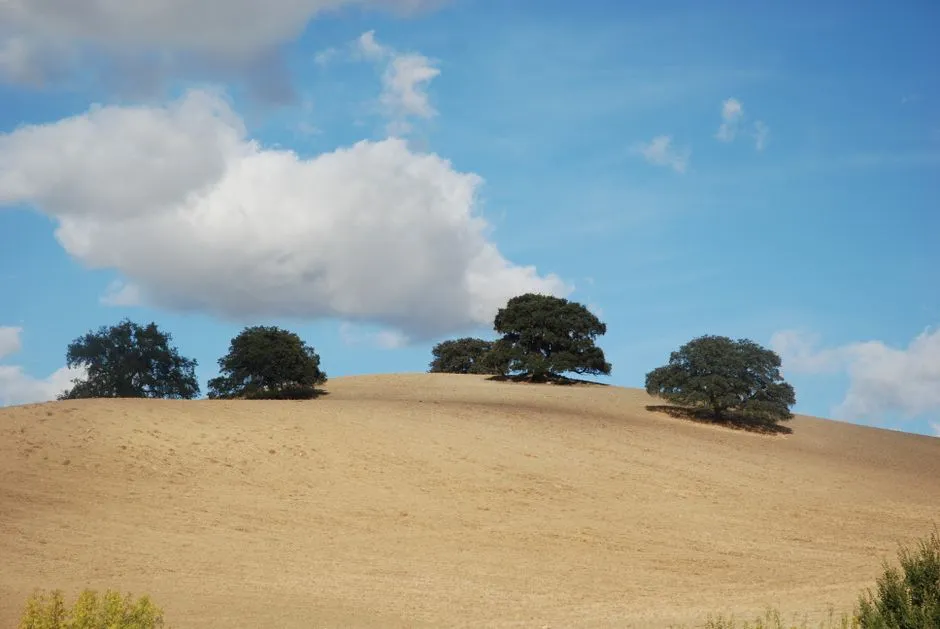
The single biggest mistake homeowners make with native oaks is picking one based on looks alone instead of eventual footprint. A mature valley oak’s trunk and canopy can genuinely overwhelm a standard suburban lot, and its root system needs room to spread undisturbed. Interior live oak and blue oak scale down more gracefully, offering substantial shade without demanding the same acreage a valley oak eventually claims. Canyon live oak, with its slower growth, can even work as a long-term project in a mid-sized yard where a faster oak would quickly outgrow the space.
The One Rule That Makes or Breaks a Native Oak: No Summer Water
Native oaks evolved in a climate with dry summers, and irrigation habits that work for other landscape plants can actually kill them. When native oaks grow naturally, they receive no summer water, because under normal conditions, winters are too cold for fungi to grow and summers are too dry. Sprinklers aimed near the trunk create exactly the wrong conditions, since a sprinkler that wets the soil for only two to three inches deep stimulates the activity of water molds, and in this unfamiliar, warm, moist environment, the fungus proliferates and destroys the tree’s roots.
Established trees need far less water than newer plantings, and when your native oak tree has been in the ground for three or four years, reduce irrigation to once every three or four weeks. A simple layer of mulch helps regulate moisture without overdoing it, since mulching this entire area with two to three inches of an organic material such as one inch fir bark is standard advice from California native plant nurseries.
What Oaks Give Back to Sacramento’s Wildlife
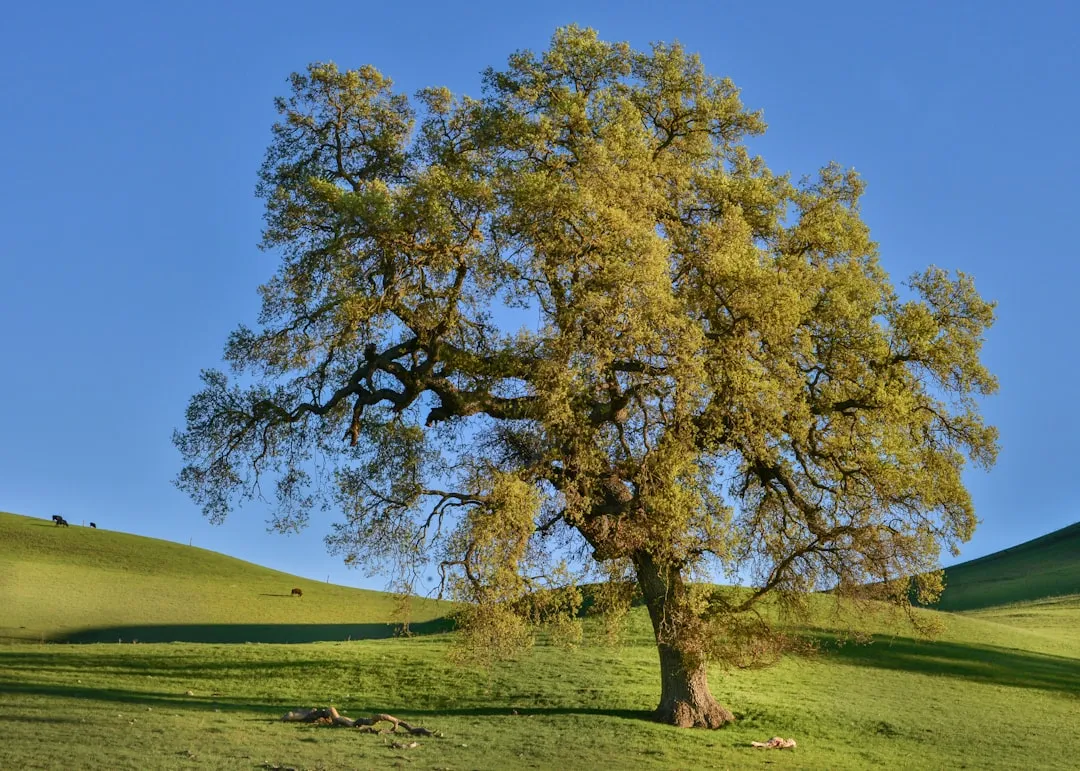
A backyard oak does more than cool a patio; it quietly supports an entire local food web. Oak woodlands are known to support over 300 species of vertebrates and 5,000 species of invertebrates, in part because they provide a variety of vertical and spatial habitats. Birds play an outsized role in spreading the species, since an individual California Scrub-Jay can transport and cache up to 7,000 acorns in a season, many of which may germinate into new trees at significant distances from where they fell.
Even the odd growths sometimes noticed on oak leaves have a wildlife story behind them, because oak gall wasps manipulate the oak’s biochemistry to form galls, curiously shaped or brightly colored swellings seen on oak leaves and twigs. Planting even one native oak connects a garden to that broader ecological network in a way that ornamental, non-native trees simply cannot replicate.
Free Trees and Real Cooling Benefits Through SMUD’s Shade Program
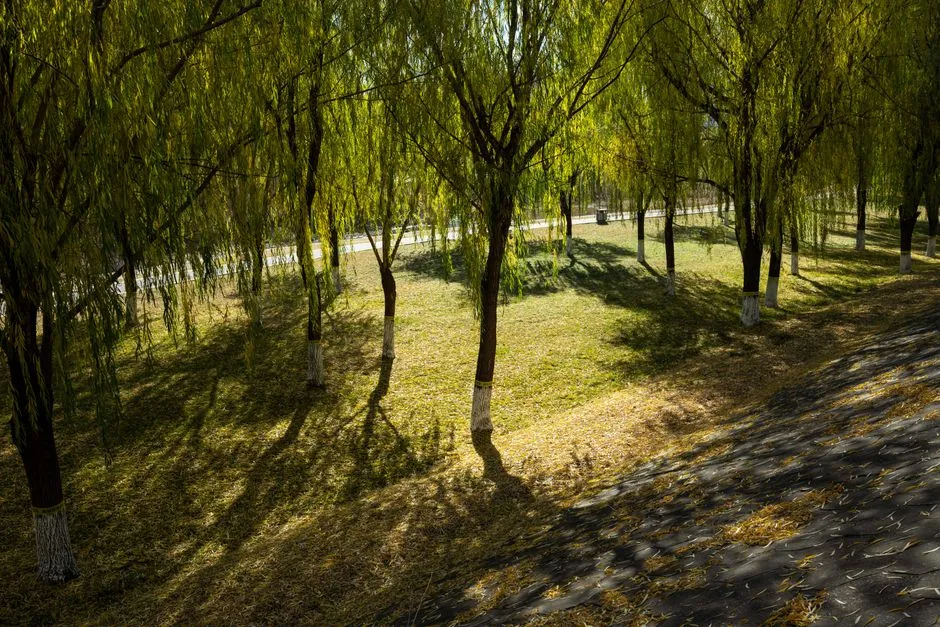
Sacramento residents have access to a resource that few other cities can match when it comes to funding native shade trees. Since 1990, SMUD, in partnership with the Sacramento Tree Foundation, has planted more than 630,000 shade trees in the Sacramento area. The program has grown in scope over the years, and today the Sacramento Shade program offers up to 10 free trees per customer and over 30 varieties to choose from.
Sign-up includes a home visit, since customers can set up an appointment with a Community Forester who will assess the property, review tree options, and determine the best locations to plant. The cooling payoff is well documented, with older Department of Energy research finding that three shade trees strategically planted around a house can reduce home air-conditioning bills by about 30 percent in hot, dry cities such as Sacramento.
Getting a Young Oak Established the Right Way
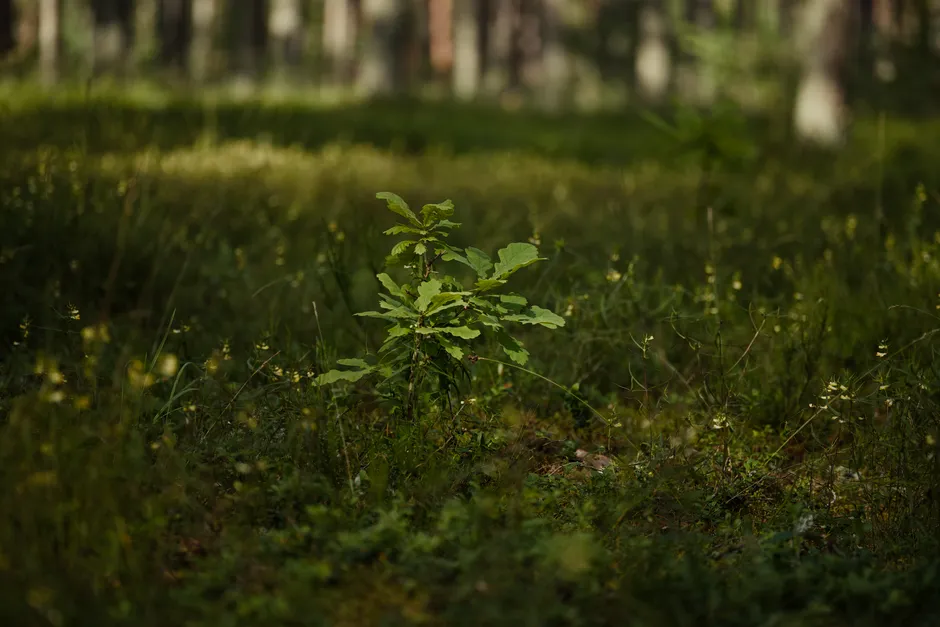
Success with a native oak starts well before the tree ever goes into the ground. Nursery guidance is consistent on this point, since the best way to grow a healthy native oak is from seeds collected from trees in the area and planted directly in the ground. Sun exposure matters just as much as soil, because oaks need full sun for best growth.
In Sacramento’s clay-heavy soils, proper planting depth is essential, and nurseries recommend that the area to be amended should be at least three times the diameter of the container but planted slightly high. Combined with patience during those early establishment years, these small details make the difference between a struggling sapling and a tree that eventually shades an entire yard for generations.
Choosing a native oak is less about instant gratification and more about setting something in motion that will outlast the person who plants it. Valley oaks reward the biggest lots with grandeur, interior live oaks and blue oaks handle the valley’s heat and drought with quiet resilience, and the foothill species offer options for those with room to spare and patience to match.
Whichever species fits a particular yard, the payoff is the same kind Sacramento has depended on for generations: real, structural, deep shade that a fast ornamental simply cannot deliver. Given the free tree programs and decades of local research backing these species, there has rarely been a better moment to put one in the ground.
AI Disclaimer: This article was created with the assistance of AI tools and reviewed by a human editor.