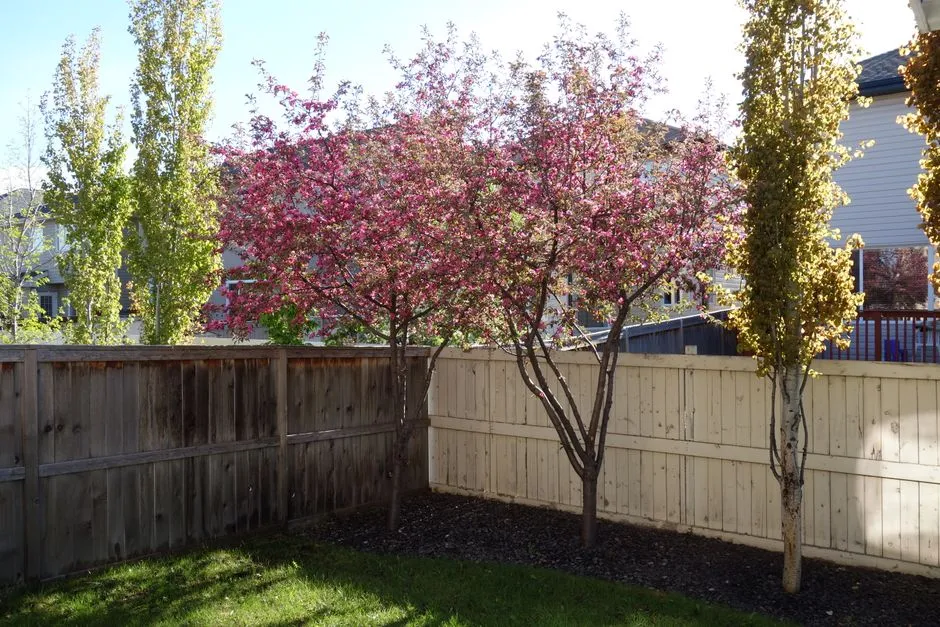

Moving into a new-build home is exciting. The clean lines, the fresh start, the potential. Then you step into the garden and notice every neighbour has a direct line of sight straight to your back door. New developments are often built with minimal green infrastructure, leaving owners to figure out their own seclusion from scratch.
The reality is that most UK gardens aren’t designed with privacy as a priority. Homes are often built close together, with direct sightlines into neighbouring gardens. The good news is that the right trees can change that picture remarkably fast. Here are ten of the best fast-growing privacy trees worth planting today.
1. Leyland Cypress – The Fastest Screen You Can Plant
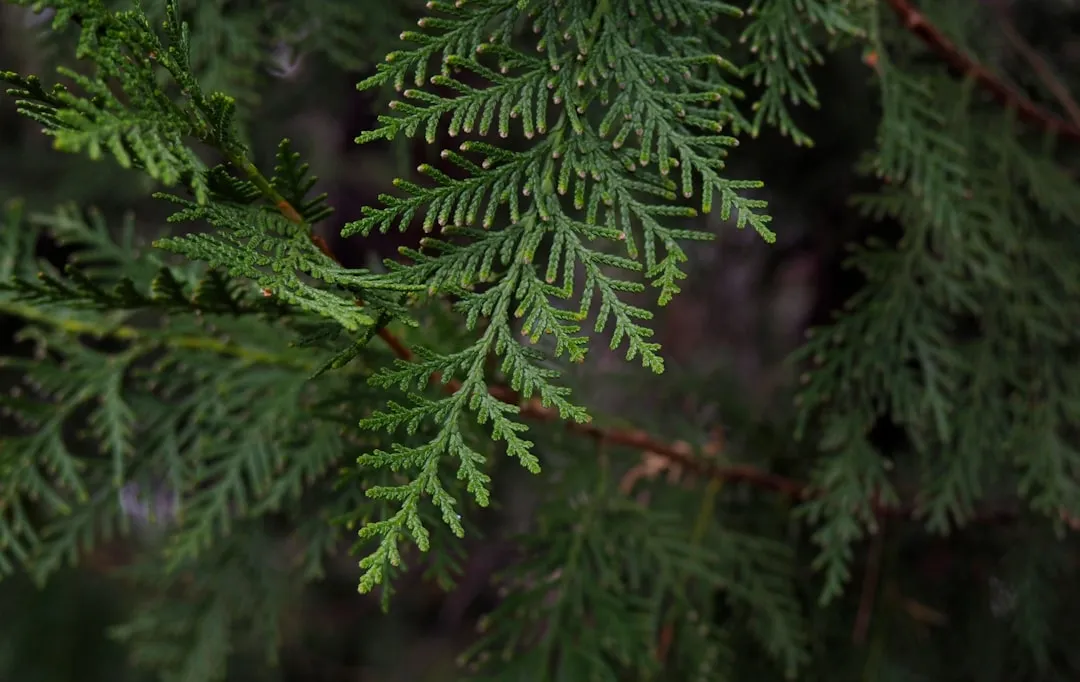
Leyland Cypress is one of the fastest-growing evergreen trees available in the UK and is often used for instant privacy screening. It forms a dense wall of rich green foliage that is highly effective at blocking sightlines, wind, and noise.
The rate of growth per year is around 75 to 90cm. However, regular trimming several times a year from an early age keeps Leyland cypress compact, restricting growth to as little as just 2m high.
Homeowners should be aware of the UK’s High Hedges legislation: letting it grow too tall without regular maintenance can lead to neighbour disputes. It thrives in most soil types, making it an easy fit for compacted new-build ground.
2. Thuja ‘Green Giant’ – The Refined Alternative
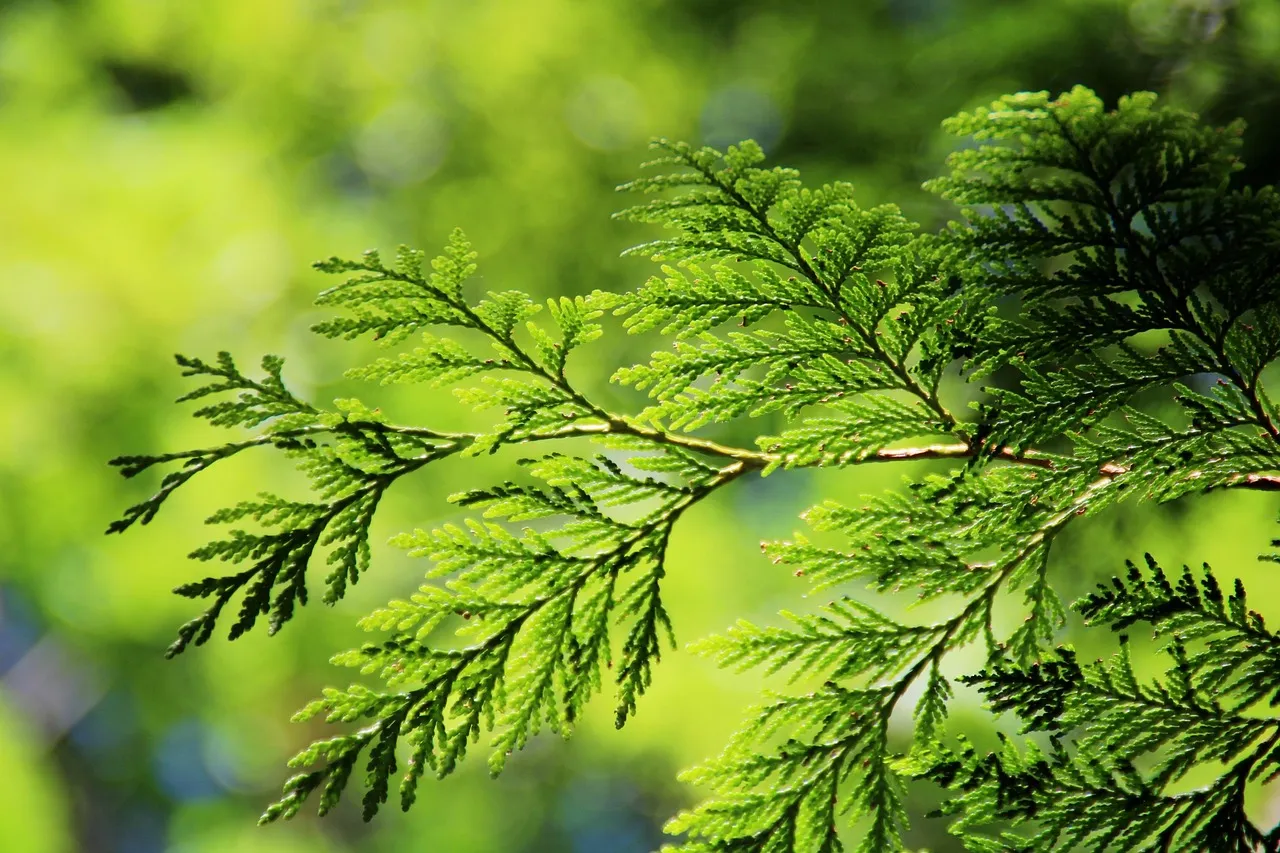
Thuja ‘Green Giant’ is a popular alternative to Leyland Cypress. It offers similarly fast growth, but with a more refined appearance and a slightly softer texture. Its dense, conical growth habit makes it ideal for privacy screens or tall hedging, and it responds well to trimming if you’d prefer to keep it to a more manageable height.
A hybrid of Thuja standishii and Thuja plicata, the ‘Green Giant’ is a robust, fast-growing evergreen, renowned for its ability to add up to 3 to 5 feet in height per year under optimal conditions. Reaching up to 60 feet tall, it’s a popular choice for privacy screens and windbreaks due to its dense, rich green foliage and rapid growth.
It resists most diseases, insects, periodic droughts, and deer. It does not tolerate salt spray or salty soils. It is a low-maintenance landscaping choice due to its hardiness and uniform growth habit that requires little to no pruning to maintain an attractive shape.
3. Cherry Laurel – Shade-Tolerant and Impressively Dense
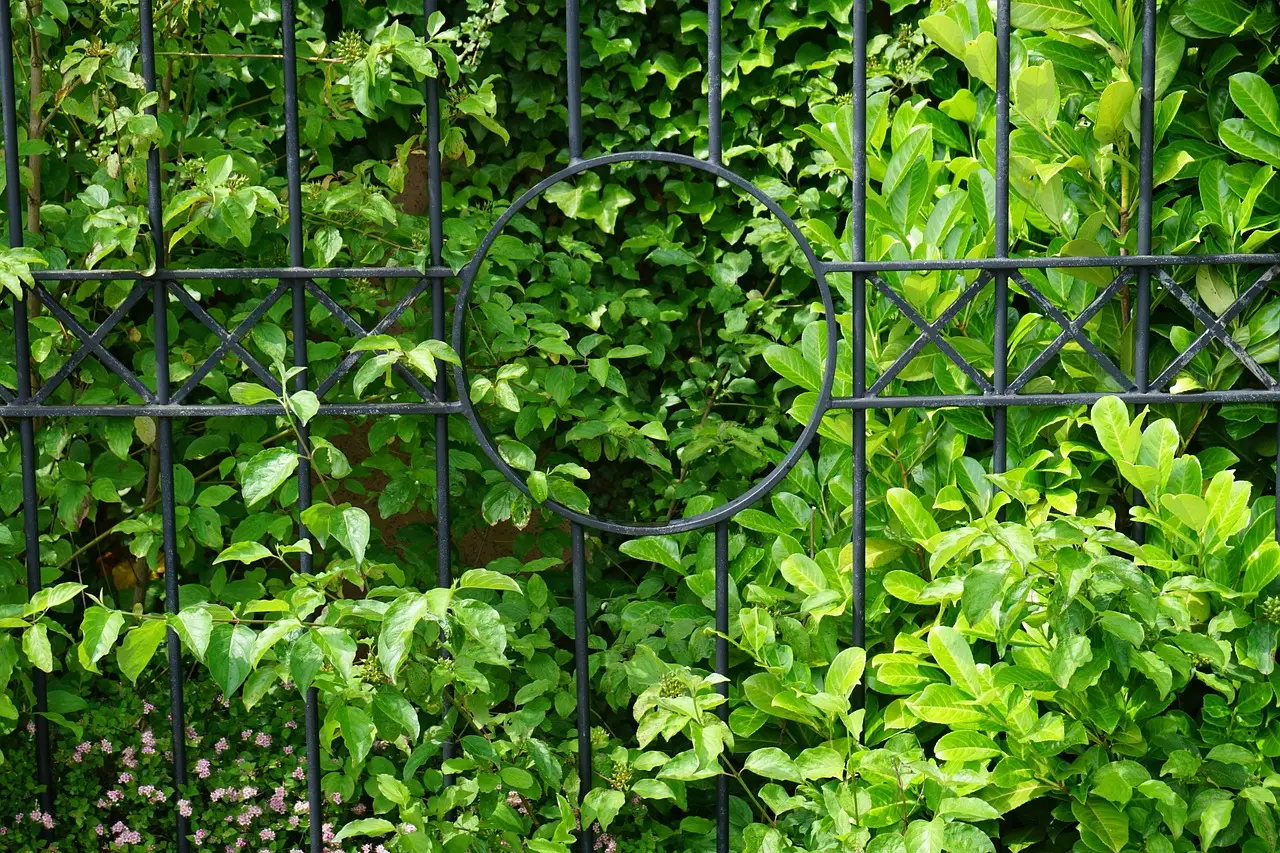
Cherry Laurel is a robust, large-leafed evergreen that’s excellent for thick, lush privacy screens. It forms a wide, bushy hedge that provides reliable coverage even in winter.
The shiny green foliage is highly ornamental, and in spring it produces small, fragrant white flowers followed by red berries, which are toxic if ingested in large quantities, so take care with pets or young children. This species tolerates shade better than many other privacy trees, making it ideal for north-facing or partially shaded boundaries.
Cherry Laurel is popularly used for screening due to its upright and bushy habit. These laurels produce small, sweet-smelling, white flowers, which grow in vertical racemes about 12cm long, followed by small, cherry-like fruit. It is also available in pleached form, which is excellent for screening in smaller gardens.
4. Lombardy Poplar – When You Need Height, Fast
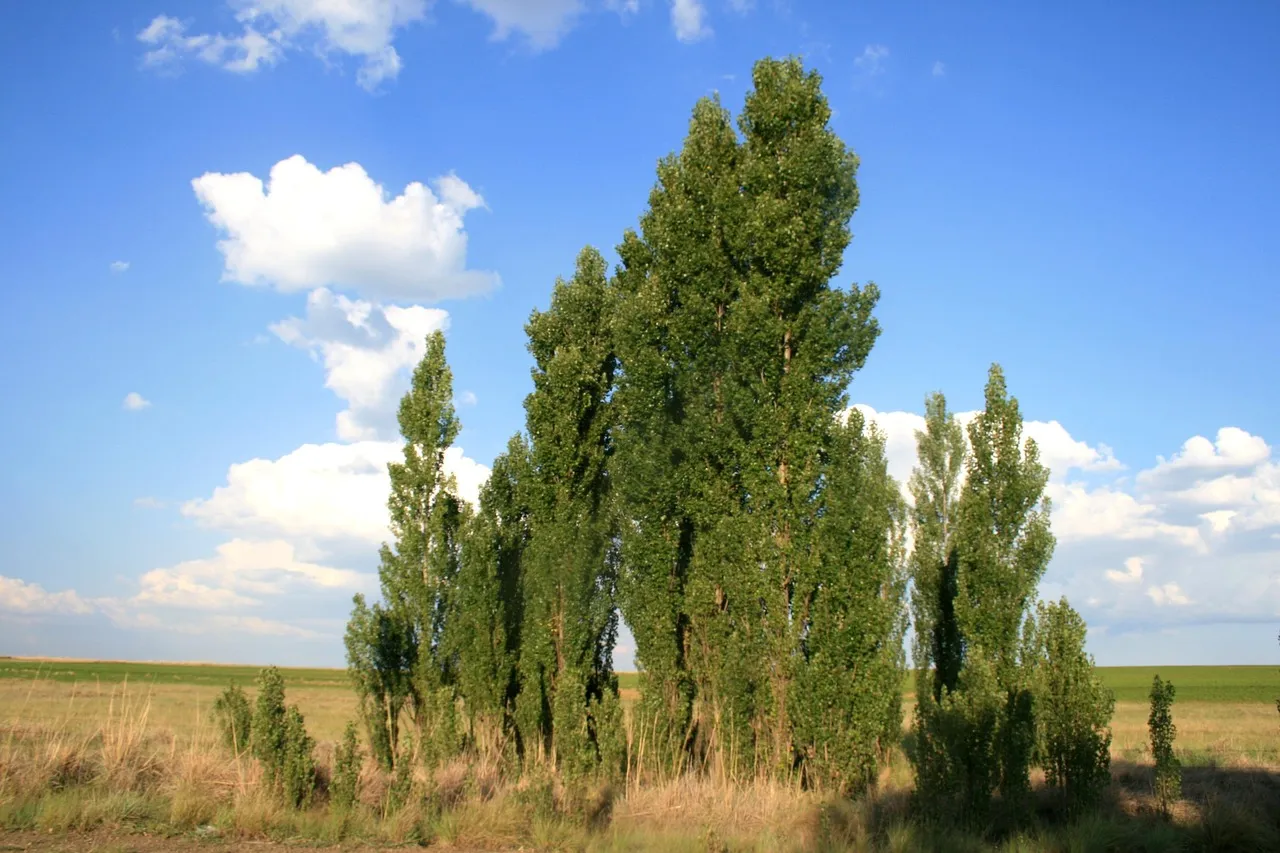
One of the fastest-growing trees in the UK, Lombardy Poplar offers instant height. Ideal for larger plots where neighbours’ windows or gardens loom nearby. Be cautious of its root spread – plant well away from buildings.
Lombardy Poplars commonly grow 6 feet per year, with some reaching growth rates of 9 to 12 feet. You often see Lombardys planted around farm fields to keep topsoil from blowing away, and they’ll work just as effectively for a home garden.
The Lombardy Poplar is a fast-growing, columnar tree known for its upright branches and narrow profile. Originally from Italy, it is commonly used as a windbreak or privacy screen. Its deciduous nature means some winter exposure, so pair it with evergreens for year-round coverage.
5. Portuguese Laurel – Elegant, Tidy, and Low-Maintenance
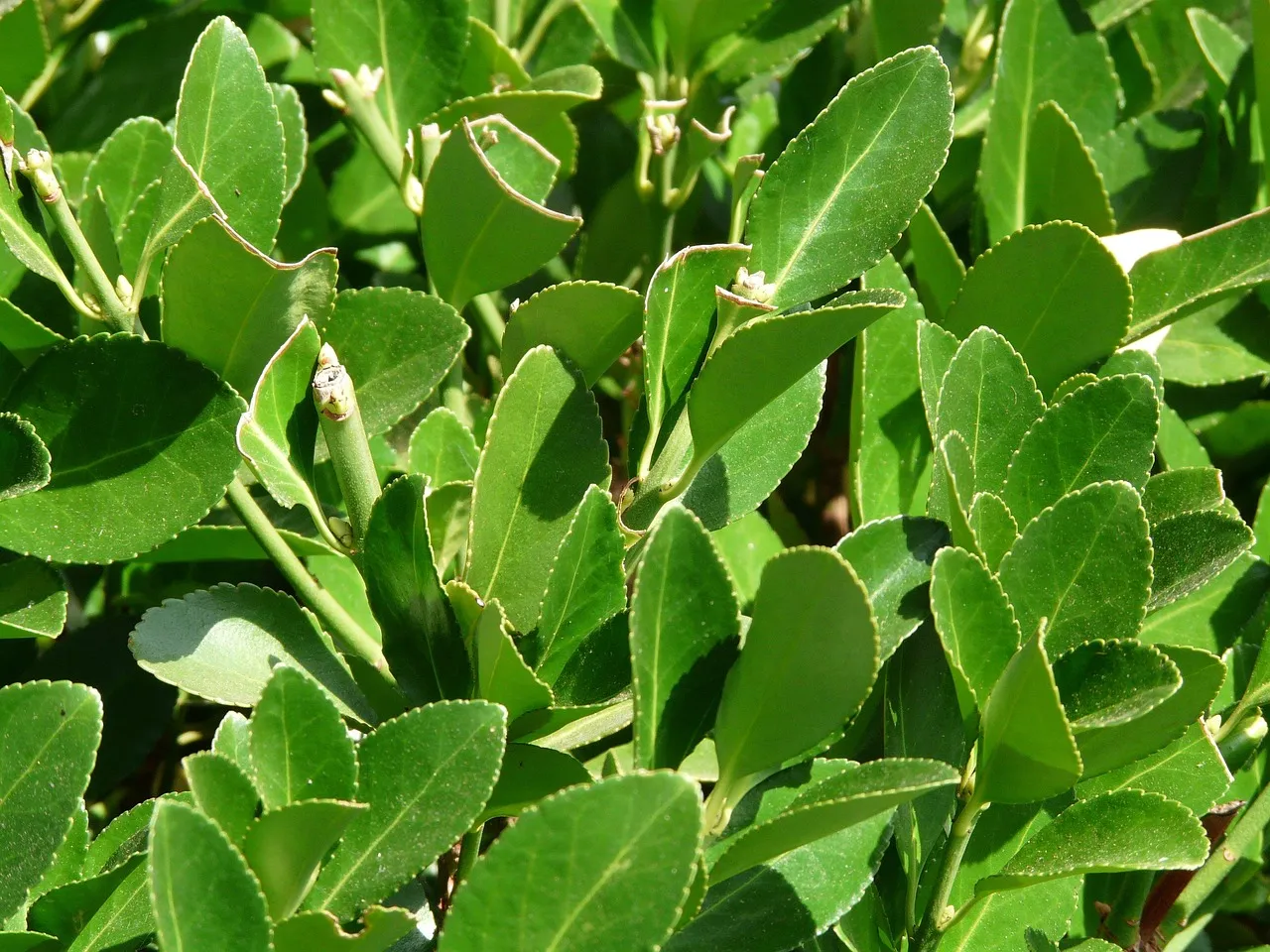
More refined than its cousin Cherry Laurel, Portuguese Laurel has elegant dark green leaves and red stems. It clips beautifully into tight hedges or privacy panels and is ideal for small-to-medium gardens.
It’s particularly well-suited for more formal gardens or where space is limited, as it maintains a neater shape and more upright growth habit. Portuguese Laurel is tolerant of pruning, shade, and a wide range of soil types, and is generally considered less invasive than Cherry Laurel.
It’s slower-growing than Cherry Laurel, which makes it much easier to maintain – perfect for long-term privacy. It’s also hardy, shade-tolerant, and easy to shape. For new-build gardens with limited room, this is often the most practical choice.
6. Photinia ‘Red Robin’ – Privacy With a Splash of Colour
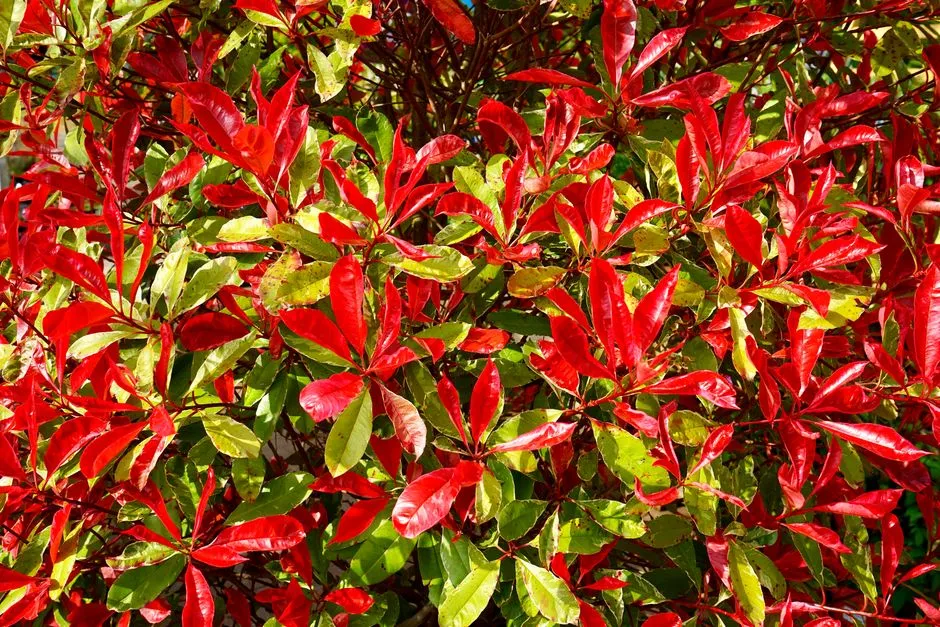
Photinia ‘Red Robin’ is one of the most visually striking choices for a privacy hedge. Its vibrant red new growth sets it apart from traditional evergreens, making it a popular choice for gardeners who want both privacy and seasonal interest. The red foliage matures to a glossy green, creating an attractive two-tone effect.
Photinia, also known as Red Robin, is a versatile evergreen shrub that can be trained into a tree form for screening purposes. Its young leaves emerge with striking red hues before maturing into a glossy green, creating a visually appealing contrast. Photinia is a relatively low-maintenance option, and its dense growth habit ensures excellent privacy and noise reduction.
Photinia Red Robin is fast growing, relatively cheap, and provides additional colour – a combination that’s hard to beat for a new-build plot that needs both speed and style.
7. Holm Oak – The Toughest Evergreen Screener
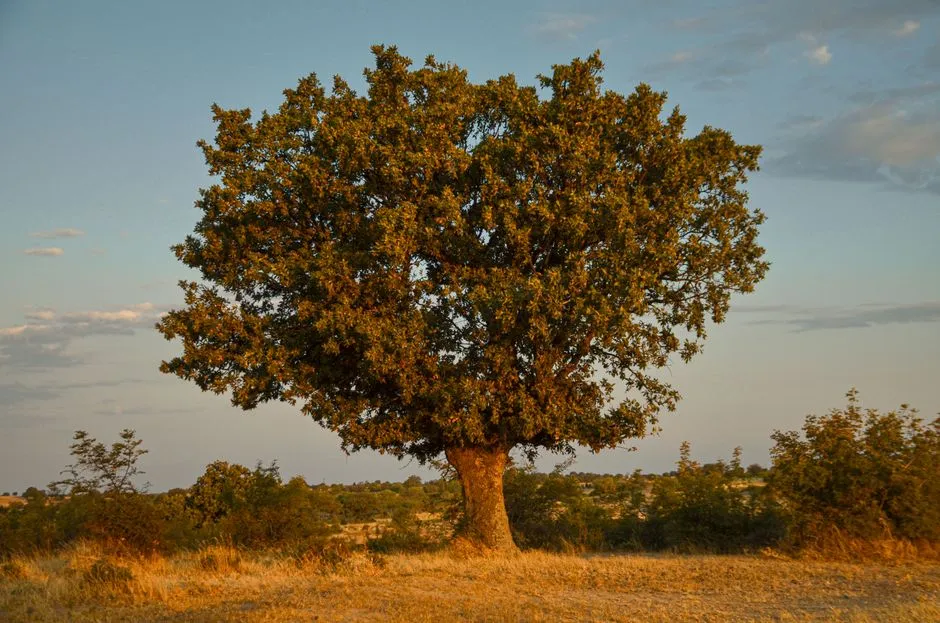
Also called the “Evergreen Oak”, Holm Oak is one of the toughest evergreen screening trees around. It tolerates salt, wind, and dry soils, making it perfect for coastal gardens. With regular pruning, it forms a neat, solid screen or standalone specimen.
Holm Oak is a very popular evergreen tree that has leathery serrated holly-like leaves. Quercus ilex regenerates very well after pruning, eventually creating a dense all year round screen. It is a majestic evergreen tree, being hardy and robust – resistant to salt spray from the sea, and from urban pollution.
It has been awarded the RHS Award of Garden Merit for reliability and performance, which gives some reassurance for gardeners investing in a long-term solution for their new-build boundary.
8. Holly – Slow to Start, Built to Last
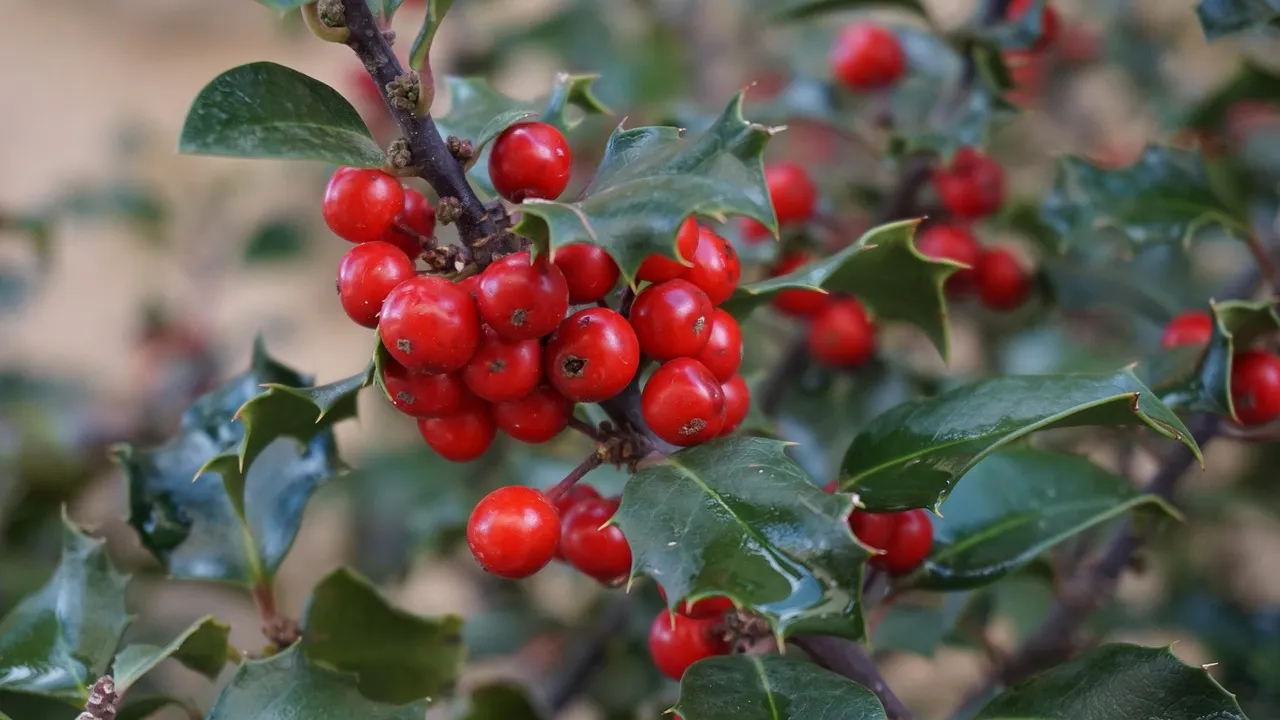
Holly trees are admired for their rapid growth rate, gaining up to 2 feet per year until reaching their mature height. American Holly is one of the fastest-growing hollies, quickly developing an attractive symmetrical shape. With varieties that thrive across diverse climates, holly trees are versatile fast-growing trees perfect for landscaping.
The English Holly is a classic native evergreen tree with spiky leaves on younger plants, but the leaves of older trees are much more likely to be smooth. Ilex aquifolium has small white flowers in spring and later followed by bright red berries, which are palatable to birds and small mammals after the first frosts of the season. Slow-growing when young, Holly matures into an attractive, pyramidal shape.
It grows into a dense, thorny screen perfect for deterring intruders and creating privacy. Female varieties produce bright red berries that support birds in winter. If security as well as seclusion matters to you, holly earns its place on any shortlist.
9. Italian Alder – The Unsung Hero of New-Build Plots
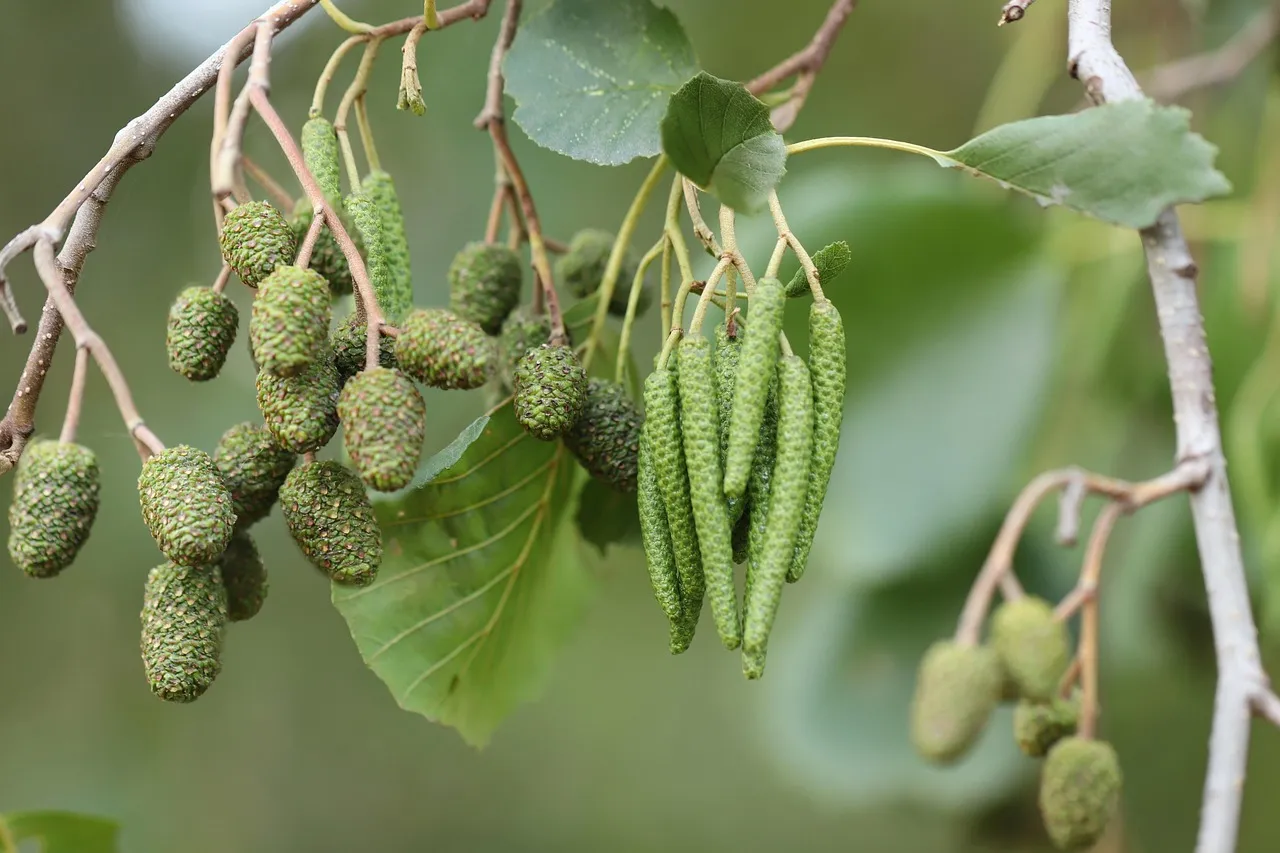
Italian Alder is a hardy, fast-growing tree that tolerates poor, compacted, or wet soils. Its upright habit and glossy green leaves make it a genuinely practical choice for the challenging ground conditions so common in new housing developments, where builders have often stripped or compacted the topsoil.
Italian Alder is a hardy, fast-growing tree that tolerates poor, compacted, or wet soils. Its upright habit and glossy green leaves create effective screening – especially in new-build or rural plots where quick coverage is needed.
As well as creating structure and seasonal interest in the garden, screening trees provide valuable privacy and can also be used to hide undesirable views. The Italian Alder does all of this while quietly getting on with improving the soil around it at the same time.
10. Hornbeam – The Deciduous Option That Keeps Its Leaves
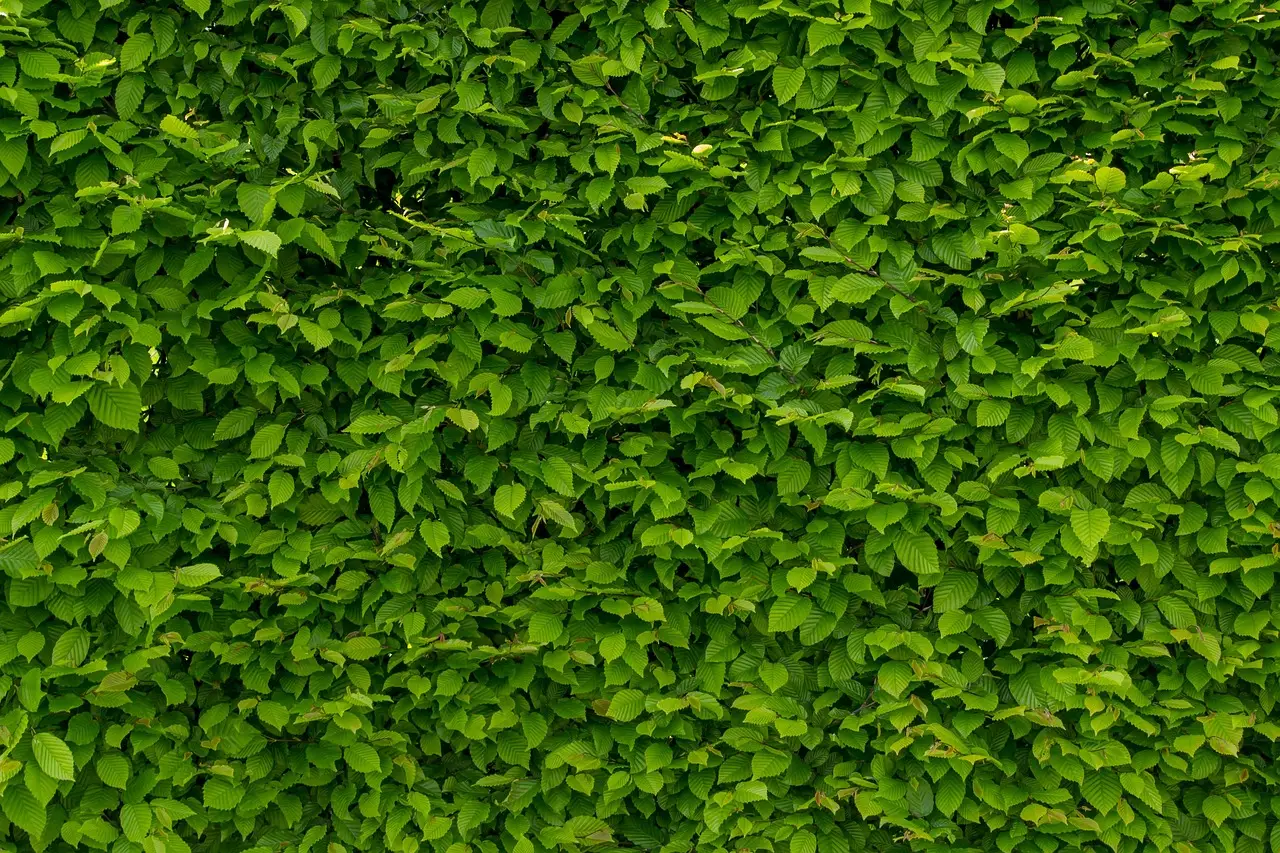
Hornbeam keeps its copper-brown leaves through the cold months, offering excellent screening even when not fully in leaf. It can be planted as a natural hedge, pleached screen, or trained standard. Use it along boundary lines where year-round privacy is key.
Green Beech forms a thick, elegant hedge that retains its coppery leaves throughout winter. It’s a timeless choice for both country and urban gardens, ideal as a clipped hedge, pleached screen, or standard tree to provide long-term privacy and structure.
Hornbeam is great for screening and easy to grow due to its ability to grow in most soil conditions. It is one of the best and most popular pleached trees. It also makes a very good hedge which is easy to grow and not particular about soil type.
A Few Things Worth Knowing Before You Plant
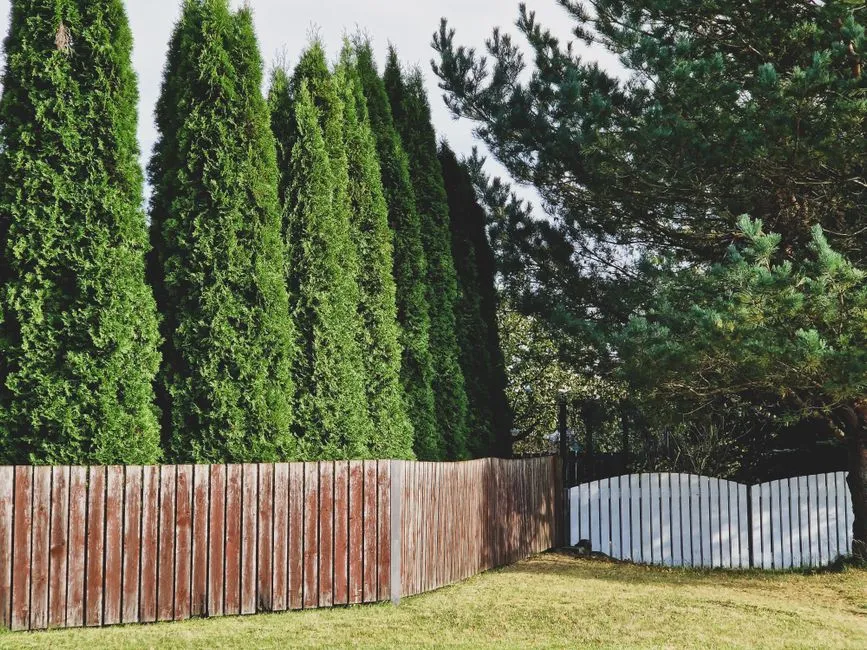
Unlike deciduous varieties, evergreens retain their foliage all year, offering uninterrupted screening – even in the depths of winter. For a new-build garden that currently offers no cover at all, this is the single most important factor when choosing between candidates.
The most popular trees used for screening often have a clear stem of about two metres, with a full head of foliage above. This is particularly effective for blocking a view from overlooking neighbours. That lifted canopy approach works especially well when you want to screen above an existing fence without replacing it.
Ask your tree supplier how fast it will grow and how tall it will be. Young trees are usually more affordable and have a better chance to establish themselves. Starting with smaller, well-rooted specimens often outperforms buying larger, stressed stock in the long run.
Conclusion
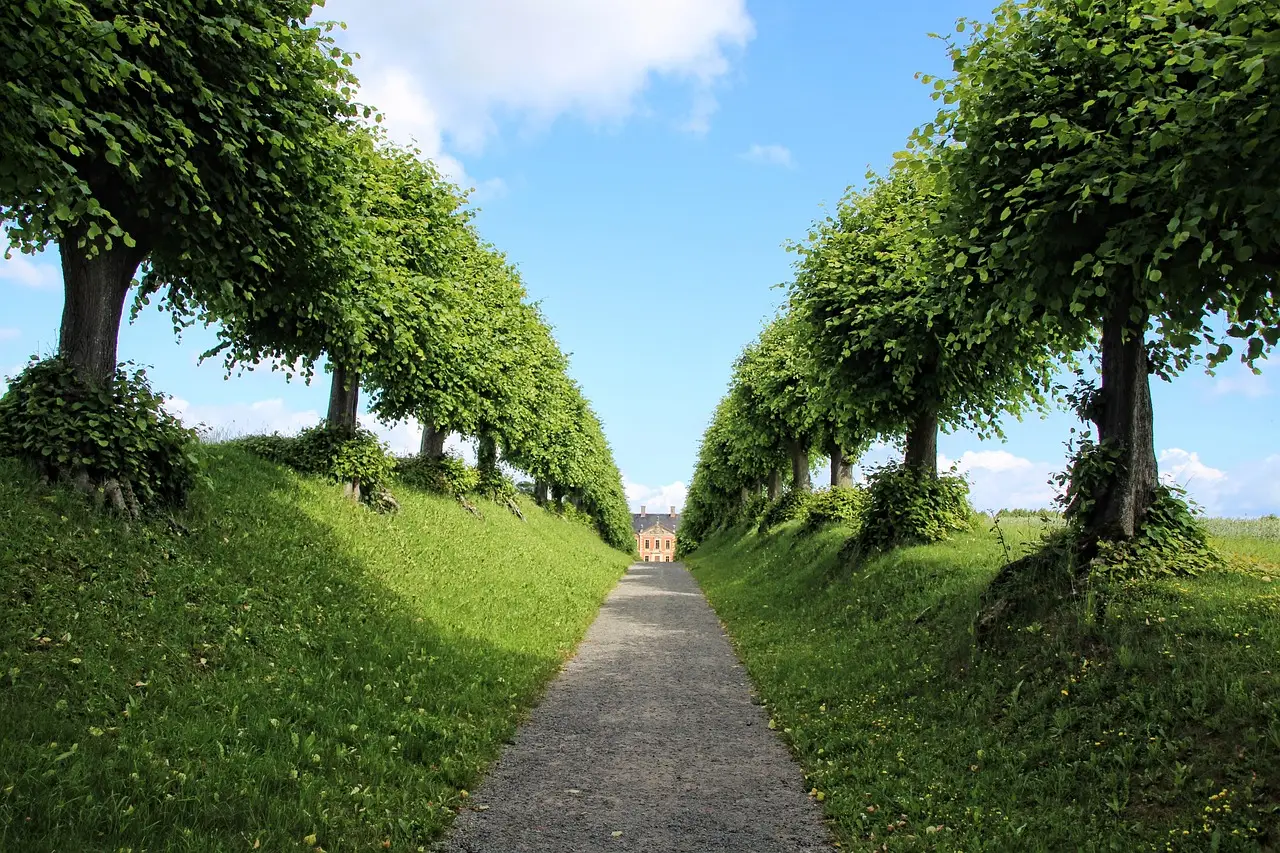
A bare new-build garden doesn’t stay that way forever. With the right trees planted in the right places, you can have meaningful seclusion within just a few growing seasons rather than decades.
The right trees blend seamlessly into the landscape, creating a softer, greener alternative to hard boundaries. They also offer seasonal interest, improve air quality, and provide habitats for birds and insects – making your outdoor space more peaceful and biodiverse.
The tree you choose ultimately depends on your soil, your garden’s aspect, and how quickly you need results. Pick one that suits the conditions you actually have, plant it well, give it water in its first year, and let it do what trees do best. The seclusion will follow.
AI Disclaimer: This article was created with the assistance of AI tools and reviewed by a human editor.