

Orange County’s coastal belt has a gardening personality all its own. Summer afternoons here feel gentler than in the inland valleys, shaped by marine air, mild winters, and that ever-present salt influence rolling off the Pacific. Still, the midday sun is unforgiving on an exposed patio, and most homeowners sooner or later start looking upward, wondering which tree could turn their yard into something actually comfortable.
Coastal areas in Southern California experience cool, foggy summers with moderate winters that favor broadleaf evergreens and fog-tolerant species, though they must also contend with salt spray and marine influence that limits some tree options. Picking the right tree here isn’t just an aesthetic decision. It’s a practical one, and the ten trees below each earn their place on this list.
1. Coast Live Oak (Quercus agrifolia): The Cornerstone of Orange County Gardens
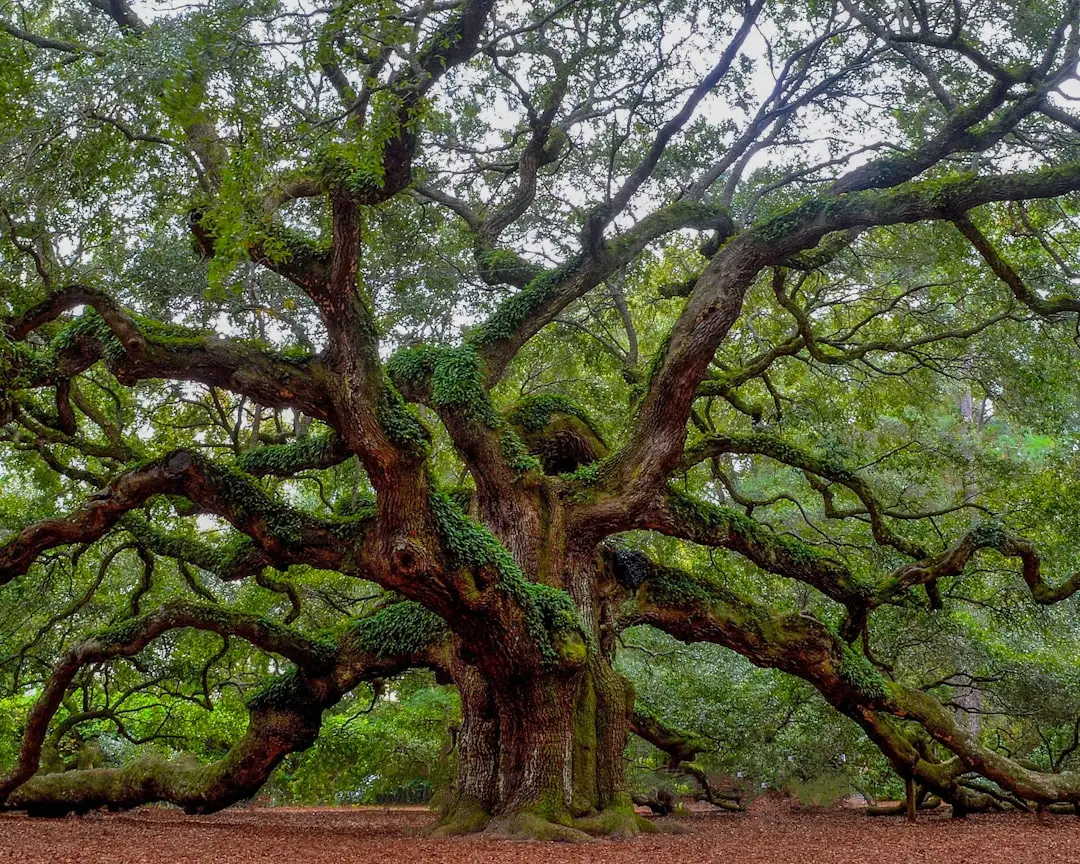
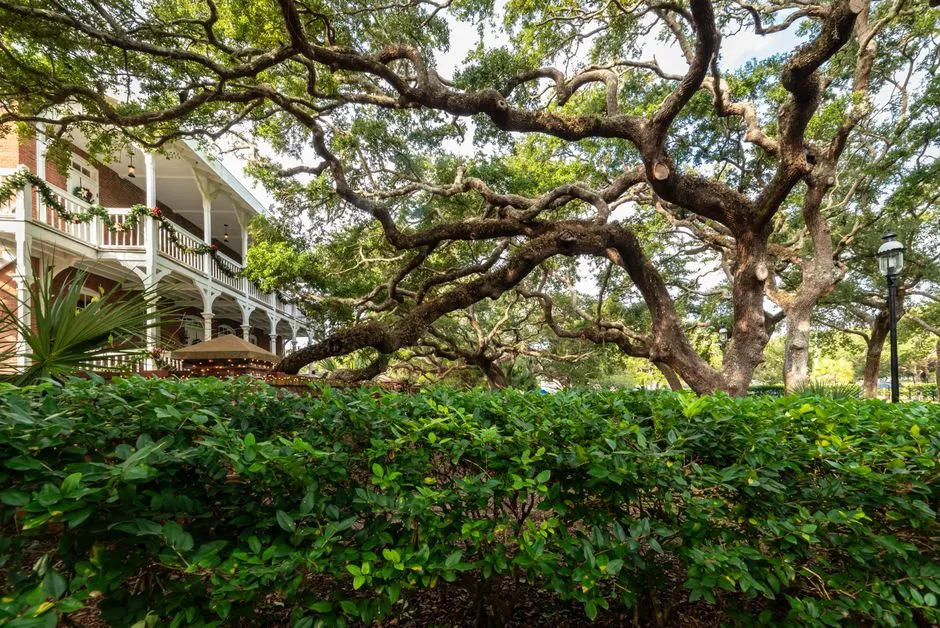
The Coast Live Oak is an iconic, majestic tree that serves as a cornerstone for wildlife and the surrounding ecosystem, easily recognized by its gnarled branches and grand canopy. These resilient trees can live for centuries, often surpassing 250 years, and can grow to mature heights ranging from 30 to 80 feet. It is one of the only California native oaks that thrives in coastal environments, enjoying fog and mild winters.
The Coast Live Oak flowers each spring and its acorns attract a wide variety of birds and butterflies, with over 270 species relying on these trees for habitat and food. It features classic, dark green, leathery leaves with spiny margins adapted to reduce water loss, and is extremely drought tolerant once established, thriving in California’s summer-dry climate with little to no summer water.
Despite threats like the Polyphagus Shot Hole Borer, it is increasingly planted in parks and community gardens across Orange County. Fall is the best time to plant your Coast Live Oak, and in the home landscape it pairs well with Toyon, various Manzanitas, Coyote Bush, Buckwheat, Coast Sagebrush, Coffeeberry, and Salvias.
2. Jacaranda (Jacaranda mimosifolia): A Purple-Blooming Shade Spectacle
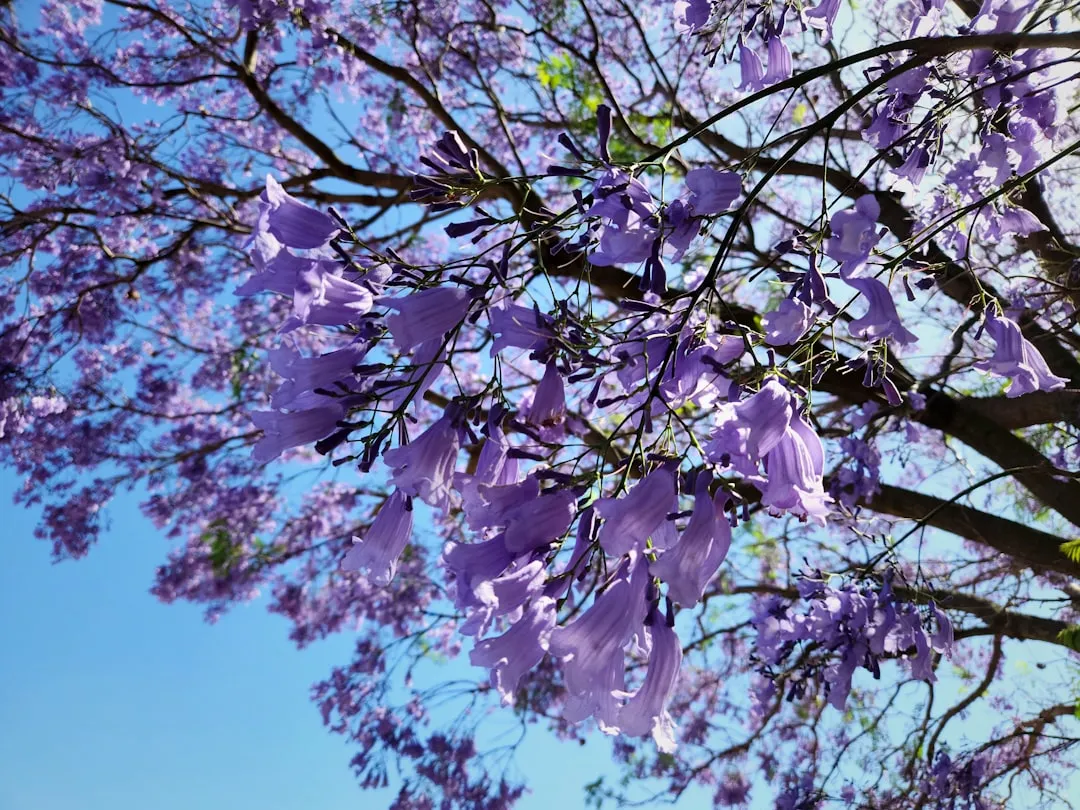
Native to dry, subtropical mountain valleys of Argentina and Bolivia, jacarandas have been planted all over the world in places with similar climates. They’re popular shade and street trees in Southern California, and in late spring and summer they treat residents to breathtaking blooms of lavender-blue flowers that cover the tree’s spreading crown and carpet the ground beneath with color.
Jacaranda is tolerant of coastal conditions, making it a suitable choice for seaside gardens and landscapes, and works as a striking focal point celebrated for its seasonal floral display and elegant, fern-like foliage. The tree’s wide-spreading crown and dense foliage offer shade and shelter for various animals, while its sturdy branches provide nesting sites for birds. Jacaranda trees are moderately drought-tolerant once established, and while they benefit from regular watering during early growth stages, mature trees can withstand periods of drought.
3. Chinese Pistache (Pistacia chinensis): Rare Fall Color That Earns Its Keep
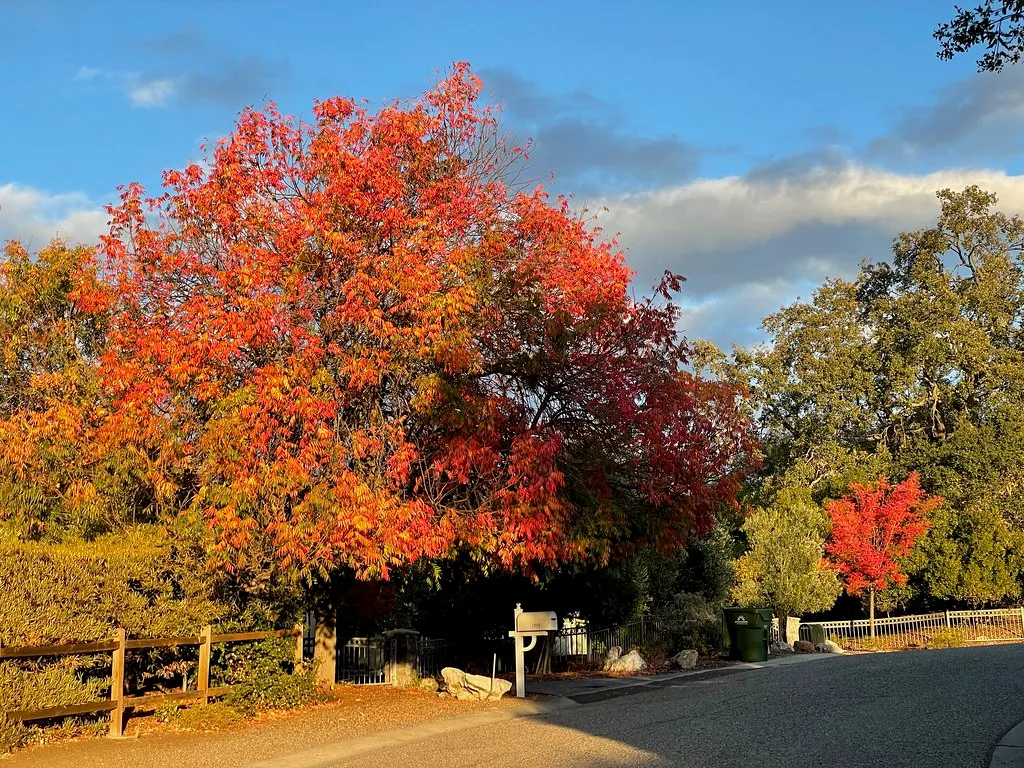
Chinese pistache is a reliable, low-maintenance shade tree with spectacular fall color, growing 25 to 35 feet tall and equally wide. It reaches maturity in 15 to 20 years and develops a rounded canopy with fine-textured foliage that produces brilliant orange, red, and yellow fall color that is genuinely rare in Southern California.
Once established, Chinese pistache is highly drought-tolerant and low-maintenance, and rewards you with fiery red and orange autumn colors. For Orange County gardeners tired of purely evergreen palettes, this is one of the few trees that delivers a genuine seasonal shift without demanding much in return.
4. Tipu Tree (Tipuana tipu): Fast, Wide, and Genuinely Useful Shade
The Tipu tree provides fast-growing shade with a tropical appearance, reaching 30 to 50 feet tall and up to 60 feet wide. It is fast-growing, providing significant shade within five to ten years, and its spreading canopy with fine-textured foliage creates dappled shade.
Tipu offers beautiful golden-yellow flowers and a large shade canopy, but requires pruning to maintain shape and occasional deep watering, with more regular care needed in its early years. It’s well suited for Orange County’s mild coastal zones and works especially well when positioned to shade a patio or driveway. The payoff in coverage comes relatively quickly compared to most native alternatives.
5. Pacific Wax Myrtle (Morella californica): The Unsung Coastal Workhorse
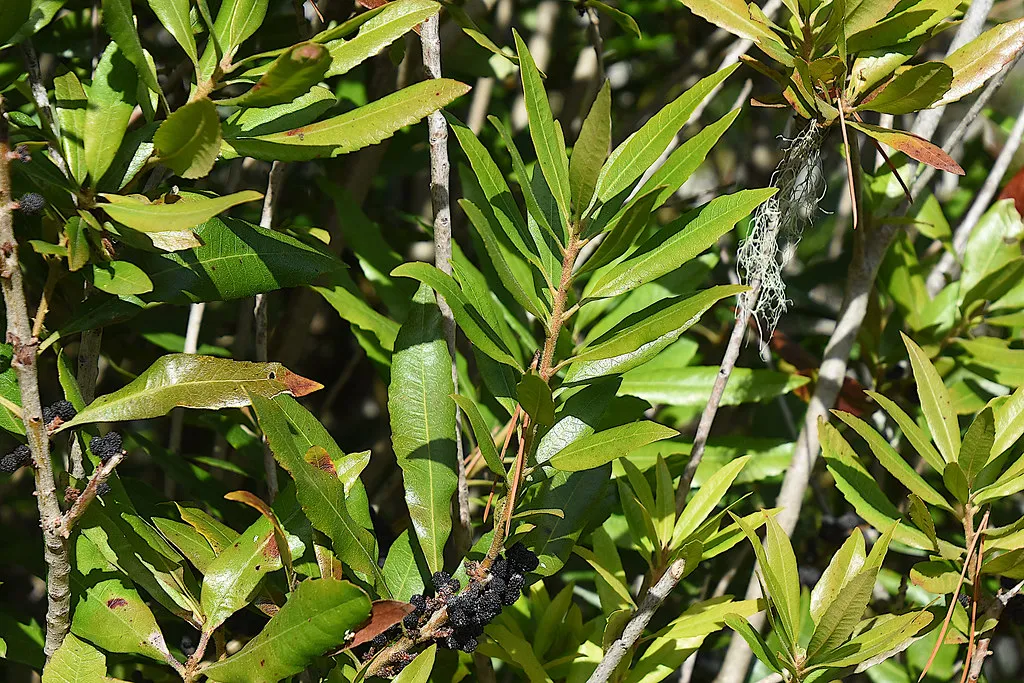
Pacific wax myrtle is an ornamental broadleaf evergreen shrub or small tree native to the Pacific Coast and coastal valleys of North America from Vancouver Island down to southern California, growing best near the coast, close to streams, or on dunes. With its dense upright habit and glossy leaves, it grows to a height and width of 10 to 30 feet.
Pacific wax myrtles are tolerant of wind and salt spray, which means you can use them as a windbreak in coastal gardens. By adding nitrogen to the soil by way of its roots in combination with nitrogen-fixing bacteria, this myrtle species actually builds soil health over time. Clusters of tiny yellowish spring flowers are followed by small, waxy, purple-black berries that are popular with many birds.
6. Olive Tree (Olea europaea): Mediterranean Calm in a California Garden
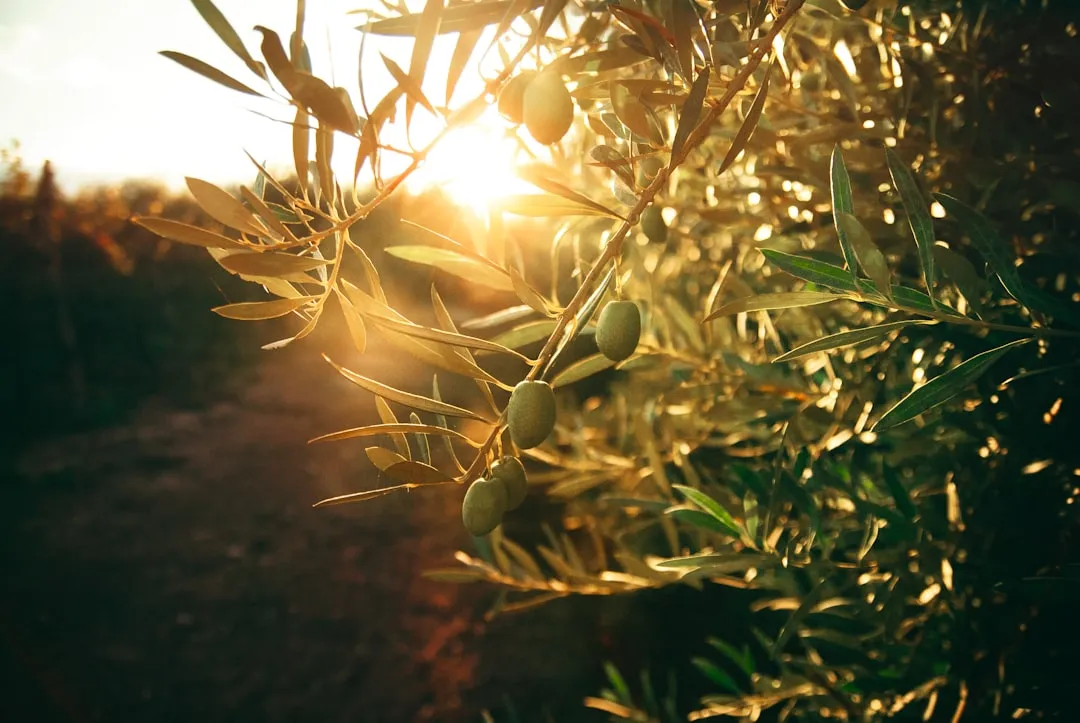
The Olive Tree is a Mediterranean classic that thrives in Southern California’s climate. Hardy and evergreen, it requires very little irrigation once mature and brings timeless charm and a sophisticated look to any property, whether fruiting or non-fruiting.
The olive’s narrow, silver-grey foliage catches coastal breezes beautifully, and the canopy provides a soft, filtered shade rather than a dense block. The southwestern region of Australia and the Mediterranean share a climate similar to that of the southwest United States, meaning Mediterranean-origin trees like the olive are genuinely well suited to this environment. For a low-clutter, drought-smart garden that still feels curated, the olive is a dependable choice.
7. Toyon (Heteromeles arbutifolia): California Holly With Real Presence
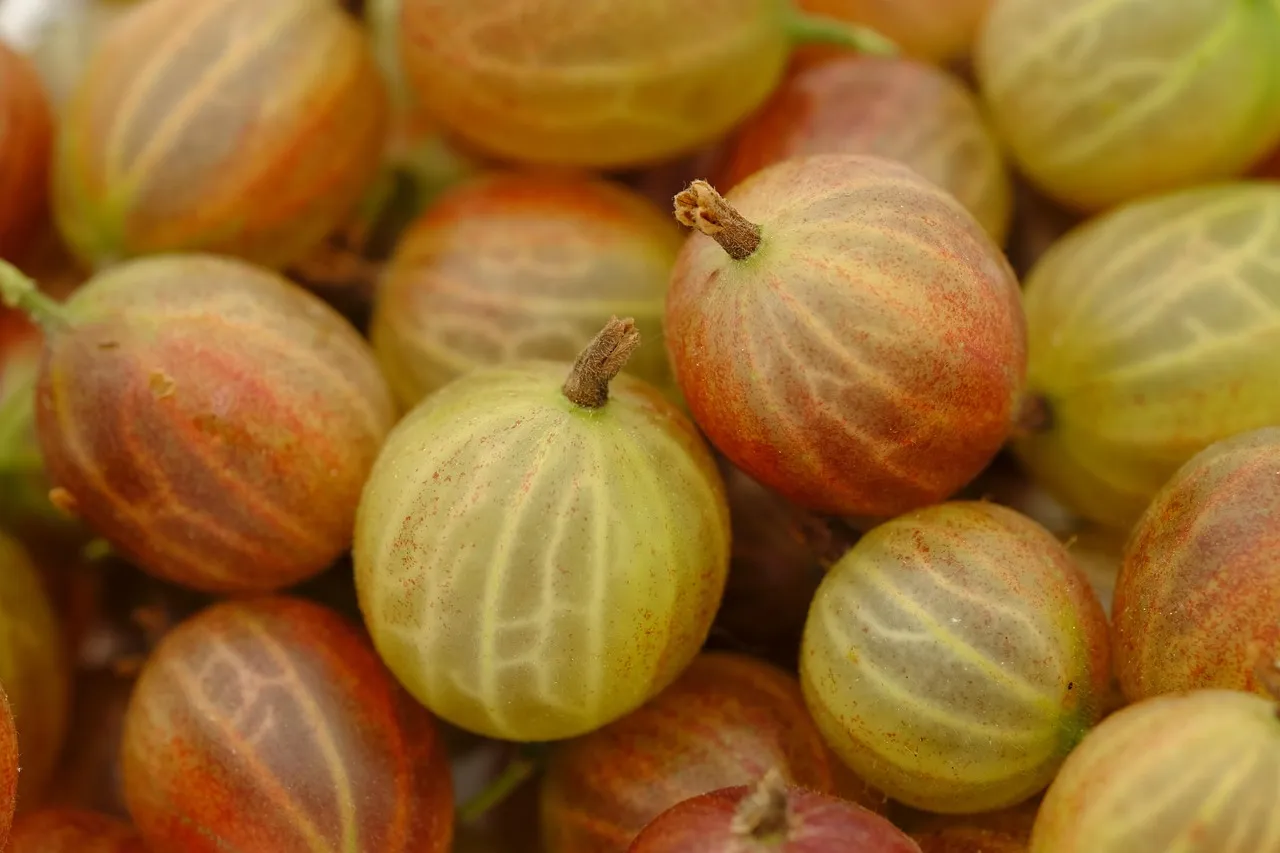
Hollywood was literally named in reference to the California Holly Tree, which often appears as a shrub in its youth. It is sometimes called a Christmas Berry Tree as it produces beautiful red berries that can be eaten if cooked, and it sprouts white flowers that attract bees and butterflies. These trees need no fertilizer, provide wonderful erosion control, and are highly drought tolerant.
Toyon is among the species that appear naturally in established Orange County gardens alongside laurel sumac, coyote bush, buckwheat, coffeeberry, and various native sages. Toyon grows to about 15 feet in most garden settings and develops into a dense, multi-stemmed canopy. Its seasonal rhythm, white spring flowers followed by brilliant red winter berries, makes it one of the more visually rewarding choices for a smaller coastal yard.
8. Lemon-Scented Gum (Corymbia citriodora): Height, Fragrance, and Filtered Light
The Lemon-Scented Gum is great for shade, low maintenance, non-invasive in its root behavior, excellent as a street tree, and ideal for both coastal and dry climates. It is versatile across many different soil types and is native to the Mediterranean-style climate of southwest Australia.
The presence of Australian trees in Southern California gardens may seem unusual, but the southwestern region of Australia shares a Mediterranean climate similar to that of the American Southwest, making them a genuinely suitable option for both regions. The Lemon-Scented Gum grows tall and relatively narrow, making it practical for Orange County lots where space is limited but canopy height is still valuable for blocking afternoon sun.
9. Italian Stone Pine (Pinus pinea): Architectural Shade That Lasts Centuries
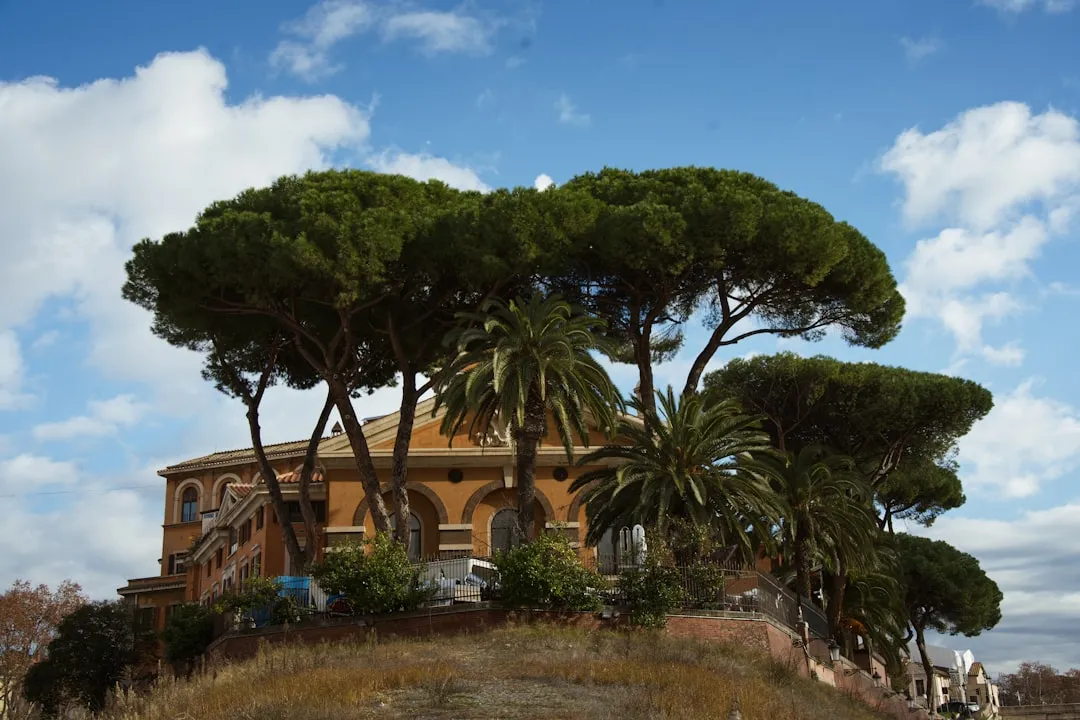
Italian Stone Pine creates an umbrella-shaped canopy reaching 40 to 80 feet with distinctive horizontal branches and edible pine nuts. This classic Mediterranean tree requires minimal water and thrives in coastal and inland valleys. The silhouette is immediately recognizable, a broad, flat-topped crown on a tall, clean trunk, and it ages exceptionally well in the Orange County climate.
Mediterranean species like Italian Stone Pine perform well in coastal microclimates with their moderate temperature ranges and ocean influence. It is slow to reach full canopy, so patience is required. Planted in the right spot, though, it becomes the most architecturally significant tree in any garden over time, and the shade it casts beneath that wide umbrella is genuinely cooling.
10. California Sycamore (Platanus racemosa): Bold, Native, and Summer-Dense
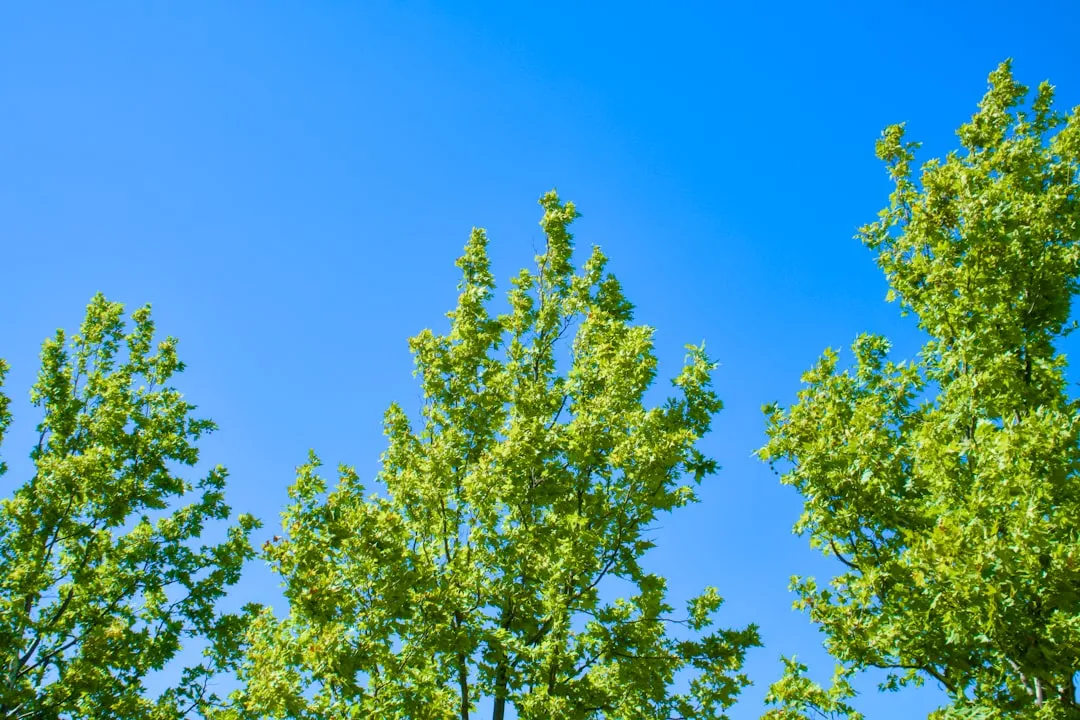
California Sycamore produces distinctive mottled bark in cream and brown tones with large maple-like leaves that provide dense summer shade. Few options compare to the timeless resilience provided by the California Sycamore, a tree that adds visual appeal while providing essential environmental benefits such as reducing temperatures, improving air quality, and supporting wildlife.
Water-wise landscaping with well-chosen trees can reduce irrigation needs by roughly half once trees establish mature root systems, and the California Sycamore is a strong contributor to that goal in the right setting. Its deciduous nature means the canopy opens up in winter, letting welcome warmth through, then fills back in during summer precisely when you need it most. For a larger Orange County garden with some room to breathe, it remains one of the most rewarding native shade trees available.
A Note on Planting Timing and Coastal Soil
California’s Mediterranean climate and microclimates, from coastal fog to inland heat, require shade trees that can adapt to drought cycles, varied soils, and fire-prone conditions. Choosing the right shade tree means balancing water conservation with cooling comfort while addressing unique regional challenges.
Buying from local nurseries ensures trees are grown on rootstock suited to coastal soils and climates, which matters more than most gardeners realize. A tree grown in an inland container nursery may need extra time to adjust to salt-influenced coastal soils. Fall planting, when soil temperatures are still warm and rains are on the way, gives any of these ten trees the best possible start in Orange County conditions.
Shade doesn’t have to be a long game. Several of these trees, the Tipu, the Jacaranda, and the Pacific Wax Myrtle among them, deliver meaningful canopy within a few seasons. Others, like the Coast Live Oak and the California Sycamore, ask for patience but reward it with something that outlasts the house itself. The best Orange County gardens tend to include both, because the trees you plant for your grandchildren’s comfort deserve as much consideration as the ones you plant for your own.
AI Disclaimer: This article was created with the assistance of AI tools and reviewed by a human editor.