

Late summer is the perfect time to tuck away those spring-blooming bulbs before the ground cools—ensuring you’ll be greeted next year by a spectacular display of color after a long winter. As a gardener who’s eagerly scraped back mulch to reveal early crocus or snowdrops poking through frost, I know how magical that first burst of spring can feel! Planting bulbs in late August or early September gives them time to establish roots before winter dormancy, setting the stage for healthy, vigorous blooms.
I understand how frustrating it is to find empty patches in April when your neighbors’ gardens are bursting—been there, done that! But with a little planning and the right selection of bulbs, your borders and containers will explode with life. Let’s explore nine of my favorite bulbs—each with its own origin story, pollinator perks, and non-invasive habits—that you can plant now for a jaw-dropping spring spectacle.
Tulip (Tulipa spp.)
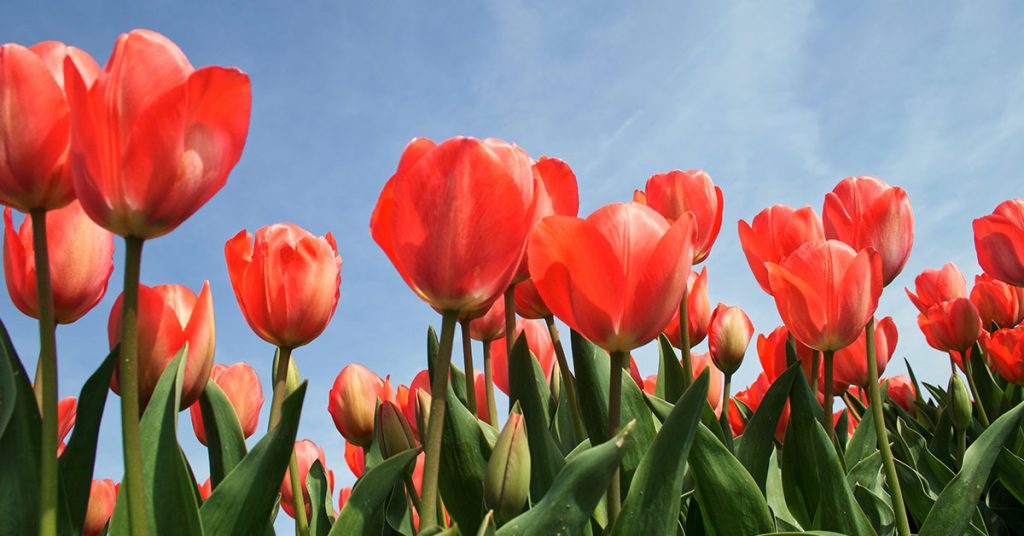
Native to Central Asia, tulips have been beloved in gardens since Ottoman times. These bulbs come in an astonishing palette—from soft pastels to vibrant primaries—and most modern varieties are non-invasive, remaining exactly where you plant them for years of reliable display. Plant with the pointy end up about six inches deep in well-drained soil and give them a layer of mulch to protect roots over winter.
Tulips are magnets for early-season bees, which buzz around emerging flowers searching for nectar. In moderate climates, I’ve even spotted solitary bees digging tiny nests in the loosened soil at the bulb’s base—nature’s way of saying, “thanks for planting me!” One of my favorite bulbs, the Kaufmanniana tulip, even opens star-shaped blooms on sunny days, offering bees an easy landing pad.
Daffodil (Narcissus spp.)
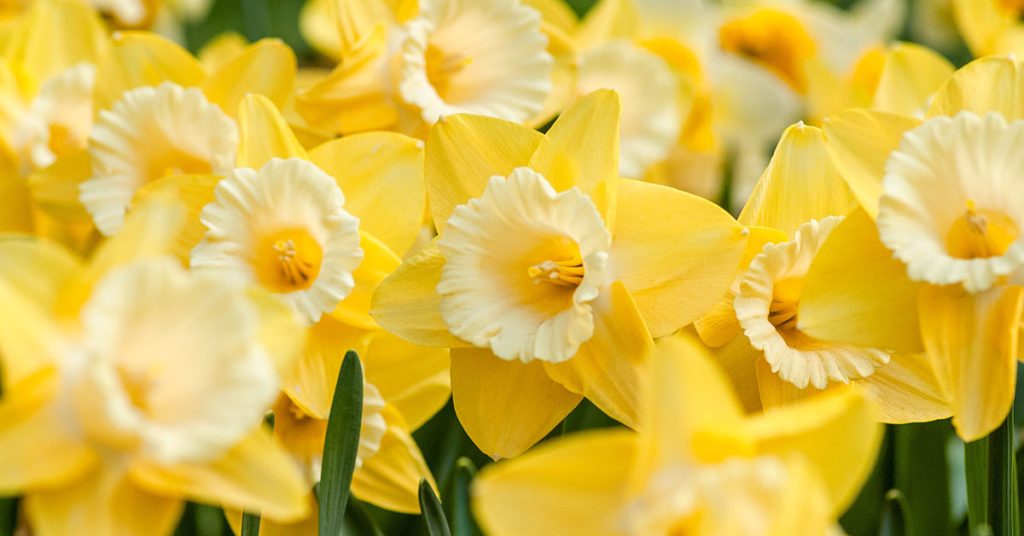
Daffodils hail from southern Europe and North Africa, flourishing in climates with cool winters and warm springs. These cheerful yellow and white blooms are deer-resistant and non-invasive—rarely naturalizing beyond your intended beds. Set bulbs about four to six inches deep, pointed end up, and leave the spent foliage in place until it yellows to feed the bulb for next year’s show.
Butterflies often alight on daffodil petals, though they don’t sip nectar here; instead, the sturdy foliage provides cover for ground-nesting insects like solitary wasps. I love spotting a pair of miners setting up camp in a daffodil patch each spring—proof that even pests have a place in a healthy ecosystem!
Allium (Allium spp.)

Alliums, originally from central Asia and parts of Europe, are prized for their dramatic, spherical flower heads atop tall, rigid stalks. These ornamental onions aren’t invasive in home gardens—they multiply slowly if at all—and thrive in full sun with excellent drainage. Plant bulbs about four inches deep and six inches apart to allow room for those giant flower globes!
Hummingbirds and bees adore alliums, weaving through the mauve or white pom-poms in search of nectar. Once, I watched a small honeybee nest right next to an allium clump, taking advantage of the loose soil and nearby floral buffet. Their towering blooms provide height and interest, making a bold architectural statement in any spring border.
Muscari (Grape Hyacinth)
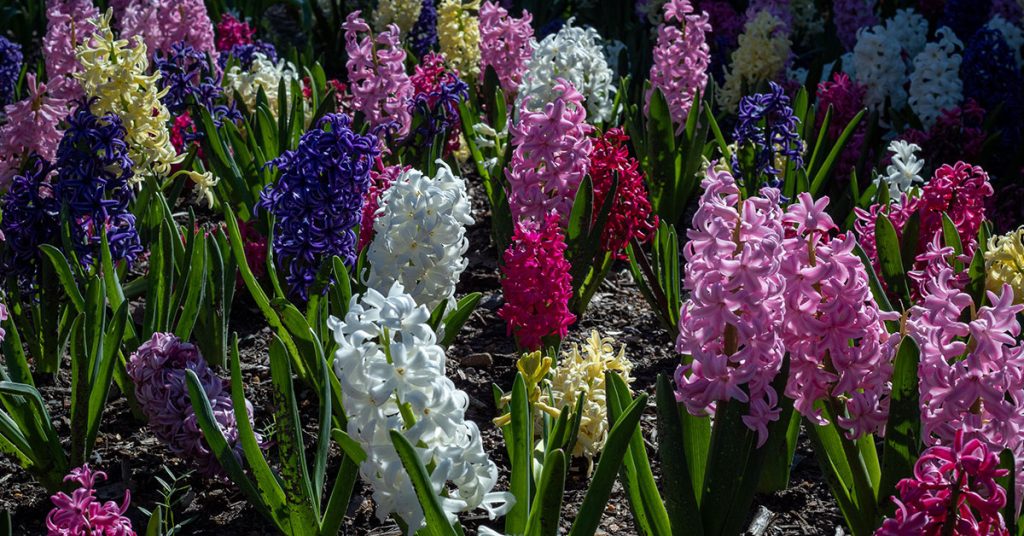
Muscari armeniacum, commonly called grape hyacinth, comes from the Mediterranean and Asia Minor. These petite bulbs naturalize gently, forming charming carpets of cobalt blue blossoms with minimal maintenance. Plant them three inches deep in clumps or intersperse with larger bulbs—no need to worry about invasive behavior, as they spread in a controlled way.
Early bumblebees delight in ducking into the tight clusters of muscari flowers, their fuzzy bodies dusted with pollen. I’ve even spotted small solitary bees using hollow stems as day-roosting spots in spring’s cooler mornings. Their grape-like blossoms bring a jubilant splash of color edging pathways or carpeting beneath shrubs.
Crocus (Crocus spp.)
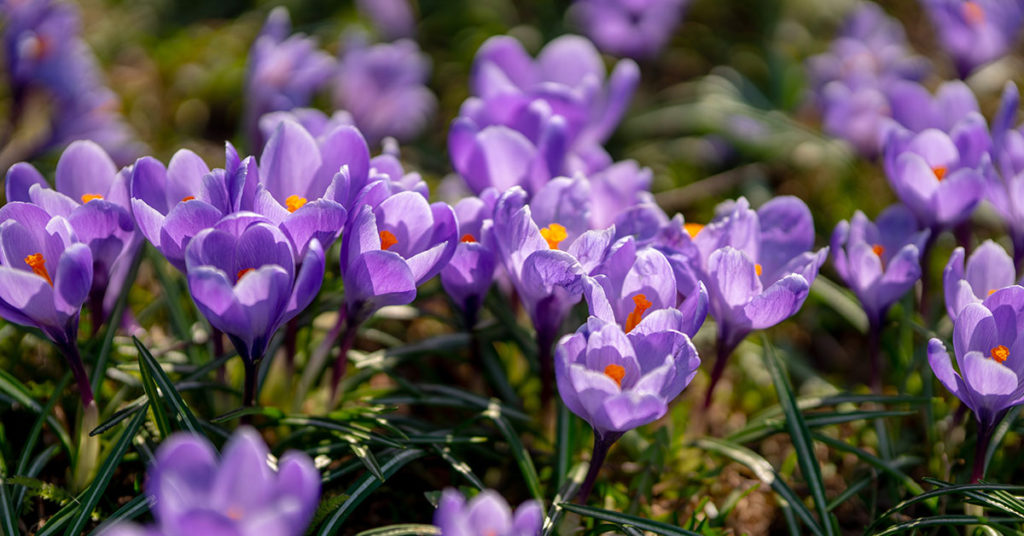
Crocus are among the earliest harbingers of spring, native to woodlands and meadows of Europe, North Africa, and Asia. These small bulbs push through cool soil to reveal cup-shaped blooms in purples, yellows, and whites. Crocuses seldom become invasive—plant them two to three inches deep in drifts for a natural look.
Honeybees and early-flying solitary bees rely on crocus nectar when few other flowers bloom. Watching them flit from crocus to crocus on a chilly morning is such a thrill! Their delicate petals also double as temporary shelter for tiny beetles and spiders seeking refuge until the sun warms the garden.
Snowdrop (Galanthus nivalis)
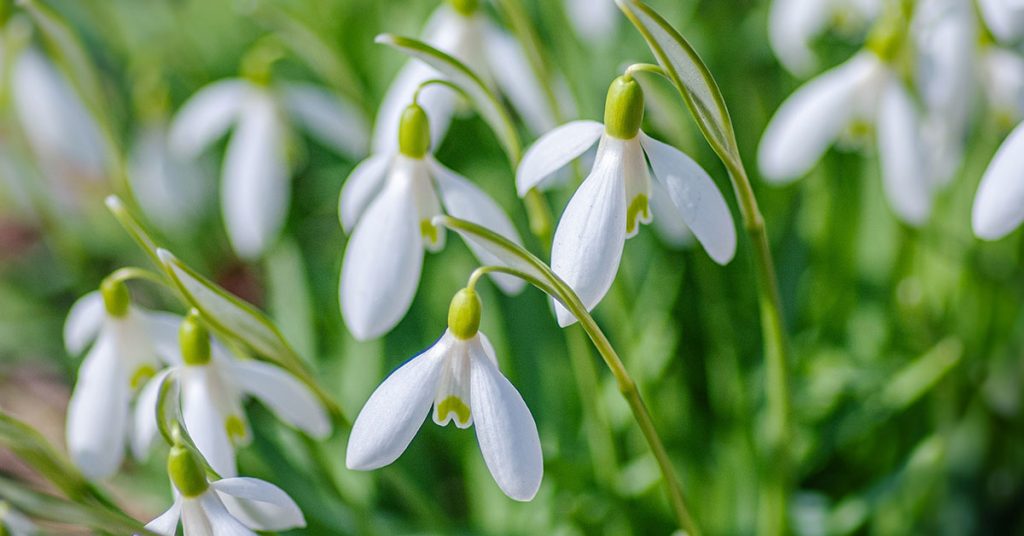
Snowdrops, native to Europe and the Middle East, are a gardener’s true winter-into-spring delight. Planted about three inches deep in shaded or semi-shaded soil, they naturalize slowly and almost never become invasive. Their nodding white bells emerge through snowdrifts, creating the most hopeful sight after months of gray.
Early bumblebees zip around snowdrops, and I once spotted a queen buff-tailed bumblebee sheltering beneath a snowdrop clump during an unexpected late-winter thaw. Their ephemeral blooms are a beacon for pollinators and a reminder that spring is just around the corner—no other bulb captures that magic quite like Galanthus!
Glory-of-the-Snow (Chionodoxa luciliae)

Chionodoxa, native to Turkey and Cyprus, offers sky-blue, star-shaped blooms with white centers in very early spring. These bulbs naturalize slowly and remain well-behaved, forming gentle patches under trees or along borders. Plant them about four inches deep and tuck among deciduous shrubs for a sudden, ground-hugging flash of blue.
Bees of all sizes dive into Chionodoxa blossoms, their tiny wings blurring with excitement over one of the season’s first nectars. Their compact form and early timing make them a must for any pollinator-friendly garden; I’ve even spotted solitary mason bees investigating the flower interiors for nesting materials!
Scilla siberica (Siberian Squill)

Scilla siberica, from woodlands of southwestern Russia and Turkey, is prized for its intense blue, starry flowers that carpet the ground in early spring. While these bulbs can naturalize, they rarely become invasive in well-tended borders—plant them three to four inches deep beneath deciduous trees or along lawn edges for striking effect.
Solitary bees swarm over Siberian squill blooms at first light, their tiny bodies dusted in cobalt-tinted pollen. I’ve also seen leafcutter bees meticulously snip bits of foliage nearby, likely scouting for nesting fiber. Their short stature and riotous color make them ideal for pollinator-focused bulb plantings!
Ranunculus (Ranunculus asiaticus)
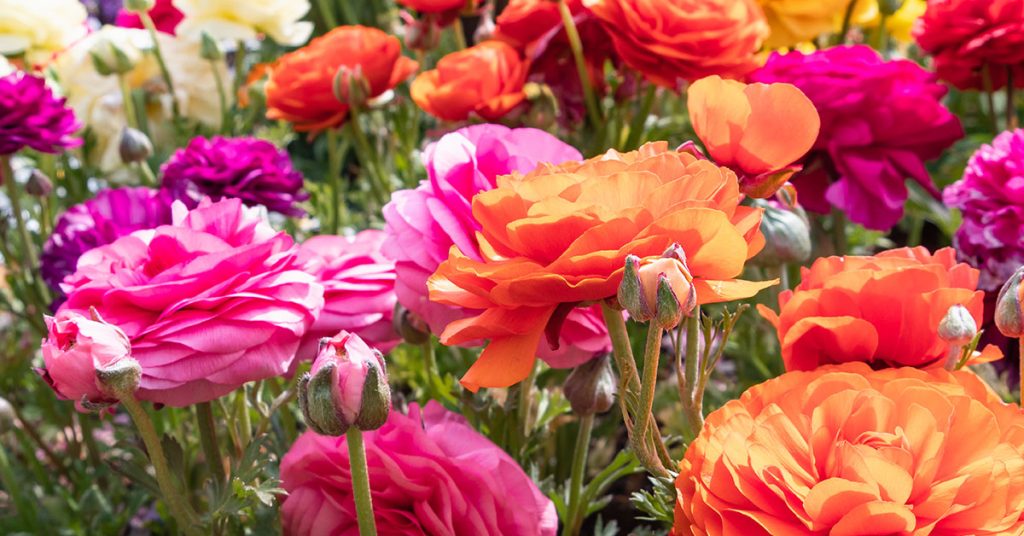
Ranunculus bulbs, originally from Eastern Mediterranean climates, produce lavish, layered blooms in pinks, reds, yellows, and whites. These corms aren’t considered invasive—they perform best planted two inches deep in well-drained, enriched soil, preferably in full sun. Their lush petals and long stems make them perfect cut flowers, too!
Butterflies such as fritillaries flutter around ranunculus clusters, and small native bees sometimes excavate nesting tunnels in the surrounding bare soil. I love gathering a vase of ranunculus blooms each spring—it’s like bottling the very essence of a garden’s awakening!