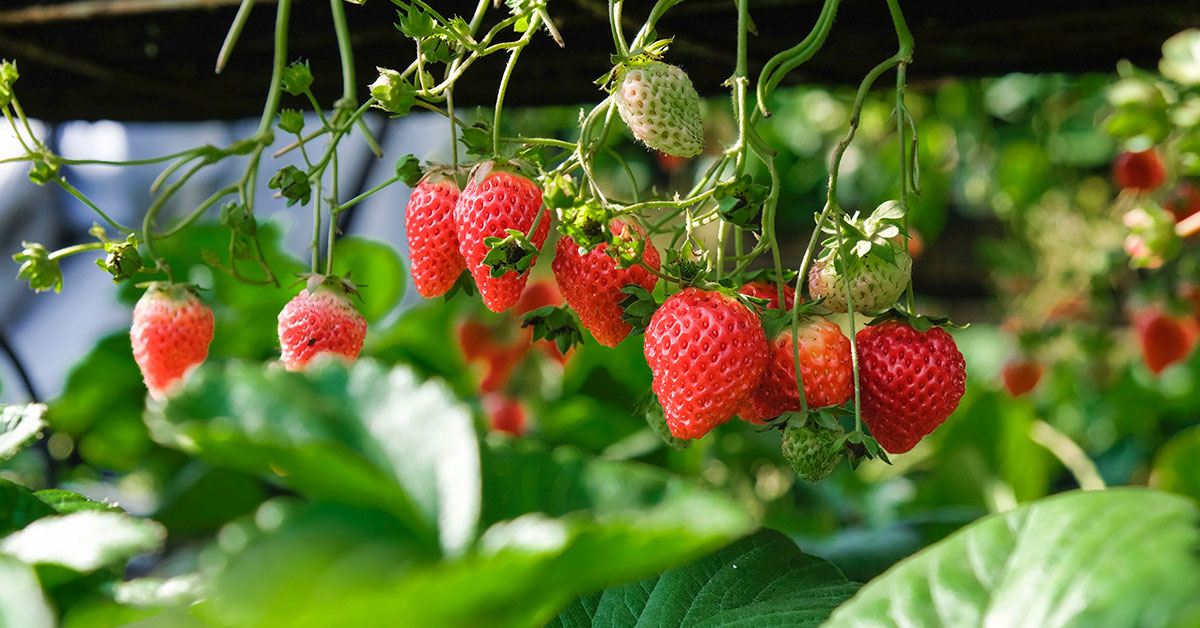

As a devoted gardener who’s experimented with every trick in the book, I know how challenging it can be to coax your strawberry patch into producing that bountiful, juicy harvest. I’ve been there—tired of battling pests, unpredictable weather, and nutrient-poor soil—and discovered that the secret often lies in strategic companion planting! By pairing your strawberries with the right companions, you can not only boost their flavor and yield but also create a dynamic, balanced ecosystem where beneficial insects thrive and pests are kept at bay.
In this guide, I’m excited to share 13 fantastic companion plants that work wonders alongside strawberries. These plants come from diverse native backgrounds and, when managed well, are far from invasive, offering natural pest control, improved pollination, and enhanced soil fertility. Whether you’re a seasoned green thumb or just starting out, these companion choices will help you transform your garden into a lush, productive oasis that’s buzzing with life and flavor!
Calendula

Calendula, commonly known as pot marigold, is a vibrant annual that can work wonders alongside your strawberry plants. Native to the Mediterranean region, Calendula thrives in full sun and well-drained soils, producing bright orange and yellow blooms that not only add a pop of color but also attract a myriad of beneficial insects. I’ve observed that these cheerful blossoms create natural microhabitats where bees and ladybugs gather, providing a supportive “nesting” ground that helps protect strawberries from pesky aphids and other unwanted visitors!
Beyond its ornamental appeal, Calendula is valued for its mild pesticidal properties and ability to improve soil health over time. It’s non-invasive when properly maintained, making it an ideal companion for strawberries that might otherwise be vulnerable to pest attacks. With regular deadheading and a bit of care, Calendula can continuously supply nectar and pollen, ensuring that your garden remains a lively, natural sanctuary for pollinators while giving your strawberries the best chance to flourish!
Garlic
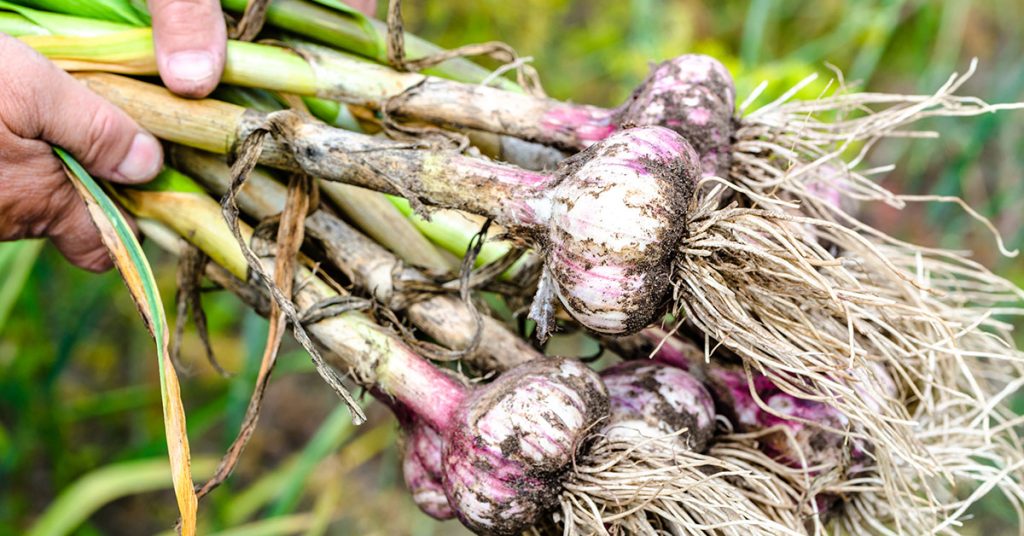
Garlic is not only a culinary superstar but also a remarkable companion plant for strawberries. Native to Central Asia, garlic is celebrated worldwide for its potent aroma and natural pest-repelling qualities. In my garden, I’ve found that interplanting garlic near strawberries helps deter aphids and other insect pests, reducing the need for chemical interventions. Its distinctive smell acts as a natural barrier, disrupting the sensory cues of pests while allowing beneficial insects to nest in the dappled shade created by its long, slender leaves.
Despite its robust growth, garlic is generally non-invasive and easy to manage, making it a reliable addition to any organic garden. When planted alongside strawberries, it creates a synergistic environment that enhances soil fertility and provides a natural defense against common garden nuisances. The result is a harmonious planting arrangement that not only yields flavorful produce but also fosters a healthier, more balanced ecosystem—an absolute win for anyone seeking a huge harvest!
Basil
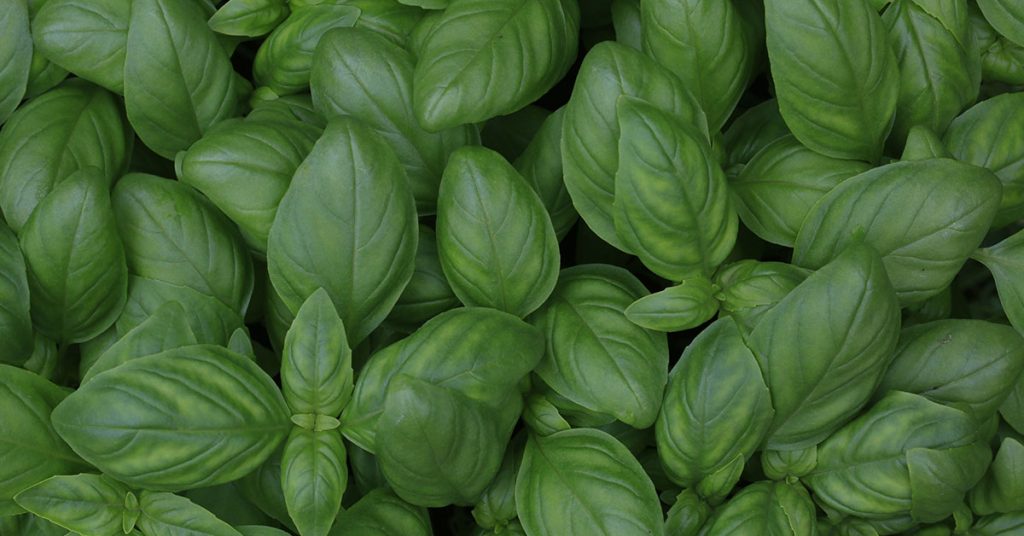
Basil is a delightful companion for strawberries, adding not only culinary magic but also ecological benefits that support robust plant growth. Native to tropical regions of Asia and Africa, basil thrives in warm, sunny conditions and produces aromatic leaves that seem to lure beneficial insects like bees and butterflies. In my own garden, I’ve noticed that the intermingling of basil with strawberries creates a micro-ecosystem where pollinators are naturally drawn to the area, helping to boost the fruit set and overall yield.
What makes basil even more appealing is its reputation for repelling certain pests, such as aphids and whiteflies, which can otherwise damage your strawberry plants. Its low-maintenance growth habit and non-invasive nature mean that basil can be easily integrated into your garden beds without overwhelming your space. Embracing basil not only enhances the flavor of your culinary creations but also contributes to a thriving garden ecosystem—a win-win situation that leaves your strawberries healthier and more productive!
Mint (With Caution)
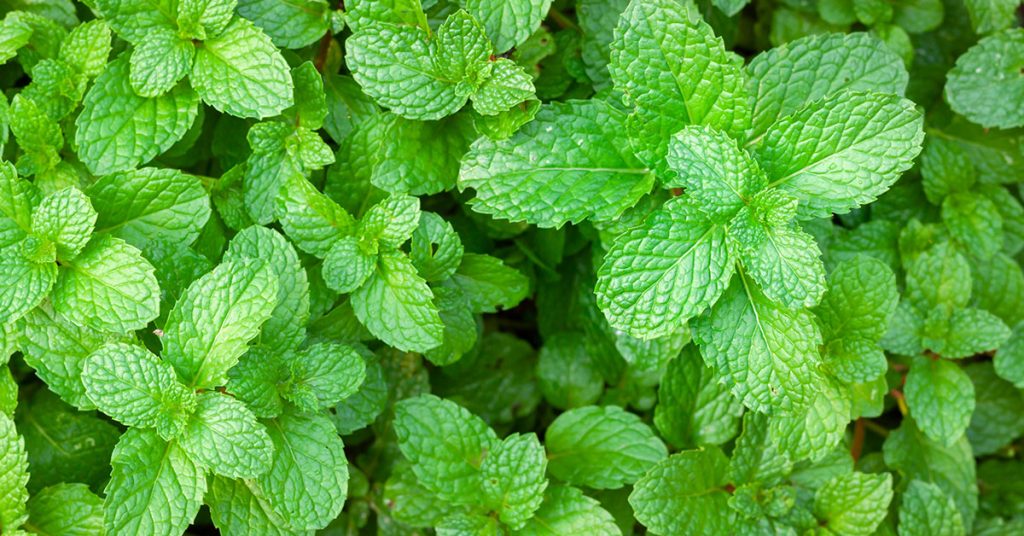
Mint is a refreshing and aromatic herb that can be an excellent companion to strawberries, but it comes with a word of caution. Native to Europe and Asia, mint is well-known for its vigorous growth and delightful fragrance that attracts a variety of pollinators. In my garden, I’ve enjoyed the subtle, cooling effect of mint interspersed with strawberries, as its leaves release a scent that seems to repel some common pests while drawing beneficial insects that help with pollination. Its sprawling habit can create a natural, low-growing ground cover that enhances moisture retention and provides shade for delicate strawberry roots.
However, mint’s aggressive spreading tendencies mean it can quickly become invasive if not contained properly. I always recommend planting mint in containers or using physical barriers to keep its roots from encroaching on your strawberry beds. With careful management, mint can be a fantastic companion that not only adds a burst of refreshing aroma to your garden but also contributes to a healthier, more balanced ecosystem for a huge strawberry harvest!
Chives
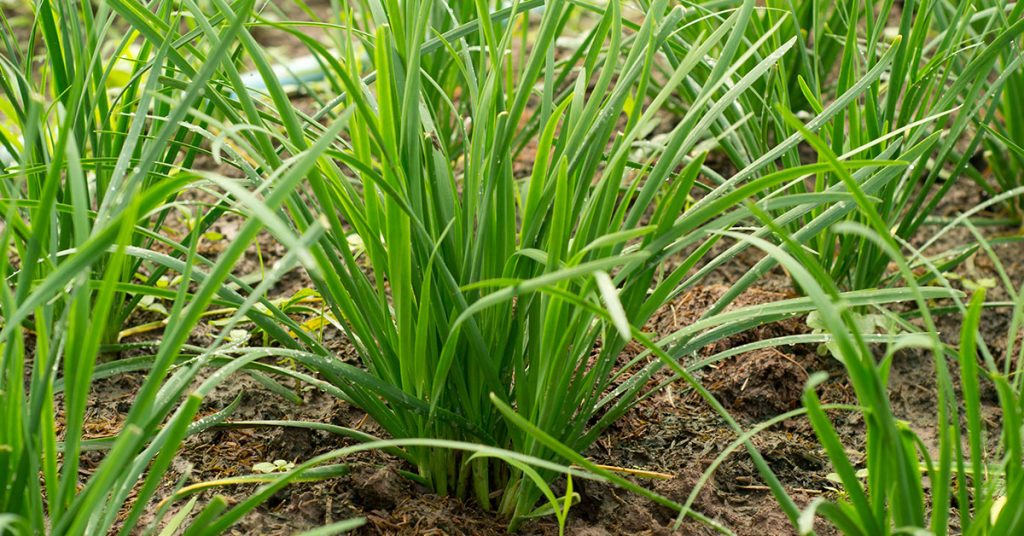
Chives are a versatile and easy-to-grow herb that pairs wonderfully with strawberries, offering both culinary and ecological benefits. Native to Europe and Asia, chives produce slender, tubular flowers that attract bees and other pollinators, creating a natural, buzzing environment that enhances the overall health of your garden. I love how their delicate, purple blooms form natural clusters that serve as mini nesting sites for beneficial insects, ensuring a continuous flow of pollinators to your strawberry patch throughout the season.
Their mild onion-like flavor also makes chives a favorite in the kitchen, adding a subtle zing to salads and garnishes. Chives are non-invasive and low-maintenance, making them perfect for interplanting with strawberries. They help deter certain pests while enhancing the nutrient profile of the soil through their organic matter. By integrating chives into your garden, you create a synergistic planting strategy that supports both robust strawberry growth and a thriving pollinator community!
Borage

Borage is a stunning, star-flowered herb that is often touted as one of the best companions for strawberries. Native to the Mediterranean and parts of Europe, Borage thrives in full sun and well-drained soil, producing beautiful blue, star-shaped blooms that are irresistible to bees. In my garden, I’ve seen how Borage acts as a natural magnet for pollinators, with its abundant nectar not only attracting bees but also encouraging other beneficial insects to set up small, natural nests nearby. Its bushy habit and vibrant flowers provide a striking contrast to the delicate red of ripe strawberries, creating a visually appealing and ecologically balanced display!
Borage is also known to improve the flavor and growth of nearby vegetables, thanks to its ability to accumulate minerals from the soil and release them gradually. It’s generally non-invasive and easy to grow, making it an excellent addition for gardeners who want to maximize their harvest without a lot of extra work. By planting Borage with your strawberries, you set the stage for a mutually beneficial relationship where both plants flourish, and your garden transforms into a buzzing, fruitful oasis!
White Clover

White Clover is a fantastic cover crop and companion plant that can do wonders for your strawberry beds. Native to Europe, White Clover is highly regarded for its nitrogen-fixing capabilities, which naturally enrich the soil and promote vigorous plant growth. I’ve witnessed how interplanting clover with strawberries creates a living mulch that not only suppresses weeds but also provides a soft, inviting surface where beneficial insects and even small ground-nesters can take shelter. Its trifoliate leaves and delicate white blooms add an element of rustic charm to the garden while contributing to soil health!
The natural behavior of White Clover, with its ability to fix atmospheric nitrogen and recycle nutrients, makes it an eco-friendly addition that supports a sustainable garden ecosystem. It’s non-invasive when managed properly, forming a dense mat that harmoniously blends with strawberry plants without overwhelming them. By integrating White Clover into your strawberry patch, you’re not only boosting soil fertility but also creating a dynamic environment where beneficial insects thrive, ultimately leading to a huge, bountiful harvest!
Thyme
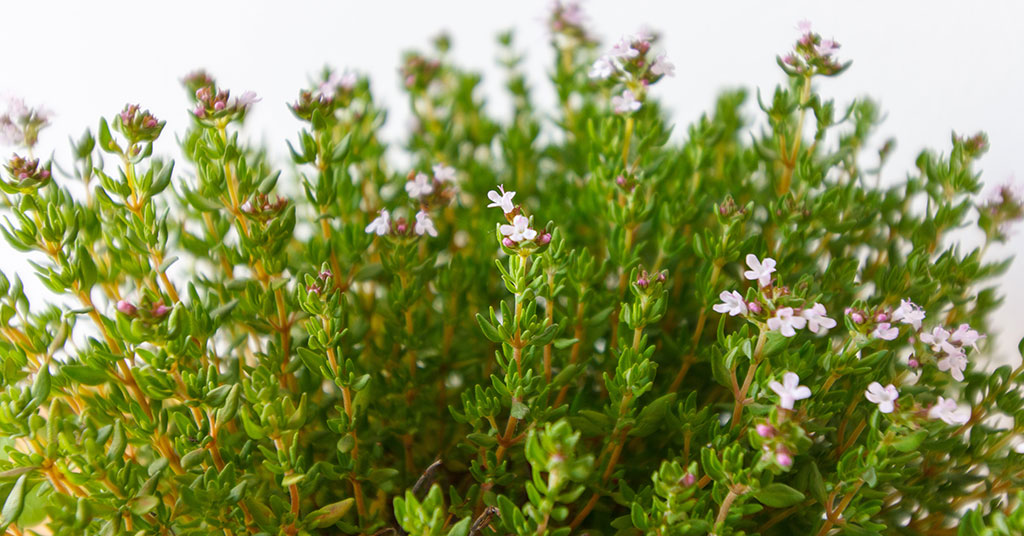
Thyme is a versatile, low-growing herb that can serve as an excellent companion for strawberries, both enhancing flavor and attracting beneficial insects. Native to the Mediterranean region, Thyme thrives in sunny, well-drained areas and forms a dense, aromatic mat that repels pests and attracts pollinators with its tiny, nectar-rich flowers. I’ve always admired how Thyme’s delicate blossoms seem to create miniature landing platforms for bees and other beneficial insects, essentially forming natural nesting sites that support a healthy garden ecosystem.
Its non-invasive growth habit makes Thyme a low-maintenance addition to your strawberry beds, providing both ground cover and an extra burst of flavor in your culinary endeavors. Beyond its culinary uses, Thyme is prized for its antiseptic and medicinal properties, making it a multi-functional herb that benefits your garden in myriad ways. With its charming appearance and practical advantages, Thyme is a stellar companion that boosts both the productivity and resilience of your strawberry harvest!
Marigold
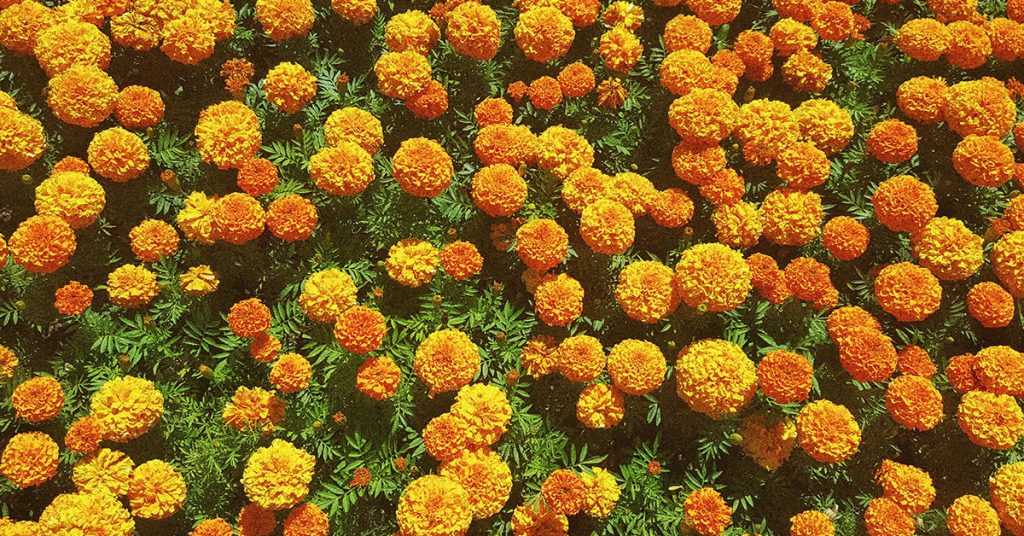
Marigold is a bright, cheerful annual that can work wonders as a companion plant for strawberries, thanks to its pest-repelling properties and its ability to attract beneficial insects. Native to the Americas, Marigold thrives in full sun and is renowned for its vibrant orange and yellow blossoms that not only add a splash of color to your garden but also emit a natural repellent effect on nematodes and other pests. I’m always delighted by the way these cheerful flowers create a protective barrier around my strawberry patch, acting as a natural shield that keeps unwanted invaders at bay while inviting helpful pollinators to visit!
In addition to its pest-repelling capabilities, Marigold’s dense, bushy growth habit can help improve soil structure and moisture retention around your strawberries. It’s non-invasive and relatively low-maintenance, making it an excellent choice for gardeners seeking a natural way to boost both plant health and yield. By integrating Marigold into your planting scheme, you create a lively, colorful environment that enhances the overall productivity of your garden and sets the stage for a huge, bountiful strawberry harvest!
Nasturtium

Nasturtium is a versatile and attractive annual that serves as a perfect companion for strawberries by repelling pests and attracting beneficial insects. Native to South America, Nasturtium boasts vibrant, edible flowers in shades of red, orange, and yellow that add a unique pop of color to your garden. I love how its trailing vines create a natural, cascading effect around strawberry plants, acting like living ground cover that attracts pollinators and even deters aphids and whiteflies with its spicy scent. Its broad, round leaves provide excellent shade and microhabitats where small insects can thrive and nest!
Nasturtium is non-invasive and incredibly easy to grow, making it an ideal choice for gardeners who want to enhance their strawberry patch without a lot of extra fuss. Its dual role as both an ornamental and a functional plant means that every bloom not only beautifies your garden but also contributes to natural pest control. With Nasturtium by your side, you’re setting up a dynamic, interconnected ecosystem that paves the way for a huge, fruitful strawberry harvest!
Yarrow
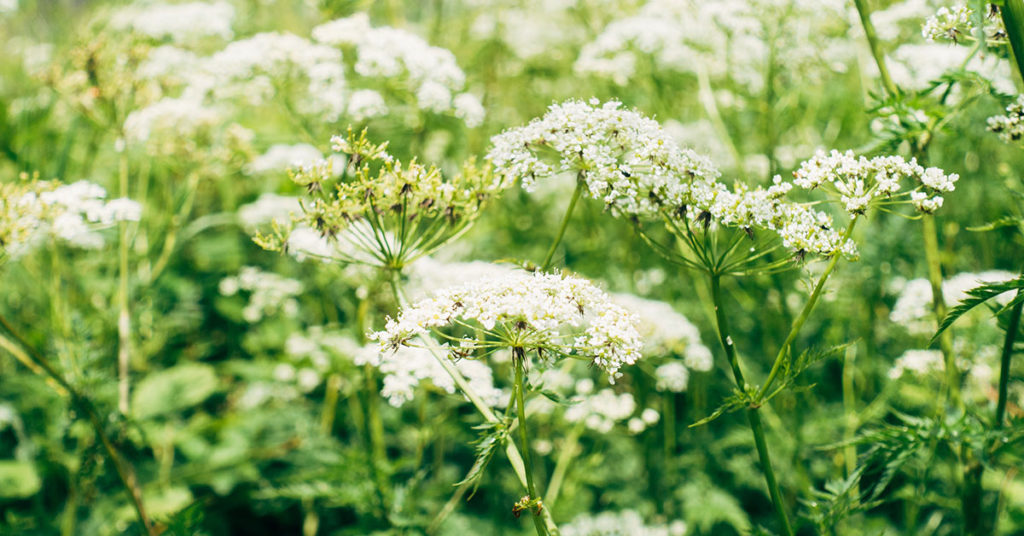
Yarrow is a hardy perennial that can be a valuable companion plant for strawberries, celebrated for its ability to attract a diverse range of beneficial insects. Native to temperate regions of the Northern Hemisphere, Yarrow produces clusters of small, delicate flowers in hues of yellow, pink, or white that create natural landing pads for bees and predatory insects. I’ve always been fascinated by how Yarrow’s feathery foliage and abundant blooms form tiny, natural nests that invite pollinators to forage, helping to enhance the productivity and resilience of nearby strawberry plants!
Despite its wild, natural appearance, Yarrow is generally non-invasive and very easy to care for, making it an excellent choice for gardeners who want to boost the ecological balance in their yard. Its deep-rooted system helps improve soil structure and moisture retention, which indirectly benefits the growth of strawberries. With its impressive natural behavior and significant ecological contributions, Yarrow is a wonderful companion that can help you achieve a huge harvest by ensuring your garden is teeming with life and beneficial insects!
Oregano

Oregano is a robust and aromatic herb that not only elevates your culinary creations but also serves as an excellent companion for strawberries. Native to the Mediterranean region, Oregano thrives in hot, sunny conditions and well-drained soils, producing clusters of small, fragrant flowers that attract bees and other beneficial pollinators. I’m always impressed by how its sprawling, ground-covering habit creates a protective mat around your strawberries, effectively reducing weed competition and preserving soil moisture while inviting natural insect activity!
While Oregano is non-invasive and easy to manage, its vigorous growth means that regular pruning is necessary to keep it in check. The natural behavior of Oregano—its ability to form dense clumps and attract pollinators—helps create a microenvironment that supports the growth of strawberries by boosting pollination and nutrient cycling in the soil. With its aromatic foliage and practical benefits, Oregano is a must-have companion that not only enhances your garden’s flavor profile but also contributes to a larger, more abundant harvest of strawberries!
Sweet Alyssum
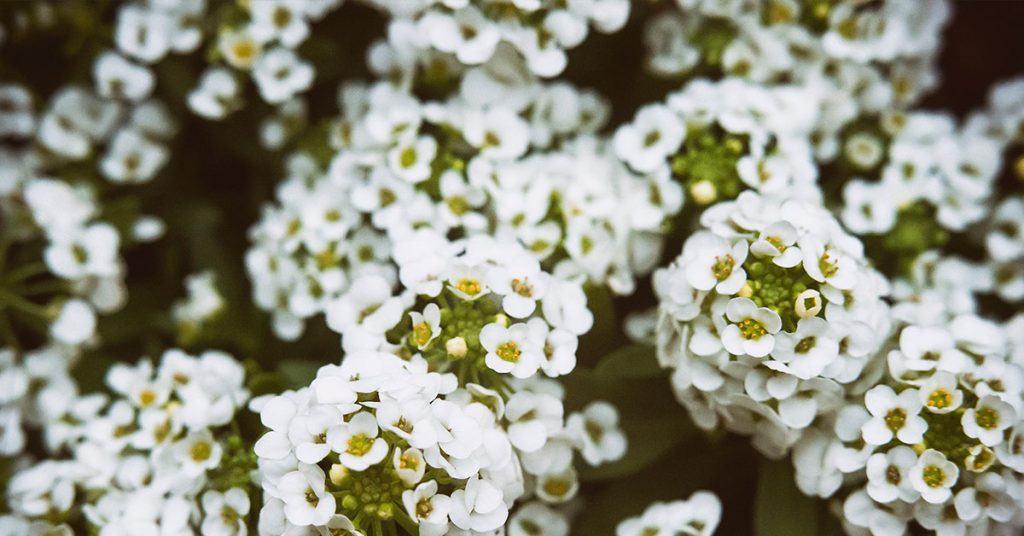
Sweet Alyssum is a charming annual ground cover that works beautifully as a companion for strawberries by attracting beneficial insects and creating a lush, interconnected garden carpet. Native to Eurasia and widely adapted across temperate regions, Sweet Alyssum produces tiny, fragrant white or purple flowers that exude a sweet aroma, luring bees, hoverflies, and other pollinators into your garden. I love watching how its delicate blossoms form natural clusters that serve as miniature nesting spots for beneficial insects, all while filling the garden with an enchanting, subtle fragrance that brightens the space!
Despite its gentle appearance, Sweet Alyssum is a vigorous grower that spreads readily without being invasive, making it an ideal ground cover for reducing weed pressure and retaining soil moisture. Its constant blooming and low maintenance requirements ensure that your strawberry patch is surrounded by a steady supply of nectar and pollen, supporting a healthy, thriving ecosystem. By planting Sweet Alyssum alongside your strawberries, you’re setting the stage for a harmonious, productive garden that promises a huge, bountiful harvest and a burst of natural beauty!