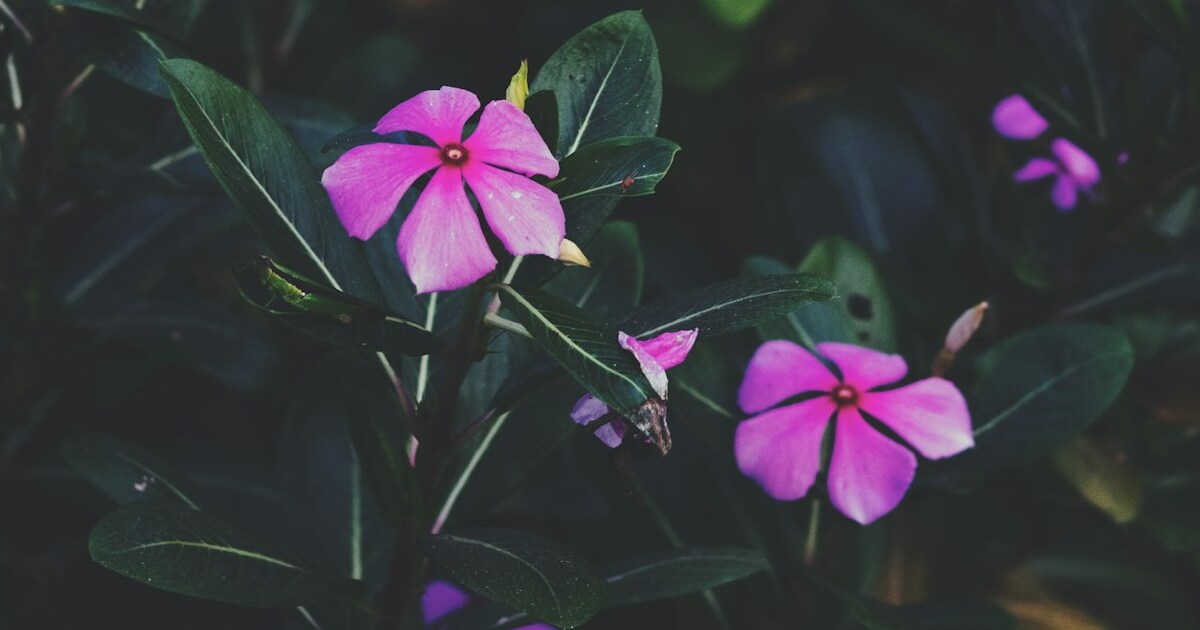

I’m so excited you’re looking to dress up those bare-looking tree bases with lush, living carpets! It’s such a bummer when exposed roots and soil make your beautiful trees look unfinished, or worse, invite erosion and weeds. I know how frustrating it is to find the right plants that can handle the shade, roots, and occasional foot traffic. These twelve groundcovers are my go‑to picks—they’ll hug your trunks, suppress weeds, and add layers of texture to your garden.
Many of these species come from temperate woodlands in Europe, Asia, and North America, where they’ve evolved to thrive under tree canopies without becoming invasive. Each one offers unique foliage, seasonal flowers, and even habitat perks for beneficial insects and small creatures. Let’s dive into these shade‑loving heroes and give your trees the stylish understory they deserve!
Sweet Woodruff (Galium odoratum)
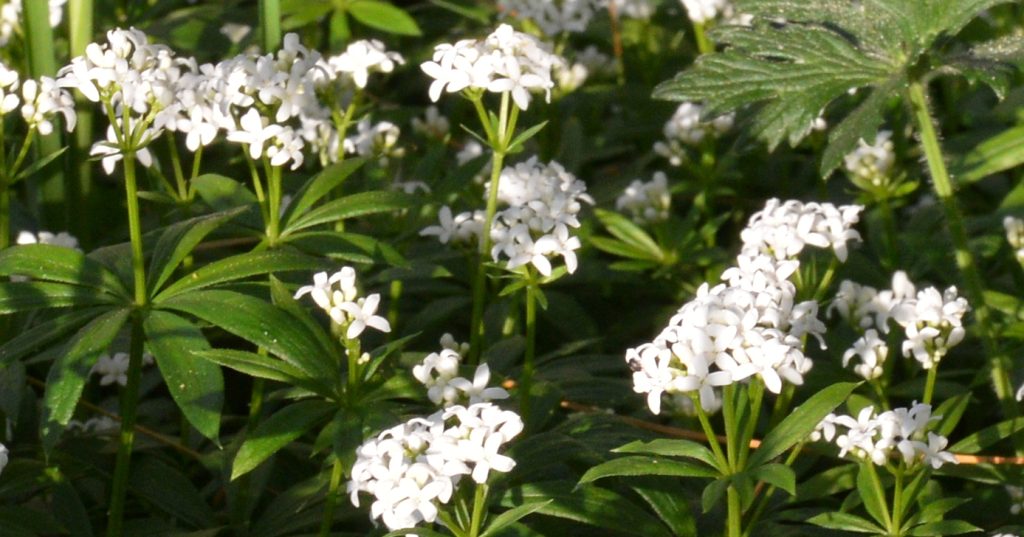
Native to the cool woodlands of Europe, sweet woodruff forms a fragrant carpet of whorled leaves and delicate white blooms in spring. It spreads by creeping rhizomes but rarely escapes well‑tended beds. Its tiny flowers are magnets for hoverflies and ground‑nesting solitary bees, which in turn help pollinate other garden plants!
One of my favorite parts of sweet woodruff is its early bloom, which fills shady areas under trees with a soft cloud of white. As the season warms, the foliage remains evergreen in mild climates, offering a tidy, low‑mowing groundcover that celebrates your tree trunks with constant green presence.
Periwinkle (Vinca minor)
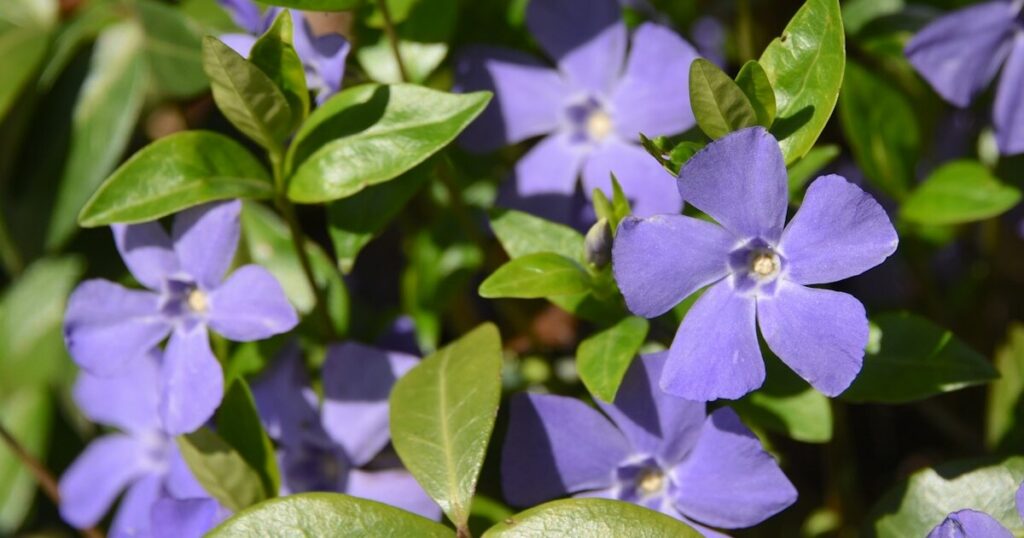
Periwinkle hails from the woodlands of southern Europe, sporting glossy, evergreen leaves and charming violet‑blue blooms from spring into summer. While it can naturalize if unchecked, it seldom becomes invasive when you keep an eye on its runners. The flowers attract bumblebees and hoverflies, and it provides winter shelter for ground beetles!
I love how quickly periwinkle fills gaps, creating a lush mat beneath maples or oaks. Its ability to thrive in deep shade—even under dense canopies—means you’ll have year‑round coverage that keeps soil moist and erosion at bay, all while complementing the trunk’s textured bark.
Barrenwort (Epimedium × versicolor)
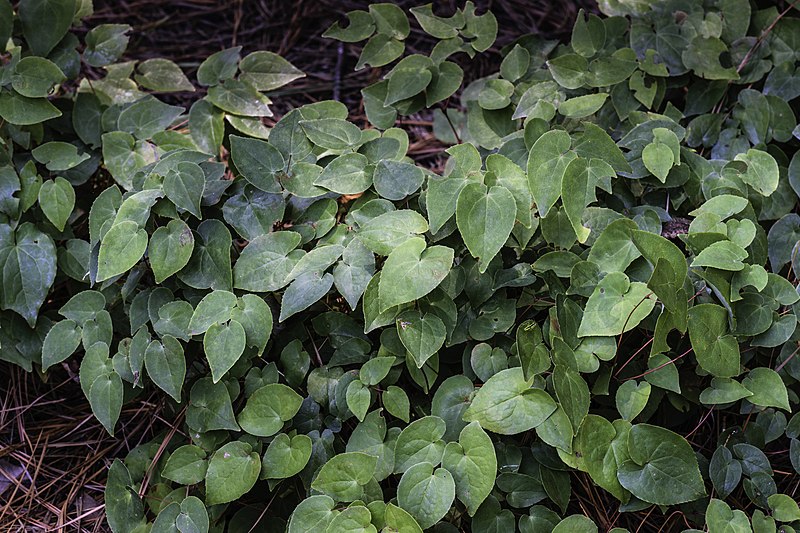
Epimedium, a hybrid of Asian species, is prized for its delicate, heart‑shaped leaves that emerge with a bronze tint and mature to rich green. It’s well‑behaved, spreading slowly via rhizomes but rarely becoming invasive. In spring, its nodding, spidery flowers attract tiny native bees that nest in leaf litter!
Planting barrenwort around tree trunks lends an elegant, arching form that never competes aggressively with roots. I’m always delighted to see those whimsical flowers floating above the foliage—it feels like gifting your tree a fairy‑light display at ground level!
Creeping Jenny (Lysimachia nummularia)
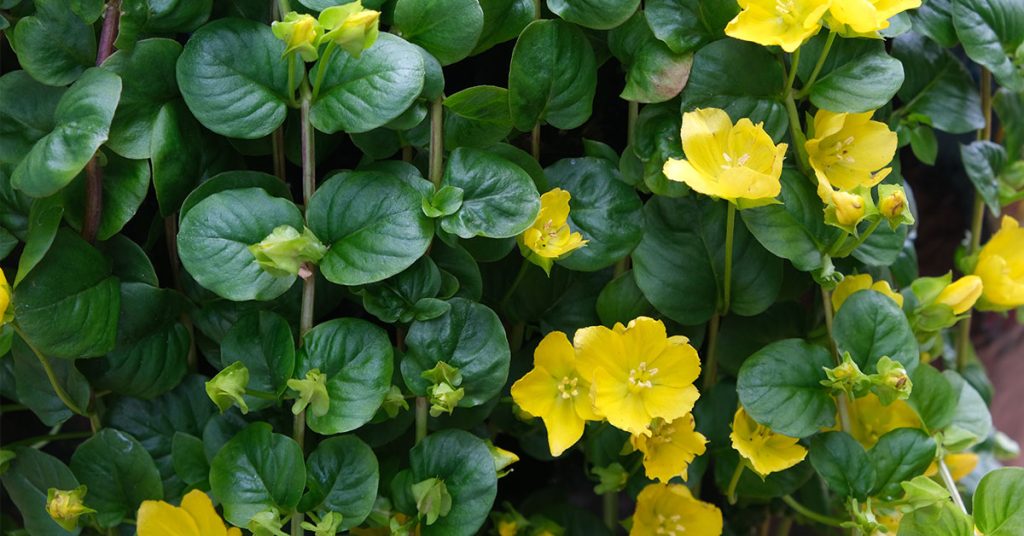
Originating in Europe, creeping jenny offers round, golden leaves that brighten shady spots and pale yellow blooms in summer. It can spread vigorously via stolons, so I reserve it for contained beds or edge plantings to prevent unwanted roaming. Its small flowers draw hoverflies and solitary wasps, which often nest in the cool soil beneath your tree!
I appreciate creeping jenny’s cheerful foliage—it contrasts beautifully with darker bark and evergreen groundcovers. Just keep it corralled, and you’ll enjoy its rapid coverage and tiny, saucer‑like blooms that lift the understory with sunshine tones.
Bugleweed (Ajuga reptans)
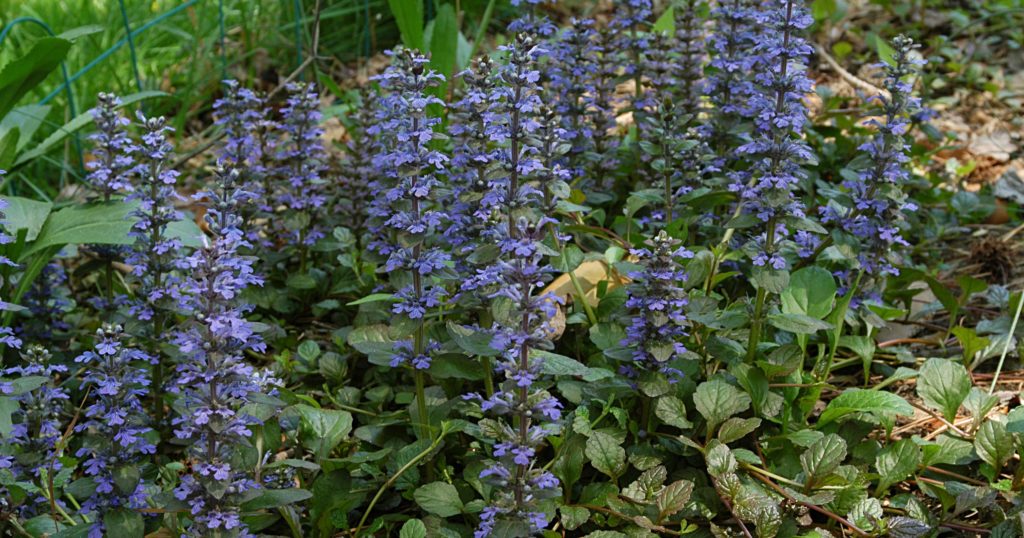
Ajuga, native to Europe, forms a dense mat of glossy, bronze‑tinged leaves and spikes of blue flowers in spring. It’s moderately spreading but rarely invasive in garden settings. The flowers are a favorite of bumblebees and honeybees, and the foliage provides overwintering shelter for beneficial ground beetles!
Watching ajuga colonize the base of a shaded tree is one of my favorite late‑spring shows—the blue spikes rise elegantly above the leaves, adding vertical interest at ground level. Plus, its tolerance for moist soils means it thrives under trees where water may collect.
Strawberry Saxifrage (Saxifraga stolonifera)
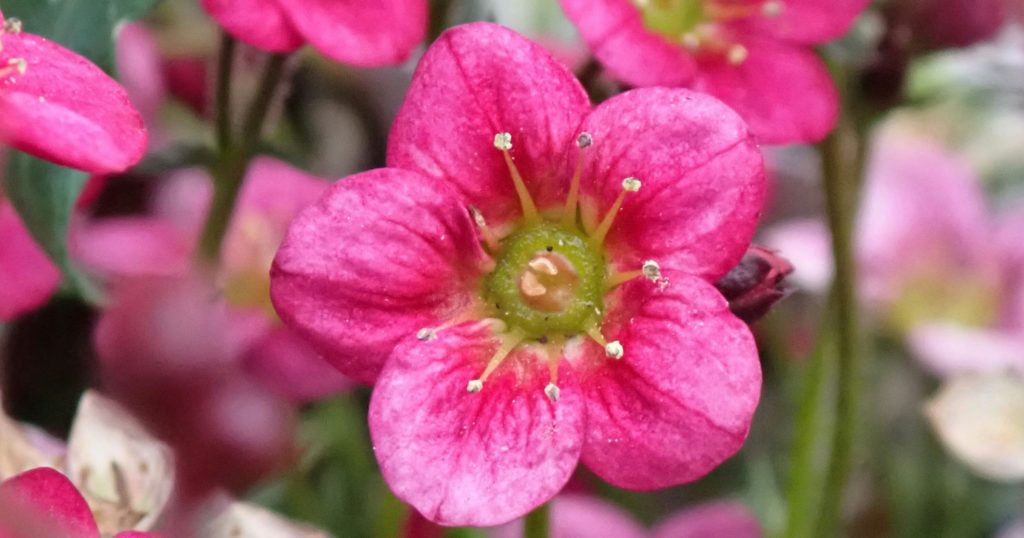
Hailing from Asian forest floors, strawberry saxifrage offers round, silver‑veined leaves and sprays of white flowers on wiry stems in late spring. It spreads by slender stolons but rarely overtakes other plants. Its blooms attract small hoverflies, whose larvae prey on aphids hiding in bark crevices!
I love that we get both decorative foliage and airy flower clusters that float above the groundcover. Under a shady canopy, strawberry saxifrage creates a soft, silvery carpet that contrasts delightfully with rough trunk textures.
Creeping Thyme (Thymus serpyllum)

Though native to sunny meadows of Europe, creeping thyme adapts surprisingly well to light shade around tree bases. Its aromatic, tiny leaves and pink‑lavender blooms in summer are irresistible to solitary and honeybees, many of which nest in bare soil patches at the trunk’s edge!
I often tuck creeping thyme into pockets where sunlight filters through branches. The fragrance underfoot is sublime, and the flowers bring a buzzing orchestra around the tree. It’s like having a pollinator haven right at your doorstep.
Yellow Archangel (Lamium galeobdolon)
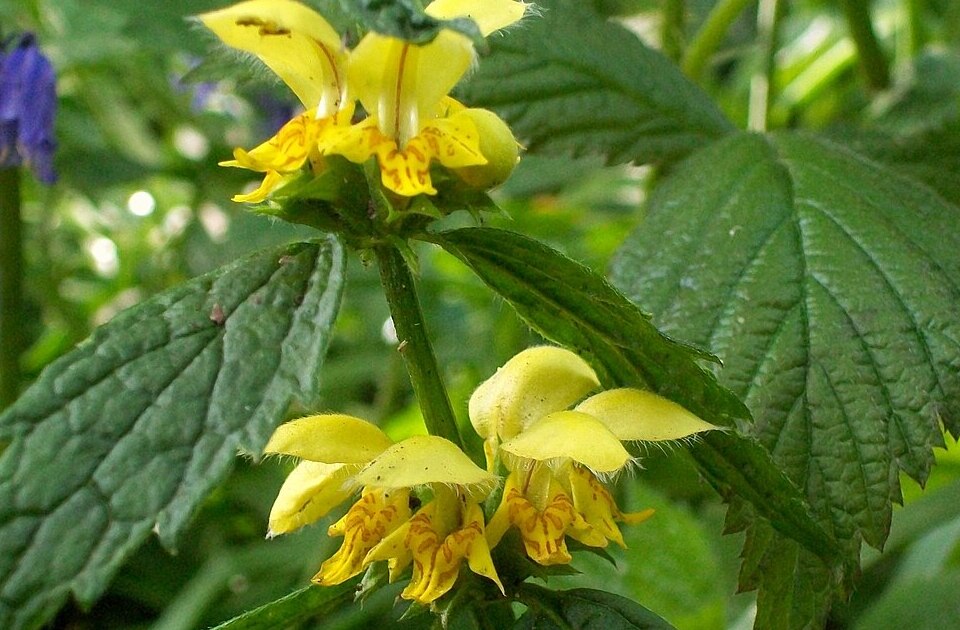
Yellow archangel, native to Europe, displays variegated leaves and bright yellow hooded flowers in spring. While it can naturalize, it generally stays confined in mulch‑rich beds. Its early blooms are a vital nectar source for queen bumblebees emerging in spring and seeking nesting sites nearby!
I appreciate how lamium brightens dark understories with its silvery foliage patches. When those yellow flowers appear, it feels like a spotlight unveiling the hidden world beneath the trees, making your trunks look even more majestic.
Japanese Spurge (Pachysandra terminalis)

Pachysandra comes from the woodlands of Japan and Taiwan, forming a dense carpet of glossy evergreen leaves. It spreads slowly via underground stems and stays well‑behaved in shaded beds. Its tiny white flower panicles in spring attract small bees that nest in leaf mold!
I love the neat, uniform texture pachysandra brings. Under maples or beeches, it suppresses weeds effortlessly and provides constant green interest. Its resilience makes it a trusted ally when we want low‑maintenance groundcover.
Mondo Grass (Ophiopogon japonicus)
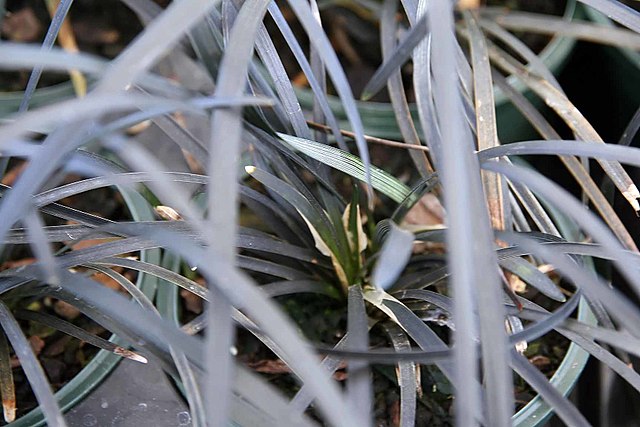
Also from East Asia, mondo grass offers clumps of slender, dark green leaves that remain evergreen in mild climates. It spreads by rhizomes but seldom becomes invasive. Its summer flowers and black berries attract small bees and ground‑nesting wasps that find shelter among the blades!
Planting mondo grass at the base of a tree adds a grassy, architectural element that contrasts with rough bark. I find its velvet‑like texture a soothing complement to surrounding perennials, making the tree’s trunk pop visually.
Wild Strawberry (Fragaria vesca)
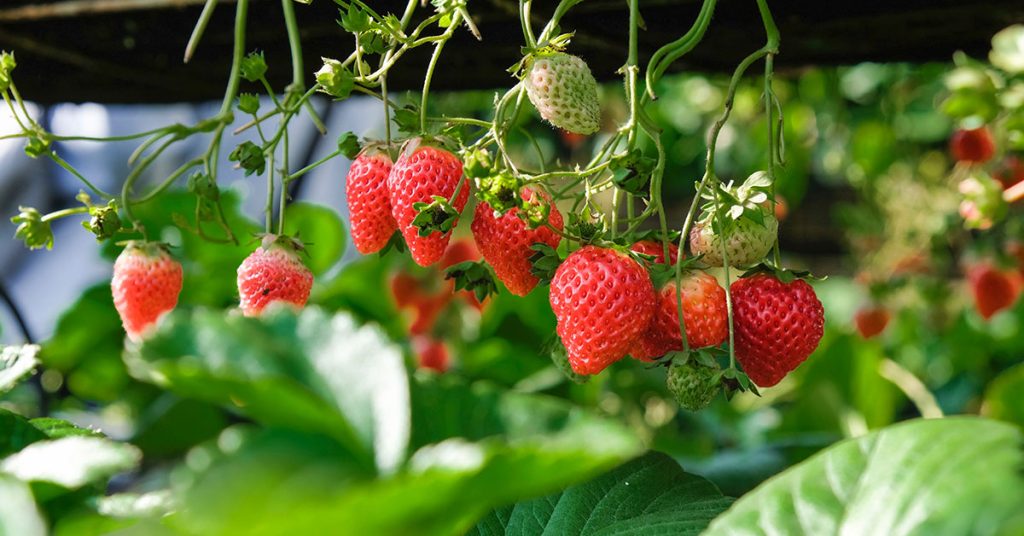
Native across temperate regions of Europe, Asia, and North America, wild strawberry creates a charming groundcover with trifoliate leaves, white spring flowers, and tasty red fruits. It spreads by runners but rarely overtakes beds. The blossoms attract a host of native bees and hoverflies that nest nearby!
Harvesting those tiny, flavorful strawberries under a shady tree is one of life’s simple pleasures. I love the interplay of sweet fruit, textured leaves, and dappled light filtering through branches—a true woodland vignette in your garden.
Creeping Phlox (Phlox subulata)

Creeping phlox originates from the eastern United States, carpeting ground with needle‑like leaves and masses of pink, purple, or white flowers in spring. It remains in bounds if planted on well‑drained soil. Early blooms draw springs bees and butterflies, which often nest in dry, sandy patches at tree bases!
I’m always thrilled by the vibrant spring carpet phlox creates—it feels like a floral halo around the trunk. Even as summer approaches, its evergreen foliage holds strong, ensuring that under‑tree area never looks neglected.