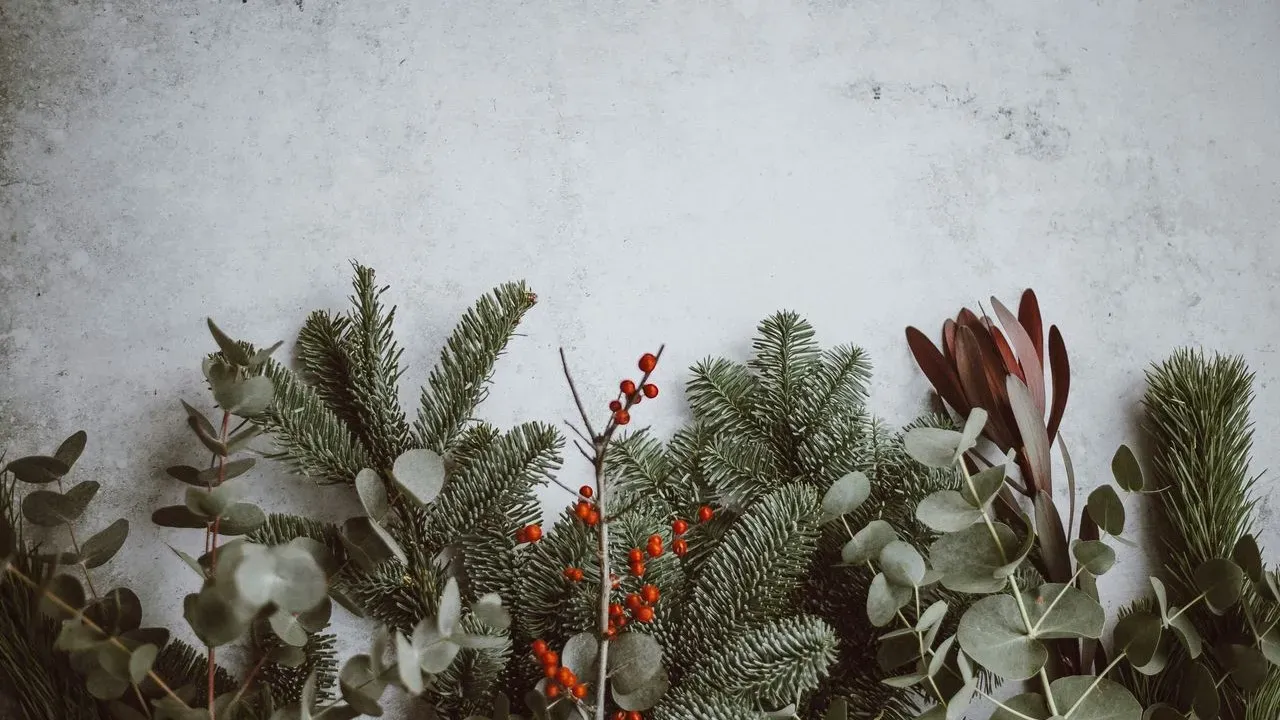

Early November marks the practical window for homeowners to secure poinsettias and amaryllis if they want reliable color by December. These plants require several weeks of consistent conditions to reach their peak display, and waiting until later in the month often leaves little margin for adjustment. The seasonal demand also means popular varieties move quickly from garden centers. ([1])
Why These Two Stand Out
Poinsettias deliver the classic red and green palette that defines many holiday arrangements. Their bracts provide weeks of visual impact with minimal daily effort once established. Amaryllis, by contrast, produces tall, dramatic stalks topped with large, trumpet-shaped flowers that can last well into the new year. Together they cover both traditional table displays and taller focal points in living spaces. Homeowners who select both gain flexibility in scale and color. Poinsettias suit mantels and entry tables, while amaryllis works well in corners or grouped with evergreens. The combination reduces the need for additional cut flowers during peak entertaining weeks.
Timing and Availability
Garden centers typically stock the strongest plants in early November. Buying then allows time to acclimate the plants to indoor conditions before the holiday rush begins. Later purchases risk stock limited to stressed or over-handled specimens that may drop leaves or fail to open fully. The window also aligns with cooler outdoor temperatures in many regions, which helps during transport home. Once inside, the plants benefit from stable warmth away from drafts and direct heat sources. Planning purchases now avoids last-minute substitutions that rarely match the intended look.
Practical Care Steps
Place both plants in bright, indirect light for the best color retention. Water only when the top inch of soil feels dry, and empty saucers promptly to prevent root issues. Amaryllis bulbs appreciate a slightly drier rest period after blooming, while poinsettias continue to need steady moisture. Rotate pots weekly so growth stays even. Avoid sudden temperature swings from open doors or heating vents. These routines keep the plants looking fresh through family gatherings and into January without constant intervention.
Longer-Term Payoff
With basic attention, the same plants can return for future seasons. Amaryllis bulbs store easily after foliage dies back and often rebloom with minimal coaxing. Poinsettias can be kept and encouraged to color again the following year, though many gardeners treat them as seasonal accents and replace them annually. The early investment in healthy specimens therefore supports both immediate decoration and future savings. Homeowners who act in the coming weeks secure the strongest start for displays that feel intentional rather than rushed.
AI Disclaimer: This article was created with the assistance of AI tools and reviewed by a human editor.