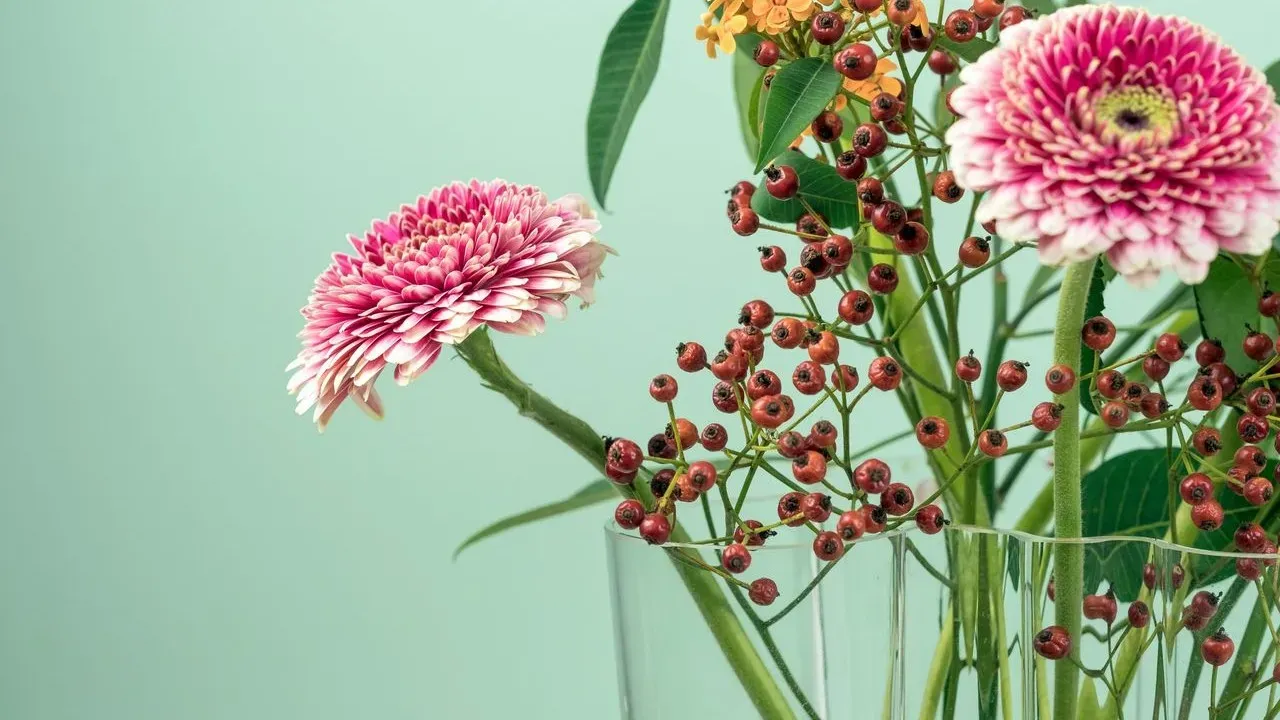

Many gardeners assume spring is the only season for starting new plants. Yet the window in late fall often proves more effective for certain flowers that need time to settle before warmer weather arrives. This approach challenges the common view that planting must wait until after winter ends. November planting allows roots to develop during cooler months when competition from weeds and pests is lower. The practice takes advantage of natural moisture and gives plants a head start once temperatures rise.
Why Timing Matters Now
Gardeners across many regions face shortening days and cooling soil. Acting before the ground freezes hard gives bulbs and perennials the cold period many require to bloom properly later. Delaying until spring can mean missing this natural cycle and weaker results overall. The shift in seasons also reduces transplant shock for many varieties. Roots establish quietly underground while the garden appears dormant above. This quiet work pays off with earlier and more reliable color when spring finally arrives.
Correcting the Spring-Only Myth
The idea that all planting happens in spring overlooks how many flowers benefit from fall starts. Plants placed now often develop stronger root systems than those rushed into warming ground. They draw on stored energy built during winter dormancy. This method suits home gardeners who want to spread work across the year rather than face a rush in one season. It also aligns with natural rainfall patterns in many areas, cutting down on extra watering needs early on.
Practical Steps for Success
Choose sites with good drainage to prevent rot during wet winter months. Prepare soil by removing debris and loosening the top layer so new roots can penetrate easily. Plant at the recommended depth for each type and water thoroughly after placement. A light mulch layer helps moderate temperature swings without smothering the plants. Monitor for any late-season pests that might still be active.
Longer-Term Garden Payoff
Gardens started this way tend to show more consistent performance year after year. Established plants require less intervention once growth resumes. The result is a more resilient display that withstands variable spring weather better than newer plantings. This approach rewards patience with blooms that appear on schedule and last longer. It turns the quiet months into productive preparation rather than downtime. The payoff comes when the first flowers open, confirming that the November effort was well placed.
AI Disclaimer: This article was created with the assistance of AI tools and reviewed by a human editor.