
Gardening can be a delightful escape from the hustle and bustle of daily life, especially when you have vegetables that practically take care of themselves! Over the years, I’ve discovered a treasure trove of resilient vegetables that flourish even when you’re not constantly fussing over them. I understand how overwhelming it can be when pests invade or when the weather just won’t cooperate—yet these self-sufficient plants prove that sometimes you can plant and simply forget, only to be rewarded with a bountiful harvest!
I know what it feels like to juggle a busy schedule and still dream of a thriving garden. That’s why I’m excited to share 20 vegetables that are not only low-maintenance but also come with fascinating natural behaviors and histories. Each of these vegetables has its own origin story, from native habitats across the globe to remarkable adaptations that allow them to grow with minimal care. So, let’s embark on this journey together and celebrate the joy of a garden that thrives even when neglected!
Zucchini
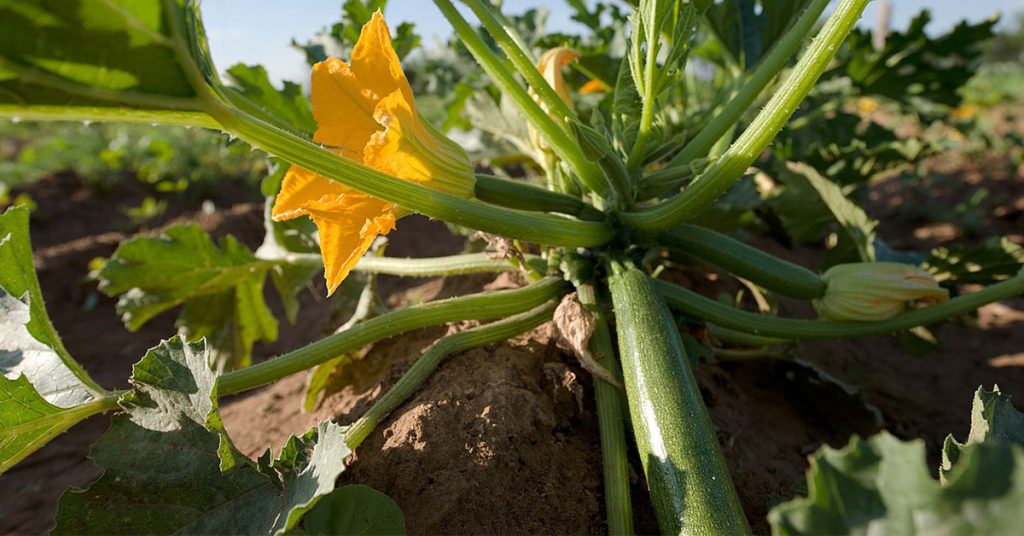
Zucchini, a summer squash native to Central America, is a superstar in the low-maintenance garden! Its sprawling vines and vibrant green fruits are proof that nature can be generous even with minimal attention. I’ve seen zucchini plants establish themselves so confidently that their sprawling foliage almost creates natural nests, inviting beneficial insects to lend a hand in pollination. Its prolific nature means that even if you forget to tend to it regularly, it will still reward you with an impressive yield.
This vegetable’s robust character is partly due to its origins in warm, temperate regions where it learned to make the most of scarce resources. Although zucchini can self-seed and spread if left unchecked, it rarely becomes invasive when managed properly. I’m always thrilled to see how a patch of neglected zucchini transforms into a miniature jungle that provides both culinary delights and a touch of wild charm to your garden!
Garlic
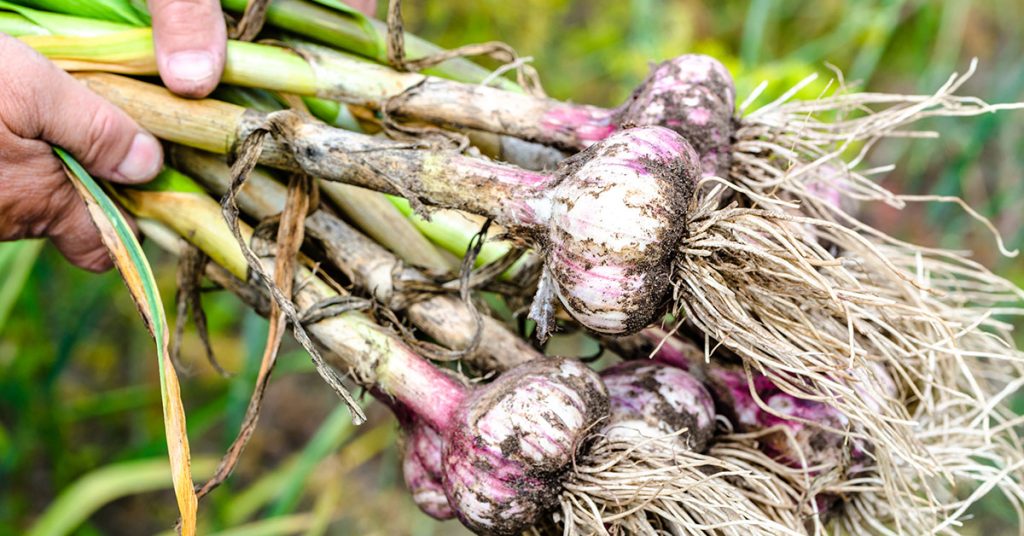
Garlic, with its rich history and robust flavor, has been a staple in gardens across the globe since ancient times. Native to Central Asia, this resilient bulb thrives even under less-than-ideal conditions and is famed for its ability to fend off pests naturally. I find it fascinating how garlic, once planted, quietly settles into the soil, its cloves almost like little nests that promise a burst of flavor come harvest time!
In my experience, garlic is the unsung hero of any neglected garden, flourishing with minimal intervention while simultaneously repelling common garden nuisances. Although it has the potential to spread, it remains well-contained and far from invasive when planted in a designated bed. Every time I harvest garlic, I’m reminded of its timeless nature and the simple, rustic charm it brings to both my kitchen and my garden!
Okra

Okra, a vegetable with origins in Africa and widely embraced in South Asia, is a true champion for those who prefer a “plant and forget” approach. Its tall, sturdy stalks and luscious seed pods seem to thrive on neglect, often forming clusters that resemble natural shelters for small critters and beneficial insects alike! The plant’s ability to flourish in hot, dry conditions makes it an ideal candidate for gardeners who sometimes miss a watering or two.
I’m continually amazed by how okra manages to produce abundant, edible pods with barely any intervention. Native to regions with challenging climates, it’s evolved to store moisture and nutrients in ways that encourage rapid, successive harvests. While it can self-sow under optimal conditions, okra rarely becomes invasive, ensuring that its spirited display remains a controlled yet delightful addition to your vegetable garden!
Tomatoes

Tomatoes, originally native to the western regions of South America, have become a beloved vegetable (or fruit, depending on who you ask!) around the world. Their sprawling vines and bright, juicy fruits create an inviting, almost nest-like display that attracts pollinators and even a few adventurous garden birds. In my own garden, tomatoes have proven to be forgiving even when my care is less than meticulous—truly a gardener’s best friend!
Despite their reputation for needing constant attention, many tomato varieties are surprisingly resilient. Their natural origins in sun-drenched, semi-arid regions have endowed them with the ability to thrive on limited water and care. While some cultivars may be prone to self-sowing, they generally remain non-invasive and manageable with simple pruning. It’s always a pleasure to see the bountiful red clusters that emerge as a reward for minimal, yet thoughtful, care!
Carrots

Carrots, with their humble beginnings in Central Asia, are a testament to nature’s ability to produce edible treasures with minimal fuss. Their slender, vibrant roots develop deep in the soil, almost like hidden nests that accumulate moisture and nutrients with ease. I’ve always been impressed by how these root vegetables persist even when my attention drifts elsewhere, delivering crunchy, flavorful results at harvest time!
Their native origins in temperate climates mean that carrots are well-adapted to a variety of soil conditions, though they do appreciate a loose, well-drained bed to flourish. Despite the occasional self-sowing in ideal conditions, carrots are generally non-invasive and remain confined to their designated plot. Every time I pull a fresh carrot from the earth, I’m reminded of the plant’s resilience and the understated joy of a garden that rewards you even when you plant and forget!
Bell Peppers
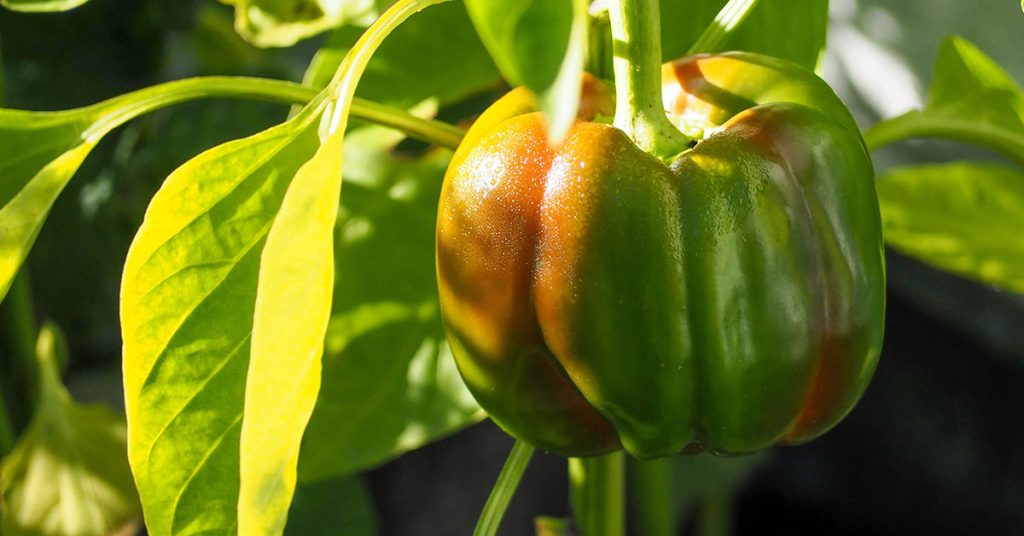
Bell Peppers, native to Central and South America, bring a burst of color and a subtle crunch to the neglected garden. Their glossy, vibrant fruits hang like ornaments from bushy plants, and I’ve noticed that even a bit of spontaneous neglect doesn’t hinder their ability to attract pollinators and beneficial insects. The natural clustering of their fruits creates an almost nest-like display that adds a festive flair to any garden corner!
I’ve found that bell peppers are remarkably forgiving when it comes to irregular care, thriving in warm climates with a bit of extra sun and minimal watering. Although they can sometimes self-sow, they generally do not become invasive, ensuring that their lively presence remains an asset rather than a burden. Their native heritage in tropical regions shines through in their robust growth, making them a joyful and practical choice for any busy gardener!
Cucumbers
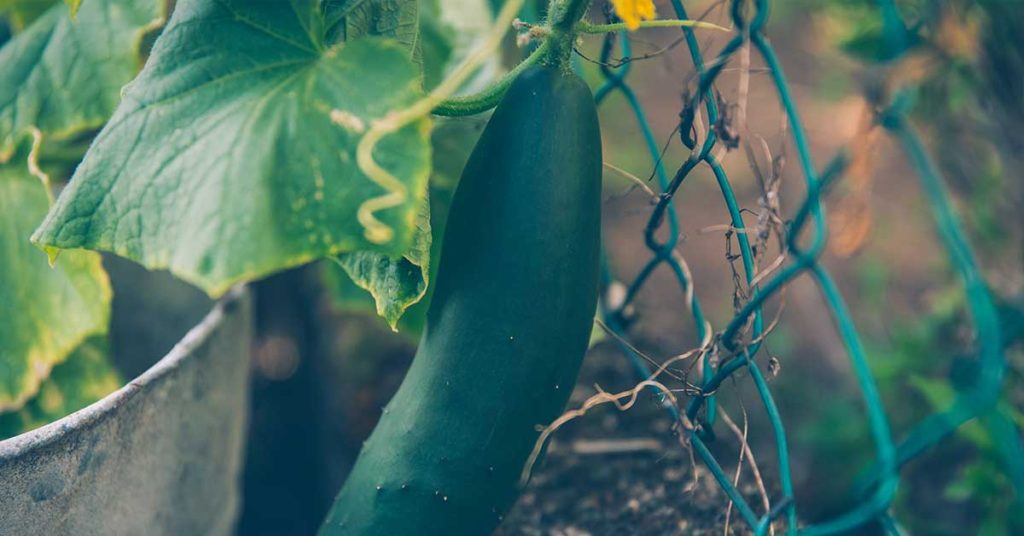
Cucumbers, with their origins in South Asia, have a knack for growing abundantly with little intervention. Their sprawling vines and crisp, refreshing fruits seem to weave together in a natural, nest-like pattern that attracts bees and other pollinators with delight! I’ve always admired how a cucumber plant can take on a life of its own, flourishing even on days when I’m too busy to tend to every little detail.
These versatile plants are known for their ability to adapt to various soil conditions, thanks to their evolutionary background in warm, humid climates. While cucumbers may occasionally self-seed and spread, they typically remain non-invasive when properly supported with trellises or natural barriers. Every time I see a cascade of cucumber tendrils winding their way through my garden, I’m reminded that sometimes, the simplest approach to gardening yields the most refreshing rewards!
Eggplant
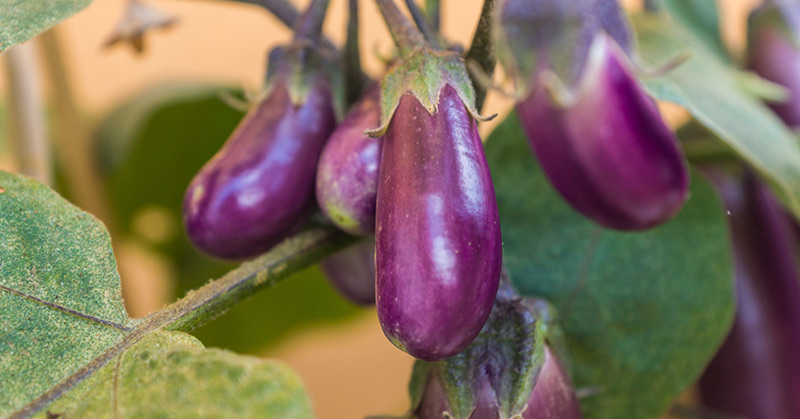
Eggplant, originally hailing from India and Southeast Asia, offers a rich, exotic flair to any vegetable garden that’s willing to embrace a “plant and forget” philosophy. Its glossy, deep purple fruits dangle like treasures from robust, leafy stems that seem to form natural canopies or nests, sheltering the plant’s core growth centers! I’m continually impressed by eggplant’s ability to thrive on minimal care, producing sumptuous fruits even in less-than-perfect conditions.
This vegetable’s adaptability is rooted in its native hot and humid climates, where it learned to conserve moisture and energy for maximum productivity. Although eggplant can sometimes self-seed in ideal conditions, it is generally well-behaved and non-invasive, making it a manageable addition to any garden. Each time I harvest an eggplant, I can’t help but marvel at the plant’s rugged resilience and the unexpected bursts of flavor that await with every bite!
Squash
Squash, especially the summer varieties, is a versatile vegetable that finds its origins in the Americas. Its sprawling vines and bountiful fruits often create a natural, nest-like structure that attracts an array of pollinators, making it a charming centerpiece even when neglected! I find that the simple act of planting squash and letting nature take its course can yield an impressive harvest, with each fruit showcasing the plant’s natural ability to thrive with minimal fuss.
The wild ancestry of squash has taught it to flourish in a variety of soil conditions, adapting to both drought and occasional heavy rains with ease. Although some squash varieties can self-sow and spread, they are typically non-invasive and remain a joyful part of a diverse garden. Every time I see a cluster of squash hanging from a bush, I’m reminded that nature often knows best, and that a little neglect can sometimes result in the most bountiful rewards!
Beans
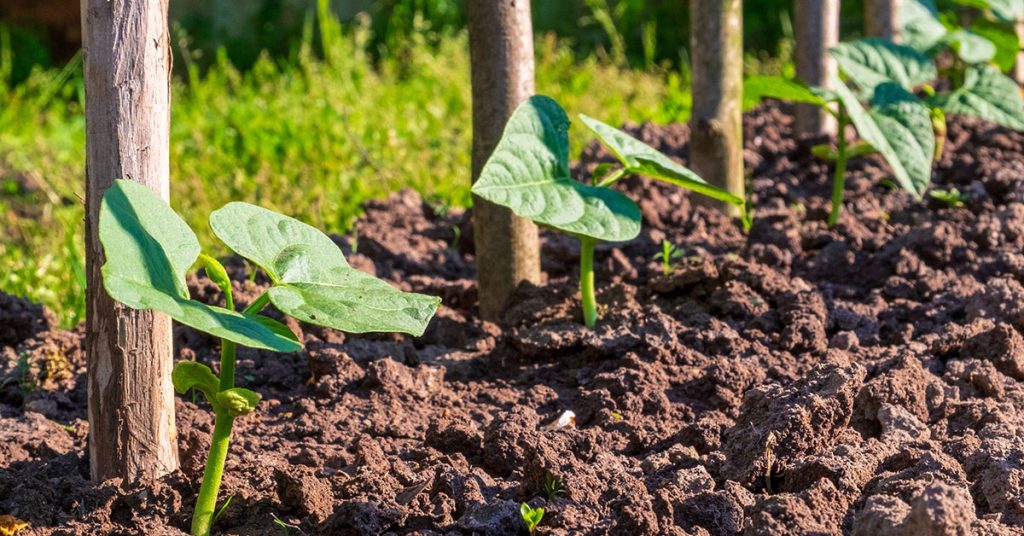
Beans, particularly bush varieties, are celebrated for their ease of growth and rich nutritional value. Native to the Americas, these climbing or sprawling plants quickly establish themselves, forming natural shelters that can resemble tiny nests for their delicate blooms and pods! I’ve often marveled at how beans seem to thrive with just a bit of initial support, offering a plentiful harvest even if you occasionally forget to tend to them.
Their inherent hardiness is a nod to their origins in diverse climates, and while some bean species may self-seed, they are generally non-invasive and stay true to their designated garden plot. Whether you’re growing snap beans or another variety, the satisfaction of watching these plants flourish with minimal care is truly rewarding. Each harvest reminds me that beans are not only nutritious but also a testament to nature’s ability to produce abundance from a modest start!
Corn
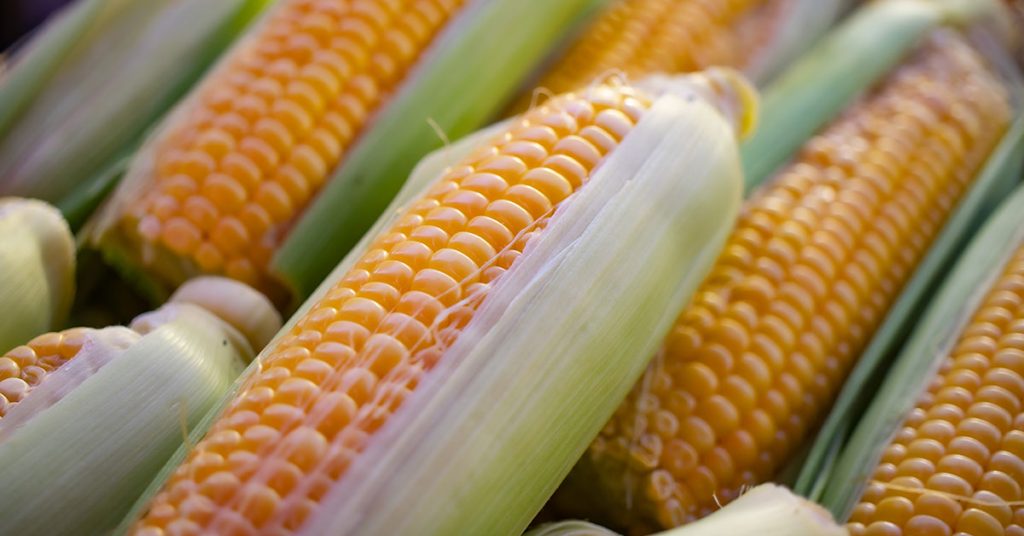
Corn, with its ancient roots in Central America, has been a symbol of agricultural abundance for millennia. Its towering stalks and golden ears create a majestic, almost nest-like display in the garden that naturally draws birds and beneficial insects alike! I find that corn has a wonderful way of thriving even when it’s not pampered, its natural vigor and resilience evident in every ear it produces.
Originating from sun-drenched fields and diverse climates, corn is well-adapted to grow with minimal fuss. Although it self-seeds under optimal conditions, it generally remains non-invasive when planted in a controlled garden environment. Every time I walk past a patch of corn standing tall, I’m reminded of its enduring legacy and the simple joy of watching nature’s power manifest in something as delightful as a crisp, sweet ear of corn!
Potatoes
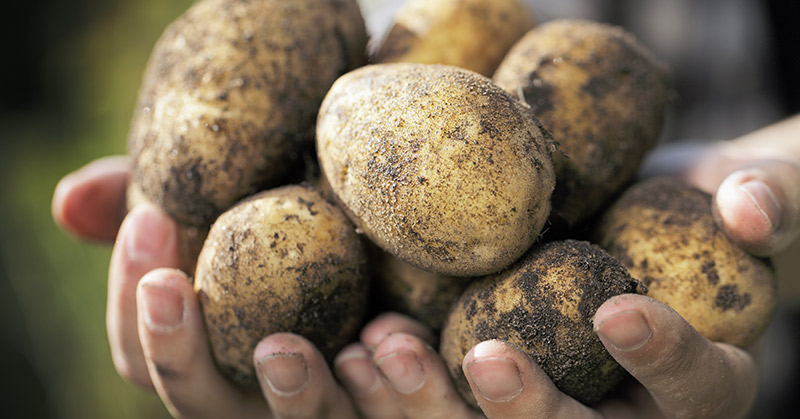
Potatoes, a true staple with origins in the Andean regions of South America, are one of the most forgiving vegetables you can grow. Their tubers develop underground in a manner that almost mimics hidden nests, collecting nutrients and moisture with minimal oversight. I love the idea of planting potatoes and then letting nature do its work, resulting in a harvest that feels like unearthing a buried treasure!
Adapted to a range of climates, potatoes are renowned for their resilience and ability to thrive even with occasional neglect. While they can multiply through self-seeding, they generally remain well-contained in their designated area. Every time I dig into the soil and reveal a plump potato, I’m reminded of the plant’s remarkable capacity to flourish under simple, laid-back care—a true testament to the art of “plant and forget!”
Lettuce
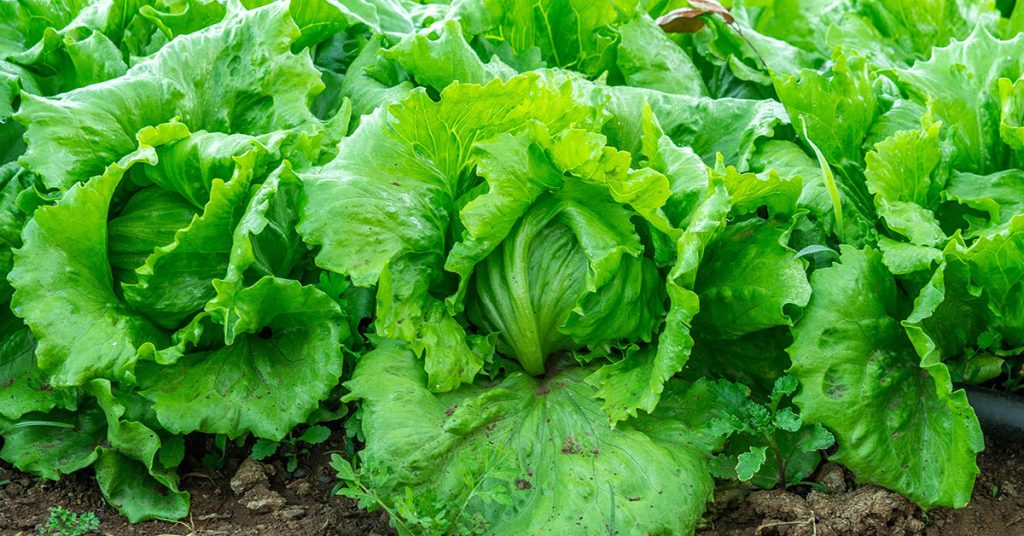
Lettuce, with its crisp leaves and refreshing crunch, originally hails from the Mediterranean region and has found its way into gardens around the world. Its natural rosette formation creates a charming, nest-like arrangement that not only attracts beneficial insects but also offers a cool, inviting aesthetic in the garden! I’ve often been pleasantly surprised by how lettuce can produce a steady supply of leaves even when my care is less than meticulous.
This vegetable’s native background in mild, temperate climates means that lettuce is adapted to thrive in a variety of conditions, albeit with a preference for cooler weather. Although lettuce can sometimes bolt if stressed by heat, it rarely becomes invasive and tends to remain a contained, delightful addition to any salad garden. Every time I harvest a handful of lettuce, I’m reminded of its delicate yet robust nature—a perfect example of how even the simplest vegetables can reward a relaxed approach with delicious, fresh leaves!
Radishes

Radishes, known for their peppery bite and speedy growth, trace their origins back to regions in Europe and Asia where they’ve been cultivated for centuries. Their small, rounded roots form almost like secret nests beneath the soil, efficiently gathering nutrients and moisture with minimal care. I find radishes particularly delightful because they transform quickly from seed to harvest, making them ideal for those times when you need an instant splash of color and flavor in your garden!
Their hardy nature and adaptability to various soils make radishes a reliable choice for a “plant and forget” vegetable garden. Even if you miss a day or two of care, these vegetables will still sprout with vigor, remaining non-invasive and delightfully contained. Every harvest of radishes is a reminder that nature’s pace is sometimes perfectly aligned with our own desire for a little less fuss and a lot more flavor!
Onions
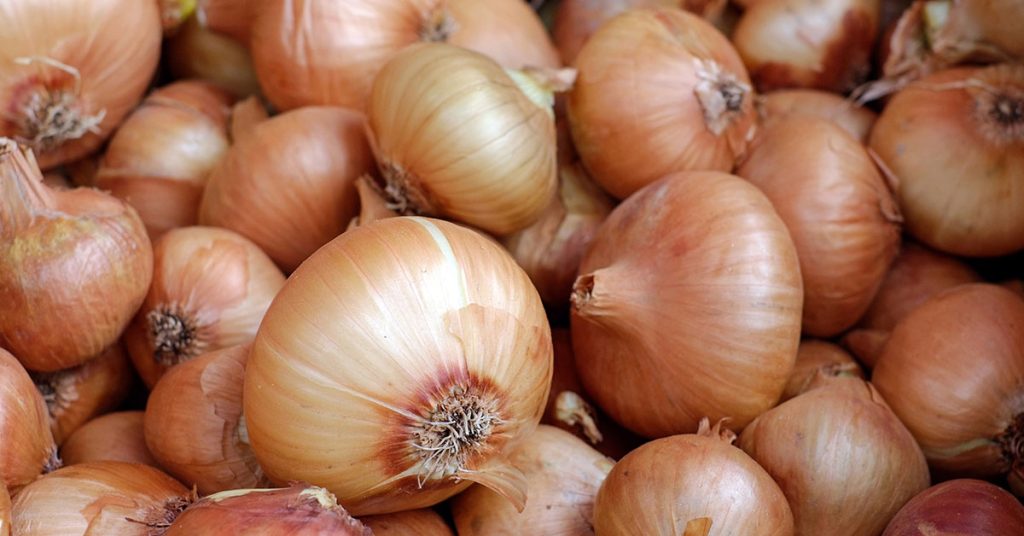
Onions, with a storied history that spans across continents, are native to central Asia and have long been celebrated for their culinary and medicinal properties. Their bulbous growth underground is akin to a natural nesting system, where each layer is carefully constructed to store nutrients and moisture with minimal attention. I find it fascinating how onions can establish themselves robustly in a garden, offering a bountiful harvest even when you’re not constantly tending to them!
Adapted to a variety of climates, onions have an impressive ability to thrive under conditions of occasional neglect. While they can sometimes self-seed, they are generally well-behaved and remain confined to their planted area. Every time I peel back the layers of a freshly harvested onion, I’m reminded of the plant’s remarkable resilience and the understated magic of growing vegetables that almost care for themselves!
Spinach
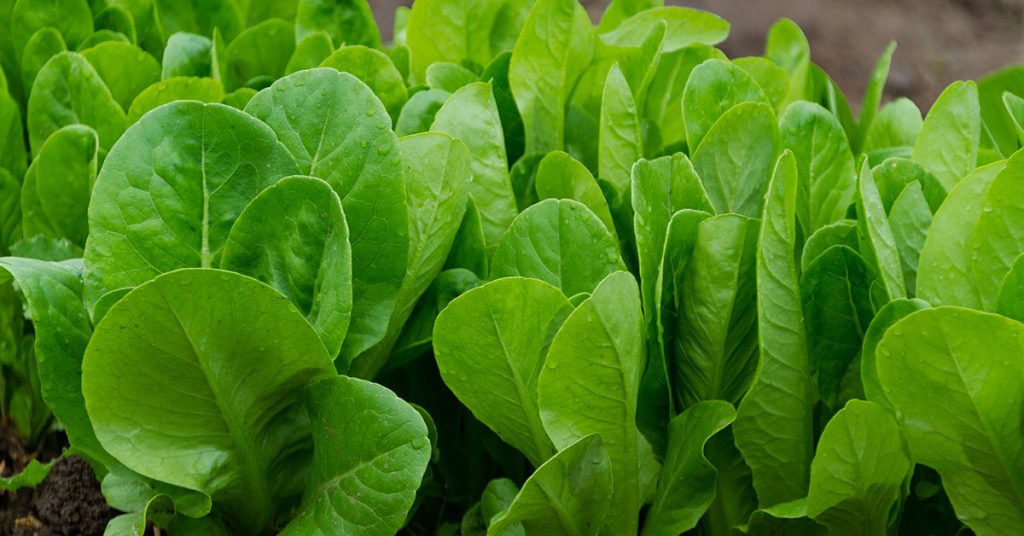
Spinach, native to central and southwestern Asia, brings a burst of green vitality to any garden with its tender, nutrient-rich leaves. Its rosette-like formation creates a natural, nest-like appearance that seems to invite not only human admiration but also a variety of beneficial insects. I’ve found that spinach is remarkably adaptable and can flourish even when my attention to detail wavers—an ideal candidate for those days when you simply want to plant and let nature take its course!
Hailing from regions with cool, moist climates, spinach is designed to grow quickly and efficiently, even under less-than-perfect conditions. Although it can self-seed in optimal situations, spinach typically remains non-invasive and easy to manage in a home garden. Every time I harvest a bunch of spinach, I feel a surge of satisfaction, knowing that nature has once again delivered a nutritious and vibrant addition to my culinary adventures!
Broccoli
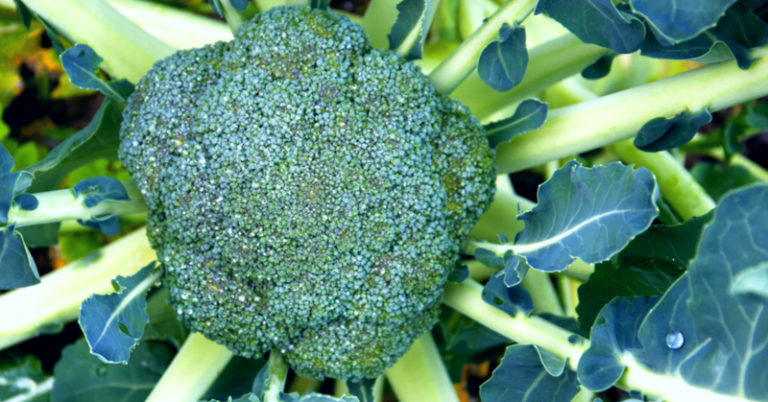
Broccoli, with its origins in the Mediterranean and parts of Italy, is a nutrient powerhouse that thrives in cooler weather with minimal fuss. Its dense, tree-like heads form an almost architectural nest that seems to gather strength and nutrients from its surroundings, even when overlooked! I love watching broccoli develop, its tight clusters of florets emerging as a reward for simply planting and stepping away—truly a gardener’s delight!
Adapted to the temperate climates of its native regions, broccoli is designed to withstand occasional neglect while still offering an impressive display of edible green. Though it may self-sow in certain conditions, it generally remains non-invasive and manageable with basic care. Every time I prepare broccoli from my garden, I’m filled with a sense of accomplishment, knowing that even a hands-off approach can yield such a hearty, healthy harvest!
Peas
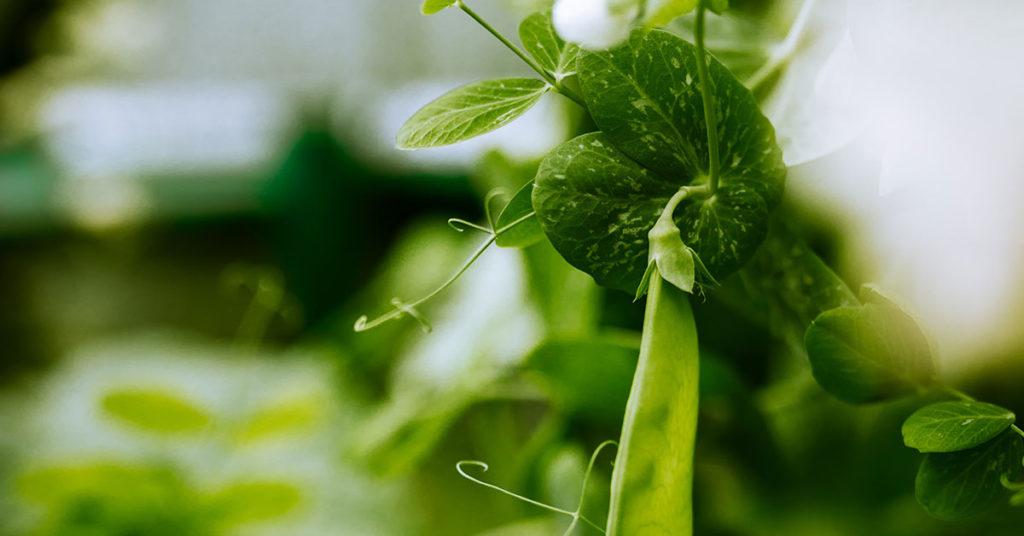
Peas, originally cultivated in the temperate regions of the Mediterranean and the Near East, are celebrated for their sweet taste and effortless growth. Their climbing vines often weave together into natural nests that not only support the plant’s fruit but also create a delightful, wild appearance in the garden! I’ve found that peas flourish even with minimal intervention, making them perfect for gardeners who sometimes need to step back and let nature work its magic.
Thanks to their native background in regions with moderate climates, peas are exceptionally hardy and can thrive on limited care. While they occasionally self-sow in favorable conditions, they are generally non-invasive and remain a controlled, charming addition to any vegetable patch. Every time I see a pea vine gracefully twining along a trellis, I’m reminded of the beauty and simplicity of nature—a gentle encouragement to sometimes simply plant and forget!
Kale
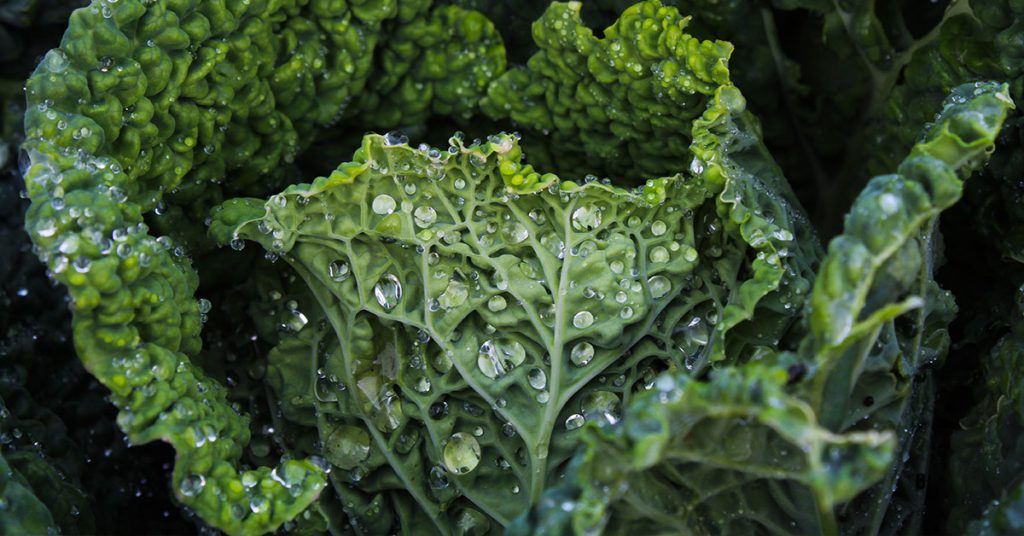
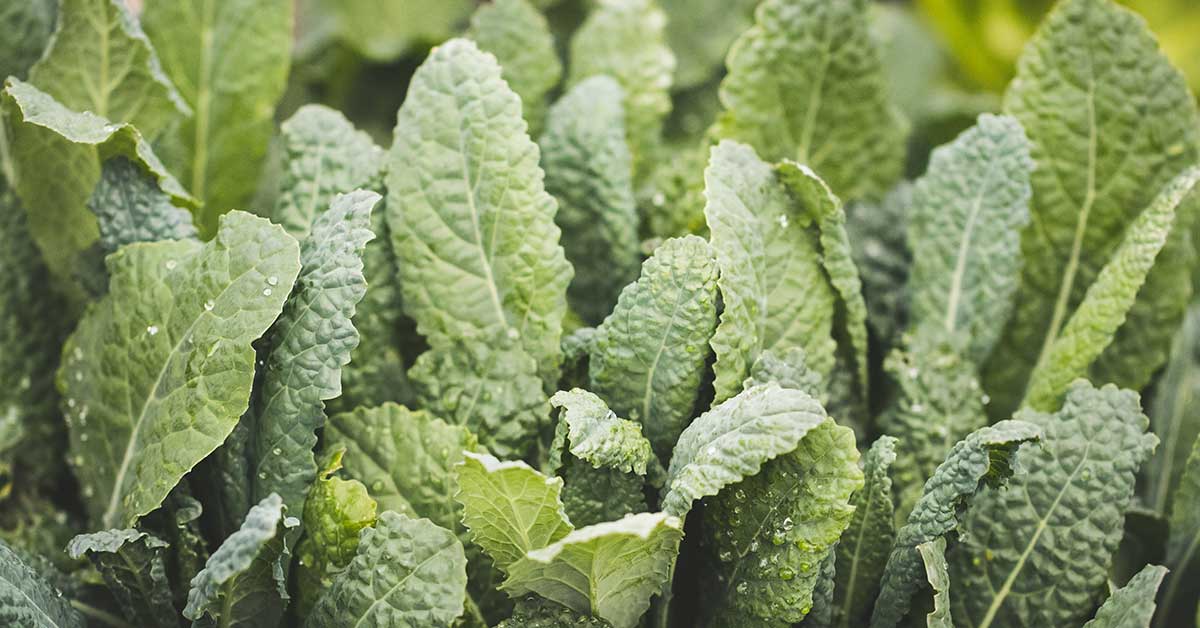
Kale, a nutrient-rich leafy green native to Europe and Asia, is renowned for its hardiness and ability to flourish even when overlooked. Its ruffled, robust leaves form intricate, nest-like clusters that seem to store not only nutrients but also a certain rustic charm that I find irresistible! I appreciate kale’s forgiving nature—it’s one of those vegetables that consistently surprises me by thriving even when my gardening attention is sporadic.
Its origins in cooler, temperate regions mean that kale is well-adapted to withstand periods of neglect while still providing a robust harvest. Although it can sometimes self-sow, kale is generally non-invasive, making it an ideal candidate for a low-maintenance garden. Every time I harvest kale, I’m reminded of its enduring resilience and the remarkable way in which nature rewards even the simplest, laid-back gardening efforts!
Cabbage
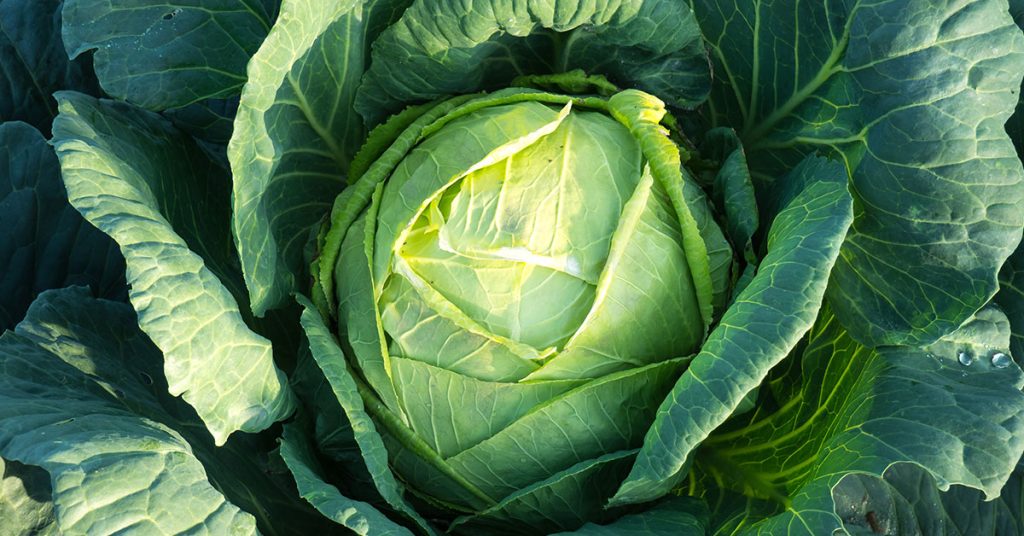
Cabbage, with its ancient lineage rooted in Europe and parts of Asia, is a vegetable that embodies the spirit of low-maintenance gardening. Its compact, layered heads develop much like a natural nest, carefully arranging each leaf to store moisture and nutrients for the winter months! I’ve always admired cabbage for its ability to withstand periods of neglect, producing a hearty, dense head that is as visually impressive as it is nutritious.
Originating from regions that demand a resilient and enduring plant, cabbage adapts remarkably well to various climates and requires minimal intervention. While it may self-seed under ideal conditions, cabbage typically remains non-invasive and manageable within a designated garden bed. Every harvest of cabbage fills me with a sense of rustic pride, knowing that even a “plant and forget” approach can yield a vegetable that is both beautiful and bountiful!