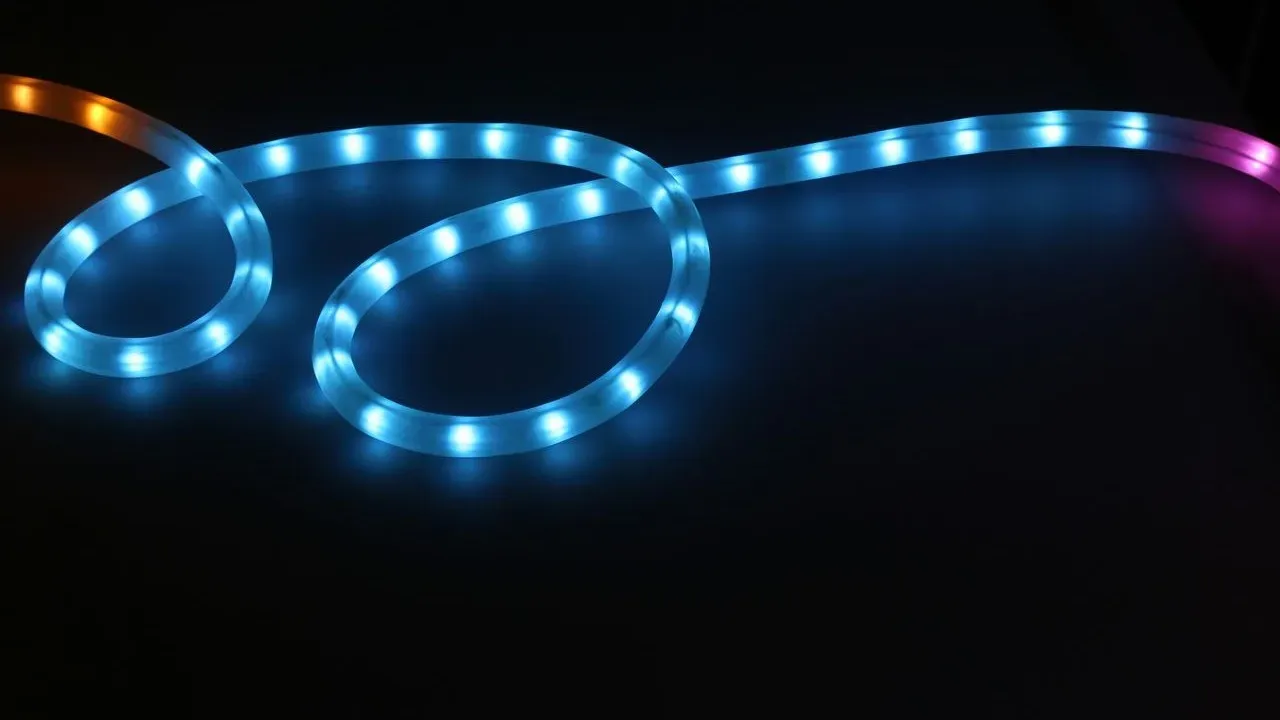

The same light can produce strikingly different results depending on its position. A simple porcelain vase illustrates the point clearly: light from the front highlights its surface and glaze, while light from behind creates a softer outline and artistic silhouette. LED strip lights offer similar flexibility in homes, where small shifts in installation can shift the entire mood of a room. Their ease of use and adaptability make them suitable for living areas, kitchens, bedrooms, and storage spaces alike. ([1])
Behind a Mirror for a Floating Effect
Mounting strips behind a large floor mirror turns an ordinary piece into a statement. The light faces the wall rather than the room, creating a gentle wash that makes the mirror appear to hover. A small gap of one or two inches between the frame and the wall allows the glow to spread evenly without harsh edges. This approach avoids the glare that front-facing lights would produce and adds depth to living rooms or entryways. The result feels both modern and understated, enhancing the sense of space without drawing attention to the hardware itself.
Under Kitchen Cabinets for Practical Task Lighting
Kitchen counters often suffer from shadows that complicate food preparation. Placing the strip near the front edge of the cabinet directs light across the full work surface and reduces the shadow cast by the person standing there. This position also keeps the strip hidden behind the cabinet lip. Other spots produce different outcomes. A strip toward the back emphasizes the backsplash but leaves the counter dimmer. A strip on the countertop edge itself creates dramatic brightness yet risks glare, splashes, and visible hardware. Testing shows the front-edge option balances function and appearance most effectively for daily use.
Behind a TV or Console for Immersive Viewing
Backlighting behind a television or media console follows a simple rule: viewers should see the glow, not the strip. Clean the surface first, then apply the strip a few inches inward from the edges to keep it concealed. Color-changing strips work especially well here because they can match on-screen tones during movies or games. Warm hues suit relaxed evenings, while bolder colors enhance gaming sessions. The continuous light reduces eye strain in dark rooms and adds a subtle layer of atmosphere without competing with the screen.
Under the Bed or Along Shelves for Atmosphere
In bedrooms, strips set back from the edge of the bed frame create a floating appearance that makes the space feel larger. The light spreads across the floor rather than shining directly outward, and the diodes remain out of sight. Warm or dimmable options support a restful environment and serve as a gentle nightlight. Display shelves respond similarly to placement choices. A front-edge strip brings out colors and details on books or collectibles. A rear placement turns objects into silhouettes against a glowing backdrop. Combining both positions offers balance when desired.
Inside Closets for Clear Visibility
Closet lighting improves when strips run along the front of each shelf, illuminating clothes and accessories directly. Alternative placements include a top-mounted strip that casts light downward over hanging items or vertical strips along the door frame for even coverage. Motion-sensor versions activate automatically when the door opens, eliminating the need to reach for switches. These options reduce the frustration of searching in dim spaces and help maintain accurate color perception when selecting outfits. Small adjustments in LED strip positioning can shift how a room feels and functions. Experimenting with a few locations often reveals the most suitable arrangement for each space.
AI Disclaimer: This article was created with the assistance of AI tools and reviewed by a human editor.