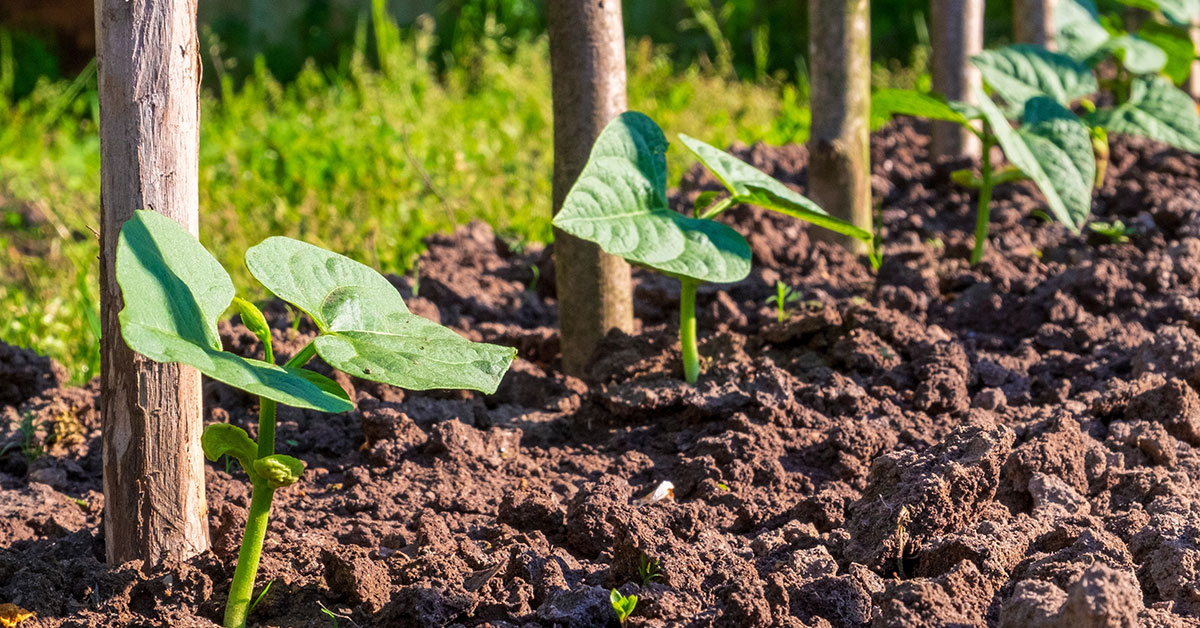

Welcome to the world of pinto beans, where simplicity and versatility collide to create a nutritious and delicious staple in kitchens worldwide. The pinto bean, scientifically known as Phaseolus vulgaris, is a type of legume cherished for their earthy flavor and creamy texture.
With origins tracing back to Central and South America, pinto beans have been cultivated for centuries and have become a beloved ingredient in various cuisines, from Mexican to Tex-Mex and beyond. Whether you are a seasoned cook or a novice gardener, this article will serve as your comprehensive guide to growing and caring for pinto beans, ensuring a bountiful harvest and a plentiful supply of these protein-packed legumes in your own backyard.
What is a Pinto Bean?
A Pinto bean is a type of common bean that belongs to the legume family. It is a widely cultivated variety known for its mottled appearance, with a beige background color and reddish-brown speckles or streaks on its skin. Pinto beans are commonly grown in the United States, Mexico, and other Latin American countries.
These beans are highly nutritious and are a staple food in many cuisines. They are rich in protein, fiber, vitamins, and minerals such as folate, iron, and magnesium. Pinto beans are also a good source of complex carbohydrates, making them an excellent choice for a balanced diet. When cooked, pinto beans have a creamy texture and a mild, nutty flavor.
They are versatile and can be used in a variety of dishes, including soups, stews, chili, salads, and as a filling for burritos or tacos. Pinto beans are often cooked with spices and herbs to enhance their taste, and they absorb flavors well from other ingredients. In terms of cultivation, pinto beans are usually grown as annual plants.
They prefer warm climates and well-drained soil. They are typically planted in spring and require regular watering and fertilization. Pinto beans grow in pods, and the pods contain several beans. These beans are harvested when they are fully mature and dried before being packaged and sold. Overall, pinto beans are not only delicious but also an excellent addition to a healthy diet. They provide essential nutrients and are a versatile ingredient in various savory dishes.
What does a Pinto Bean taste like?
Pinto beans have a mild and slightly nutty flavor. When cooked, they have a creamy and smooth texture, making them great for a variety of dishes. The taste of pinto beans can be described as earthy, with hints of sweetness and a subtle, savory undertone. They are often used in Mexican and Southwestern cuisines, where they add depth and richness to dishes like chili, stews, and refried beans. Pinto beans also absorb flavors well, making them versatile for various seasonings and spices.
How to start a Pinto Bean from seed
To start growing Pinto beans, you can follow these steps:
- Seed Selection: Choose high-quality Pinto bean seeds from a reputable source. Look for organic seeds if possible.
- Soil Preparation: Pinto beans thrive in well-drained soil with a pH level between 6.0 and 7.5. Prepare the soil by removing any weeds or debris and loosening it with a garden fork or tiller. Add organic matter like compost or well-rotted manure to improve soil fertility.
- Planting Time: Pinto beans are warm-season crops, so it’s best to plant them after the danger of frost has passed and the soil temperature reaches around 60°F (15°C). This is typically in late spring or early summer.
- Planting Method: Pinto beans can be sown directly into the garden or started indoors and transplanted later. If starting indoors, use biodegradable pots or seedling trays filled with seed-starting mix. Plant one seed per pot, about 1 inch deep.
- Outdoor Planting: If sowing directly in the garden, create rows or raised beds with rows spaced about 18-24 inches apart. Plant the seeds about 2 inches deep and 3-4 inches apart. Cover the seeds with soil and gently pat it down.
- Watering: Pinto beans require consistent moisture, especially during germination and flowering. Water the soil immediately after planting and keep it evenly moist, but not waterlogged, throughout the growing season. Aim for about 1 inch of water per week.
- Sunlight and Temperature: Pinto beans need full sun exposure, preferably 6-8 hours of direct sunlight daily. They prefer temperatures between 70-80°F (21-27°C). Protect young seedlings from late frosts by covering them with a frost cloth or plastic.
- Support: Pinto beans are climbers, so they benefit from support structures like trellises, stakes, or fences. Install these structures before the plants start to vine. As the plants grow, gently guide the vines onto the support to keep them upright and prevent them from sprawling on the ground.
- Fertilization: Pinto beans are nitrogen-fixing legumes, meaning they can obtain nitrogen from the air with the help of beneficial bacteria in their root nodules. However, if your soil lacks fertility, you can side-dress the plants with a balanced organic fertilizer once they start flowering.
- Pest and Disease Control: Monitor your plants regularly for common pests like aphids, bean beetles, or spider mites. Use organic pest control methods such as handpicking, insecticidal soaps, or neem oil if necessary. Rotate your crops annually to minimize disease issues.
- Harvesting: Pinto beans typically take around 90-120 days to mature. Harvest the beans when they are fully dry and the pods have turned brown. Pull the entire plant out of the ground or cut the plants at the base and let them dry further indoors in a well-ventilated area. Once the beans are fully dry, remove them from the pods and store them in a cool, dry place.
By following these steps, you can enjoy a successful Pinto bean harvest in your garden. Happy gardening!
Planting and growing Pinto Beans
Planting and growing pinto beans is a relatively simple process. Here are the steps to get you started:
- Choose the right time: Pinto beans are warm-season crops, so they should be planted after the last frost date in your area. The soil temperature should be around 60°F (15°C) for optimal germination.
- Prepare the soil: Select a sunny spot in your garden with well-draining soil. Remove any weeds, rocks, or debris from the planting area. Loosen the soil to a depth of about 6-8 inches (15-20 cm) using a garden fork or tiller.
- Plant the seeds: Dig planting holes about 1-2 inches (2.5-5 cm) deep and 2-4 inches (5-10 cm) apart. Place one or two pinto bean seeds in each hole, then cover them with soil and gently pat it down.
- Water the seeds: After planting, water the seeds thoroughly but gently to ensure the soil is moist. Avoid over-watering, as excessive moisture can lead to rotting. Keep the soil consistently moist, but not waterlogged, throughout the growing season.
- Provide support (optional): If you are growing pole or climbing varieties of pinto beans, it is recommended to provide some support for the plants. You can use trellises, stakes, or a bean tower to help them climb and keep the plant upright.
- Thin the seedlings (optional): If you have planted more than one seed per hole, thin the seedlings once they have emerged and are a few inches tall. Leave the healthiest and strongest seedling in each hole and remove the rest by gently pulling them out.
- Weed and mulch: Regularly weed the area around the pinto bean plants to prevent competition for nutrients and water. Adding a layer of organic mulch around the plants will help suppress weeds and retain soil moisture.
- Fertilize (optional): Pinto beans are nitrogen-fixing plants, meaning they have the ability to convert atmospheric nitrogen into a form that can be used by plants. However, if your soil is poor, you can apply a balanced organic fertilizer once or twice during the growing season to promote healthy growth.
- Monitor for pests and diseases: Keep an eye out for common bean pests like aphids, bean beetles, and spider mites. Regularly inspect the plants for signs of disease such as mildew or blight. If necessary, treat the plants with organic insecticides or fungicides.
- Harvesting: Pinto beans typically take around 90-120 days to mature. Harvest the beans when the pods have turned dry and brittle. Remove the pods from the plants and shell the beans. Allow the shelled beans to dry completely before storing them in a cool, dry place.
By following these steps, you should be able to successfully plant and grow pinto beans in your garden. Enjoy the process and the delicious harvest!
When to harvest Pinto Beans
The best time to harvest Pinto Beans is typically when the pods are fully mature and dry. This usually occurs around 90-100 days after planting, depending on the specific variety and growing conditions. You can test the readiness of the beans by gently opening a few pods and checking if the beans inside are dry and firm. If they are, then it’s time to harvest the entire plant.