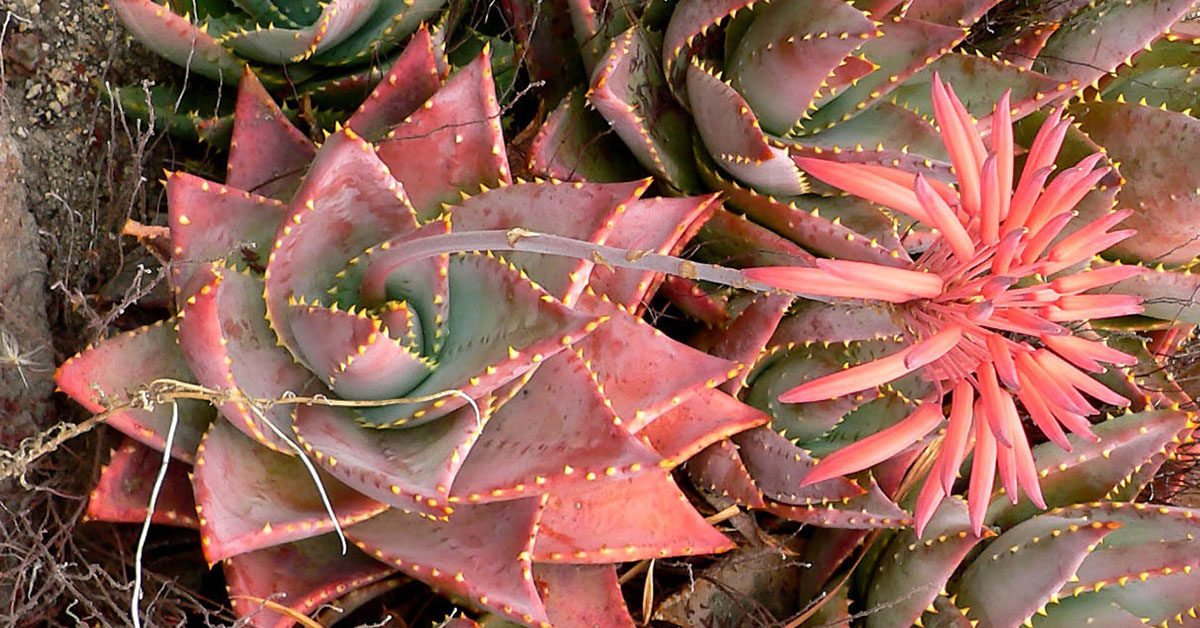

Welcome to the world of Pink Blush Aloe, a stunning houseplant that is sure to add a touch of elegance and beauty to any indoor space. With its vibrant pink and green leaves, this succulent is not only visually appealing but also incredibly easy to care for, making it an ideal choice for both beginner and experienced gardeners alike.
In this article, we will delve into the secrets of successfully growing and maintaining Pink Blush Aloe, covering everything from its preferred growing conditions to essential care tips. Whether you’re looking to enhance your home decor or simply want to expand your collection of houseplants, read on to discover all you need to know about this captivating plant and how to ensure its long-lasting health and vitality.
What is a Pink Blush Aloe?
A Pink Blush Aloe, also known as Aloe ‘Pink Blush’ or Aloe ‘Pink Blush Hybrid’, is a unique and attractive succulent plant. It is a hybrid variety that combines the characteristics of different Aloe species to create a stunning plant with pinkish hues. The Pink Blush Aloe typically has rosettes of thick, fleshy leaves that grow in a compact manner.
The leaves are usually green but can develop beautiful pink or reddish tones, especially when exposed to bright sunlight or during periods of stress. The pink blush is most prominent along the leaf margins and tips, giving the plant its distinctive appearance. This Aloe variety usually grows to a moderate size, with mature plants reaching around 8-12 inches (20-30 cm) in height. It may produce offsets or “pups” at the base, which can be separated and propagated to create new plants.
When it comes to care, the Pink Blush Aloe is relatively easy to grow. It thrives in well-draining soil and requires infrequent watering, allowing the soil to dry out between waterings. It prefers bright, indirect light but can tolerate some direct sunlight. However, it’s important to acclimate the plant gradually to prevent sunburn on its leaves. As with most succulents, the Pink Blush Aloe is a drought-tolerant plant and can withstand periods of neglect. It is a popular choice for indoor gardens, as it adds a touch of color and texture to any space.
Additionally, it can be grown outdoors in mild climates, as long as it is protected from frost and excessive rainfall. Overall, the Pink Blush Aloe is a visually striking succulent that offers a touch of pink to your plant collection. Its unique appearance and low-maintenance nature make it a popular choice for both beginner and experienced gardeners.
Where is Pink Blush Aloe native?
Pink Blush Aloe, also known as Aloe ‘Pink Blush’ or Aloe ‘Pink Blush Hybrid,’ is a cultivated hybrid plant and not found in the wild. It is a cross between different Aloe species, so it does not have a specific native range.
As for its invasiveness, Pink Blush Aloe is not considered invasive. Invasive plants are those that aggressively spread and outcompete native vegetation, causing ecological harm. Since Pink Blush Aloe is a cultivated hybrid, it typically does not have the ability to reproduce and spread in the wild like some invasive species do. However, it’s always important to monitor any plant’s growth and prevent it from escaping cultivation to natural areas where it could potentially become invasive.
How to grow Pink Blush Aloe indoors
Pink Blush Aloe, also known as Aloe ‘Pink Blush’, is a beautiful succulent that can be grown indoors. Here is a care guide to help you successfully grow and maintain Pink Blush Aloe:
- Light: Pink Blush Aloe thrives in bright, indirect light. Place your plant near a south or west-facing window where it can receive at least 6 hours of sunlight per day. Avoid placing it in direct sunlight as it can scorch the leaves.
- Temperature: Pink Blush Aloe prefers temperatures between 60°F to 80°F (15°C to 27°C). Protect it from extreme cold or hot drafts, as they can damage the plant.
- Watering: Allow the soil to dry out completely between waterings. Overwatering can lead to root rot, so it’s important to let the top inch of soil dry before watering again. During the growing season (spring and summer), water approximately once every two weeks. In winter, reduce watering to once a month.
- Soil: Use a well-draining soil mix specifically formulated for succulents and cacti. You can also create your own mix by combining regular potting soil with perlite or pumice to improve drainage.
- Fertilizer: Pink Blush Aloe doesn’t require frequent fertilization. Feed it with a balanced, water-soluble fertilizer diluted to half strength once every two months during the growing season. Avoid fertilizing during winter when the plant is dormant.
- Humidity: Pink Blush Aloe is adapted to low humidity environments, making it suitable for indoor conditions. It doesn’t require additional humidity, but if your home is extremely dry, you can place a tray filled with water near the plant to increase the moisture in the air.
- Pruning: Remove any dead or damaged leaves by gently pulling them from the base of the plant. This will help maintain the overall appearance and health of the Pink Blush Aloe.
- Propagation: Pink Blush Aloe can be propagated through offsets or pups that grow around the base of the plant. Carefully remove the offsets and plant them in a separate container with well-draining soil. Allow the new plants to establish roots before watering.
- Pests and Diseases: Pink Blush Aloe is generally resistant to pests and diseases. However, overwatering can lead to fungal issues or root rot. Ensure proper watering practices to prevent these problems.
- Repotting: As Pink Blush Aloe grows, it may outgrow its container. Repot the plant into a slightly larger pot with fresh succulent soil mix every 2-3 years, preferably in spring.
By following these care guidelines, you can enjoy a healthy and vibrant Pink Blush Aloe indoors. Remember to observe your plant closely and make adjustments as needed based on its specific requirements.
How to grow Pink Blush Aloe outdoors
Growing Pink Blush Aloe outdoors can be a rewarding experience. Here is a care guide to help you successfully grow and maintain this beautiful succulent:
- Climate and Sunlight:
- Pink Blush Aloe thrives in warm and dry climates. It is best suited for USDA hardiness zones 9-11.
- Ensure that the plant receives at least 6-8 hours of direct sunlight every day. However, it can tolerate partial shade as well.
- Soil:
- Use well-draining soil to prevent waterlogging, as Pink Blush Aloe is susceptible to root rot.
- A mixture of cactus potting mix and perlite or coarse sand works well. This combination provides good drainage and aeration.
- Watering:
- Pink Blush Aloe is a drought-tolerant plant and prefers infrequent watering.
- Allow the soil to dry out completely between waterings. Stick your finger about an inch into the soil; if it feels dry, it’s time to water.
- During the growing season (spring and summer), water deeply but infrequently. Reduce watering in the winter months to prevent overwatering.
- Fertilizer:
- Pink Blush Aloe does not require frequent fertilization. Apply a balanced, water-soluble fertilizer diluted to half strength once a month during the growing season.
- Avoid over-fertilizing, as it can lead to leggy growth and reduced plant health.
- Pruning and Propagation:
- Prune any dead or damaged leaves to maintain the plant’s appearance and health.
- Pink Blush Aloe can be propagated through offsets or pups that grow around the base of the mother plant. Gently separate the offsets and plant them in a well-draining soil mix.
- Pests and Diseases:
- Pink Blush Aloe is generally resistant to pests and diseases. However, overwatering can lead to root rot and attract fungus gnats.
- Keep an eye out for common succulent pests such as mealybugs or aphids. If detected, treat them with a mild insecticidal soap or neem oil solution.
- Winter Care:
- If you live in an area with frost or freezing temperatures, it is advisable to bring your Pink Blush Aloe indoors or protect it with a frost cloth during winter.
- Ensure the plant is placed in a location with adequate sunlight and reduced watering during this dormant period.
Remember, Pink Blush Aloe is a low-maintenance plant, but it still requires proper care and attention. With the right conditions and care, your Pink Blush Aloe will thrive and reward you with its stunning pink and green foliage.
How to grow Pink Blush Aloe in pots
Pink Blush Aloe, also known as Aloe ‘Pink Blush’, is a beautiful succulent plant that can be grown in pots indoors. Here is a care guide to help you successfully grow Pink Blush Aloe:
- Pot selection: Choose a pot with good drainage holes to prevent waterlogging. A 6-8 inch diameter pot is suitable for a young plant, while a larger pot may be needed as it grows.
- Soil: Use a well-draining soil mix specifically formulated for succulents or cacti. Alternatively, you can create your own mix by combining equal parts of potting soil, perlite, and coarse sand.
- Light requirements: Pink Blush Aloe thrives in bright, indirect light. Place your plant near a south or west-facing window where it can receive at least 6 hours of sunlight per day. Avoid direct sunlight, as it can scorch the leaves.
- Temperature: Pink Blush Aloe prefers temperatures between 60-80°F (15-27°C). Protect the plant from extreme temperature fluctuations and cold drafts.
- Watering: Allow the soil to dry out completely between waterings. Overwatering can lead to root rot. Water deeply, ensuring that excess water drains out of the pot. In winter, reduce watering frequency as the plant enters a dormant period.
- Humidity: Pink Blush Aloe can tolerate average indoor humidity levels. However, it appreciates slightly higher humidity levels during the dry winter months. You can increase humidity by placing a tray of water near the plant or using a humidifier.
- Fertilizer: Feed your Pink Blush Aloe once a month during the growing season (spring and summer) with a balanced, water-soluble fertilizer diluted to half the recommended strength. Avoid fertilizing during winter when the plant is dormant.
- Pruning: Remove any dead or damaged leaves by gently pulling them off at the base. This will help maintain the plant’s appearance and prevent the spread of diseases.
- Propagation: Pink Blush Aloe can be propagated through offsets or pups that grow around the base of the plant. Carefully remove the offsets and plant them in a separate pot with well-draining soil. Allow the cuttings to callus for a few days before watering.
- Pests and diseases: Pink Blush Aloe is generally resistant to pests and diseases. However, overwatering can lead to root rot or fungal issues. Keep an eye out for signs of pests such as mealybugs or scale insects. If necessary, treat with an appropriate insecticidal soap or neem oil.
Remember, Pink Blush Aloe is a slow-growing plant, so be patient with its growth. With proper care and attention, you can enjoy the beautiful pink-tinted leaves of this stunning succulent.
When does Pink Blush Aloe bloom?
Pink Blush Aloe, also known as Aloe ‘Pink Blush’, typically blooms in the late winter or early spring. The exact timing may vary depending on the growing conditions and the specific climate in which it is being grown. However, it is common for Pink Blush Aloe to produce its vibrant pink or coral-colored flowers during this time of year.
Propagation guide for Pink Blush Aloe
To propagate Pink Blush Aloe, you have a few options:
- Division: This method involves separating the offsets or “pups” from the mother plant. Carefully remove the offsets from the base of the plant using a clean, sharp knife or scissors. Allow the cut ends to dry for a day or two to prevent rotting. Then, plant the offsets in a well-draining potting mix, ensuring that the roots are covered but the leaves are above the soil surface. Water lightly and place the new plants in a bright, indirect light location.
- Leaf cuttings: Take a healthy leaf from the Pink Blush Aloe plant and allow it to callous over for a few days. Then, insert the cut end of the leaf into a well-draining potting mix, burying it about an inch deep. Water sparingly, keeping the soil slightly moist but not overly wet. Place the cutting in a warm, bright location, away from direct sunlight. Roots should develop within a few weeks, and a new plant will eventually grow from the base of the leaf.
- Offsets: Pink Blush Aloe often produces offsets or “pups” around the base of the plant. These can be carefully separated from the mother plant and potted individually, following the same steps as with division.
Remember to provide the newly propagated plants with the appropriate care, including well-draining soil, moderate watering, and bright, indirect light. It’s also essential to avoid overwatering, as Aloe plants are susceptible to root rot. With proper care, your Pink Blush Aloe propagations should thrive and grow into healthy plants.
Common pests and diseases
The Pink Blush Aloe, also known as Aloe ‘Pink Blush’ or Aloe ‘Pink Blush Hybrid’, is a relatively low-maintenance plant. However, it can still be susceptible to a few common pests and diseases. Here are some of the issues you may encounter with Pink Blush Aloe:
- Mealybugs: These small, white, cotton-like insects can infest the leaves and stems of the plant. They suck sap from the plant, causing yellowing, wilting, and stunted growth. To control mealybugs, you can use a cotton swab dipped in rubbing alcohol to remove them manually or apply an insecticidal soap.
- Scale insects: Scale insects appear as small, round, or oval bumps on the leaves and stems. They also feed on plant sap, causing yellowing and weakening of the plant. You can remove them by gently scraping them off with a soft brush or cloth. In severe cases, you may need to use an insecticidal oil or soap.
- Root rot: Overwatering or poorly draining soil can lead to root rot in Pink Blush Aloe. This fungal disease causes the roots to become mushy and discolored. To prevent root rot, ensure that the plant is potted in well-draining soil and allow the top inch of soil to dry out between waterings. If root rot occurs, you may need to repot the plant in fresh, dry soil and trim away any affected roots.
- Leaf spots: Fungal or bacterial leaf spots can occur on Pink Blush Aloe, causing brown or black spots on the leaves. These spots can spread and lead to leaf discoloration and decay. To prevent leaf spots, avoid overhead watering and ensure good air circulation around the plant. If leaf spots appear, remove the affected leaves and treat the plant with a fungicide or bactericide.
Remember, prevention is key to maintaining healthy plants. Providing proper care, including adequate sunlight, well-draining soil, and appropriate watering practices, can help prevent many pest and disease issues. Regularly inspecting your Pink Blush Aloe for any signs of pests or diseases will allow you to take prompt action if any problems arise.
Facts about Pink Blush Aloe
Pink Blush Aloe, also known as Aloe ‘Pink Blush’ or Aloe ‘Pink Blush Hybrid,’ is a unique and beautiful succulent plant. Here are some interesting facts about Pink Blush Aloe:
- Appearance: Pink Blush Aloe is a compact succulent with rosettes of thick, triangular leaves. The leaves are typically green but can develop a pinkish blush or reddish tinge when exposed to bright light or cooler temperatures.
- Hybrid Origin: Pink Blush Aloe is a hybrid plant, resulting from the crossbreeding of different Aloe species. The exact parentage of this hybrid is not always clear, but it is believed to be a cross between Aloe nobilis and another Aloe species.
- Drought Tolerance: Like most Aloe plants, Pink Blush Aloe is highly drought-tolerant. It has adapted to survive in arid conditions by storing water in its leaves, allowing it to withstand periods of dryness without harm.
- Low Maintenance: Pink Blush Aloe is relatively easy to care for, making it a popular choice for both beginner and experienced gardeners. It requires minimal watering and can thrive in a variety of indoor and outdoor environments.
- Sunlight Requirements: Pink Blush Aloe prefers bright, indirect sunlight. While it can tolerate some direct sunlight, prolonged exposure to intense sunlight may cause leaf burn or fading of the pink blush coloration.
- Flowering: Pink Blush Aloe produces tall flower spikes adorned with tubular, coral-colored flowers. The blooming period typically occurs during the spring or summer months, adding an extra touch of beauty to the plant.
- Medicinal Uses: Like many other Aloe species, Pink Blush Aloe has medicinal properties. The gel inside its leaves can be used topically to soothe minor burns, cuts, and skin irritations.
- Propagation: Pink Blush Aloe can be propagated through offsets, which are small plantlets that grow from the base of the mother plant. These offsets can be carefully separated and planted to grow new Pink Blush Aloe plants.
- Indoor Plant: Pink Blush Aloe is well-suited for indoor cultivation, making it an excellent choice for houseplant enthusiasts. It can be grown in pots or containers, and its compact size makes it ideal for small spaces.
- Air Purifying Qualities: Like many other succulent plants, Pink Blush Aloe helps improve indoor air quality by absorbing toxins and releasing oxygen. It can help remove harmful pollutants commonly found in indoor environments.
Remember to provide well-draining soil, avoid overwatering, and protect Pink Blush Aloe from freezing temperatures to ensure its health and longevity.