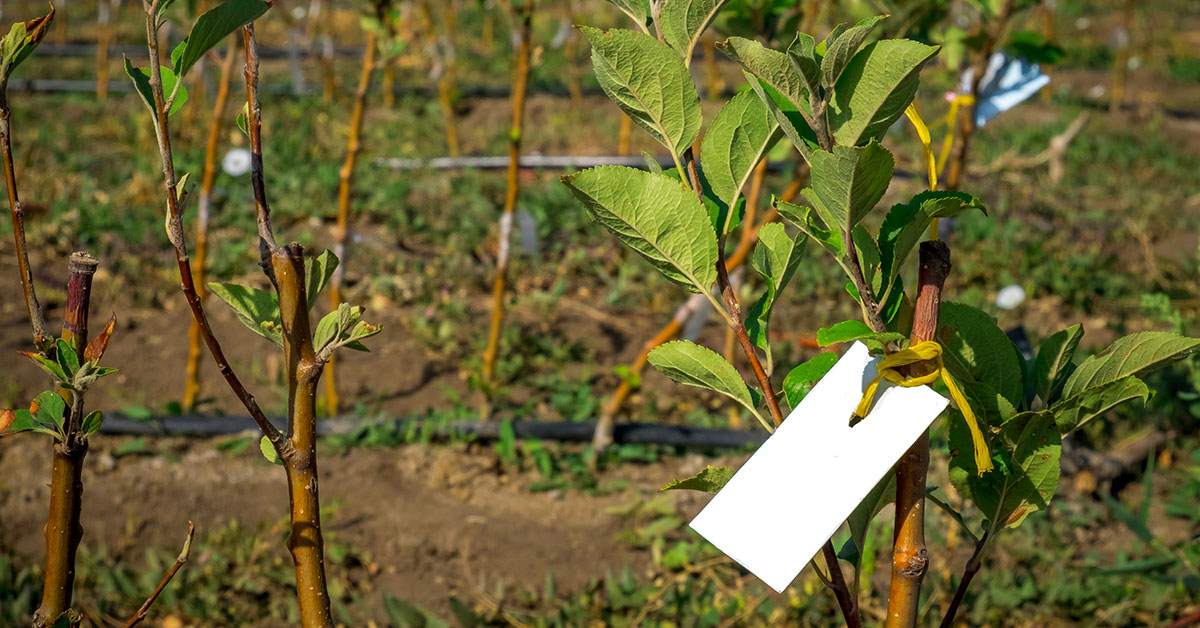

Welcome to the world of growing Pineapple Pear trees! If you’re looking to add a unique and delicious fruit tree to your garden, the Pineapple Pear is an excellent choice. Known for its distinct pineapple-like flavor and juicy texture, this variety of pear is sure to delight your taste buds. In this article, we will explore everything you need to know about successfully growing and caring for Pineapple Pear trees.
From selecting the right location to proper planting techniques, pruning, and maintenance, we will guide you through each step of the process. So, grab your gardening tools and get ready to embark on a fruitful journey with the Pineapple Pear tree!
What are Pineapple Pears?
Pineapple Pear, also known as Pineapple Quince or Pineapple Pear Quince, is a unique variety of pear tree that produces small to medium-sized fruits with a distinct pineapple-like flavor. The tree itself is relatively small, reaching a height of about 10-15 feet (3-4.5 meters), making it suitable for small gardens or container growing. The Pineapple Pear tree is known for its attractive appearance, with glossy, dark green leaves that turn vibrant shades of red and orange in the fall. It also produces beautiful white or pink blossoms in the spring, adding to its ornamental value.
The fruits of the Pineapple Pear are round or slightly elongated, with a yellowish-green skin that may develop a slight blush of red when fully ripe. The flesh is crisp, juicy, and aromatic, with a sweet and tangy flavor reminiscent of pineapple, hence its name. The texture is slightly grainy, similar to other pear varieties. Pineapple Pears are typically harvested in late summer or early fall, depending on the climate and growing conditions. They are versatile fruits that can be enjoyed fresh, used in cooking, or preserved through canning or making jams and jellies.
When it comes to cultivation, Pineapple Pear trees prefer full sun exposure and well-drained soil. They are generally hardy and adaptable, tolerating a wide range of soil types. Regular watering and fertilization are necessary to promote healthy growth and fruit production. Overall, Pineapple Pear is a delightful and unique variety that adds a tropical twist to traditional pear flavors, making it a popular choice among gardening enthusiasts and fruit lovers alike.
What do Pineapple Pears taste like?
Pineapple Pear, also known as the Asian Pear or Nashi Pear, is a unique variety of pear that offers a delightful flavor profile. The taste of Pineapple Pear is often described as a perfect blend of sweetness and tartness, with a hint of pineapple-like flavor, hence its name.
The initial taste of Pineapple Pear is crisp and refreshing, similar to biting into a juicy apple. As you continue to savor the fruit, you’ll notice a subtle tropical undertone reminiscent of pineapple, which adds a delightful twist to the overall flavor experience. The sweetness of the Pineapple Pear is well-balanced, not overly sugary, making it a great choice for those who prefer a milder sweetness in their fruits.
One of the distinguishing characteristics of Pineapple Pear is its juiciness. The flesh of this pear variety is incredibly succulent, making each bite a burst of refreshing moisture. The texture is crisp and firm, similar to an apple, but with a slightly grainy and crunchy texture that adds to its unique appeal.
Overall, the flavor profile of Pineapple Pear is a harmonious combination of sweetness, tartness, and a subtle tropical twist. Its refreshing and juicy nature, along with the hint of pineapple-like flavor, makes it a delightful choice for enjoying fresh or incorporating into various culinary creations.
How to start Pineapple Pears from seeds
Starting a Pineapple Pear tree can be done through grafting or growing from seeds. However, grafting is the preferred method as it ensures the tree will produce the desired fruit. Here is a step-by-step guide on how to start a Pineapple Pear tree:
- Obtain a Pineapple Pear scion: Contact a local nursery or fruit tree supplier to find a Pineapple Pear scion. Scions are small branches or twigs that will be grafted onto a rootstock.
- Select a compatible rootstock: Choose a rootstock that is compatible with the Pineapple Pear scion. Common rootstocks for pear trees include Pyrus calleryana, Pyrus betulaefolia, or Pyrus communis.
- Prepare the scion and rootstock: Make sure the scion and rootstock are healthy and free from any diseases or pests. Trim the scion to about 6-8 inches in length, making a clean diagonal cut at the bottom. Similarly, trim the rootstock to match the size of the scion.
- Make a grafting cut: On the rootstock, make a vertical cut about 1.5-2 inches long. Then, make a matching diagonal cut at the top of the cut, creating a V-shaped notch. This is where the scion will be inserted.
- Insert the scion: Insert the trimmed end of the scion into the V-shaped notch on the rootstock, ensuring the cambium layers of both scion and rootstock align. The cambium layer is the thin green layer just beneath the bark.
- Secure the graft: Use grafting tape or rubber bands to tightly wrap around the graft union, ensuring the scion and rootstock are held firmly together. This will help promote successful grafting.
- Apply grafting sealant: Apply a grafting sealant or wax over the graft union to protect it from moisture loss and infection. This will help the graft union heal and prevent any diseases from entering the wound.
- Provide proper care: Place the grafted Pineapple Pear tree in a warm and sheltered location, away from direct sunlight. Keep the soil moist but not waterlogged. Provide regular watering and monitor the tree for any signs of stress or disease.
- Monitor and prune: As the Pineapple Pear tree grows, monitor the graft union for any signs of failure or weakness. Remove any suckers or shoots that emerge from below the graft union, as they are from the rootstock and may not produce the desired fruit.
- Transplanting: Once the grafted tree has established a strong root system and is showing healthy growth, it can be transplanted into a larger container or into the ground. Choose a location with well-draining soil and full sun exposure for optimal growth.
Remember, growing a Pineapple Pear tree from seeds may not guarantee that the resulting tree will produce the desired fruit. Grafting is the recommended method to ensure the tree produces high-quality Pineapple Pears.
When to plant Pineapple Pears outdoors
The ideal time to plant Pineapple Pear trees is in late winter or early spring, before the tree begins to break dormancy. This is typically between February and April, depending on your specific climate and region. Planting during this time allows the tree to establish its root system before the onset of summer heat.
Growing & care guide Pineapple Pears
Pineapple Pear, also known as Pyrus communis ‘Pineapple’, is a popular variety of pear tree known for its sweet and juicy fruit. To ensure healthy growth and a bountiful harvest, it is important to follow some best practices for caring for Pineapple Pear trees. Here are some key tips:
- Planting: Choose a sunny location with well-draining soil for your Pineapple Pear tree. The soil should be slightly acidic to neutral (pH 6.0-7.0). Ensure that the planting hole is wide and deep enough to accommodate the root system. Plant the tree at the same depth it was in the nursery container, making sure the graft union is above the soil line.
- Watering: Adequate watering is crucial, especially during the first few years of growth. Young Pineapple Pear trees require regular watering to establish a strong root system. Water deeply, ensuring the soil is moist but not waterlogged. Once established, the tree can tolerate some drought, but it is still important to water during dry spells.
- Fertilizing: Fertilize your Pineapple Pear tree annually to provide essential nutrients. Apply a balanced, slow-release fertilizer in early spring before new growth begins. Follow the manufacturer’s instructions for application rates based on the age and size of the tree. Avoid excessive nitrogen fertilizers, as they can promote excessive vegetative growth at the expense of fruit production.
- Pruning: Pruning helps maintain the shape, size, and health of the tree. It is best to prune Pineapple Pear trees during the dormant season, typically in late winter or early spring before new growth emerges. Remove any dead, damaged, or diseased branches. Thin out crowded branches to improve air circulation and sunlight penetration. Prune to maintain an open center and remove any suckers or water sprouts.
- Pest and Disease Control: Regular monitoring is essential to detect and control any potential pest or disease issues. Common pests that can affect Pineapple Pear trees include aphids, pear psylla, and codling moth. Use organic or chemical controls as necessary, following the instructions carefully. Diseases such as fire blight, pear scab, and powdery mildew can also affect pear trees. Choose disease-resistant varieties, maintain good air circulation, and promptly remove any infected branches to minimize the risk of disease.
- Harvesting: Pineapple Pears are typically ready for harvest in late summer or early fall, depending on your climate. The fruit should be firm but not rock hard when picked. Gently twist or lift the pears to detach them from the tree. Avoid pulling or yanking, as this can damage the branches. Store the harvested fruit in a cool, dark place to ripen fully.
By following these best practices for caring for Pineapple Pear trees, you can enjoy a healthy and productive tree that yields delicious fruit for years to come. Remember to observe your tree regularly, provide proper care, and address any issues promptly to ensure its overall well-being.
Harvesting guide for Pineapple Pears
Pineapple pears, also known as Asian pears or Nashi pears, are a delicious and juicy fruit that can be enjoyed fresh or used in various culinary preparations. Harvesting pineapple pears at the right time is crucial to ensure optimal flavor and texture. Here’s a guide on when and how to harvest pineapple pears:
- Timing: Pineapple pears are typically ready for harvest in late summer or early fall, depending on the specific variety and growing conditions. The best way to determine if they are ready is by checking their color and firmness.
- Color: Pineapple pears should have a golden or yellowish hue when they are ripe. Avoid harvesting them when they are still green, as they will not have developed their full flavor.
- Firmness: Gently press your thumb against the skin of the pear. If it yields slightly to pressure, it is likely ripe and ready to be harvested. However, if it feels too soft or mushy, it may be overripe.
- Harvesting: To harvest pineapple pears, grasp the fruit gently and twist it upwards, giving it a slight twist to detach it from the branch. Avoid pulling or tugging forcefully, as this can damage the tree or the fruit. If the pear doesn’t come off easily, it may not be fully ripe yet, so it’s best to wait a little longer before attempting to harvest it again.
- Handling: Handle the harvested pears with care to prevent bruising or damage. Place them gently in a basket or container, making sure not to stack them on top of each other. Avoid dropping or tossing them, as this can lead to bruising and affect their quality.
- Storage: Pineapple pears can be stored in a cool and dry place for a few weeks. If you want to extend their shelf life, you can store them in the refrigerator, where they can last for up to two months. However, keep in mind that pears are sensitive to ethylene gas, so it’s best to store them separately from other fruits and vegetables to prevent premature ripening or spoilage.
By following these guidelines, you can ensure that your pineapple pears are harvested at the right time and enjoyed at their peak flavor.