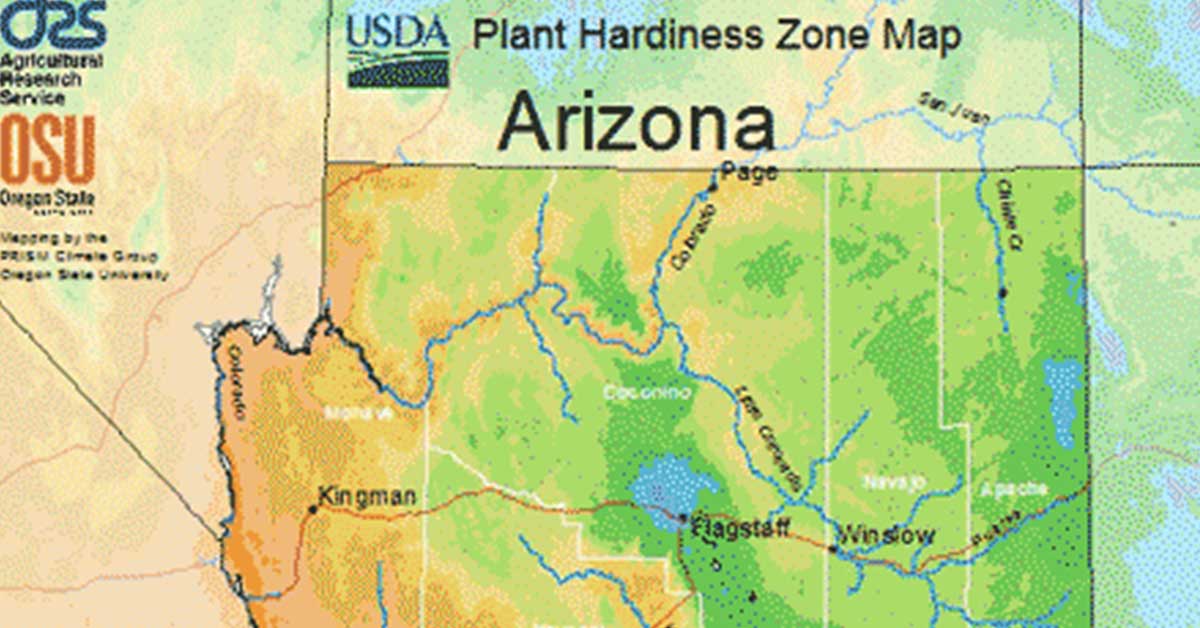

Welcome to the vibrant world of gardening in Phoenix, Arizona! Nestled in the heart of the Sonoran Desert, this unique city offers an exceptional environment for cultivating a wide variety of plants. With its arid climate and scorching summers, gardening in Phoenix presents its own set of challenges and rewards. One crucial factor to consider when planning your garden here is the USDA hardiness zone.
Phoenix falls within USDA hardiness zone 9b, which means that it experiences average annual minimum temperatures between 25 and 30 degrees Fahrenheit (-3.9 to -1.1 degrees Celsius). Understanding this zone is essential for selecting the right plants that can thrive in the desert heat while withstanding occasional frost. In this article, we will explore the intricacies of gardening in Phoenix’s USDA hardiness zone, providing valuable tips and insights to help you create a flourishing oasis in the desert.
What is Phoenix’s USDA hardiness zone?
The USDA hardiness zone is a system used to classify plants based on their ability to withstand the average minimum temperatures of a particular region. In the case of Phoenix, Arizona, the city falls under USDA hardiness zone 9b. Zone 9b is characterized by mild winters with average minimum temperatures ranging from 25 to 30 degrees Fahrenheit (-4 to -1 degrees Celsius). This means that plants suitable for this zone should be able to tolerate occasional light frosts and short periods of freezing temperatures.
In Phoenix, the climate is predominantly arid and hot, with long, scorching summers and short, mild winters. The extreme heat and low humidity levels can pose challenges for plant growth and survival. However, with proper care and selection of appropriate plant species, a beautiful and thriving garden can be achieved. When choosing plants for a garden in Phoenix’s USDA hardiness zone 9b, it is crucial to consider their heat and drought tolerance.
Native desert plants, such as cacti, succulents, and agaves, are excellent choices as they have adapted to the harsh conditions of the region. These plants have specialized features like water-storing tissues, reduced leaf surfaces, and spines to conserve water and protect themselves from excessive heat. In addition to desert plants, there are many other options for a diverse and colorful garden in Phoenix. Some heat-tolerant flowering plants that thrive in zone 9b include lantana, bougainvillea, hibiscus, and oleander. These plants can add vibrant colors and attract pollinators to the garden.
It is important to note that even though Phoenix is in zone 9b, microclimates can exist within the city due to variations in elevation, exposure to sunlight, and proximity to water bodies. These microclimates can create slightly different growing conditions, allowing for a wider range of plant choices. For example, areas near lakes or canals may experience slightly cooler temperatures and higher humidity levels, which can expand the plant options. To ensure successful gardening in Phoenix’s USDA hardiness zone 9b, it is essential to provide proper irrigation, especially during the hot summer months.
Deep and infrequent watering is recommended to encourage deep root growth and prevent water loss through evaporation. Mulching around plants can help retain soil moisture and regulate soil temperature. Lastly, it is advisable to consult with local nurseries, gardening experts, or the University of Arizona Cooperative Extension for specific plant recommendations and gardening techniques tailored to the unique conditions of Phoenix’s zone 9b.
When can you plant your garden in Phoenix?
In Phoenix, the ideal planting times for different plants can vary based on the USDA hardiness zone. Phoenix is located in USDA hardiness zone 9b, which is characterized by mild winters and hot summers. Here are some general guidelines for planting in Phoenix based on the hardiness zone:
Cool-season vegetables: The best time to plant cool-season vegetables like lettuce, spinach, broccoli, and carrots is in late September or early October. These plants thrive in the cooler temperatures of fall and winter.
Warm-season vegetables: Warm-season vegetables such as tomatoes, peppers, cucumbers, and beans should be planted in late February or early March. These plants require warm soil and air temperatures to grow successfully.
Perennials and flowering plants: Perennials and flowering plants can be planted in Phoenix throughout the year, but it is best to avoid extreme temperatures. Spring and fall are generally the best times for planting these types of plants, as the weather is milder and more conducive to root establishment.
Trees and shrubs: Trees and shrubs can be planted in Phoenix during the cooler months of the year, from October to April. This allows them to establish their root systems before the intense heat of summer.
Succulents and cacti: Succulents and cacti are well-suited to the arid climate of Phoenix. They can be planted year-round, but it is advisable to avoid extreme temperatures. Spring and fall are generally the best times to plant these desert-adapted plants.
It’s important to note that these are general guidelines, and specific plant varieties may have different planting requirements. It’s always a good idea to consult local nurseries or gardening resources for more specific information on planting times for specific plants in Phoenix.
What grows well in Phoenix?
Phoenix, Arizona falls under USDA hardiness zone 9b, which is characterized by hot summers and mild winters. Here is a comprehensive list of plants that typically thrive in this climate:
- Agave (Agave spp.): These succulent plants are well-suited to the arid conditions of Phoenix and come in a variety of sizes and shapes.
- Aloe Vera (Aloe vera): Aloe vera is a popular succulent known for its medicinal properties and ability to withstand hot and dry conditions.
- Bougainvillea (Bougainvillea spp.): This vibrant and drought-tolerant flowering plant adds a splash of color to Phoenix gardens.
- Desert Marigold (Baileya multiradiata): This perennial plant produces bright yellow flowers and is highly drought-tolerant.
- Desert Spoon (Dasylirion spp.): These architectural plants have long, spiky leaves and can tolerate extreme heat and drought.
- Lantana (Lantana spp.): Lantana is a low-maintenance shrub that produces clusters of colorful flowers and attracts butterflies.
- Mexican Bird of Paradise (Caesalpinia mexicana): This shrub or small tree boasts vibrant orange flowers and can handle the heat of Phoenix.
- Ocotillo (Fouquieria splendens): Ocotillo is a unique desert plant with tall, spiny stems and bright red flowers.
- Palo Verde (Parkinsonia spp.): These small to medium-sized trees are known for their green bark and yellow flowers, adding beauty to any landscape.
- Red Yucca (Hesperaloe parviflora): Red Yucca is a drought-tolerant succulent with tall flower spikes that attract hummingbirds.
- Texas Sage (Leucophyllum spp.): Also known as “Texas Ranger,” this shrub produces beautiful purple or pink flowers and can withstand extreme heat.
- Yellow Bells (Tecoma stans): This flowering shrub features bright yellow trumpet-shaped flowers and is highly drought-tolerant.
- Desert Mariposa Lily (Calochortus kennedyi): This native perennial produces stunning white or pink flowers and thrives in the desert climate.
- Desert Four O’Clock (Mirabilis multiflora): This low-growing perennial blooms with fragrant pink or white flowers and is well-adapted to the desert environment.
- Desert Mallow (Sphaeralcea ambigua): This shrubby perennial produces showy orange or pink flowers and is drought-tolerant.
Remember to consider the specific microclimates within your garden and adjust watering and care accordingly. Additionally, it’s always a good idea to consult with local nurseries or gardening experts for more specific plant recommendations based on your garden’s conditions.
What won’t grow in Phoenix?
In Phoenix, which falls under USDA hardiness zone 9b, there are certain plants that may struggle to thrive due to the region’s hot and arid climate. Here are some plants that generally do not fare well in Phoenix:
- Rhododendrons and Azaleas: These plants prefer cooler and more humid environments, making them challenging to grow in the desert heat of Phoenix.
- Blueberries: Blueberries require acidic soil and cooler temperatures, which are not typically found in Phoenix. They may struggle to produce fruit in this climate.
- Lilacs: Lilacs need a period of winter dormancy, which is not common in Phoenix’s mild winters. They may not flower well or grow as vigorously in this region.
- Hydrangeas: Hydrangeas prefer more moderate temperatures and higher humidity levels. The hot and dry conditions of Phoenix can make it difficult for them to thrive.
- Ferns: Most ferns prefer shady and moist environments, which are hard to maintain in the arid climate of Phoenix. They may struggle to survive and maintain their lush foliage.
- Hostas: Hostas prefer cooler temperatures and thrive in more shaded areas. The intense heat and sun exposure in Phoenix can cause them to wilt and struggle to grow.
- Delphiniums: Delphiniums prefer cooler climates and may struggle to bloom in the hot temperatures of Phoenix. They may also require more water than is typically available in this region.
- Peonies: Peonies require a period of winter dormancy and cooler temperatures to bloom successfully. The warm winters and hot summers of Phoenix may hinder their growth and flowering.
It’s important to note that while these plants may not thrive in Phoenix, it is still possible to grow them with extra care, such as providing shade, supplemental watering, and soil amendments. However, it may be more challenging to achieve optimal growth and flowering compared to plants that are well-suited to the desert climate.