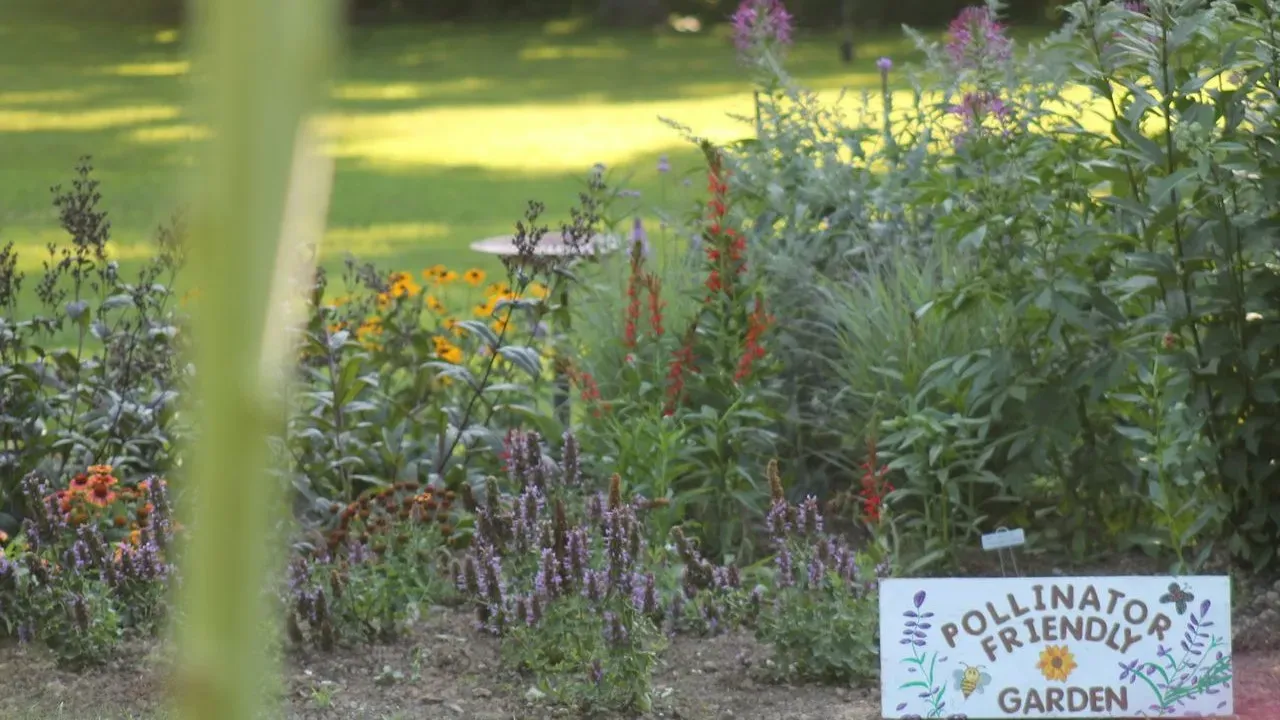

Philadelphia holds an example of how limited space can still deliver outsized support for local wildlife. Nancy maintains a 0.11-acre garden that shifts noticeably from one season to the next. Its naturalistic planting style keeps resources available for pollinators across the calendar. ([1])
Small Footprint, Steady Habitat
Urban lots rarely exceed a tenth of an acre, yet this Philadelphia example shows that size alone does not limit ecological value. The garden occupies roughly the footprint of a large suburban backyard. Even so, the continuous presence of flowers and foliage creates reliable foraging and nesting opportunities. Pollinators respond to that consistency rather than to sheer acreage. Naturalistic layouts avoid rigid rows or isolated specimens. Instead, plants intermingle in patterns that echo wild communities. This arrangement reduces maintenance while extending the period when nectar and pollen remain accessible. The result is a living system that changes gradually rather than in abrupt, human-timed stages.
Planting That Follows the Calendar
Early in the year, early-blooming species provide the first substantial food sources after winter. As temperatures rise, later-flowering perennials and grasses take over. By late season, seed heads and late composites sustain insects preparing for dormancy or migration. The sequence unfolds without requiring constant replanting or heavy intervention. Because the design emphasizes overlapping bloom times, gaps in resources stay minimal. Pollinators encounter familiar cues at each stage of their life cycles. The garden therefore functions as a year-round station rather than a single-season display. Observers note that activity levels remain high even when individual plant species finish their cycles.
Supporting a Range of Visitors
Bees, butterflies, and other insects differ in their timing and preferences. A planting that mirrors natural succession meets more of those needs than a monoculture or short-lived annual bed. The Philadelphia garden demonstrates this principle on a modest scale. Its layered structure offers both open flowers for short-tongued visitors and deeper blooms for specialists. Diversity in plant height and structure also creates micro-habitats. Some insects prefer sunny edges, while others seek sheltered stems or leaf litter. The naturalistic approach supplies these varied conditions within the same small area. Over time, the garden becomes self-reinforcing as returning pollinators aid seed set and plant spread.
Practical Takeaways for Similar Sites
Gardeners working with constrained urban plots can apply the same emphasis on seasonal continuity. Selecting species with staggered flowering periods reduces the chance of resource shortages. Grouping plants in informal drifts rather than formal patterns further supports the naturalistic effect. Soil health and minimal disturbance help the system persist with lower inputs. The Philadelphia case illustrates that measurable impact does not require large land holdings. Consistent observation of which insects appear at different times helps refine choices in future seasons. Small adjustments compound, turning an ordinary yard into a functional component of the local pollinator network.
AI Disclaimer: This article was created with the assistance of AI tools and reviewed by a human editor.