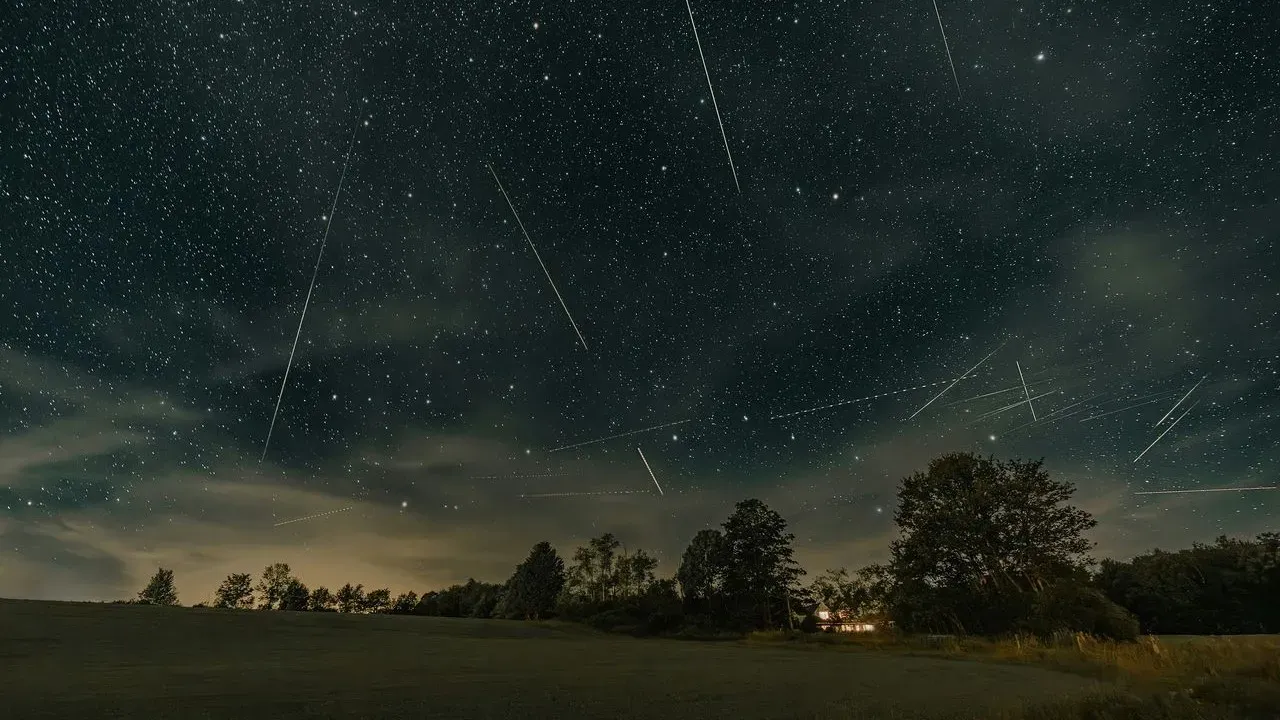

Astronomers are highlighting favorable conditions for one of the year’s most reliable celestial displays. The Perseid meteor shower, active through much of the summer, is expected to reach its strongest phase in the coming nights. With a new moon coinciding with the peak, observers across the northern hemisphere have a strong chance to see numerous bright streaks without lunar interference.
Peak Timing and Expected Activity
The shower is forecast to reach maximum activity on the night of August 12 into the morning of August 13. Rates under dark skies often range from 50 to 100 meteors per hour during the best hours, though actual counts depend on location and local conditions. The radiant point lies in the constellation Perseus, which rises in the northeast after midnight and climbs higher toward dawn.
Activity begins well before the peak and continues afterward, but the highest numbers typically occur in the pre-dawn hours. Viewers who stay out through the early morning on those two dates stand the best chance of catching the most meteors.
Favorable Viewing Conditions This Year
The absence of moonlight during the peak window removes one of the main obstacles to meteor watching. Astronomers note that this alignment creates some of the best opportunities in recent years for clear, unobstructed views. The Perseids are known for producing relatively bright meteors that can leave persistent trains, adding to the visual impact even when rates are moderate.
Clear weather remains the main variable. Forecasts closer to the peak will determine whether clouds interfere in any given area. Those planning outings are advised to monitor local conditions in the days ahead.
Practical Steps for Better Observations
Observers should seek locations well away from city lights to reduce light pollution. Rural sites or designated dark-sky areas offer the clearest advantage. Allow at least 20 to 30 minutes for eyes to adjust to the darkness before expecting to see meteors consistently.
No special equipment is required. Simply lie back on a reclining chair or blanket and scan the sky broadly rather than staring at one spot. Smartphones and other bright screens should be avoided or dimmed to preserve night vision. The shower remains visible from urban edges, though numbers will be lower than in truly dark settings.
Regional Considerations for Southern Nevada
Residents near Las Vegas can improve their chances by traveling a short distance outside the metro area. Areas with minimal artificial lighting provide noticeably better results than city parks or backyards. The shower’s timing aligns with warm summer nights, making extended viewing sessions more comfortable than during colder months.
Even a single bright meteor can create a memorable moment. Many viewers return year after year because the Perseids combine reliable activity with the ease of summer viewing. This week’s window offers a timely opportunity to step outside and look up.
AI Disclaimer: This article was created with the assistance of AI tools and reviewed by a human editor.