
As summer starts to wind down and the garden begins to show signs of the season’s end, many gardeners assume that planting time has passed. However, August is still a great time to add perennials to your garden! These hardy plants will establish themselves before the first frost, ensuring a beautiful and vibrant display in the seasons to come. Planting perennials in August allows them to focus on root development rather than blooming, giving them a head start for the next growing season.
In this article, we’ll explore a selection of perennials that are perfect for planting in August. These plants are resilient, thrive in various conditions, and will bring lasting beauty to your garden year after year. Let’s dive into the details and discover the perennials you can still plant now for a flourishing garden next spring!
Russian Sage (Perovskia atriplicifolia)
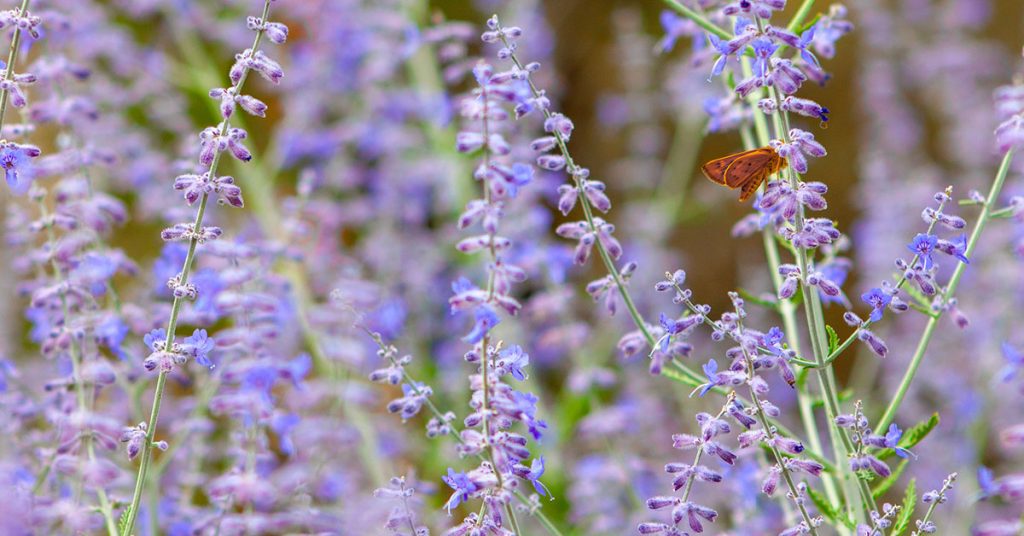
Russian Sage is a robust and drought-tolerant perennial that thrives in sunny, well-drained locations. Native to the steppes of Central Asia, this plant is known for its tall, airy spikes of lavender-blue flowers that bloom from mid-summer to early fall. The silvery, aromatic foliage adds texture and contrast to garden beds, making it a favorite among gardeners looking for low-maintenance yet striking plants.
August is an excellent time to plant Russian Sage, as it gives the plant ample time to establish its roots before winter. Once established, this perennial is incredibly resilient and can withstand poor soils and dry conditions, making it perfect for xeriscaping or low-water gardens. Be sure to plant it in full sun for the best flowering and to avoid overly rich soil, which can cause the plant to flop. Russian Sage will reward you with beautiful blooms and minimal care year after year.
Black-Eyed Susan (Rudbeckia hirta)

Black-Eyed Susan is a quintessential American wildflower, native to the eastern United States. Its bright yellow petals and dark, domed centers make it a cheerful addition to any garden, attracting pollinators like bees and butterflies. Black-Eyed Susan is a hardy perennial that can tolerate a wide range of soil types and conditions, making it an ideal choice for late-summer planting.
Planting Black-Eyed Susan in August allows it to establish its roots before the cooler weather sets in. This perennial is particularly well-suited for borders, meadows, and naturalized areas, where it can spread and create a vibrant, low-maintenance display. Black-Eyed Susan blooms from late summer into fall, providing a burst of color when many other plants are starting to fade. Its tough, resilient nature means it will return year after year, bringing a touch of wild beauty to your garden.
Sedum (Sedum spp.)
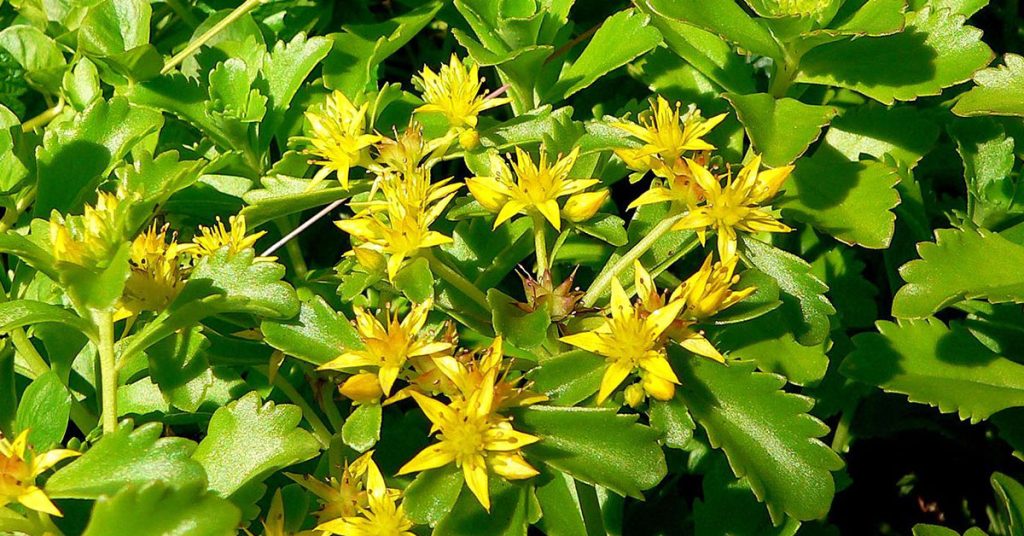
Sedum, commonly known as stonecrop, is a diverse group of succulents that are prized for their drought tolerance and vibrant fall blooms. Native to a variety of regions, including Europe, Asia, and North America, Sedum is incredibly adaptable and can thrive in poor soils where other plants might struggle. With its fleshy leaves and clusters of star-shaped flowers, Sedum is a low-maintenance choice that adds interest to rock gardens, borders, and containers.
August is a perfect time to plant Sedum, as the cooler temperatures of late summer allow the plant to settle in before winter. Sedum is best planted in full sun, where it will produce the most abundant blooms. The plant’s ability to withstand drought and poor soil conditions makes it an excellent choice for xeriscaping or areas with limited water availability. Sedum comes in many varieties, from low-growing ground covers to taller, upright forms, ensuring there’s a type to suit every garden.
Daylily (Hemerocallis spp.)
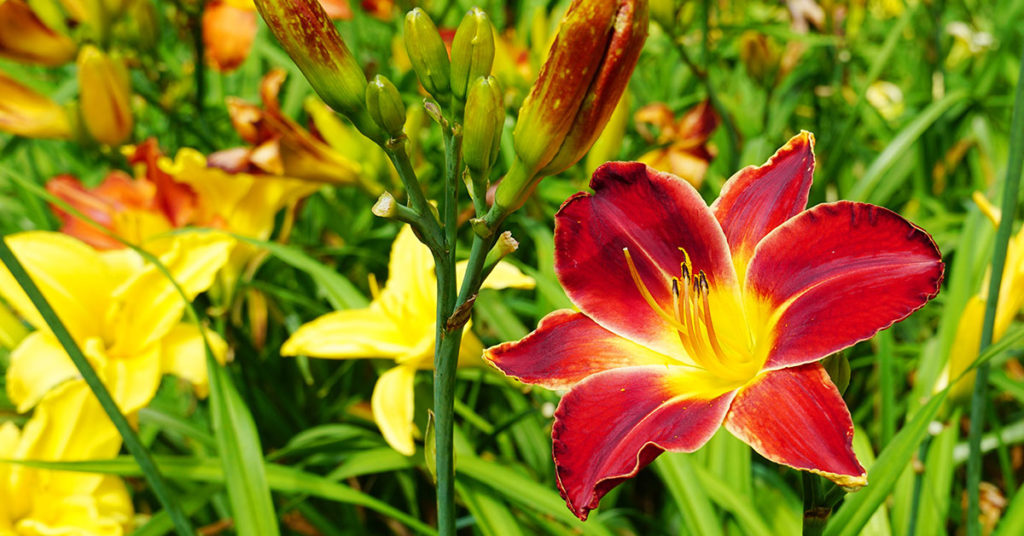
Daylilies are beloved for their vibrant, trumpet-shaped flowers and their ability to thrive in a variety of garden conditions. Native to Asia, these perennials have been cultivated for centuries and come in a dazzling array of colors and forms. Daylilies are known for their hardiness and adaptability, making them a great choice for planting in August, when they can establish their roots before winter.
One of the best features of daylilies is their long blooming period, with some varieties flowering repeatedly throughout the growing season. These plants are virtually pest-free and require minimal care, making them ideal for busy gardeners. When planting daylilies, choose a location with well-drained soil and full to partial sun. Their ability to thrive in less-than-ideal conditions makes daylilies a reliable and rewarding addition to any garden.
Echinacea (Echinacea purpurea)

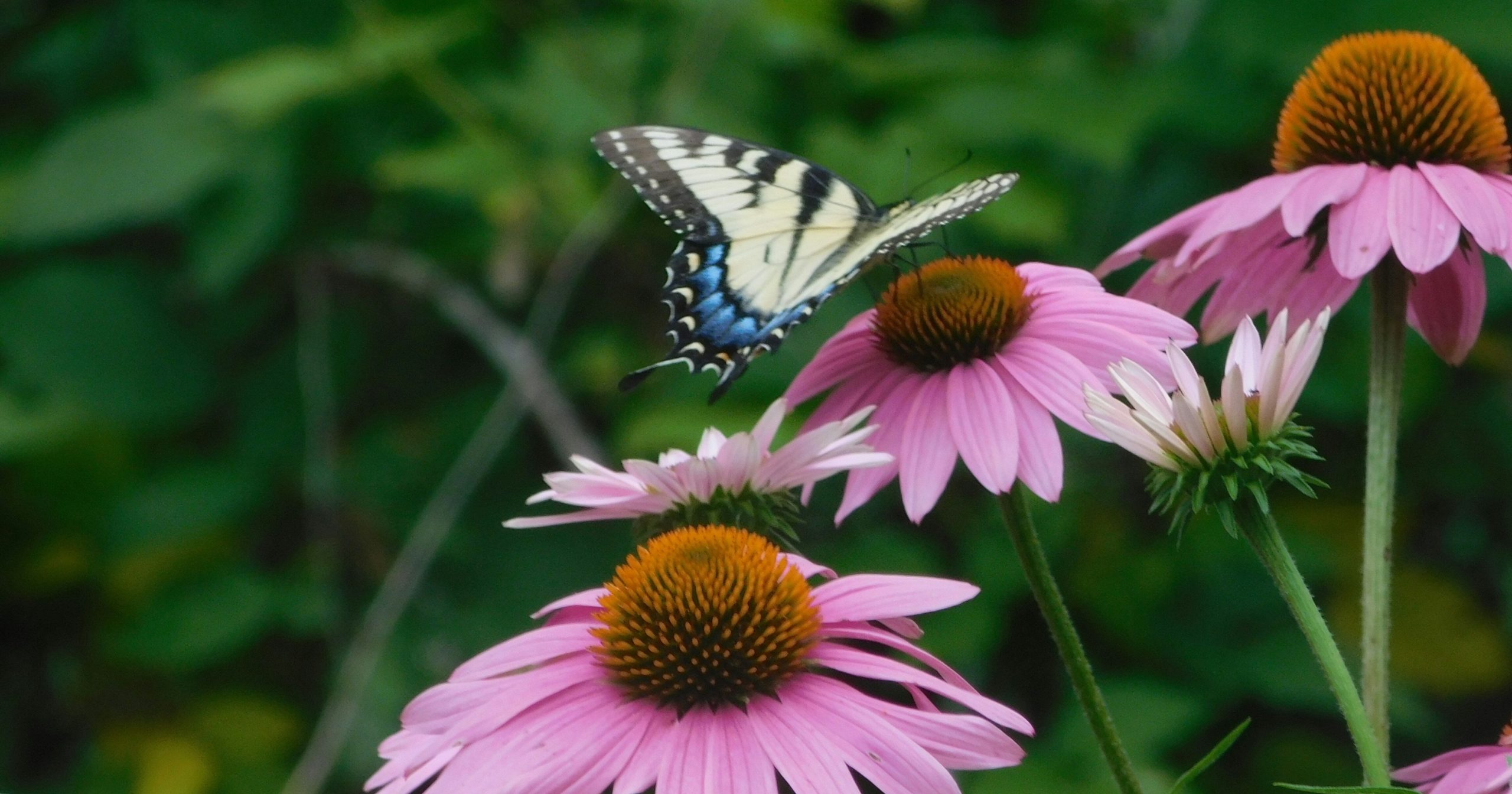
Echinacea, also known as coneflower, is a native North American perennial that has become a garden staple due to its striking, daisy-like flowers and its ability to attract pollinators. With its tall, sturdy stems and vibrant pink, purple, or white flowers, Echinacea adds height and color to garden beds and borders. This hardy plant is drought-tolerant and thrives in a variety of soil types, making it a great candidate for August planting.
Planting Echinacea in late summer allows the plant to develop a strong root system, which will support its growth and flowering in the following seasons. Echinacea prefers full sun but can tolerate partial shade, especially in hotter climates. The flowers are not only beautiful but also beneficial, providing nectar for bees and butterflies, and later in the season, seeds for birds. Echinacea’s medicinal properties are also well-known, with the plant being used traditionally to boost the immune system.
Coral Bells (Heuchera spp.)
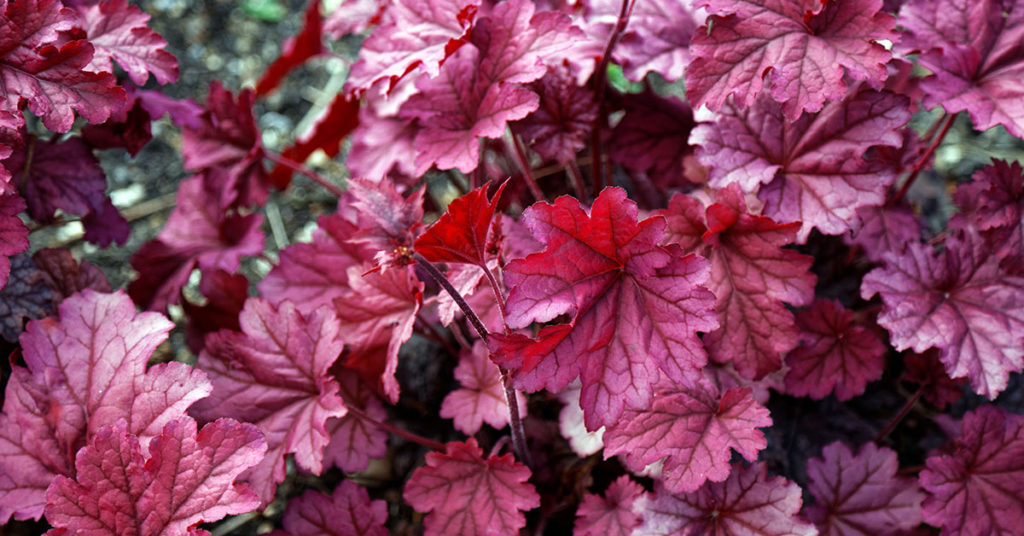
Coral Bells are prized for their colorful foliage and delicate, bell-shaped flowers that bloom in late spring and early summer. Native to North America, these perennials are often grown for their striking leaves, which come in a variety of colors ranging from deep purple to bright lime green. Coral Bells are versatile and can be used as ground cover, in borders, or in containers, adding color and texture to shady areas of the garden.
August is an ideal time to plant Coral Bells, giving them time to establish before the colder months. These perennials thrive in well-drained soil and prefer partial to full shade, making them perfect for woodland gardens or shaded borders. Coral Bells are also deer-resistant, making them a good choice for areas where wildlife pressure is high. With their attractive foliage and low-maintenance nature, Coral Bells will bring year-round interest to your garden.
Yarrow (Achillea millefolium)
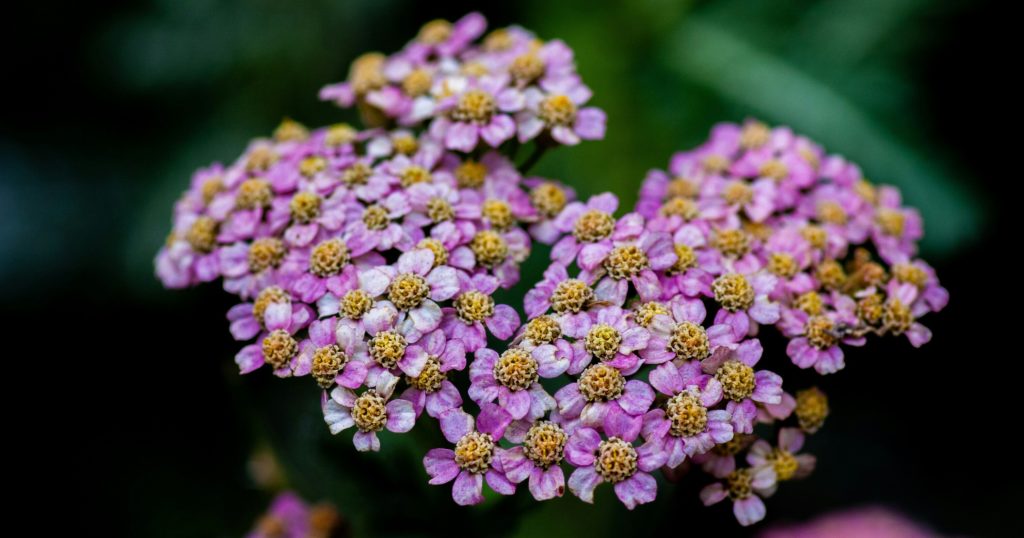
Yarrow is a tough, drought-tolerant perennial native to Europe and Asia, though it has naturalized across much of North America. Known for its clusters of flat-topped flowers in shades of white, yellow, pink, and red, Yarrow is a versatile plant that thrives in full sun and well-drained soil. This hardy perennial is also known for its medicinal properties, with a long history of use in herbal remedies.
Planting Yarrow in August allows it to take root and prepare for a robust display next spring and summer. Yarrow is excellent for borders, meadows, and naturalized areas, where it can spread and create a colorful, low-maintenance display. The flowers are long-lasting and make excellent cut flowers, while the plant itself is a magnet for pollinators like bees and butterflies. Yarrow’s ability to thrive in poor soil conditions makes it a resilient addition to any garden.
Blanket Flower (Gaillardia spp.)
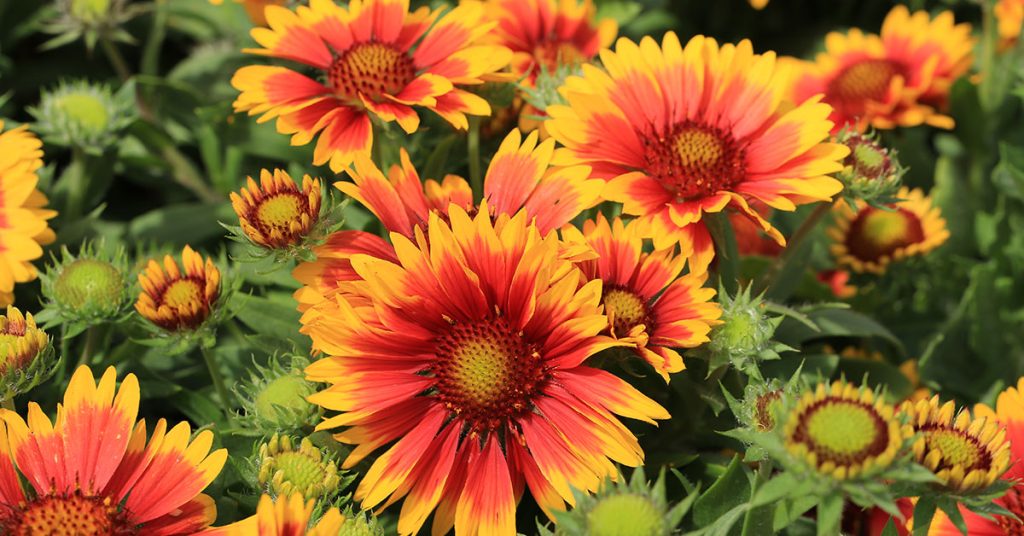
Blanket Flower, or Gaillardia, is a sun-loving perennial native to North and South America. It’s known for its bright, daisy-like flowers in vibrant shades of red, orange, and yellow, which bloom from early summer until frost. Blanket Flower is a low-maintenance plant that thrives in hot, dry conditions, making it a perfect choice for August planting.
This perennial is ideal for borders, rock gardens, and containers, where it can add a splash of color to the garden. Blanket Flower prefers well-drained soil and full sun, where it will produce the most abundant blooms. Once established, it’s drought-tolerant and resistant to deer, making it a hardy and reliable choice for gardeners looking to extend their flowering season. With its bold colors and easy care, Blanket Flower is a standout addition to any late-summer garden.
Coreopsis (Coreopsis spp.)
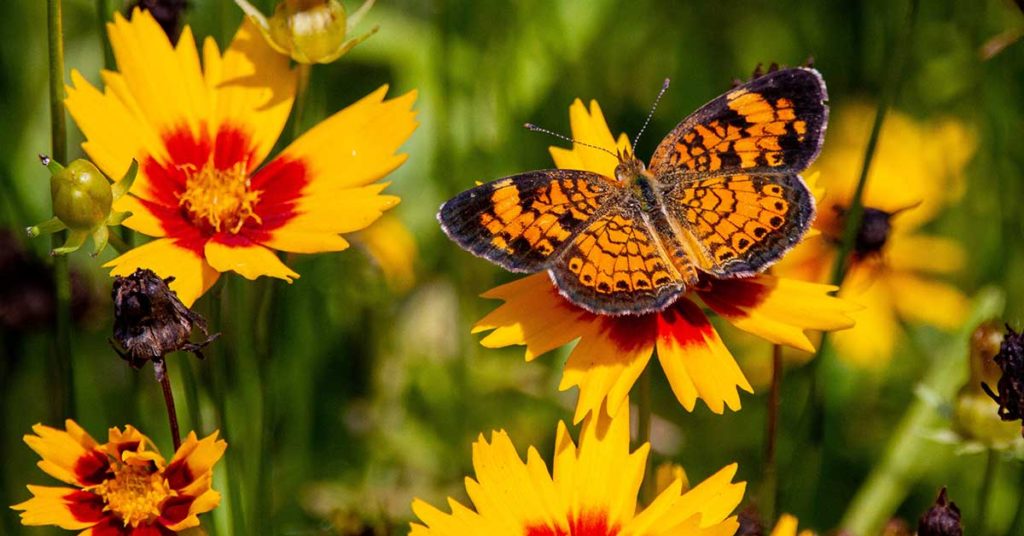
Coreopsis, also known as tickseed, is a cheerful, sun-loving perennial native to North America. It’s prized for its bright, daisy-like flowers that bloom profusely from early summer to fall. Coreopsis is a versatile plant that can thrive in a variety of soil types, making it an excellent choice for late-summer planting.
Planting Coreopsis in August allows it to establish its roots and prepare for a full season of blooms next year. This perennial is easy to care for, requiring minimal water and attention once established. Coreopsis is also a favorite of pollinators, attracting bees and butterflies to the garden. Its long blooming period and vibrant colors make it a popular choice for borders, wildflower gardens, and containers. With its resilience and beauty, Coreopsis is a must-have for any garden looking to add late-season interest.
Helenium (Helenium autumnale)
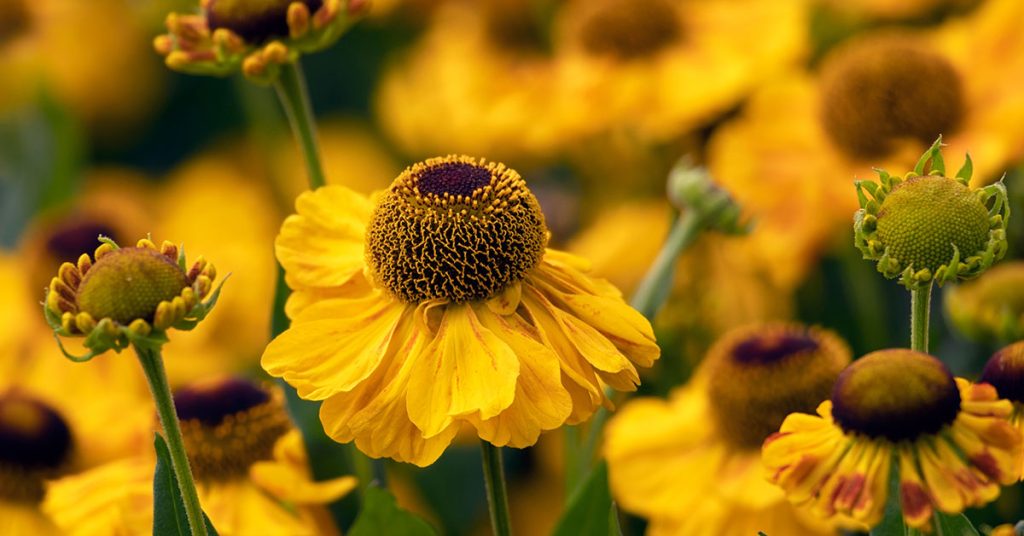
Helenium, also known as sneezeweed, is a hardy perennial that brings a burst of late-season color to the garden. Native to North America, Helenium produces bright, daisy-like flowers in shades of yellow, orange, and red from late summer into fall. This long-blooming perennial is a favorite for attracting pollinators, and its vibrant colors provide a striking contrast to the fading greens of the late-season garden.
August is a great time to plant Helenium, giving it time to establish before the winter months. Helenium prefers full sun and well-drained soil, and it benefits from regular watering during dry periods. This perennial is perfect for borders, cottage gardens, and wildflower meadows, where it can add height and color. Helenium’s late bloom time ensures that your garden remains lively and colorful well into the fall, making it a valuable addition to any perennial garden.