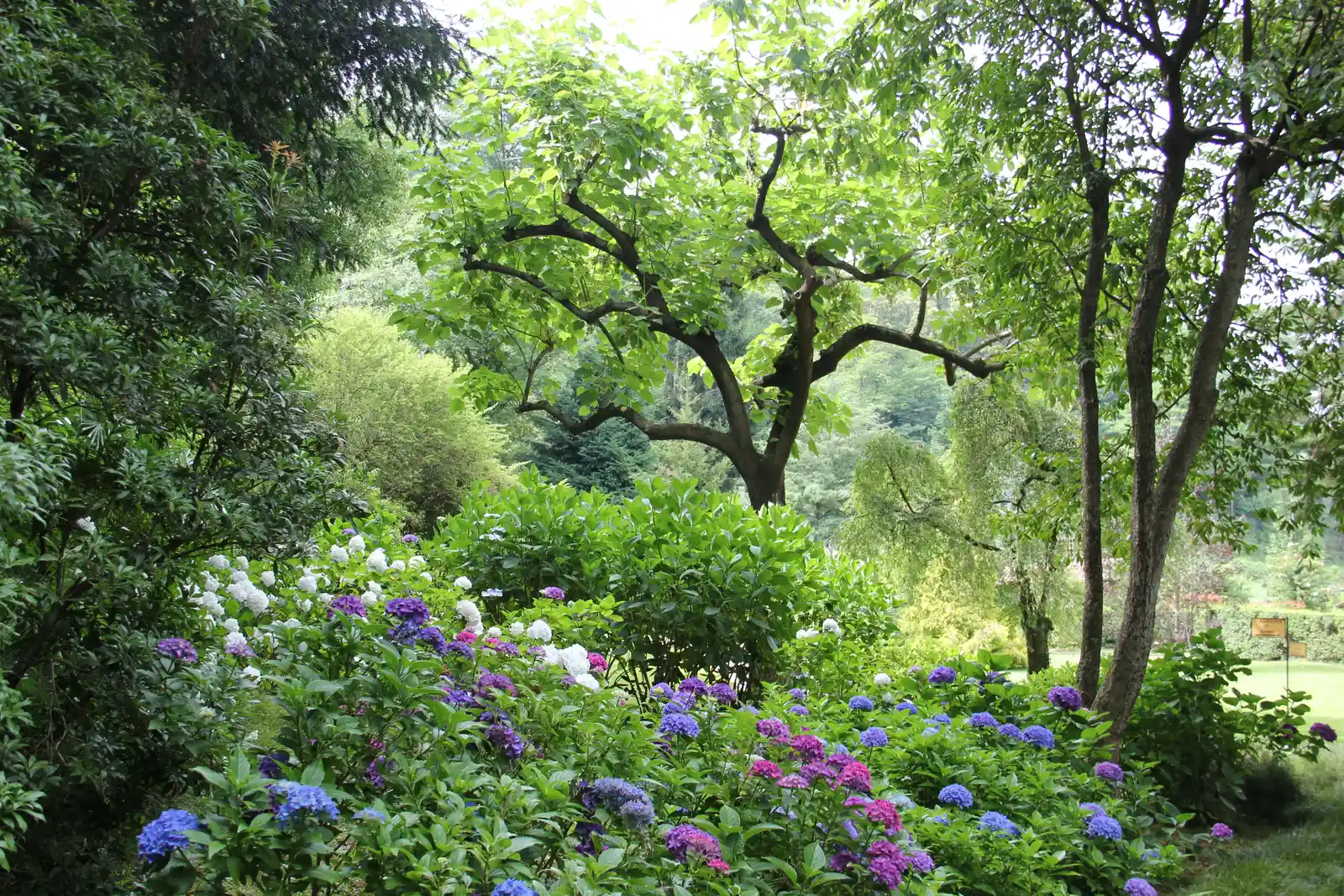

Gardeners often spend considerable time each spring replacing faded annuals, yet a different approach has gained steady favor among those seeking reliable color without repeated effort. Perennial plants, once placed in suitable spots, settle into the soil and reappear with the seasons. This shift reduces the annual cycle of purchase and planting while still delivering consistent visual interest across beds and borders.
The Practical Payoff of Low-Maintenance Choices
Many gardeners face limited time and resources, making the decision to favor plants that persist especially appealing. Perennials that come back every year eliminate the need for yearly replanting, freeing attention for other garden tasks such as pruning or soil improvement. Over several seasons the initial investment in these plants yields repeated displays of foliage and bloom with minimal additional cost.
Established plants also tend to develop stronger root systems that help them withstand periods of drought or temperature swings better than freshly set annuals. This resilience contributes to a more stable garden environment where fewer interventions are required. The result is a landscape that maintains its character through changing weather without constant oversight.
Understanding the Establishment Phase
The first year or two after planting represent the critical window during which perennials direct energy toward root development rather than visible growth above ground. During this period consistent moisture and protection from weeds support the transition to self-sufficiency. Once roots are well anchored, the plants typically require less frequent watering and feeding.
Site selection plays a central role in long-term success. Matching each perennial to the available light, soil type, and drainage conditions reduces stress and encourages the natural return cycle. Gardeners who observe these factors early often see stronger performance in subsequent years with correspondingly lower maintenance demands.
Key Practices That Support Reliable Returns
Attention to a few core habits helps ensure perennials continue to thrive and reemerge annually:
- Prepare soil thoroughly before planting to improve structure and nutrient availability.
- Water deeply but infrequently during the first growing season to encourage deep rooting.
- Remove competing weeds promptly so young plants can establish without undue competition.
- Apply a layer of organic mulch to moderate soil temperature and retain moisture.
- Divide mature clumps every few years when growth slows or centers become sparse.
These steps, applied consistently at the outset, translate into gardens that require progressively less intervention. The focus shifts from repeated planting to occasional care that sustains the existing framework.
Looking Ahead to Sustained Garden Enjoyment
Over time, a collection of well-chosen perennials creates continuity that annual plantings alone cannot match. Beds gain depth and character as plants mature and fill their allotted spaces. Gardeners who adopt this method often report greater satisfaction with the overall rhythm of their outdoor spaces.
The approach aligns with broader interests in sustainable practices by reducing the frequency of soil disturbance and material purchases. In this way, the initial effort to select and place perennial plants supports both personal enjoyment and more measured resource use across multiple seasons.
AI Disclaimer: This article was created with the assistance of AI tools and reviewed by a human editor.