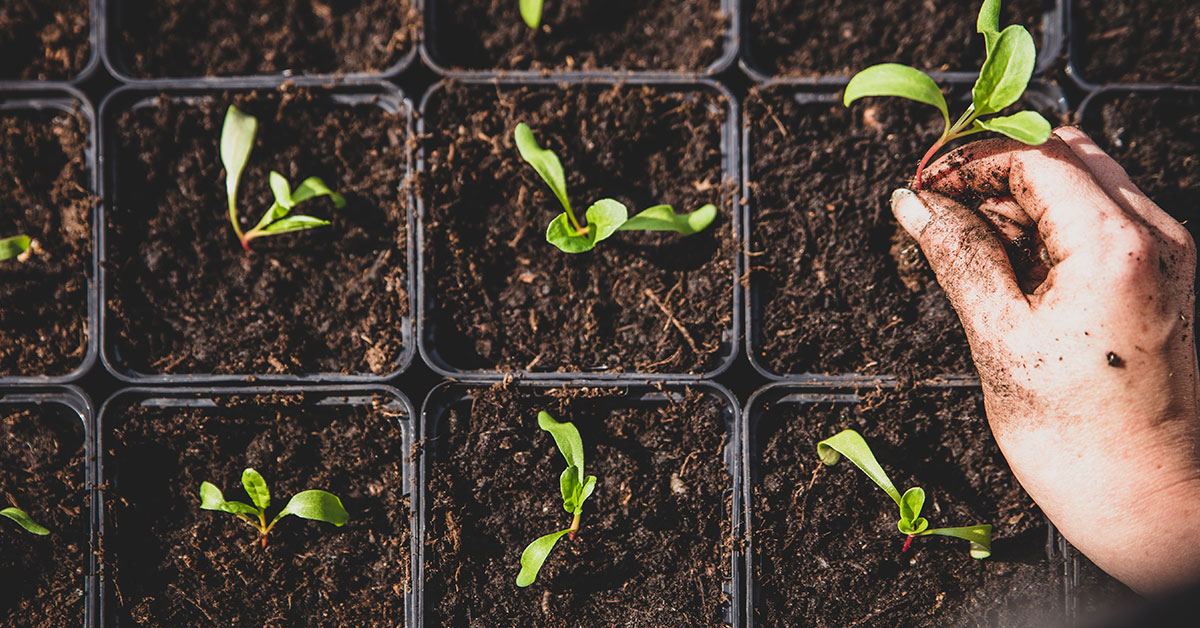

Peppermint Swiss Chard is a delightful and versatile addition to any garden. This unique variety of chard, with its vibrant green leaves and striking red veins, not only adds a pop of color to your garden but also offers a refreshing minty flavor to your culinary creations. Whether you are an experienced gardener or just starting out, growing Peppermint Swiss Chard is a rewarding and straightforward endeavor.
In this article, we will explore the origins of this delightful plant, its growth requirements, and the various ways you can incorporate it into your garden and kitchen. So grab your gardening gloves and get ready to discover the wonders of Peppermint Swiss Chard!
What is a Peppermint Swiss Chard?
Peppermint Swiss Chard is a unique and flavorful variety of Swiss Chard, which is a leafy green vegetable. This particular variety is known for its vibrant and eye-catching appearance, with dark green leaves that have bright red veins running through them. These red veins resemble the color and pattern of peppermint candy, hence the name.
The leaves of Peppermint Swiss Chard are large, glossy, and slightly crinkled, giving them an attractive texture. They are also tender and have a mild, earthy flavor similar to other types of Swiss Chard. However, what sets this variety apart is its subtle hint of minty sweetness, which makes it stand out in both taste and appearance.
Like other Swiss Chard varieties, Peppermint Swiss Chard is highly nutritious, packed with vitamins A, C, and K, as well as minerals like potassium and magnesium. It is also rich in dietary fiber, which is beneficial for digestion and overall gut health. Moreover, the red veins in the leaves contain antioxidants that contribute to the vegetable’s health benefits.
Peppermint Swiss Chard is a versatile vegetable that can be used in various culinary preparations. Its leaves can be eaten raw in salads, providing a refreshing and colorful addition. They can also be cooked or sautéed, either on their own or as part of a stir-fry or side dish. The leaves cook down to a tender texture, and their unique flavor adds a delightful twist to any dish.
When growing Peppermint Swiss Chard in your garden, it is best to sow the seeds directly in well-draining soil during the cooler months of spring or fall. The plants thrive in full sun to partial shade, and regular watering is essential to keep the soil evenly moist. As the plants grow, you can harvest the outer leaves individually by cutting them off near the base, allowing the inner leaves to continue growing.
Overall, Peppermint Swiss Chard is a visually appealing and delicious addition to any garden and kitchen. Its unique flavor and vibrant appearance make it a favorite among gardeners and food enthusiasts alike.
What does Peppermint Swiss Chard taste like?
Peppermint Swiss chard, also known as peppermint spinach or red veined sorrel, is a unique and flavorful variety of Swiss chard. Its taste can be described as a delightful combination of peppermint with a hint of tartness.
The leaves of this variety are tender and crisp, offering a refreshing cooling sensation similar to that of peppermint leaves. The distinct peppermint flavor is subtle yet distinct, providing a pleasant and aromatic taste experience. It adds a refreshing and slightly sweet note to dishes, making it an excellent choice for adding a unique twist to your culinary creations.
Additionally, the red veins that run through the vibrant green leaves provide a visually appealing contrast, making this variety not only delicious but also visually striking in salads and other dishes.
Whether used raw in salads, sautéed, or added to soups and stir-fries, the peppermint Swiss chard adds a burst of refreshing flavor that is sure to tantalize your taste buds. It is a versatile and enjoyable addition to any dish, providing a delightful and unique taste experience.
How to start from seed
Starting Peppermint Swiss Chard from seeds is a relatively simple process. Here’s a step-by-step guide to help you get started:
- Choose a suitable location: Peppermint Swiss Chard prefers a sunny location with well-drained soil. Ensure that the soil is rich in organic matter and has a pH level of around 6.0 to 7.0.
- Prepare the soil: Before planting, prepare the soil by removing any weeds, rocks, or debris. Loosen the soil to a depth of about 6-8 inches using a garden fork or tiller. Incorporate compost or well-rotted manure to improve fertility and drainage.
- Sow the seeds: Peppermint Swiss Chard seeds can be sown directly into the garden or started indoors. If starting indoors, fill seed trays or pots with a good quality seed-starting mix. Moisten the soil lightly and sow the seeds about ½ inch deep, spacing them around 1-2 inches apart. Gently cover the seeds with soil and lightly tamp it down.
- Watering: Keep the soil consistently moist but not waterlogged. Water the seeds gently using a mist sprayer or a watering can with a fine rose attachment. Avoid overwatering, as it can lead to rotting or fungal diseases.
- Germination: Peppermint Swiss Chard seeds typically germinate within 7-14 days, depending on the temperature and growing conditions. Maintain a consistent temperature of around 70-75°F (21-24°C) to encourage proper germination. Once the seedlings emerge, provide them with sufficient light. If starting indoors, place them under grow lights or in a sunny spot near a window.
- Thin the seedlings: When the seedlings have grown a few inches tall and developed a couple of true leaves, thin them out to allow proper spacing. Peppermint Swiss Chard plants should ideally be spaced around 6-8 inches apart to provide enough room for growth. Carefully remove the weaker or overcrowded seedlings by snipping them at the soil level, rather than pulling them out, to avoid disturbing the remaining plants.
- Transplanting: If you started the seeds indoors, you can transplant the seedlings into the garden once they are around 3-4 inches tall and the danger of frost has passed. Harden off the seedlings by gradually exposing them to outdoor conditions over a period of 7-10 days. Plant them in the prepared soil at the recommended spacing.
- Care and maintenance: Peppermint Swiss Chard requires regular watering to keep the soil evenly moist throughout the growing season. Mulching around the plants can help retain moisture and suppress weeds. Fertilize every 4-6 weeks with a balanced organic fertilizer or side-dress with compost. Keep an eye out for pests like aphids, slugs, or snails, and take appropriate measures if necessary.
- Harvesting: Peppermint Swiss Chard leaves can be harvested once they reach a mature size, usually around 6-8 inches in length. Cut the outer leaves at the base of the plant, leaving the inner leaves to continue growing. Regular harvesting promotes new growth and extends the overall harvest period.
By following these steps, you should be able to successfully start and grow Peppermint Swiss Chard in your garden. Happy gardening!
Planting and growing Peppermint Swiss Chard
To plant and grow Peppermint Swiss Chard, you can follow these steps:
- Choose a suitable location: Select a sunny spot in your garden that receives at least 6-8 hours of direct sunlight per day. Ensure the soil is well-draining and rich in organic matter.
- Prepare the soil: Before planting, loosen the soil using a garden fork or tiller. Remove any weeds or rocks and incorporate compost or well-rotted manure to improve soil fertility.
- Sow the seeds: This vegetable can be directly sown into the ground or started indoors and transplanted later. If starting indoors, sow the seeds in seed trays or pots filled with seed starting mix, approximately 1/2 inch deep. Keep the soil moist and warm until the seedlings emerge.
- Transplanting (optional): Once the seedlings have developed 2-3 true leaves, they can be transplanted into the garden. Space the plants about 12-18 inches apart to allow proper airflow and growth.
- Watering: Keep the soil consistently moist but not waterlogged. Water deeply whenever the top inch of soil feels dry. Avoid overhead watering to prevent fungal diseases. Mulching around the plants can help retain moisture and suppress weeds.
- Fertilizing: Swiss Chard is a moderate feeder and benefits from regular feeding. Apply a balanced organic fertilizer or compost tea every 3-4 weeks during the growing season to promote healthy growth.
- Pest and disease control: Swiss Chard is generally resistant to pests and diseases. However, keep an eye out for common garden pests like aphids, slugs, and snails. Handpick them or use organic pest control methods if necessary.
- Harvesting: Peppermint Swiss Chard can be harvested when the leaves are young and tender, usually around 6-8 weeks after sowing. You can either pick individual leaves or cut the entire plant about an inch above the soil level. Regular harvesting encourages new growth.
- Maintenance: Remove any yellow or damaged leaves as they appear to maintain plant health and appearance. Regularly check for signs of pests or diseases and take appropriate action if needed.
By following these steps, you should be able to successfully plant and grow Peppermint Swiss Chard in your garden. Enjoy your harvest!
When to harvest
The best time to harvest Peppermint Swiss Chard is when the leaves are young and tender, typically around 30-60 days after planting. You can start harvesting the outer leaves when they reach around 6-8 inches in length. It’s important to harvest regularly to promote continuous growth and prevent bolting (flowering) of the plant. Remember to use a sharp knife or scissors to cut the leaves off at the base, leaving the center of the plant intact for further growth.