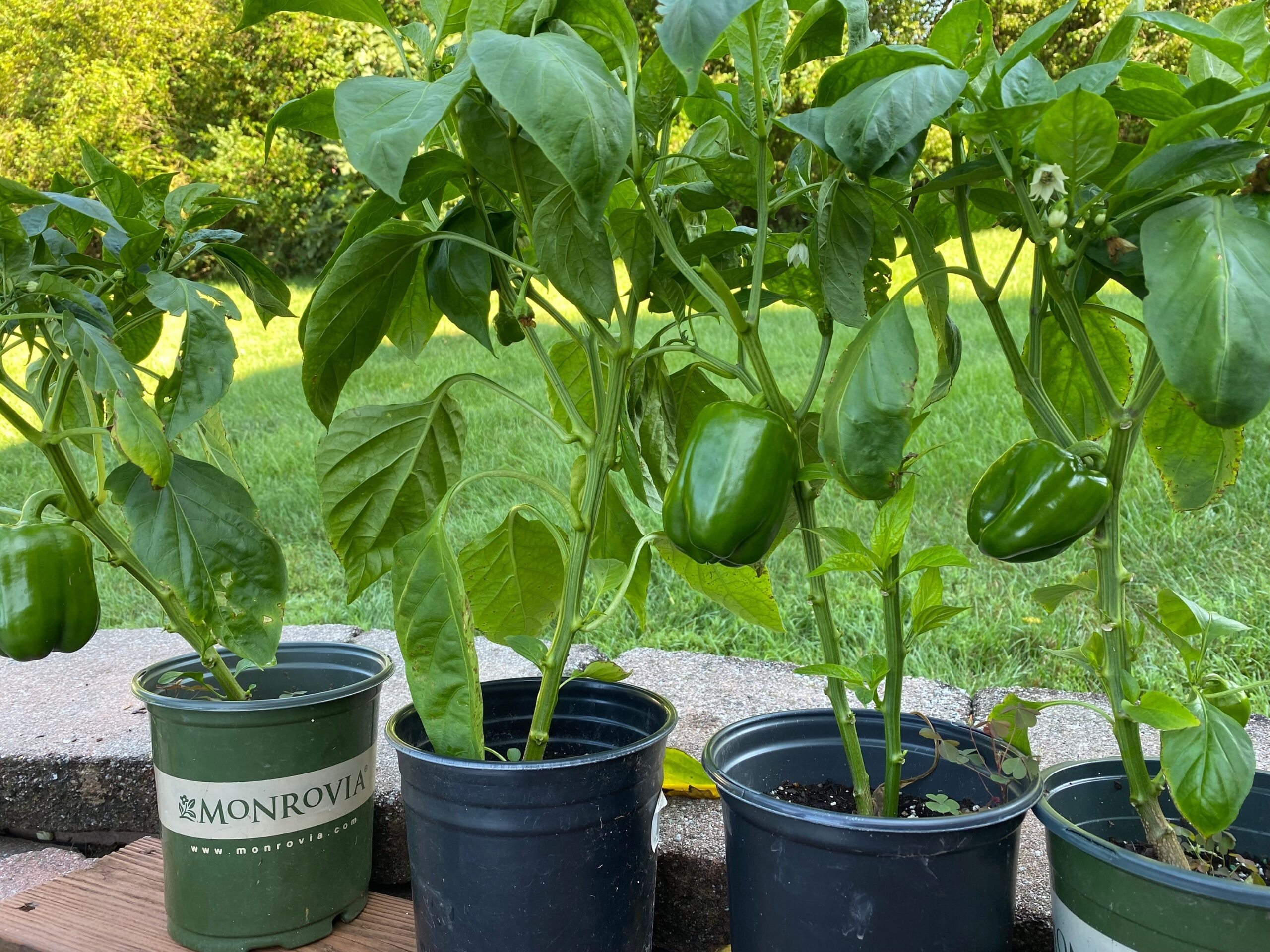

Peppers Are Not True Annuals
Pepper is classed botanically as a tender perennial rather than an annual, and a plant that is otherwise healthy can be brought indoors, held in a cool dormant state, and set back outside in spring instead of started over from seed. Most of us never learned this because most seed packets and garden guides treat them as annuals by default.
In their native habitat, pepper plants are actually perennial, meaning they can live for years and years. You might think of peppers as annuals if you’re growing anywhere other than a tropical or subtropical climate. That’s because peppers can’t handle freezing temperatures.
How Long Can a Pepper Plant Actually Live?
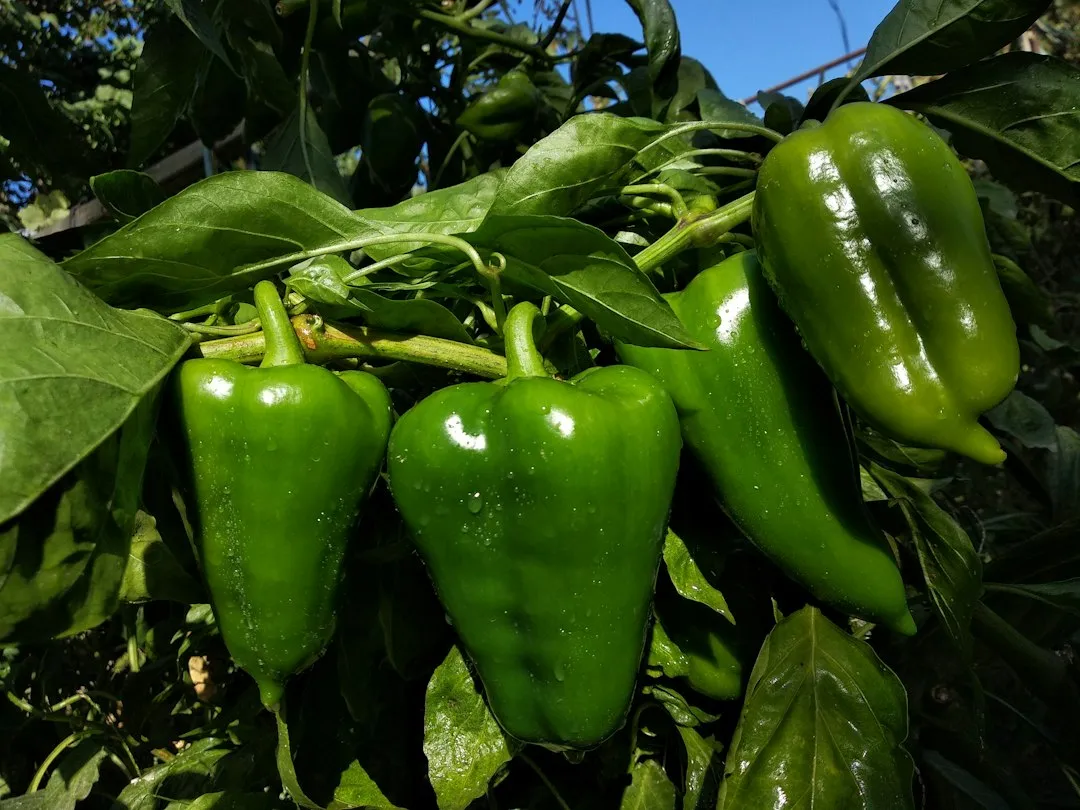
Capsicum annuum species, which include common varieties like poblanos, can live anywhere from one and a half to over three years, though they tend to be most productive in their first year. Although “annuum” is Latin for “annual,” these can still be perennial plants if grown in tropical climates or indoors, and in good conditions some varieties in this family can live for even longer than three years.
Capsicum chinense varieties, which include the hottest peppers in the world such as habaneros, scotch bonnets, ghost peppers, and Carolina Reapers, can live between three and five years. On the longer end of the spectrum, Tabasco peppers and other Capsicum frutescens varieties, including Thai hot and many Indian peppers, can live between three and eight years.
The Right Time to Bring Them In
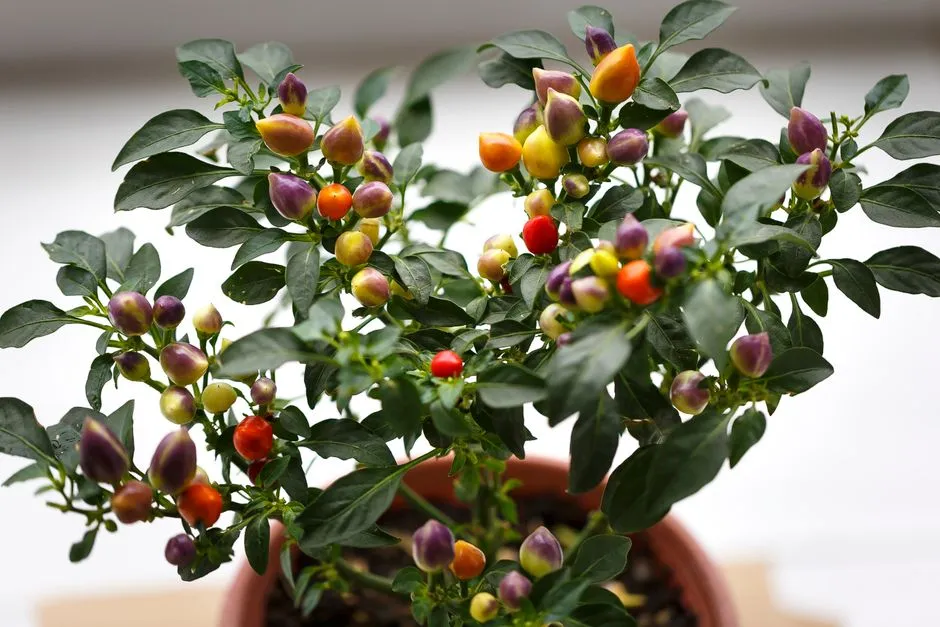
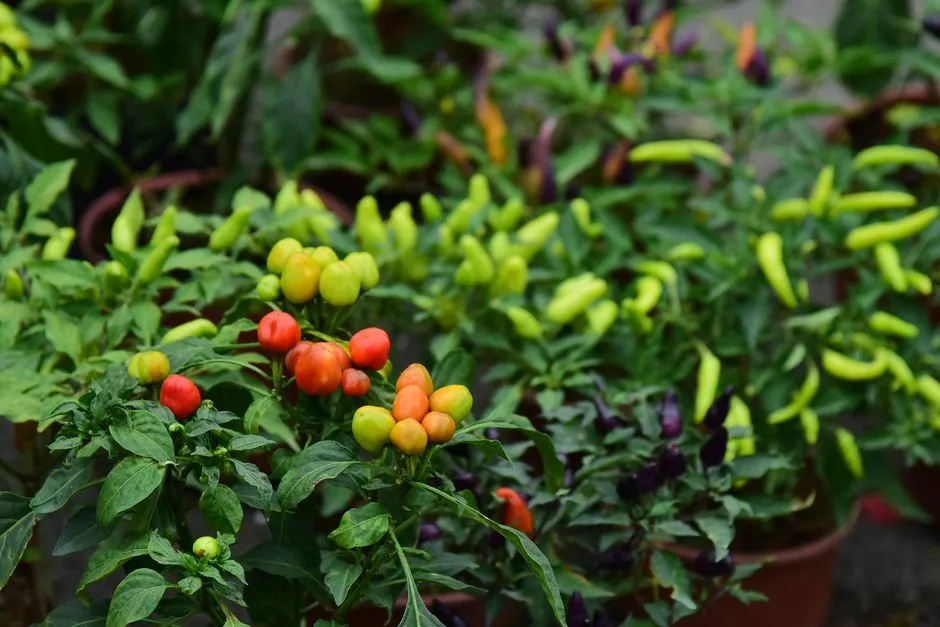
Begin the process when overnight temperatures start dipping into the mid-40s Fahrenheit. Peppers are damaged by frost, so don’t wait for a freeze – a single hard frost can kill a plant outright. Bring plants in while nights are cool but still above freezing, which gives them time to adjust before true winter sets in.
You want to act before nighttime temps drop below 50°F, since peppers slow dramatically at that point and a frost event will kill them outright. In most of the continental US, that means mid-September through October depending on your zone. Don’t wait for the first frost warning – by then you’re already behind.
What Happens When You Dig Them Up
If your peppers are already in pots, you’re halfway there. For in-ground plants, dig them carefully to preserve as much root as possible and transplant into a container that fits the root ball. Rushing this step is where most people go wrong. The roots need some time to settle before the real cold sets in.
If your plants are in the ground rather than containers, you’ll need to dig and pot them about two to three weeks before your expected first frost date to give roots time to settle before the move indoors. Once potted, water the plant thoroughly and keep it out of direct sunlight for a couple of days to prevent shock.
How to Store Them Through Winter
Overwintered peppers go dormant in temperatures that range from the mid-50s to 65°F. A garage, basement, or shed works well. Anything higher than 70°F keeps the growth going, which doesn’t allow plants to conserve as much energy during the winter.
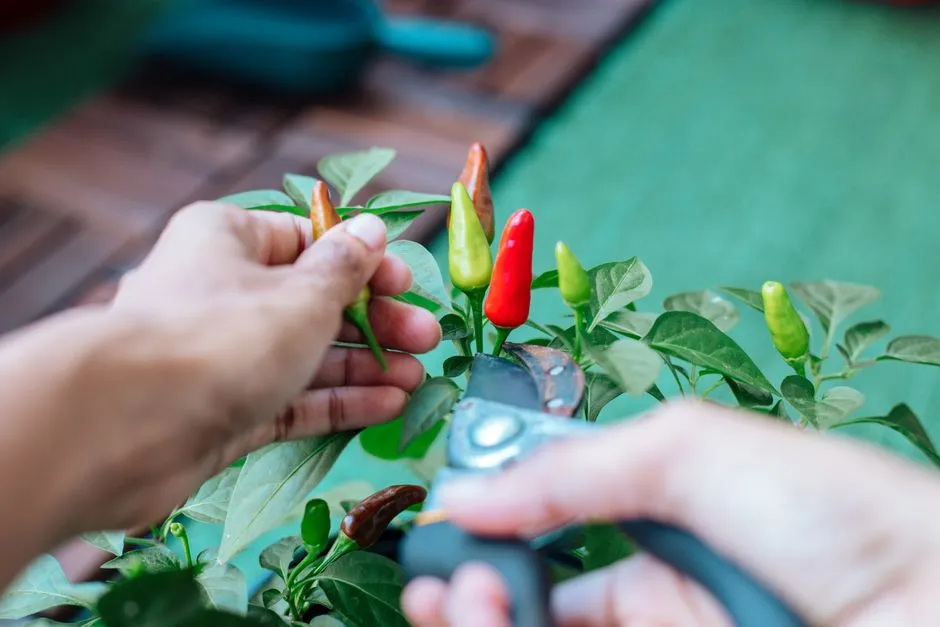
Two weeks before first frost, harvest all the fruit, prune the plant to a Y of bare stems six to ten inches tall, and strip every leaf. Dig it up, rinse the roots, trim them to fit a one to two gallon pot, dunk the plant in insecticidal soap solution, and repot in fresh potting mix. Store at 45°F to 55°F in a garage, basement, or mudroom with a little light, watering every three to four weeks when the mix is dry.
Pest Control Before You Bring Them Inside
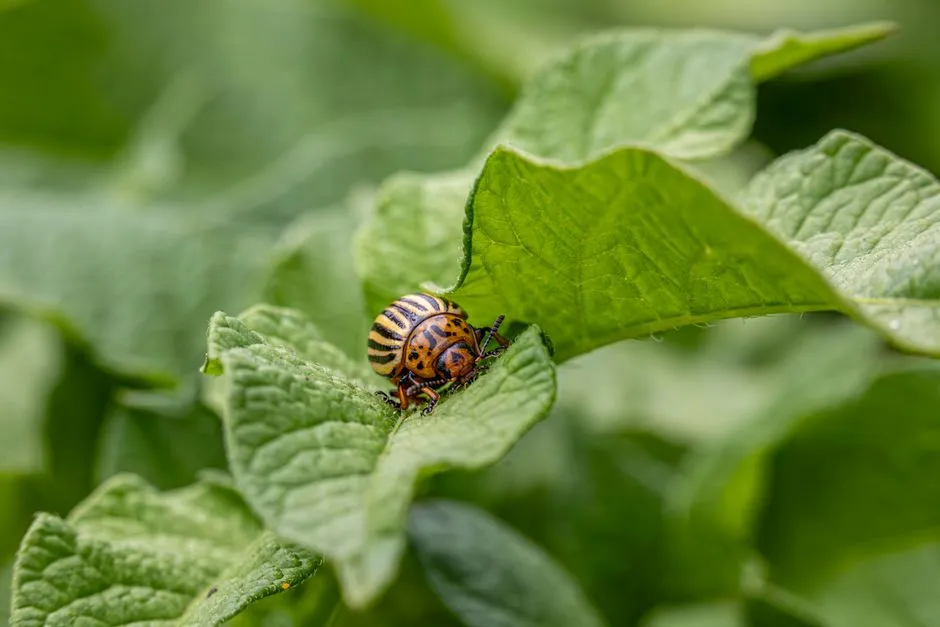
Prune the plant to remove any dead or diseased branches, immature fruit, or flowers. Inspect the plant for garden pests and treat it with insecticidal soap to ensure the plant won’t harbor pests over the winter or expose other houseplants to them. This is a step that is easy to skip and almost always regretted later.
Check for pests first, treat with insecticidal soap or neem oil, then re-harden the plant outdoors over one to two weeks once nights stay above 60°F. A clean plant going in means a clean, healthy plant coming out in spring.
Light and Water Needs Indoors
Pepper plants require fourteen to sixteen hours of light per day. Use grow lights with timers to ensure they get enough light, especially during the shorter days of winter. Keep the indoor temperature between 60 and 70°F to prevent stress.
Reduce watering frequency, allowing the soil to dry out between waterings. Overwatering during dormancy can lead to root rot. Stop fertilizing as growth slows down, and resume a light fertilization schedule six weeks before the expected end of the frost to encourage new growth.
Which Varieties Overwinter Best
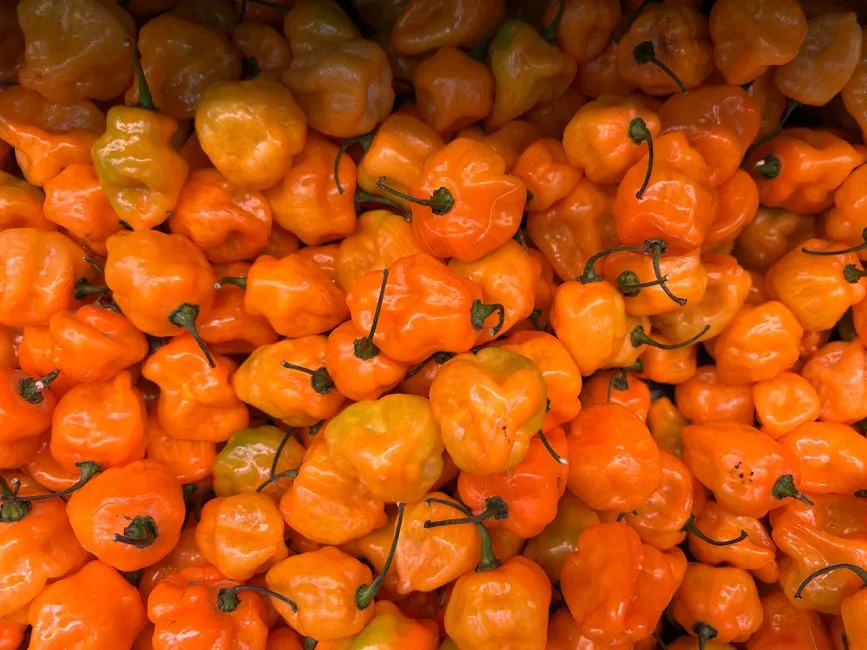
Capsicum chinense varieties such as habanero and scotch bonnet, C. frutescens such as tabasco, C. baccatum, and C. pubescens types tend to overwinter reliably as tender perennials. These are the varieties that respond most predictably to the process.
Superhot varieties like ghost pepper and Carolina Reaper especially benefit from overwintering because they need 90 to 150 days to produce ripe fruit – a second-year root system can cut weeks off that timeline. If you’ve ever raced the clock trying to ripen a ghost pepper before autumn arrives, this alone makes the effort worthwhile.
The Harvest Advantage in Year Two
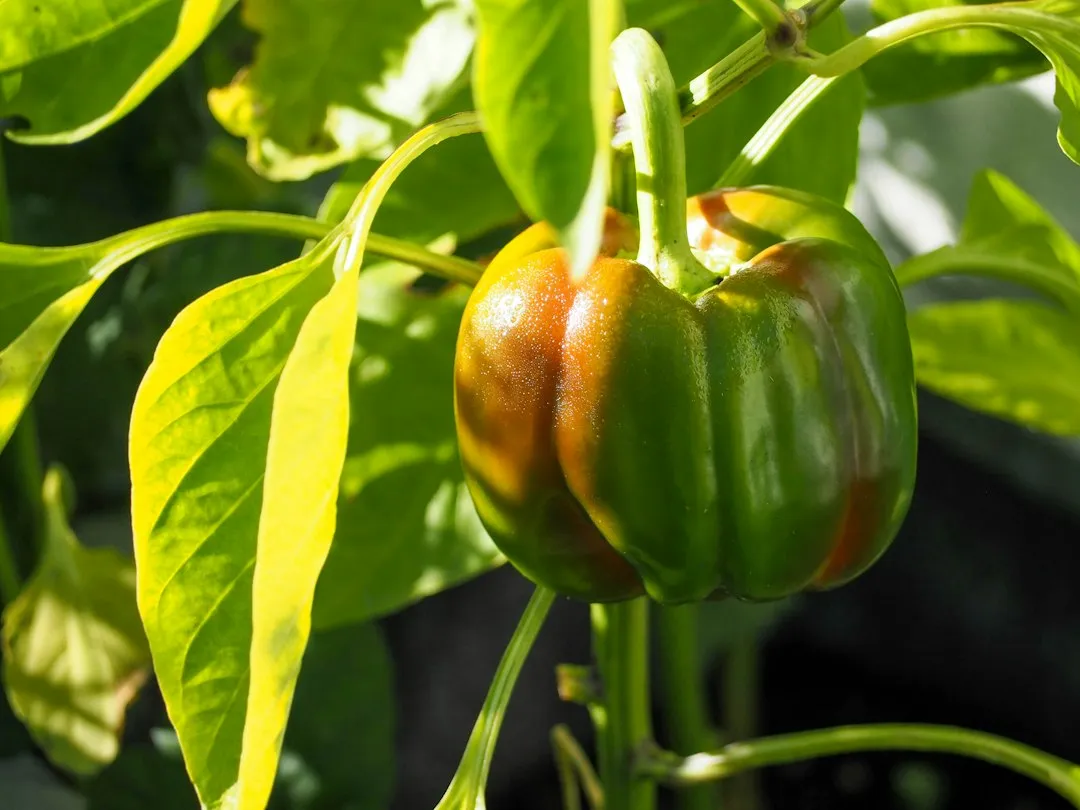
A second-year pepper plant starts the season with an established root system, a woody branching structure, and stored energy reserves. It flowers and fruits four to six weeks earlier than a first-year transplant and typically produces roughly thirty to fifty percent more fruit over the full season.
Second year pepper plants are usually highly productive. When moved back outside in spring, they’ll usually grow many new branches, transforming the plant into more of a bush and, for many varieties, producing more fruit. Additionally, since overwintered peppers have a head start over seedlings, they’ll usually flower and produce fruit earlier in the year.
Waking the Plant Up in Spring
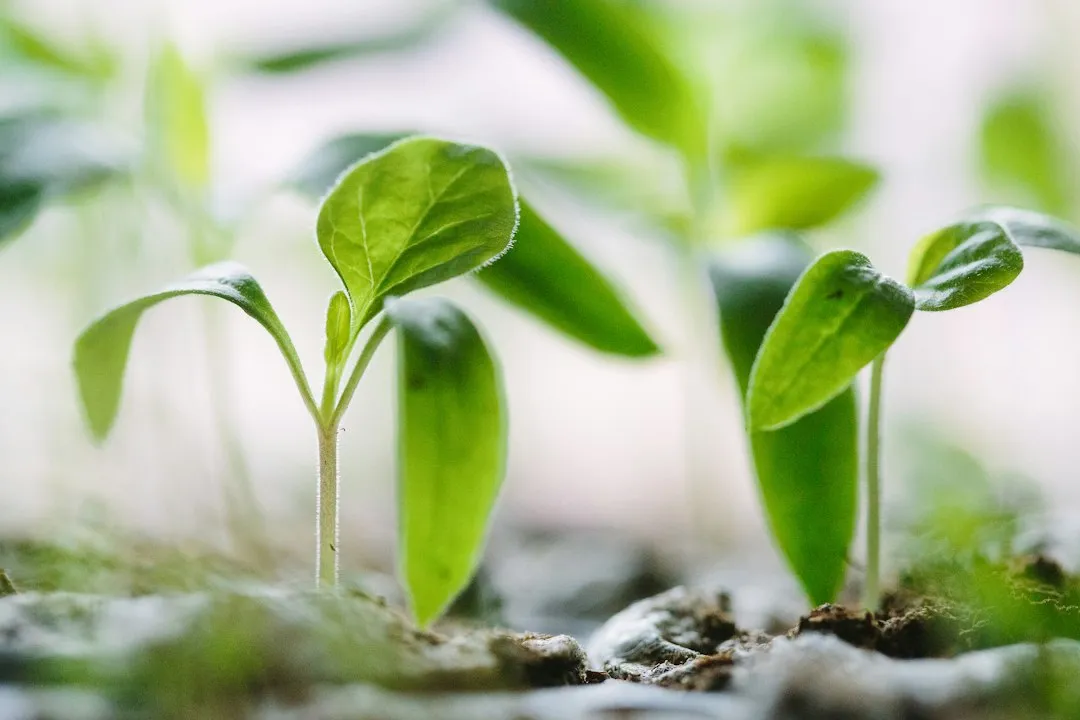
To end dormancy, about six weeks before the last expected frost date, move the plant to a warmer, sunnier location and increase watering. The plant will likely look quite bare at this point, which is normal. Patience here is the main skill required.
Iowa State’s guidance is to shift to brighter light over two to four weeks, then harden off outdoors after frost like seedlings, bringing pots in on any night below 55°F. New growth typically shows in two to four weeks, with fruit expected in sixty to ninety days. That timeline beats anything started from seed by a considerable margin.
The Bigger Picture: Why This Matters
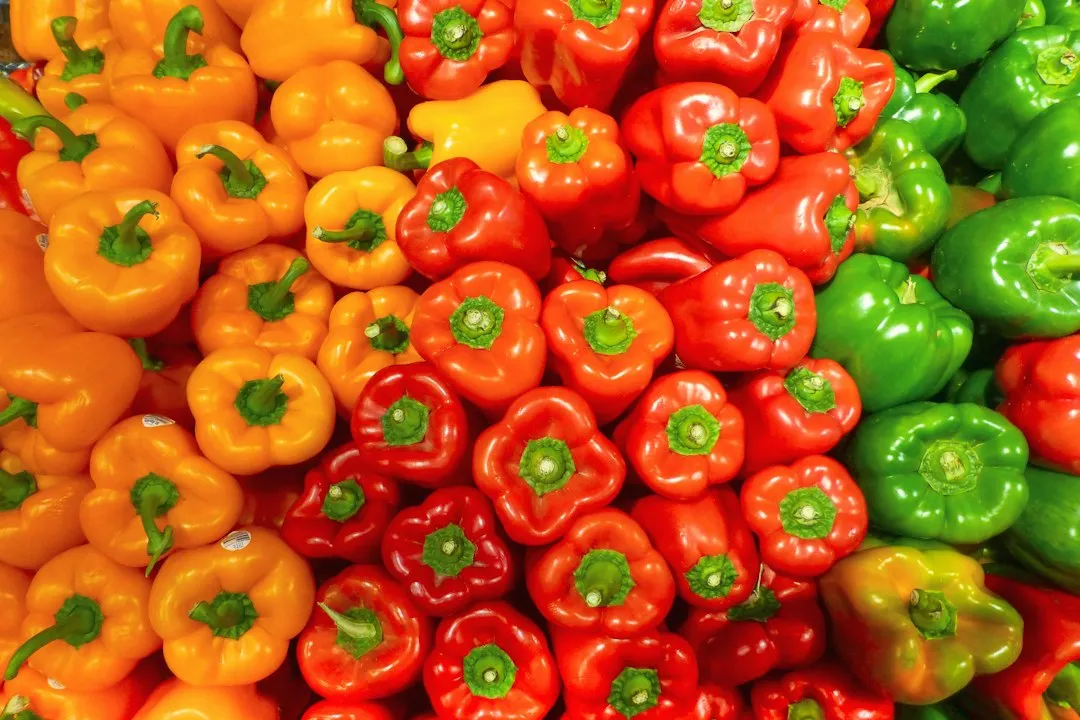
An overwintered pepper plant often produces more fruit than a first-year plant because it is already well established. Instead of treating peppers as one-season crops, preserving mature root systems allows them to restart growth quickly when warmer conditions return.
There’s also a practical cost argument. Overwintering pepper plants cuts costs on new seedlings each year. If you have a pepper plant that you’re particularly attached to or that’s a hard-to-find variety, overwintering your plants allows you to keep your favorite peppers going for years and save you the trouble of tracking down rare pepper varieties. Over several seasons, that adds up more than most gardeners expect.
A Smarter Way to End the Season
AI Disclaimer: This article was created with the assistance of AI tools and reviewed by a human editor.