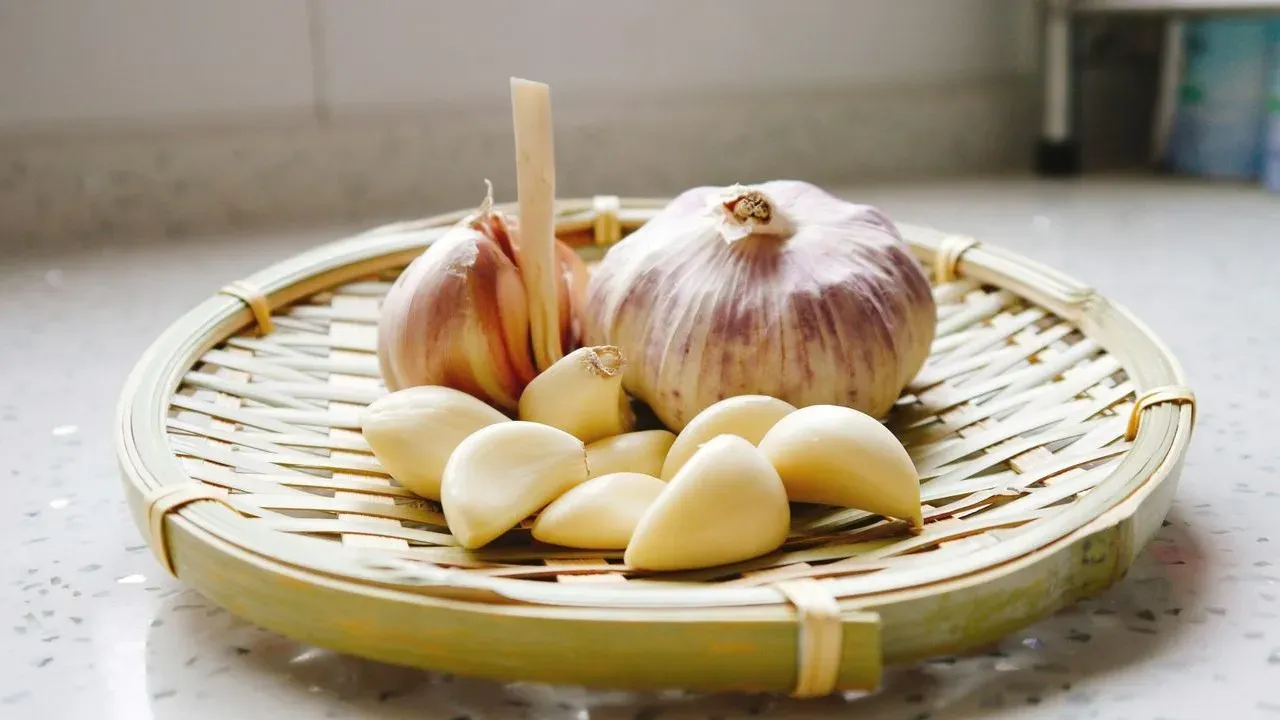

A backyard garlic harvest often leaves a kitchen with more cloves than anyone can use in a week, and peeling them in advance saves time. The catch is how long those cloves stay usable. The Homestead Gardener [1] piece takes up the question of the big harvest pile, and food storage guidance offers a clear answer with one important exception. ([12])
A Week Is the Working Answer
Peeled cloves kept in an airtight container or sealed bag ([2])generally last up to about a week in the refrigerator. Cold storage matters as much as the container. One guide advises keeping the fridge between 32 and 41 degrees Fahrenheit, since warmer conditions give garlic room to start sprouting ([3]).
Cut garlic goes faster than whole cloves. Chopped, sliced or minced pieces should be used within about three days, before discoloration sets in ([2]). Other guides suggest an even shorter window of roughly a day for chopped garlic ([4]), so the more the garlic is cut, the sooner it should be cooked.
Peeling itself shortens the clock. One food expert put it bluntly: ([5])peeled garlic will rot faster than unpeeled cloves. For that reason, many cooks peel only what they plan to use within a few days.
- Peeled cloves in an airtight container: about one week
- Chopped, sliced or minced garlic: about three days, or closer to one day in some guides
- Garlic stored in oil and refrigerated: four days by one federal guideline, seven days by another source
Key point: Garlic stored in oil carries a safety risk that plain peeled cloves do not. Treat oil storage as a short-term, refrigerated-only option.
Why Garlic in Oil Calls for Caution
Garlic in oil is where the storage advice becomes a safety issue. One food safety resource warns that fresh garlic stored in oil creates conditions where botulism spores can thrive, and it recommends avoiding oil preservation or confit at home ([6]). The National Center for Home Food Preservation advises refrigerating garlic in oil at 40 degrees or lower and using it within four days ([5]).
The stakes became clear in a recent recall. The FDA classified a Christopher Ranch peeled garlic product as a Class I recall, the most serious category, after the garlic was held in open-air coolers that could not maintain the required temperature range ([7]). The affected packages were sold at Tops stores in New York, Pennsylvania and Vermont, and the recall covered all code dates ([8]).
Botulism is rare, but it is serious. Symptoms can appear anywhere from six hours to two weeks after eating contaminated food, and anyone who feels unwell after eating should contact a healthcare provider ([9]).
Freezing and Whole Bulbs Change the Math
For a larger batch, the freezer offers more room. One simple method is to spread peeled cloves flat on a baking sheet, freeze them, and then move them into a bag ([4]). Frozen peeled cloves can keep for up to a year, although flavor may fade after about six months ([10]).
Whole bulbs follow different rules. They do best in a cool, dry pantry or a basket on the counter rather than in the refrigerator, where the cold can trigger sprouting within a couple of weeks ([4]). Keeping the bulbs intact until needed remains the simplest way to extend their life.
Checking Cloves Before Cooking
Before using refrigerated cloves, look and smell them first. Peeled cloves should appear firm and white or ivory, and brown or mushy spots suggest age and lower quality ([11]). Moisture trapped in sealed containers can also cause soft spots and a slimy texture ([10]).
A practical habit covers most situations. Peel in smaller batches, refrigerate them in a sealed container, and use them within a week. Any garlic that smells off or looks slimy should be discarded.
AI Disclaimer: This article was created with the assistance of AI tools and reviewed by a human editor.