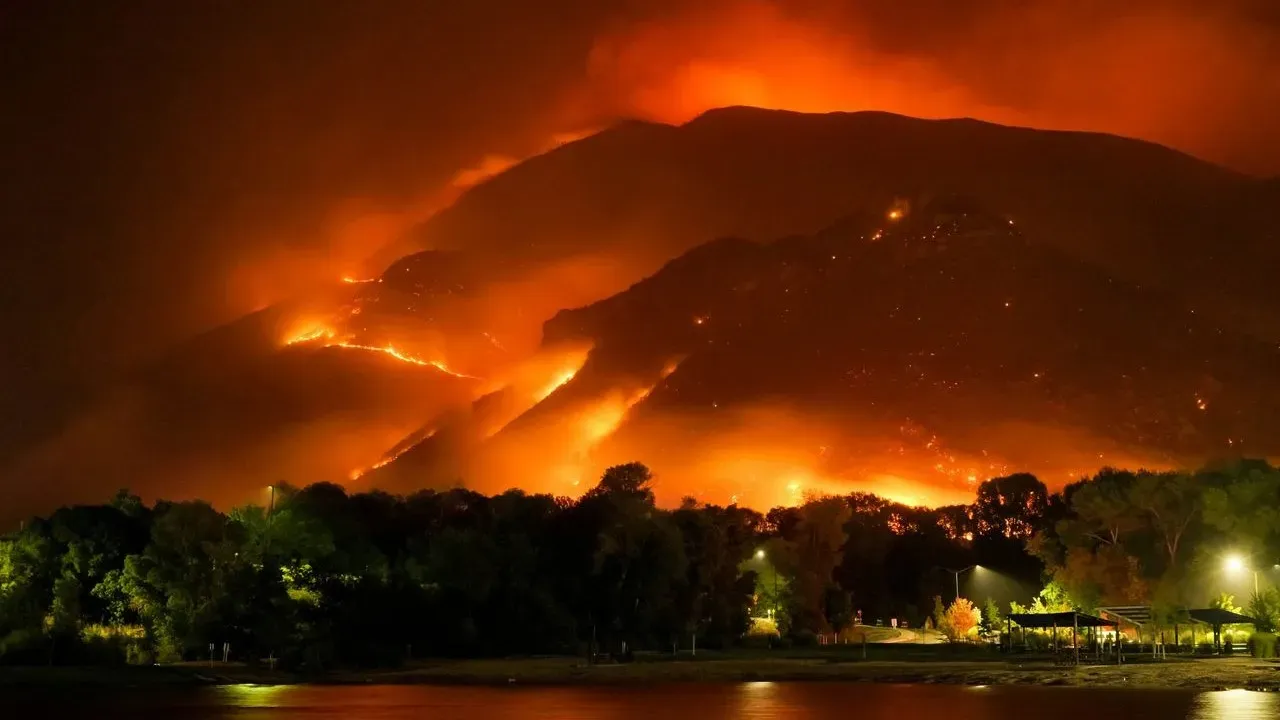

Reno, Nevada – The Hawk Fire swept across Peavine Mountain on August 22, 2026, leaving large stretches of the familiar landscape blackened and stripped of vegetation. ([1]) Residents who once watched winter snow blanket the slopes now confront a new pattern of summer flames that arrive with greater frequency. The shift raises direct questions about how native plants and soils will respond in a region already trending hotter and drier.
A Landscape That Has Changed Its Seasons
Peavine Mountain sits just northwest of Reno and long served as a local landmark where snow lingered into spring. Recent decades have brought shorter winters and longer stretches of extreme heat and low humidity. Those conditions dry out grasses and shrubs earlier each year, turning the mountain into ready fuel when lightning or human activity sparks a blaze.
The Hawk Fire fits into a string of summer incidents that have grown more common. What once felt like rare events now occur with enough regularity that some longtime observers describe the mountain as moving from snow days to fire days. The visual contrast is stark: green slopes that held winter moisture now show charred trunks and bare earth after repeated burns.
Barriers to Natural Regrowth
Recovery after wildfire depends on several factors that are shifting at once. Native plants adapted to occasional fire can resprout or reseed when conditions allow, yet repeated burns in quick succession exhaust root systems and seed banks. Soil that once retained moisture now loses structure and nutrients more quickly under intense heat. Invasive grasses add another layer of difficulty.
These species often colonize burned ground faster than native perennials, creating a cycle that favors more frequent and intense fires. Climate trends that extend dry periods reduce the windows when seedlings can establish before the next drought or heat wave arrives. Local reports note that these combined pressures slow the return of the diverse plant cover that once defined the mountain.
Lessons for Gardeners in Fire-Prone Areas
The changes on Peavine Mountain mirror challenges facing homeowners and land managers across the arid West. Gardens and landscapes that rely on the same native or adapted plants encounter similar stresses when fire frequency rises. Choosing species with deeper roots or greater drought tolerance becomes more important, as does managing invasive plants before they dominate disturbed ground.
Soil health also gains urgency. Practices that rebuild organic matter and improve water retention can help both wild and cultivated areas rebound after disturbance. Observing how certain plants persist or fail on scorched slopes offers practical clues for selecting resilient varieties closer to home.
Looking Ahead on the Mountain
Ecological recovery on Peavine Mountain will unfold over years rather than months, and the outcome remains uncertain. Continued warming and drying trends could limit the mountain’s ability to return to its former plant communities. At the same time, the site serves as a visible record of how quickly familiar landscapes can transform when fire cycles accelerate.
For those who tend gardens or manage land in similar climates, the mountain’s experience underscores the value of paying close attention to local conditions and plant performance. Small adjustments in species selection and site preparation may determine whether future fires leave lasting scars or allow quicker renewal.
AI Disclaimer: This article was created with the assistance of AI tools and reviewed by a human editor.