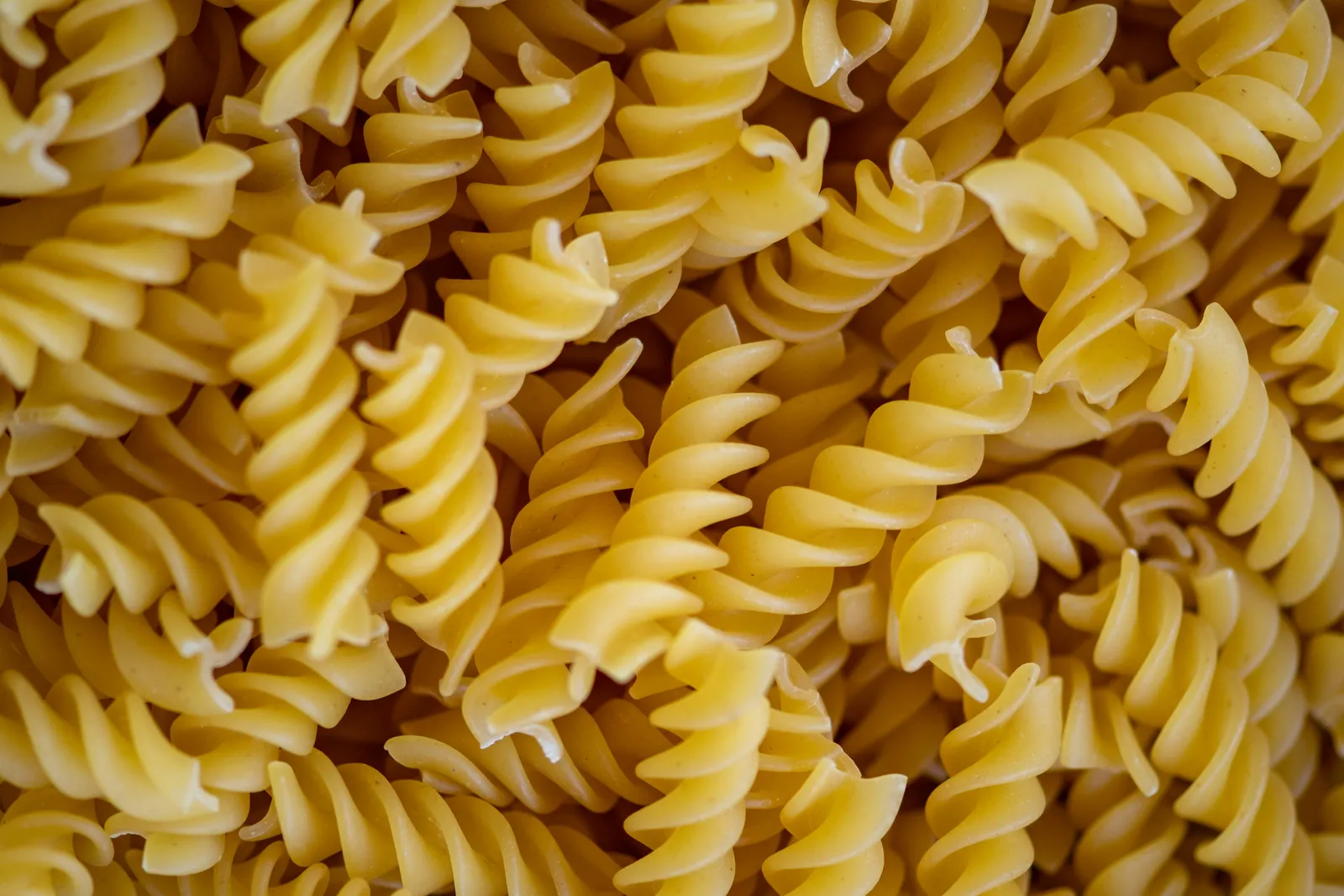

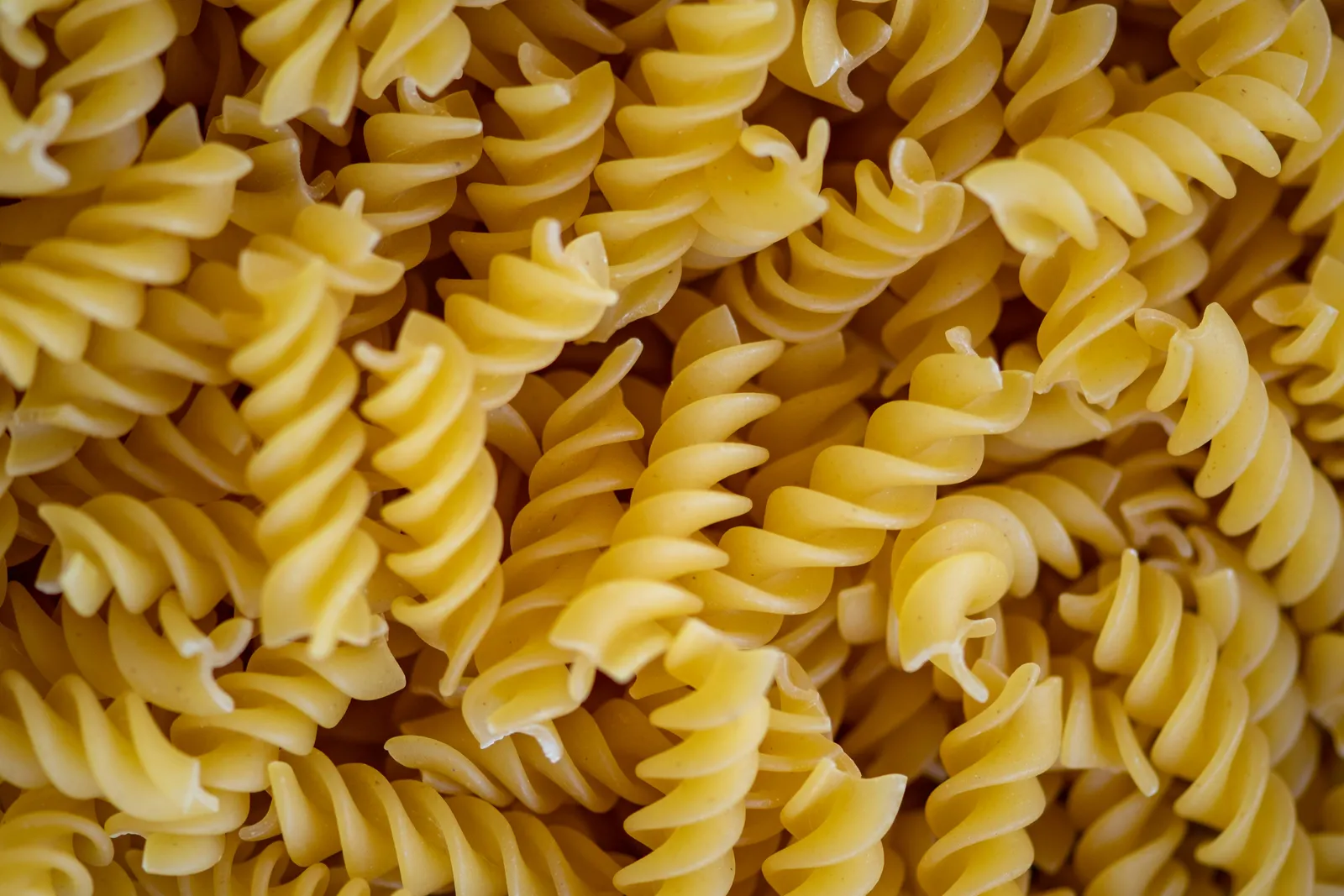
Does Pasta Need to Be Refrigerated? – Image for illustrative purposes only (Image credits: Unsplash)
Shoppers often pause in the pasta aisle, unsure whether a package of fresh fettuccine belongs in the pantry or the refrigerator. At home, an open box of dry penne sits beside leftover cooked rigatoni and a pre-made meal bought days earlier. The same broad category yields four distinct storage needs. Food safety hinges on the specific type rather than a single rule for all pasta.
Dry Pasta Thrives Without Chilling
Dry pasta made from semolina flour contains roughly 12 percent moisture, a level too low for bacteria or mold to thrive. An open package stored in a cool, dry pantry inside a sealed container remains safe for one to two years past the printed best-by date. Refrigeration provides no added protection and simply occupies valuable space. The date on the package signals quality, not safety.
Gluten-free versions made from rice, lentil, or bean flour carry a shorter shelf life of about one year because those flours retain more oil that can turn rancid. A stale or paint-like odor signals spoilage. Once opened, transfer any dry pasta to an airtight container to block moisture and pantry pests, the real threats to long-term quality.
Fresh Pasta Demands Constant Cold
Fresh pasta sold in the refrigerated case must stay cold from purchase onward. Higher moisture content and the presence of eggs make it perishable, with an unopened package lasting until its use-by date, typically one to two weeks. After opening, use it within one to two days. Moving it to the pantry, even while sealed, violates the conditions under which it was sold.
Freezing offers an option for longer keeping. Place unopened packages or portions in freezer bags, where they hold for two to three months. Cook directly from frozen without thawing. All varieties, including gnocchi, tortellini, ravioli, and fresh-cut shapes, follow the same cold-storage requirement.
Cooked Pasta Follows a Strict Timeline
Cooked pasta must enter the refrigerator within two hours of cooking, or within one hour if the kitchen exceeds 90 degrees Fahrenheit. Beyond that window, Bacillus cereus spores common in starchy foods can produce heat-stable toxins that survive reheating. In the fridge, plain cooked pasta lasts three to five days in an airtight container, while versions with dairy or meat sauce last closer to three days.
Reheat thoroughly to 165 degrees Fahrenheit, adding a splash of water to prevent drying. Do not reheat more than once. For longer storage, freeze portions for up to two months. These steps limit bacterial growth that many cooks underestimate with leftover pasta.
Pre-Made Meals Carry Extra Risks
Pre-made refrigerated pasta meals sold in sealed trays or pouches require constant refrigeration and strict adherence to the use-by date. Listeria monocytogenes can multiply even in the refrigerator, allowing dangerous levels to build without obvious signs of spoilage. A 2025 multistate outbreak tied to such products caused 28 illnesses, 27 hospitalizations, and seven deaths before ending in February 2026.
At-risk groups, including pregnant women, adults 65 and older, and those with weakened immune systems, should heat these meals to 165 degrees Fahrenheit even when within the date. When in doubt, discard the product. The rule remains simple: if sold cold, keep it cold.
| Type | Refrigeration | Storage Time |
|---|---|---|
| Dry | None needed | 1-2 years past best-by in pantry |
| Fresh | Always | 1-2 weeks unopened; 1-2 days opened |
| Cooked | Within 2 hours | 3-5 days in fridge |
| Pre-made meals | Always | Until use-by date only |
Practical kitchen habits flow from these distinctions. Dry pasta belongs in the pantry, fresh and pre-made items stay chilled, and cooked leftovers move to the refrigerator promptly. Following the type-specific guidelines reduces waste while protecting against foodborne risks that vary sharply across pasta categories.