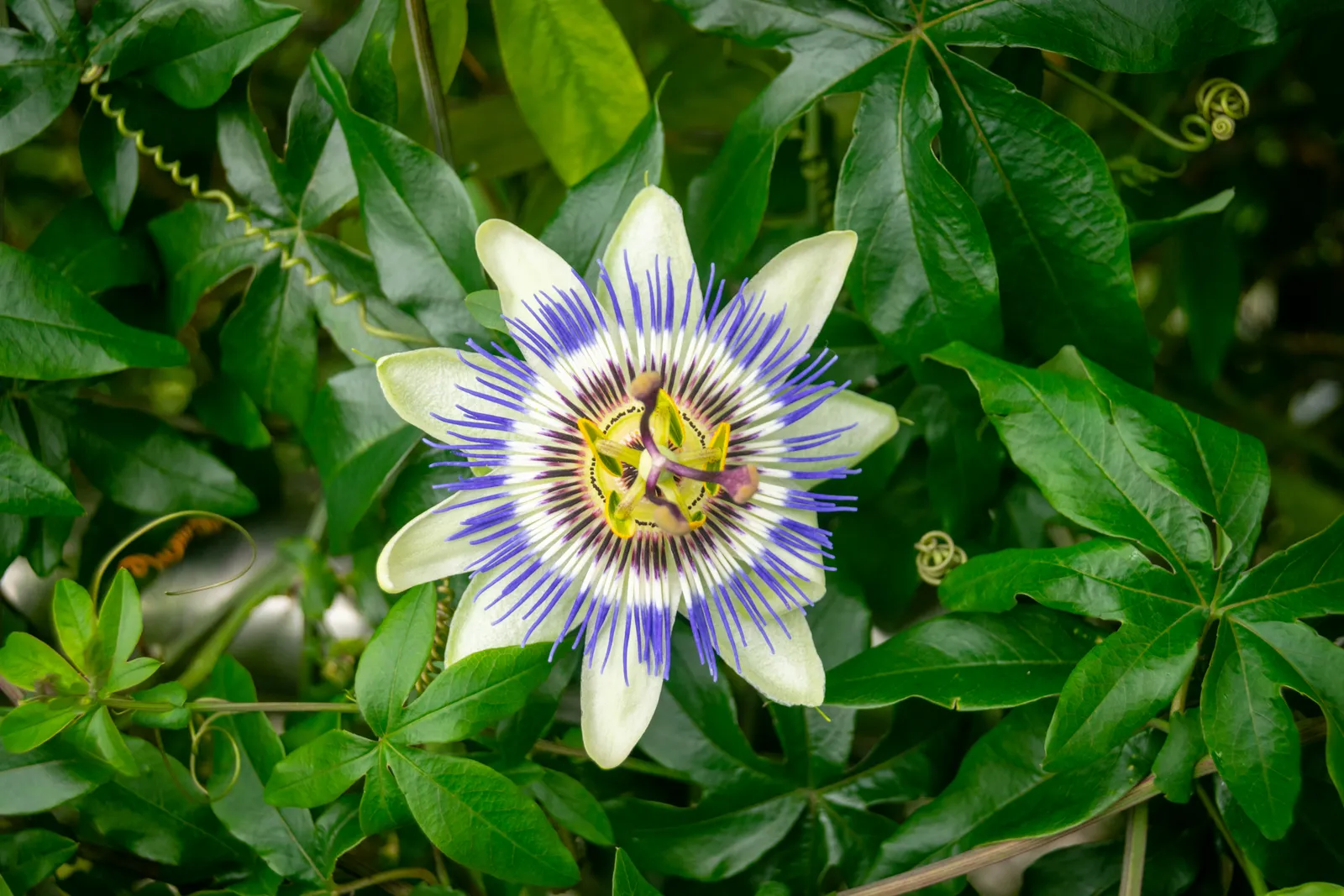

Nearly 600 known species of passionflowers exist worldwide, a fact that surprises many gardeners who assume these striking vines belong only in tropical settings. The plants display blossoms ranging from massive red flowers to petite purple ones, while their fruits take shapes as varied as long bananas or familiar eggs. This diversity makes passionflowers an intriguing option for home cultivation, provided gardeners match selections to local conditions.
Understanding the Range of Forms and Colors
Passionflowers stand out for their intricate blooms and the way different species adapt to various environments. Some produce bold, oversized flowers that draw immediate attention in a landscape, while others offer smaller, more delicate displays suited to tighter spaces. The vines themselves can climb vigorously or remain more contained, depending on the selection.
Fruit production adds another layer of interest. Certain varieties yield elongated, banana-like pods, whereas others develop the rounded, egg-shaped fruits more commonly associated with the genus. These differences arise naturally across the species, giving gardeners choices that extend beyond typical ornamental plants.
Practical Steps for Successful Home Growth
Selecting the right passionflower begins with assessing available sunlight, soil type, and climate zone. Many species thrive in well-drained soil with consistent moisture during the growing season, though some tolerate drier spells once established. Vines generally require sturdy support such as trellises or fences to reach their full potential.
Timing matters for planting. In regions with cold winters, starting vines in spring allows roots to develop before any frost arrives. Regular pruning helps control spread and encourages repeated flowering on many types. Gardeners who provide these basics often see reliable performance from both common and less widespread selections.
Key Considerations for Different Garden Settings
Urban gardeners with limited space can focus on more compact species that still deliver striking flowers without overwhelming a small yard. Larger properties offer room for vigorous climbers that create vertical interest or screen unsightly areas. In both cases, the plants contribute to pollinator support through their complex blooms.
Fruit-bearing types add a productive element alongside their ornamental value. Home growers who enjoy experimenting with unusual edibles may find satisfaction in harvesting from suitable varieties, though results depend on pollination and climate. The range of available forms means most gardeners can identify at least one option that fits their goals.
Long-Term Value in the Landscape
Once established, passionflowers often return year after year with minimal intervention beyond basic care. Their rapid growth can transform a garden within a single season, providing both visual impact and functional benefits such as shade or habitat. This combination of beauty and utility explains why interest in the genus continues to grow among home enthusiasts.
Matching a species to local conditions remains the most reliable path to success. With hundreds of options documented, the challenge lies less in availability and more in choosing the right match for each setting. Gardeners who explore this diversity frequently discover plants that exceed initial expectations in both appearance and performance.
AI Disclaimer: This article was created with the assistance of AI tools and reviewed by a human editor.