
The Paperbark Maple, also known as Acer griseum, is a stunning ornamental tree that is highly sought after by gardeners and homeowners alike. This beautiful tree is native to central China and has become a popular choice for its unique features and year-round beauty.
Its most notable characteristic is its striking cinnamon-colored bark that peels away in thin sheets, revealing a smooth, coppery surface underneath.
In addition to its striking bark, the Paperbark Maple boasts gorgeous fall foliage, delicate spring flowers, and small stature that makes it perfect for smaller garden spaces.
What is a Paperbark Maple
A Paperbark Maple, also known as Acer griseum, is a small to medium-sized deciduous tree that is native to central China. It is a popular ornamental tree, prized for its unique peeling bark that reveals a cinnamon-colored inner bark.
The tree typically grows up to 30 feet tall and 20 feet wide, with a rounded crown and a slow to moderate growth rate. Paperbark Maples are often grown as specimen trees in landscapes, and they are also commonly used in bonsai.
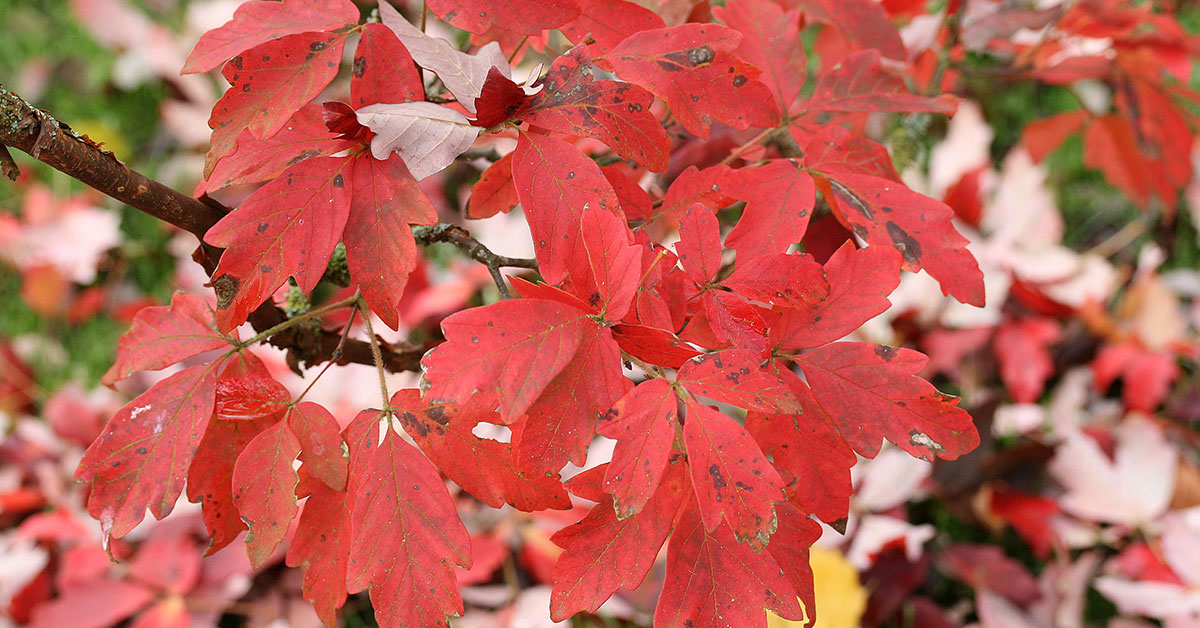
They have attractive trifoliate leaves that turn a vibrant orange-red in the fall and small yellow flowers that bloom in the spring. The tree’s fruit is a winged samara that matures in the fall. Overall, the Paperbark Maple is a beautiful and interesting tree that can add character and charm to any garden or landscape.
How to plant and care for Paperbark Maple
Planting a Paperbark Maple is relatively easy, but there are a few things that you should keep in mind to ensure that your tree thrives.
Step 1: Choose the Right Location
Paperbark Maples prefer well-draining soil that is rich in organic matter. They also require a lot of sunlight, so make sure that you choose a location that receives at least six hours of direct sunlight every day.
Step 2: Prepare the Soil
Before planting your Paperbark Maple, you should prepare the soil by digging a hole that is twice the size of the tree’s root ball. Mix in some compost or other organic matter to help improve the soil’s fertility.
Step 3: Plant the Tree
Gently remove the tree from its container and loosen the roots. Place the tree in the hole, making sure that the top of the root ball is level with the surrounding soil. Fill in the hole with soil, making sure to tamp it down firmly to eliminate any air pockets.
Step 4: Water the Tree
Water your Paperbark Maple immediately after planting to help settle the soil around the roots. Keep the soil evenly moist for the first few weeks, but be careful not to overwater.
Providing Care
Caring for a Paperbark Maple is relatively easy, but there are a few things that you should keep in mind to ensure that your tree remains healthy and beautiful.
Step 1: Watering
Water your Paperbark Maple regularly, especially during periods of drought. The tree should receive at least 1 inch of water per week.
Step 2: Fertilizing
Paperbark Maples do not require a lot of fertilizer, but a light application of a balanced fertilizer in early spring can help promote healthy growth.
Step 3: Pruning
Paperbark Maples do not require a lot of pruning, but you should remove any dead or diseased branches as soon as you notice them. You can also prune the tree to shape it, but be careful not to remove too much of the canopy.
Step 4: Mulching
Mulch around the base of your Paperbark Maple to help retain moisture and suppress weeds. Apply a layer of mulch that is 2-3 inches deep, but be careful not to pile it up against the trunk.
Where is Paperbark Maple native?
The Paperbark Maple, also known as Acer griseum, is a species of maple tree that is native to central China. It is a slow-growing deciduous tree that can grow up to 30 feet tall and 20 feet wide.
In its native habitat, the Paperbark Maple can be found growing in mountainous areas, where it thrives in well-draining soils and a temperate climate. It is known for its striking bark, which peels away in thin, papery sheets to reveal a cinnamon-colored underbark.
The Paperbark Maple was first introduced to the Western world in 1901, when it was discovered by the famous plant collector, Ernest Henry Wilson. Since then, it has become a popular ornamental tree in many parts of the world, including North America and Europe.
While it is not native to these regions, it has adapted well to a variety of climates and soils. It is particularly well-suited to urban environments, as it is tolerant of pollution and can withstand periods of drought.
This tree is a beautiful and resilient tree that can add a touch of elegance to any landscape. Its unique bark, vibrant fall foliage, and low-maintenance requirements make it a popular choice for homeowners and landscapers alike.
Foliage in the Fall
The Paperbark Maple is a beautiful tree known for its striking appearance and stunning fall foliage. In the autumn season, the leaves of the Paperbark Maple turn into a vibrant blend of oranges, yellows, and reds. The combination of these colors creates a breathtaking display that is sure to catch the eye of anyone passing by.
The leaves on the Paperbark Maple are typically medium-sized, and the tree itself can grow to be around 20-30 feet tall. As the leaves begin to change color in the fall, they become even more eye-catching due to their unique shape. The leaves are deeply lobed and have a jagged edge that adds to their aesthetic appeal.
One of the most notable features of the Paperbark Maple’s fall foliage is the way the colors seem to blend together. The oranges, yellows, and reds all mix together to create a warm and inviting display. Additionally, the leaves tend to hold onto their color for an extended period of time, making the tree a standout feature in any landscape.
It’s easy to see why this tree is so beloved by homeowners, landscapers, and nature enthusiasts alike. Whether you’re looking to add some color to your yard or simply enjoy the beauty of the outdoors, the Paperbark Maple is an excellent choice.