
Most people approach a pantry cleanout with the same worry: every date on every package feels like a warning. In reality, the majority of dry staples lose quality long before they lose safety. A few items stand apart because they can carry genuine health risks once past their prime or when damaged. Knowing the difference keeps the process straightforward instead of overwhelming.
The Real Line Between Quality and Safety
Quality issues show up as faded flavor, weaker leavening power, or off textures. These problems affect how food performs in a recipe but rarely cause illness. Safety issues involve actual contamination that senses cannot always detect. The distinction matters because it determines whether a quick smell or visual check is enough or whether the item should go straight into the trash.
Most pantry staples fall into the quality category. Rice, pasta, dried beans, and sealed spices simply lose aroma or take longer to cook as they age. They remain safe to eat when stored properly and show no signs of spoilage. The short list of true safety concerns requires a different response.
Items That Belong in the Trash Right Away
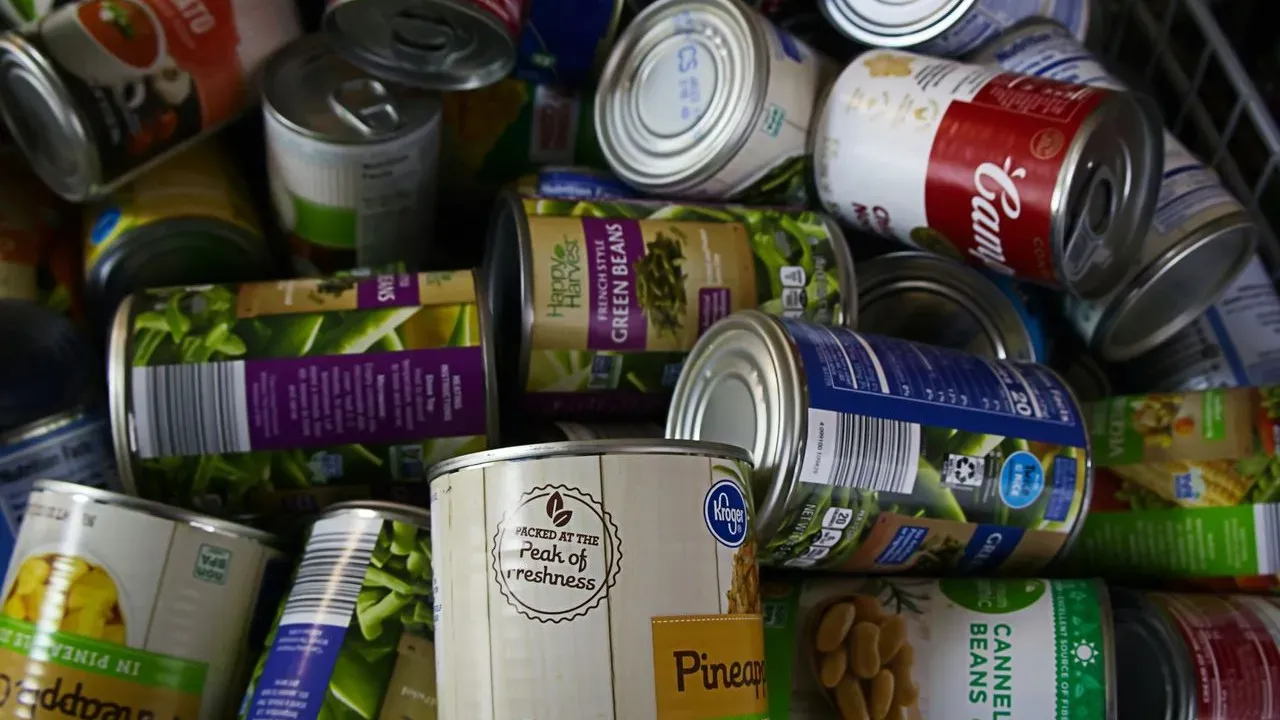
Canned goods with bulging lids, leaks, deep rust, or dents along the seams present the clearest risk. These signs can indicate bacterial activity inside the can, including the organism responsible for botulism. A shallow dent on the flat surface is usually harmless, but any change that affects the seal is not worth testing.
Visible mold on any pantry item signals that the problem likely extends beyond what the eye can see. Cutting away the affected area does not reliably remove the risk on soft or porous foods. Expired infant formula also falls into this group because its nutrient levels are guaranteed only up to the printed date, and degradation can affect an infant’s development.
Products That Deserve a Quick Test
Baking powder, baking soda, and yeast lose effectiveness over time rather than becoming unsafe. A simple fizz test with hot water or vinegar reveals whether they still work. Weak or absent reactions mean replacement for baking purposes, though baking soda may still serve cleaning needs.
Cooking oils and nuts turn rancid because of their fat content. A sharp or crayon-like smell indicates oxidation has occurred. These changes affect taste and long-term health considerations, so the items are best discarded once the odor appears. The same principle applies to opened maple syrup stored at room temperature, where mold can develop.
Staples That Usually Remain Usable
Dry rice, pasta, and unopened canned goods often stay safe well past printed dates when packaging remains intact. The dates on these products reflect peak quality, not a safety cutoff. Spices and dried herbs simply lose potency; they do not become hazardous.
Honey in a sealed container essentially does not spoil, though it may crystallize. A warm water bath restores its texture without affecting safety. Sprinkles and similar sugar-based decorations also hold up for years beyond their best-by dates, provided they show no off odors or color changes.
Flour and the Hidden Pantry Invaders
Flour carries a separate concern unrelated to its age. Raw flour can contain E. coli bacteria introduced during growing or milling. Cooking or baking neutralizes the risk, which is why eating raw cookie dough remains inadvisable regardless of the package date.
Pantry pests such as weevils and moths often arrive inside packages as tiny eggs. Freezing new bags of flour, rice, and grains for several days before storage kills any hitchhikers. Airtight containers and regular rotation further reduce the chance of an infestation spreading through the shelves.
Twice-yearly checks combined with first-in-first-out stocking keep most quality questions from becoming safety worries in the first place.
Rotation and periodic purges turn a once-daunting task into a simple habit. Most of the pantry stays usable when the few genuine risks receive proper attention.
AI Disclaimer: This article was created with the assistance of AI tools and reviewed by a human editor.