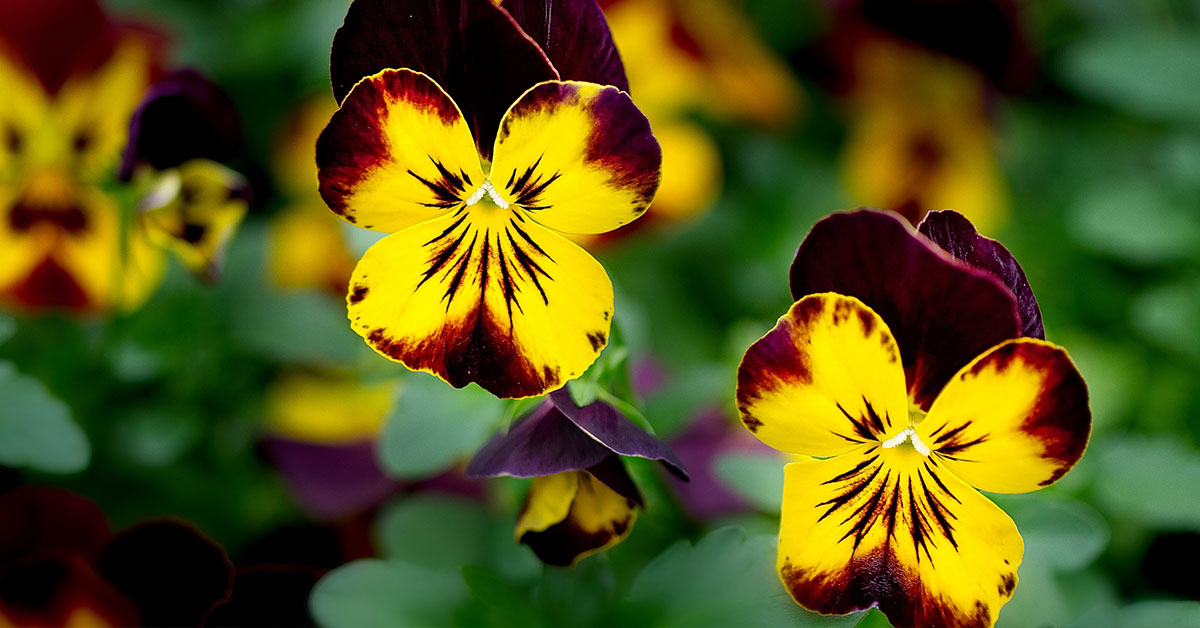

Growing the pansy, with its vibrant colors and delicate appearance, has long been a favorite among gardeners and flower enthusiasts alike.
Belonging to the Viola genus, these charming flowers are known for their velvety petals and distinct facial markings, which resemble the face of a cheerful little person.
Pansies are not only visually appealing but also surprisingly resilient, making them a popular choice for both novice and experienced gardeners.
What is a Pansy?
Pansies are vibrant and popular garden flowers known for their distinctive, delicate appearance. Belonging to the Violaceae family, they are herbaceous plants that are widely cultivated for their showy blooms. In this section, we will explore the characteristics, varieties, and growing conditions of Pansies, providing you with a comprehensive understanding of these charming flowers.
Pansies are known for their unique flower structure, which consists of five rounded petals with overlapping colors and patterns. The flowers can vary in size, ranging from small to large, and come in a wide array of colors, including shades of purple, yellow, orange, red, pink, and white. Some varieties even have bi-colored or multi-colored petals, adding to their visual appeal.
There are numerous varieties of Pansies available, each with its own distinct characteristics and growing requirements. Some popular varieties include the Delta series, which is known for its large blooms and vibrant colors, and the Mammoth series, which produce larger flowers compared to other Pansy varieties. The Matrix series is also highly sought after for its long-lasting blooms and strong performance in both gardens and containers. These are just a few examples of the vast range of Pansy varieties that gardeners can choose from.
Pansies are versatile plants that can thrive in a variety of growing conditions. However, they tend to prefer cool weather and moderate sunlight. They are often grown as annuals in regions with hot summers, while in cooler climates, they can be grown as perennials. Pansies generally prefer well-drained soil that is rich in organic matter. They also benefit from regular watering, especially during dry spells, and can be susceptible to root rot if the soil becomes waterlogged.
Where is Pansy native?
Pansies, scientifically known as Viola spp., are delightful and popular garden flowers known for their vibrant colors and delicate petals. But have you ever wondered where these beautiful blossoms come from? In this blog section, we will explore the native origins of Pansies, including the specific US states where they can be found.
- Native Origins of Pansy:
Pansies are native to Europe and Western Asia, where they have been cultivated for centuries. These charming flowers were first discovered in the wild, growing naturally in regions such as the Balkans, the British Isles, and the Mediterranean. Pansies were later domesticated and selectively bred for their unique color variations, leading to the wide range of shades and patterns we see today. - Pansies in the United States:
Pansies were introduced to North America by European settlers and have since become a beloved addition to gardens across the United States. While they are not native to the continent, these hardy flowers have adapted well to various climatic conditions and are now grown in many states. - US States Where Pansies Can Be Found:
Pansies can be found in gardens and landscapes throughout the United States, but certain regions are more favorable for their growth. Here are some of the states where Pansies thrive:
Pansies are well-suited for the cooler climates of northern states, where they can be seen blooming in early spring and fall. States like New York, Michigan, Vermont, and Wisconsin are known to have ideal conditions for Pansy cultivation.
The moderate temperatures and fertile soils of the Midwest provide excellent conditions for Pansy growth. States such as Illinois, Indiana, Ohio, and Missouri are popular destinations for Pansy enthusiasts.
While Pansies are less common in the hotter regions of the southern United States, they can still be cultivated successfully with some careful attention. States like North Carolina, Tennessee, Virginia, and Kentucky offer suitable climates for Pansy cultivation, especially during the cooler months.
In the western United States, Pansies are often grown as annuals or biennials, as the climate can be more challenging for their perennial growth. However, states like California, Oregon, Washington, and Colorado are known to have dedicated gardeners who enjoy the beauty of Pansies in their landscapes.
Pansies, with their delightful colors and intricate petal patterns, have captivated gardeners and flower enthusiasts around the world. Although native to Europe and Western Asia, Pansies have found a welcoming home in various US states.
What temperature will kill pansies?
Pansies are cool-season annual or perennial plants that can tolerate chilly temperatures better than many other flowering plants. However, they do have their limits when it comes to cold weather. Pansies are generally considered cold-hardy and can survive light frosts and temperatures as low as 26-28°F (-3 to -2°C) without significant damage. However, prolonged exposure to freezing temperatures or severe frosts can be detrimental to their health and may cause them to die.
It’s important to note that the specific cold tolerance of pansies can vary depending on factors such as the cultivar, the stage of growth, and the overall health of the plants. Additionally, factors such as wind, moisture, and the duration of cold temperatures can also impact their ability to withstand low temperatures.
To protect your pansies from severe cold, it’s advisable to cover them with frost cloth or bring potted pansies indoors during extremely cold weather. Providing a layer of mulch around the plants can also help insulate the soil and provide some protection.
If you’re growing pansies in a region with harsh winter conditions, it’s essential to choose pansy varieties known for their cold hardiness and ensure they are planted early enough in the fall to establish strong root systems before winter sets in.
By taking appropriate precautions and monitoring weather conditions, you can enjoy the beauty of pansies throughout the cool seasons while ensuring their survival in less favorable temperatures.
Bloom period
Pansies are known for their extended blooming period compared to many other flowering plants. The duration of their bloom depends on various factors, including the specific cultivar, growing conditions, and climate. In general, pansies have a blooming period that can last for several months under favorable conditions.
Typically, pansies begin to bloom in early spring when the weather is cool, and their colorful flowers can persist through the spring season. In some regions with mild climates, pansies may continue to bloom throughout the summer if provided with proper care and protection from excessive heat. However, in areas with hot summers, the blooming may slow down or pause during the hottest months.
As the temperatures cool down again in the fall, pansies can often resume blooming, providing additional color and beauty to the garden. With their ability to tolerate cool temperatures, pansies can continue blooming even into late fall or early winter in many regions.
It’s worth noting that deadheading, which involves removing spent flowers, can help promote continuous blooming by preventing seed formation and encouraging the plants to produce new blooms. Regular deadheading can extend the blooming period of pansies and keep the plants looking tidy.
Overall, with proper care and favorable conditions, pansies can provide blooms for several months, offering a prolonged display of their vibrant and cheerful flowers.
How to start from seed
Pansies are popular and colorful flowers that are perfect for brightening up any garden or adding a touch of beauty to your indoor space. While you can find pansy plants at your local nursery, starting them from seed is a rewarding experience that allows you to select from a wider variety of colors and patterns.
- Prepare the Seed Starting Mix:
Fill the seed-starting trays or pots with the seed-starting mix. Moisten the mix with water until it feels evenly damp. Ensure that excess water can drain out through the bottom of the containers. - Sow the Seeds:
Sow the pansy seeds on the surface of the damp seed starting mix. Pansy seeds are tiny, so scatter them evenly and lightly press them into the soil, ensuring they are in good contact with the mix. You can sow multiple seeds in each cell or pot to increase your chances of successful germination. - Provide Optimal Conditions:
Cover the trays or pots with clear plastic wrap or a humidity dome to create a greenhouse effect. This will help retain moisture and create a warm and humid environment for the seeds to germinate. Place the trays or pots in a bright location with temperatures around 60-70°F (15-21°C). If using grow lights, keep them on for 14-16 hours a day. - Watering and Care:
Keep the seed starting mix consistently moist, but not soaking wet. Use a watering can or spray bottle to water the seeds gently, as excessive water can lead to damping-off disease. Check the moisture levels daily and water as needed. Be patient, as pansy seeds can take anywhere from 7 to 21 days to germinate. - Transplanting:
Once the seedlings have developed two to three sets of true leaves, they are ready to be transplanted into individual pots or into your garden. Carefully separate each seedling from the tray, taking care not to damage their delicate roots. Plant them in well-draining soil, maintaining a spacing of 6-8 inches between each plant. - Harden off and Planting Outdoors:
To acclimate the seedlings to outdoor conditions, gradually expose them to increasing amounts of sunlight and outdoor temperatures over a period of 7-10 days. Start with a few hours of indirect sunlight and gradually increase the time and intensity. Once hardened off, plant the pansies in a sunny to partially shaded area of your garden, ensuring they receive at least 6 hours of sunlight daily.
Caring for pansies in pots
Growing pansies in pots can be a delightful way to enjoy their vibrant blooms up close and add color to small spaces like balconies, patios, or windowsills. Here’s a guide to help you successfully grow pansies in pots:
- Selecting Pots: Choose pots or containers that have drainage holes at the bottom to prevent waterlogged soil. Ensure the pots are deep enough to accommodate the root system of pansies, usually around 6 to 8 inches (15 to 20 cm) deep.
- Soil Preparation: Use a well-draining potting mix suitable for container gardening. Pansies prefer slightly acidic to neutral soil with good moisture retention. You can add organic matter like compost or peat moss to improve soil fertility and drainage.
- Planting Pansies: Fill the pots with the potting mix, leaving enough space for the pansy plants. Gently remove the pansies from their nursery containers and place them in the pot, ensuring they are at the same depth as they were in the original containers. Space them a few inches apart to allow for growth.
- Sunlight and Temperature: Pansies thrive in cool weather, so choose a location that receives at least 4 to 6 hours of direct sunlight per day. Pansies can tolerate temperatures ranging from 45 to 65°F (7 to 18°C). In hotter climates, provide them with afternoon shade to protect them from excessive heat.
- Watering: Pansies prefer moist but not waterlogged soil. Water the pots regularly, keeping the soil evenly moist. Check the moisture level by inserting your finger into the soil; if it feels dry up to the first knuckle, it’s time to water. Avoid overwatering to prevent root rot.
- Fertilizing: Use a balanced, slow-release fertilizer or water-soluble fertilizer formulated for flowering plants. Follow the manufacturer’s instructions for application rates and frequency. Generally, fertilize pansies every 2 to 3 weeks to promote healthy growth and abundant blooms.
- Deadheading and Pruning: Regularly remove faded or spent flowers by pinching them off or cutting them back. This practice, called deadheading, encourages continuous blooming and keeps the plants looking neat. If the pansies become leggy or overgrown, you can trim them back by one-third of their height to promote bushier growth.
- Pest and Disease Control: Keep an eye out for common pests like aphids, snails, or slugs. If necessary, use organic pest control methods or insecticidal soaps to manage infestations. Ensure proper air circulation and avoid overcrowding to prevent fungal diseases.
- Winter Care: In colder climates, pansies may not survive freezing temperatures. Before winter arrives, you can either move the pots indoors to a cool but well-lit location or treat pansies as annuals and replace them with winter-tolerant plants.
By following these guidelines, you can successfully grow and enjoy the colorful blooms of pansies in your pots throughout the cool seasons. With their cheerful faces and versatility, potted pansies can bring joy and beauty to any small gardening space.
How to grow this plant in your garden
Pansies are beautiful and versatile flowers that can add a burst of color to any garden or landscape. Whether you are an experienced gardener or a beginner, growing pansies can be a rewarding and enjoyable experience.
- Choose the Right Location: Pansies thrive in cool weather, making them an excellent choice for early spring or fall planting. They prefer a location with partial shade but can tolerate full sun in cooler climates. Ensure that the chosen spot has well-draining soil to prevent waterlogged roots, as pansies do not tolerate excessive moisture.
- Prepare the Soil: Before planting, it is essential to prepare the soil properly. Pansies prefer fertile soil with a pH level between 5.4 and 5.8. Amend the soil with organic matter, such as compost or well-rotted manure, to improve its texture and nutrient content. Remove any weeds or debris from the planting area to give the pansies a clean start.
- Start from Seeds or Transplants: Pansies can be grown from seeds or transplants. If starting from seeds, sow them indoors 8-10 weeks before the last frost date. Once seedlings have developed a couple of sets of true leaves, they can be transplanted outdoors. If using transplants, purchase healthy seedlings from a reputable nursery or garden center.
- Planting Pansies: Dig holes that are slightly larger than the root ball of the seedling or the seed tray cells. Space the plants about 6-8 inches apart to allow for their spreading growth habit. Gently place the pansies into the holes and backfill with soil, firming it around the roots.
- Watering and Mulching: After planting, water the pansies thoroughly to settle the soil around their roots. Pansies prefer evenly moist soil but do not like to be waterlogged. Water them regularly, especially during dry spells, and avoid overhead watering to prevent disease. Apply a layer of organic mulch, such as straw or wood chips, around the plants to help retain moisture and suppress weed growth.
- Fertilizing: Pansies are light feeders and do not require excessive fertilization. However, to promote healthy growth and abundant blooms, apply a balanced slow-release fertilizer according to the manufacturer’s instructions. Avoid over-fertilizing, as this can lead to leggy growth and fewer flowers.
- Deadheading and Maintenance: Regular deadheading, the removal of faded flowers, promotes continuous blooming and prevents the plants from going to seed. Check for any signs of pests or diseases. This includes aphids or powdery mildew, and take necessary measures to control them promptly. Pansies are generally low-maintenance plants but benefit from regular monitoring and care.
Interesting facts about pansies
Pansies are popular garden flowers known for their vibrant colors and delicate appearance. However, there is more to these lovely blooms than meets the eye.
- Ancient Roots: Pansies have a long history, dating back over 2,500 years. They were first cultivated in ancient Greece and were highly prized for their beauty and medicinal properties. Pansies were later introduced to Europe in the 19th century, where they gained popularity as garden flowers.
- Name Origin: The name “Pansy” is derived from the French word “pensée,” which means “thought.” This name was given to the flower because its distinctive markings resemble a human face, evoking thoughts or reflections.
- Colorful Varieties: Pansies come in a wide range of colors, including shades of purple, yellow, orange, red, white, and even black. They also boast various patterns and combinations, making them a versatile choice for gardeners looking to add a splash of color to their landscapes.
- Hardy Perennials: Pansies are primarily grown as annuals or biennials, but some varieties are actually perennials. These perennial pansies can survive the winter months and bloom again in the following spring, making them a great choice for gardeners in colder climates.
- Edible Flowers: Believe it or not, pansy flowers are edible and can be used to enhance both the flavor and appearance of various dishes. They make a beautiful addition to salads, desserts, and even cocktails. However, it’s important to ensure that the flowers are pesticide-free and safe for consumption before using them in your culinary creations.
- Symbolism: Pansies have been associated with different meanings throughout history. In Victorian times, they were considered a symbol of remembrance and were often used in funeral arrangements. Today, pansies are commonly associated with thoughts of love, admiration, and friendship, making them a popular choice for gift-giving on special occasions.
- Medicinal Uses: Pansies have a long history of medicinal use. They have been used in traditional herbal remedies for treating respiratory ailments, skin conditions, and even heart problems. While further scientific research is needed to validate these claims, pansies continue to be celebrated for their potential health benefits.
- Wildlife Attractants: Pansies are not only beautiful but also attract beneficial wildlife to your garden. Their nectar-rich flowers attract bees, butterflies, and other pollinators, contributing to the overall health and biodiversity of your outdoor space.
As you can see, there is much more to Pansy than meets the eye. From their ancient origins to their culinary and medicinal uses, these captivating flowers have captured the hearts of gardeners and nature enthusiasts alike. So the next time you admire a pansy, take a moment to appreciate the fascinating stories and characteristics that make them so unique.