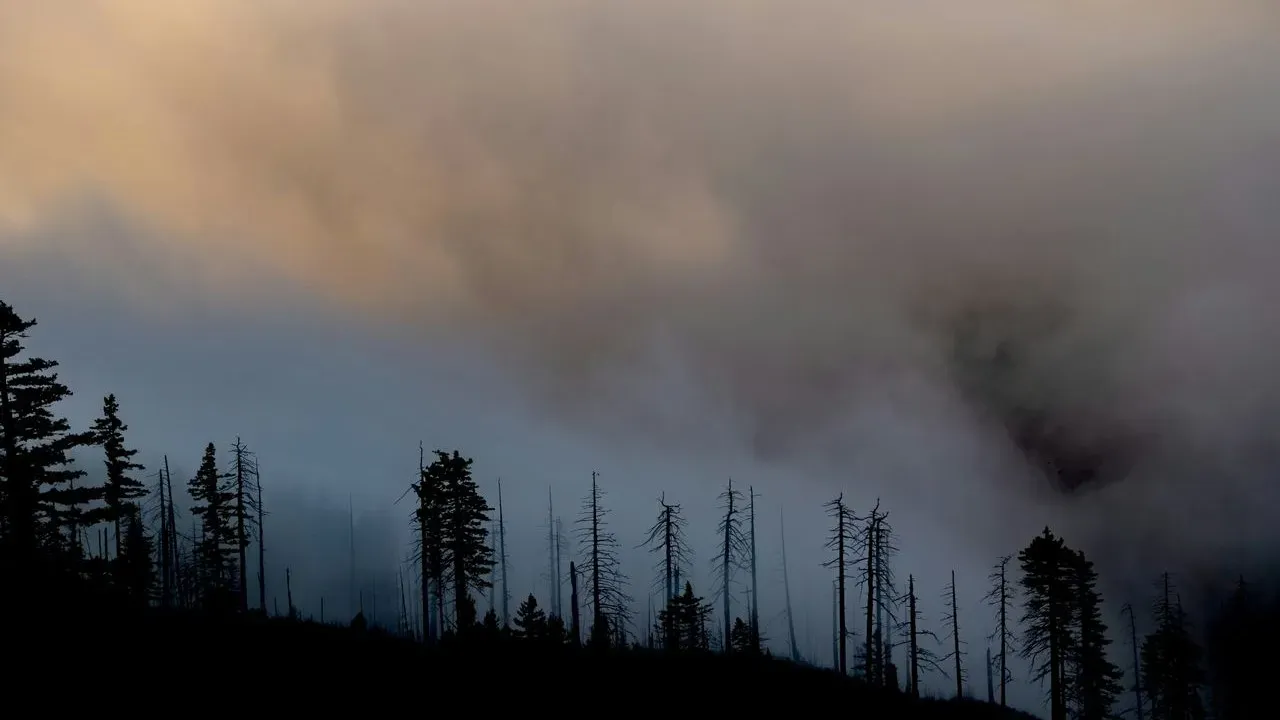

Pacific Northwest – Dry thunderstorms rolled through the region in mid-July and delivered thousands of lightning strikes that sparked dozens of new fires. Those blazes have now consumed more than one million acres, a scale that has drawn thousands of firefighters into a sustained effort to protect communities and natural areas. The resulting smoke and drifting ash have altered daily conditions for residents who tend gardens, maintain landscapes, and spend time outdoors.
Ignition and Rapid Growth
The storms arrived during a period of already dry vegetation, allowing lightning to ignite fires across multiple states. Many of the strikes occurred in remote terrain where access is limited, giving the flames time to expand before crews could reach them. Within days the total burned area crossed the one-million-acre mark, a threshold that underscores how quickly conditions can shift in the Pacific Northwest during peak summer.
Firefighting Response Underway
Thousands of firefighters remain deployed across the affected zones, working to establish containment lines and protect structures. Air support and ground crews coordinate daily to slow the most active fronts, though the remote locations and ongoing dry weather continue to challenge progress. The effort focuses on both immediate suppression and longer-term protection of watersheds and forested lands that support local ecosystems.
Effects on Gardens and Landscapes
Smoke has reduced sunlight reaching plants for extended periods, slowing photosynthesis and stressing vegetables, ornamentals, and lawns. Fine ash settles on leaves and soil, potentially altering pH levels and clogging stomata that plants use for gas exchange. Gardeners report the need for more frequent rinsing of foliage and careful monitoring of soil moisture, as the haze also raises temperatures slightly while cutting evaporation rates in some areas.
Air Quality and Outdoor Living
Air-quality readings in many communities have climbed into unhealthy ranges on multiple days, prompting residents to limit time outside during peak smoke events. For those who enjoy outdoor living spaces, the haze has reduced visibility and created a persistent layer that affects everything from morning coffee on the patio to evening walks. Local advisories recommend keeping windows closed during heavy smoke periods and using indoor air filtration where available.
A short list of practical steps many gardeners are taking includes:
– Rinsing ash from edible crops before harvest
– Watering more deeply but less often to support stressed root systems
– Delaying new plantings until clearer air returns
– Protecting sensitive perennials with light covers during the worst smoke days
The current fires highlight how regional weather patterns can quickly reshape the growing season for anyone who works the soil or maintains outdoor spaces. As crews continue their work, the focus for many residents remains on protecting what they have planted while waiting for skies to clear.
AI Disclaimer: This article was created with the assistance of AI tools and reviewed by a human editor.