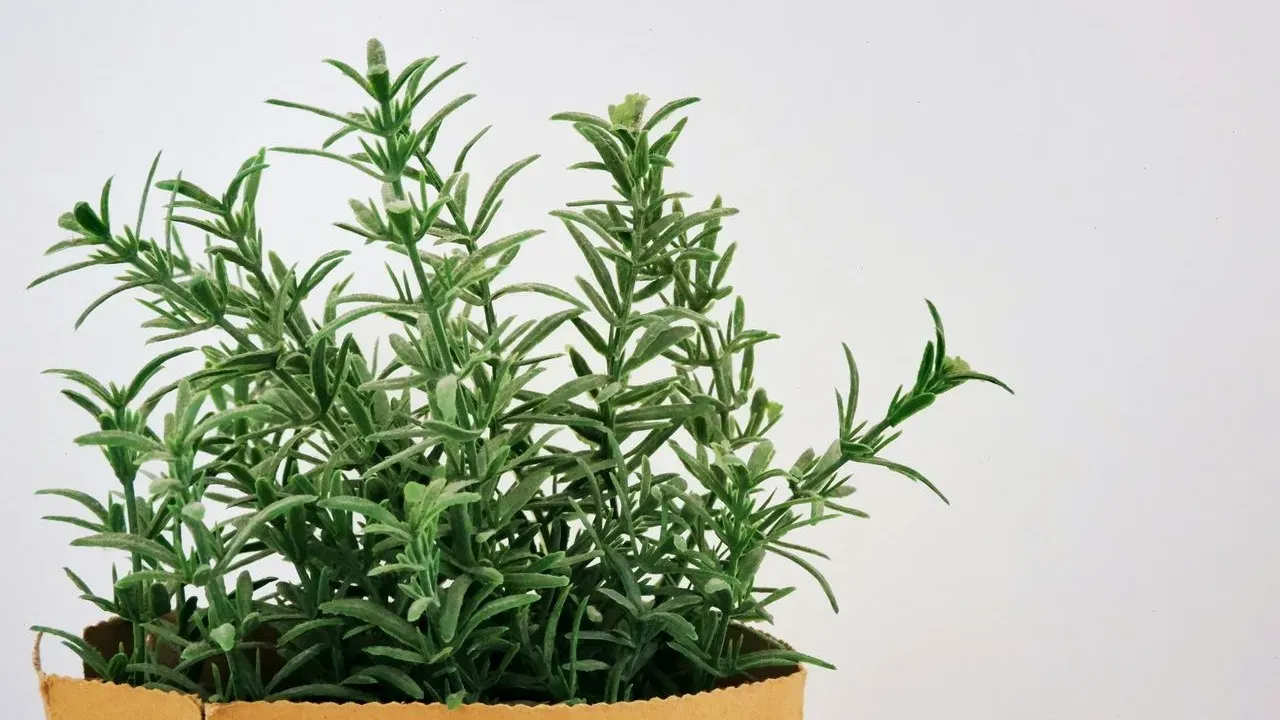

Each autumn, gardeners in colder regions face the same decision. A rosemary plant that spent the summer on a patio can either move inside or be left to the cold. The move saves the plant only if the new spot suits it, and the Savvy Gardening guide on overwintering rosemary indoors ([1]) addresses that transition. Rosemary arrives indoors used to full sun and open air, so the winter room can feel unfamiliar, and the adjustments that follow often decide whether the plant greens up again in spring.
The mistake that kills most indoor rosemary
Ask experienced growers what goes wrong, and the answer usually involves the watering can rather than the thermostat. Too much water, not too little, is the most frequent reason indoor rosemary fails. Researchers at North Carolina State attribute most decline to excess moisture, and the root rot that follows can be lethal in containers kept inside over the cold months.
Brown leaf tips tend to prompt the wrong response. Rosemary dries out quickly indoors, which browns the tips, but that symptom alone is no reason to add more water. A simple test helps here. Push a finger into the mix and water only once the top inch has dried, then let the excess drain away completely.
Light is the second problem, and winter makes it worse
Short winter days leave many windowsills dimmer than they looked in summer. Rosemary is a Mediterranean shrub adapted to full sun, and it needs about six hours of direct light a day to stay healthy. A south-facing window offers the best chance of meeting that target, while a north-facing window is usually too dim on its own.
Where sunlight falls short, supplemental lighting fills the gap. One guide recommends running a grow light for 14 or more hours a day when natural light is limited, which describes most homes in the coldest months. Without enough light, the plant stretches toward the glass, turns pale, and loses its aroma.
Temperature matters just as much. Rosemary prefers mild, almost cool temperatures, roughly 40 to 65 degrees Fahrenheit. A bedroom, a glazed porch, or a bright stairwell often suits it better than a warm living room, where heat and weak light combine to produce weak, leggy growth.
Dry air, pests, and timing the move
Central heating and woodstoves pull moisture from the air, and rosemary feels the strain. Yet the fix is not a soggy pot. Stagnant, damp corners invite powdery mildew, so the goal is balance. A tray of pebbles and water beneath the container raises local humidity without drenching the roots, and the pebble tray method is often considered the most effective approach for rosemary because it avoids the overwatering trap.
Pests also hitch a ride indoors. Thrips, aphids, whiteflies, mealybugs, and spider mites can all become problems once a plant moves inside, so inspecting the foliage before the plant joins other houseplants is worthwhile. Timing the move matters too. Penn State Extension advises bringing potted rosemary inside two to three weeks before the first fall frost. Easing the plant into its new conditions over several days also reduces shock.
Before the first hard freeze
- Check the leaves and stems for pests and treat any problems before moving the plant indoors.
- Choose the sunniest window available, and add a grow light if daylight is limited.
- Keep the room cool, away from radiators and heating vents.
- Water only when the top inch of soil is dry, and never let the pot sit in standing water.
What to expect until spring
Winter is a period of slow growth for rosemary, so the plant needs less water and little or no fertilizer. A quiet plant is not necessarily a struggling one. Growth typically picks up again once the plant returns outdoors and the days lengthen. Rosemary stays hardy outdoors only where winter temperatures remain above about 5 degrees Fahrenheit, according to University of Maryland Extension, which is why gardeners in colder zones bring it inside in the first place.
The lesson for most growers is simple. Protect the plant from too much water and too little light, and rosemary has a good chance of making it through the season. Gardeners who keep an eye on the soil and the window may find that the herb they nearly lost in November is growing strongly again by April.
AI Disclaimer: This article was created with the assistance of AI tools and reviewed by a human editor.