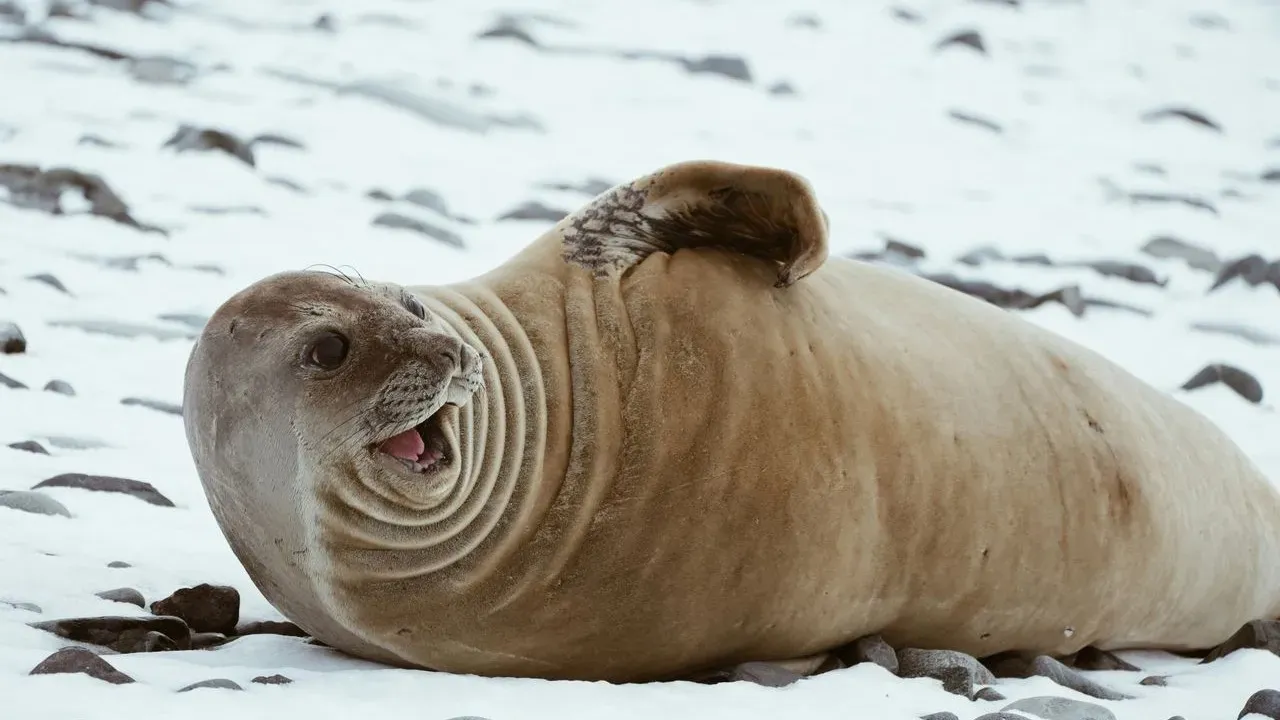

A five-month-old walrus named Annautaq has reached its new home at SeaWorld Orlando after traveling roughly 4,000 miles from an Alaskan beach. The calf was discovered orphaned and alone before being placed in the care of the Florida facility. The relocation highlights the specialized efforts required to support young marine mammals far from their Arctic origins. ([1])
Discovery on the Alaskan Coast
Wildlife responders encountered the young walrus on a remote beach in Alaska, where it had been left without its mother. At just five months old, Annautaq faced significant challenges typical for an orphaned calf in a harsh northern environment. Rescue teams moved quickly to stabilize the animal and prepare it for transport. The decision to relocate the calf reflected standard protocols for ensuring the survival of such young marine mammals when local rehabilitation options are limited.
Preparing for the Long Relocation
Transporting a walrus calf across thousands of miles demands careful planning and specialized equipment. Handlers focused on maintaining the animal’s health during the extended trip, which involved both air and ground segments. The journey from Alaska to central Florida required coordination among multiple agencies and facilities experienced in marine mammal care. Annautaq’s age made temperature control and feeding schedules critical throughout the process.
Settling into SeaWorld Orlando
Upon arrival, Annautaq entered a dedicated habitat designed to support its growth and development. Staff at the Orlando park began the gradual acclimation process, introducing the calf to new surroundings and routines. The facility’s team includes experts in walrus husbandry who monitor nutrition, behavior, and overall well-being. This new environment offers consistent care that would have been difficult to sustain in the original rescue location.
Broader Context of Marine Mammal Rescues
Cases like Annautaq’s illustrate the growing network of facilities that handle orphaned or stranded Arctic species. SeaWorld Orlando maintains programs specifically for walruses and other cold-water mammals, allowing for long-term support when return to the wild is not feasible. Such relocations remain relatively rare but underscore the logistical reach of modern wildlife rehabilitation efforts. The calf’s successful arrival marks the start of a new chapter under professional care.
AI Disclaimer: This article was created with the assistance of AI tools and reviewed by a human editor.