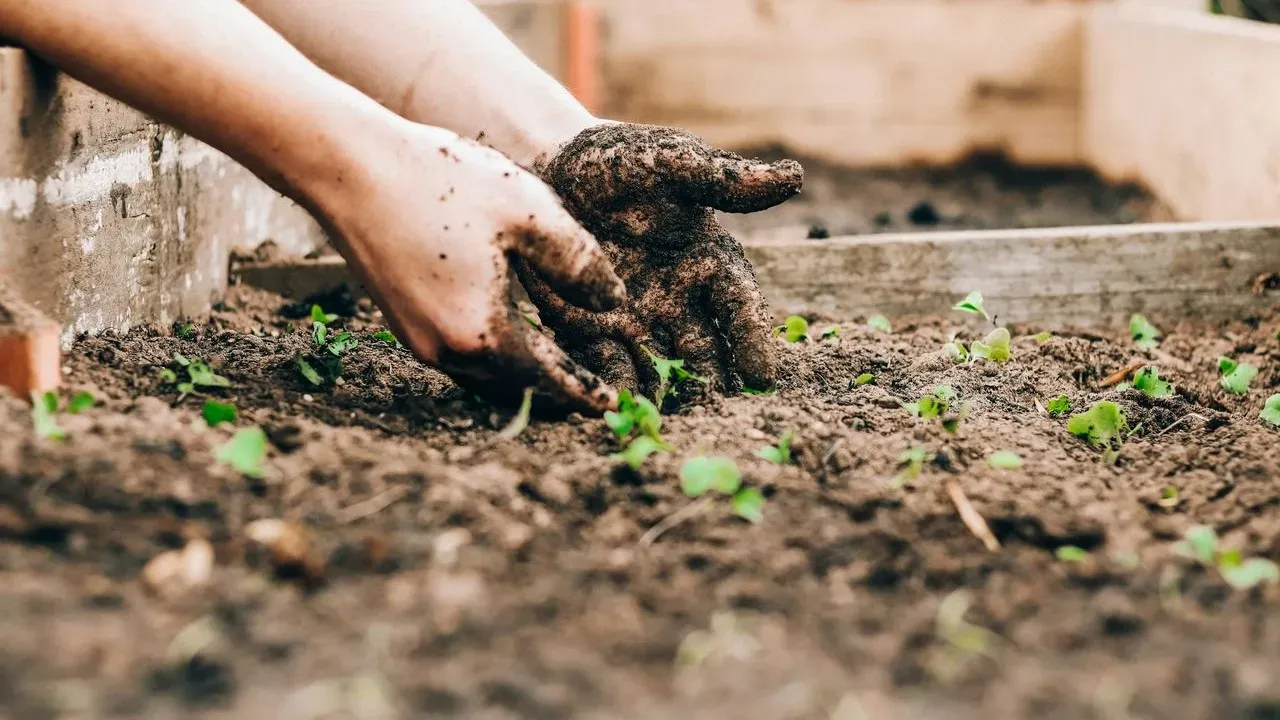

Many gardeners adopt organic methods to avoid synthetic inputs and support soil health, yet this approach sometimes leaves plants short on essential nutrients. The result shows up as stunted growth, yellowing leaves, and poor yields, even when no chemical pesticides or fertilizers are used. Recent observations from experienced growers highlight how a strict philosophy can delay or prevent plants from reaching their full potential, particularly in containers or poor native soils. The original discussion on this topic appears at ([1]).
Why the Assumption Falls Short
Organic gardening often emphasizes building soil over time through compost and natural amendments. This long-term strategy works well once established, but it does not always deliver immediate or adequate nutrition for plants already in the ground. In regions with sandy, acidic soils low in organic matter, roots have limited access to what they need without additional inputs.
The practical consequence is that time, effort, and resources invested in a garden can go to waste if plants remain underfed during critical growth periods. Stakeholders affected include home gardeners, small-scale homesteaders, and nursery operators who prioritize chemical-free practices. They may watch transplants struggle for months or years while neighbors using balanced feeding see rapid progress. The timeline matters because vegetables and potted plants rarely recover from early deficits, whereas established trees sometimes catch up later.
Common Signs of Underfed Plants
Yellow or pale foliage, spindly stems, and slow development often point to nutrient shortages rather than pests or disease. One documented case involved a plum tree that remained a waist-high shrub after three years, covered in lichen and showing red-yellow leaves instead of reaching a healthy ten-foot height with a thick trunk. Similar patterns appear in peach, apple, and vegetable transplants grown under organic rules in challenging soils.
These symptoms repeat across different sites when soil amendments lag behind plant needs. The affected plants cannot access enough nitrogen, phosphorus, or other elements locked in the ground or depleted in pots. Without intervention, yields suffer and the garden fails to deliver the food it was intended to produce.
Options for Building Better Soil
Long-term success comes from consistent additions that improve structure and nutrient availability. Common materials include cottonseed meal, alfalfa pellets, bone meal, seaweed, biochar, lime, and well-rotted manure layered with mulch. In sandy areas, repeated applications of mixed hardwood chips have produced stronger results than pine-based mulches, which sometimes worsen deficiencies. A short list of effective amendments includes:
– Cottonseed meal or alfalfa pellets for nitrogen
– Bone meal for phosphorus
– Lime to adjust acidity where needed
– Biochar and compost to increase organic matter and cation exchange
These inputs require regular renewal, especially in low-fertility ground, but they create conditions where plants thrive without constant external feeding.
Handling Immediate Shortfalls
When plants show clear distress, a targeted boost can restore health while soil-building continues. Organic options such as compost teas or strong manure extracts work faster than bulk amendments alone. In some situations, growers have turned to balanced liquid feeds to stabilize crops quickly, then shifted back to closed-loop methods once systems improve.
The key is treating the current crisis without abandoning future goals. Vegetables and container plants benefit most from prompt action because they have limited time to recover. Trees and shrubs tolerate delays better but still perform below capacity when starved. The measured outcome is higher overall production and less wasted effort when both short-term needs and long-term soil health receive attention.
AI Disclaimer: This article was created with the assistance of AI tools and reviewed by a human editor.