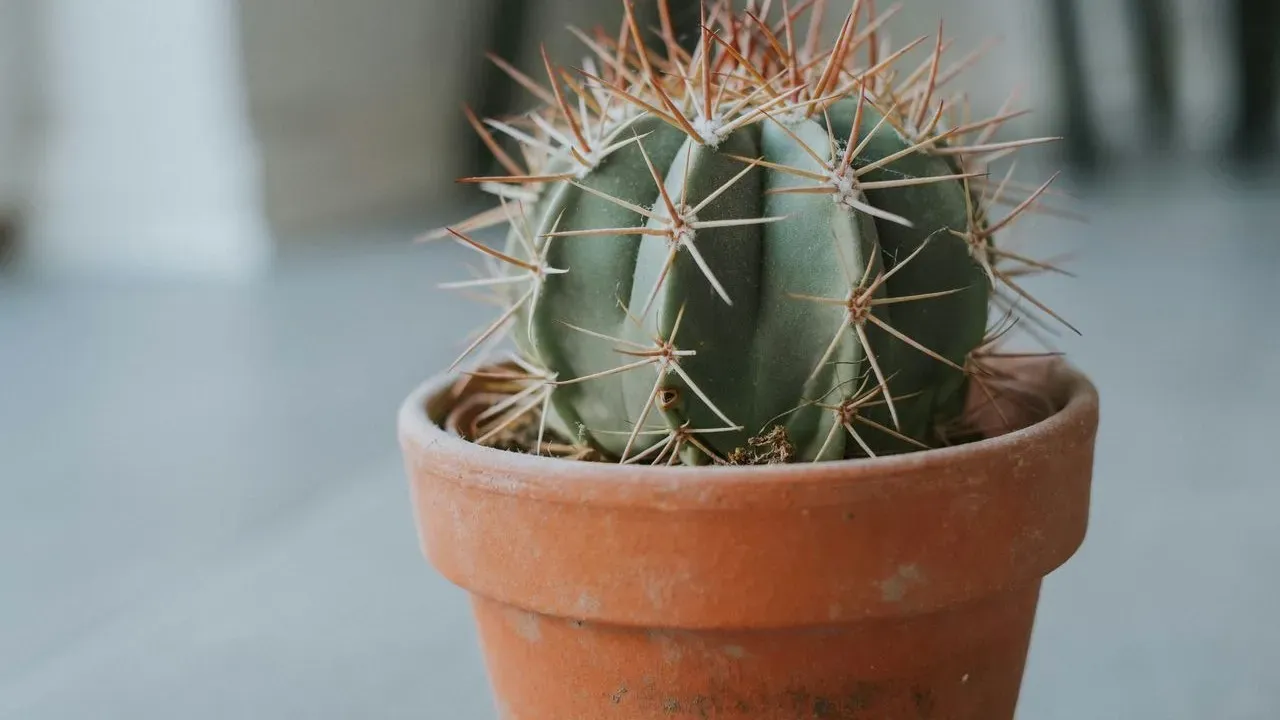

Gardeners seeking distinctive houseplants often turn to the orchid cactus, known scientifically as Epiphyllum. This epiphytic cactus stands apart from typical desert varieties because of its flattened stems and preference for humid, shaded conditions rather than arid soil. Its large blooms add dramatic flair to indoor collections, and the plant lends itself readily to propagation through cuttings, allowing enthusiasts to expand their displays without purchasing new specimens. The approach draws attention in gardening circles for its accessibility, especially as more people explore low-maintenance options that still deliver striking visual impact.
Why the Orchid Cactus Appeals to Modern Growers
Epiphyllum species originate in tropical regions where they grow on trees or rocks rather than in the ground. This epiphytic habit shapes their care needs and explains the flattened, leaf-like stems that store water efficiently. The resulting plants produce oversized flowers in shades that range from white to vivid pinks and reds, often appearing at night in some varieties. Such traits set the orchid cactus apart from conventional cacti and make it a conversation piece in homes and conservatories. Growers value the combination of unusual form and relatively forgiving requirements once the plant is established.
Preparing Cuttings for Successful Propagation
Propagation begins with selecting healthy stem segments from a mature plant. Gardeners typically choose firm, disease-free sections several inches long and allow the cut ends to callus over for a day or two before planting. This step reduces the risk of rot when the cutting is placed in a suitable medium. A well-draining mix suited to epiphytes supports root development without holding excess moisture. Many use a blend of orchid bark, perlite, and a small amount of peat or coco coir to mimic the plant’s natural growing conditions. The cutting is inserted shallowly so that it remains upright while roots form over several weeks.
Aftercare and Establishment of New Plants
Newly rooted cuttings require consistent but moderate moisture and protection from direct sun. Bright, indirect light encourages steady growth without scorching the tender stems. As roots strengthen, watering can be adjusted to allow the medium to dry slightly between applications, reflecting the plant’s tolerance for periodic dryness. Transplanting into slightly larger containers occurs once the root system is visible and active. At this stage, the young plants begin to show the characteristic flattened stems that define the species. Regular observation helps identify any adjustments needed in humidity or light to maintain vigor.
Expanding Collections Through Repeated Propagation
The straightforward nature of stem cuttings means a single healthy orchid cactus can yield multiple new plants over time. Each successful propagation adds to a collection while preserving desirable traits from the parent. Gardeners often share cuttings with fellow enthusiasts, extending the reach of favored varieties without commercial purchases. This method aligns with broader interest in sustainable gardening practices that emphasize reuse and minimal waste. The orchid cactus thus serves both as an ornamental standout and a practical subject for hands-on plant multiplication.
AI Disclaimer: This article was created with the assistance of AI tools and reviewed by a human editor.