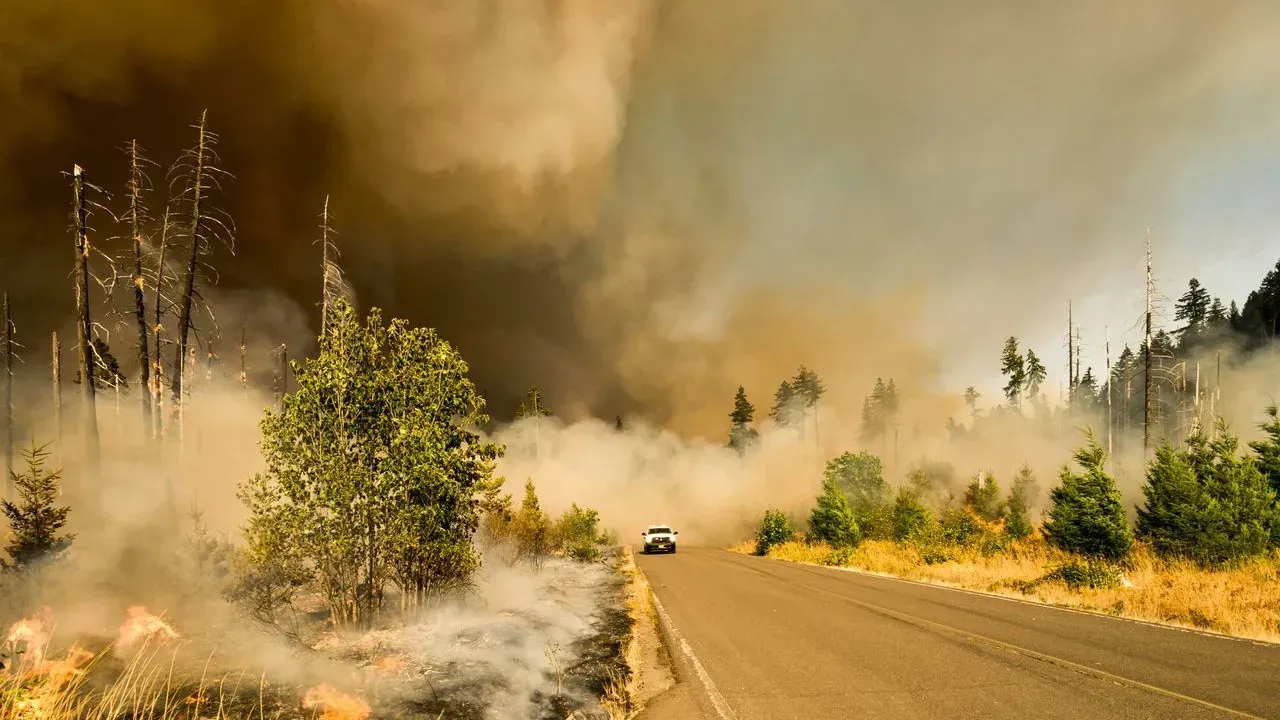

Smoke from Canadian wildfires has a way of traveling far beyond its origin, and the latest outbreak in Ontario is no exception. Authorities report a sharp increase in fire activity across the province, with new ignitions concentrated in the western regions. The result is another round of hazy conditions and elevated health risks for communities downwind in the United States.
Scale of the Current Outbreak
The Canadian Interagency Forest Fire Centre recorded 32 new wildfires that began on Monday, primarily in western Ontario. At the same time, 46 fires across the province were already burning out of control. These figures reflect an active fire environment where containment remains difficult amid dry conditions and shifting winds. Such numbers underscore how quickly a situation can escalate in a single province. Western Ontario has seen repeated flare-ups this season, adding to the challenge of resource allocation for firefighters. The combination of fresh starts and ongoing blazes creates a persistent source of smoke that can linger for days.
How the Smoke Reaches the United States
Prevailing winds often carry particulate matter from Ontario fires across the border within hours or days. Once aloft, the smoke mixes with regional air masses and can settle over wide areas of the northern and midwestern United States. The outcome is a thick haze that reduces visibility and drives air quality readings into unhealthy ranges for sensitive groups. This pattern has repeated in recent years, reminding residents that distance offers limited protection. Ground-level concentrations of fine particles rise quickly when the plume arrives, prompting air quality alerts from local agencies. Outdoor exposure during peak haze periods carries measurable respiratory risks, particularly for children, older adults, and anyone with existing lung conditions.
Practical Effects on Daily Outdoor Life
Gardeners and others who work or exercise outside face direct decisions about timing and duration. High particle counts make prolonged activity less advisable, as even moderate exertion can increase inhalation of irritants. Plants themselves can show stress from reduced sunlight and deposited ash, though the most immediate concern remains human health. Many people notice scratchy throats, irritated eyes, or worsened allergies when the haze arrives. These symptoms often prompt a shift indoors or to early-morning hours before concentrations peak. Checking daily air quality forecasts becomes essential rather than optional during these episodes.
- Monitor local air quality indices before extended outdoor work.
- Limit strenuous activity when readings enter the unhealthy category.
- Keep windows closed during peak haze hours to reduce indoor particle levels.
- Consider masks rated for fine particles if outdoor time cannot be avoided.
Looking Ahead
Fire activity in Ontario shows no immediate sign of easing, which means the smoke pipeline to the US could remain active. Continued vigilance from both Canadian firefighting teams and American air quality monitors will shape how the coming days unfold. For anyone planning garden projects or outdoor time, the safest approach is to stay informed and flexible.
AI Disclaimer: This article was created with the assistance of AI tools and reviewed by a human editor.