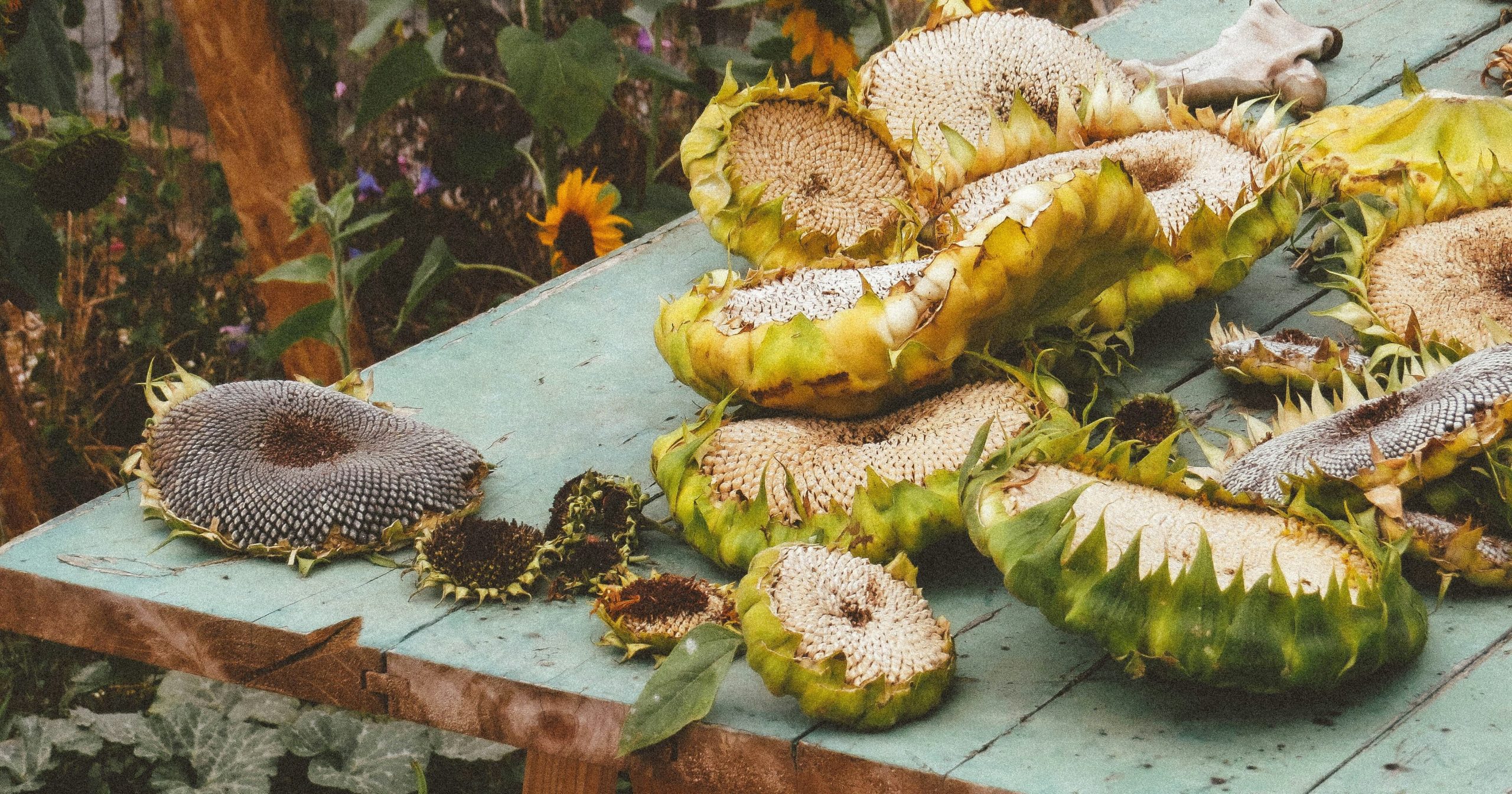

As the gardening season winds down, many gardeners feel the urge to clear their beds and toss out the spent annuals. It feels tidy and satisfying, but removing those “dead” plants too early can actually harm your garden and the wildlife it supports. While annuals have finished blooming, their remaining stems, seeds, and foliage still play important roles in protecting soil, feeding birds, and sheltering pollinators during the colder months.
Leaving your dead annuals in place until spring creates a healthier, more resilient garden ecosystem. From providing natural mulch to supporting biodiversity, these fading plants are far from useless. Before you reach for the pruners and trash bags, here are the key reasons to leave your annuals where they are through winter.
They Provide Food for Birds and Wildlife
Many annuals produce seed heads that feed birds and small mammals throughout the winter months. Plants like sunflowers, zinnias, and cosmos may look finished to us, but their seeds are a valuable food source when natural resources are scarce. By leaving dead annuals standing, you create a buffet for finches, chickadees, sparrows, and other backyard visitors.
Beyond seeds, spent blooms and stalks harbor insects and larvae that overwinter in the debris. These insects become a critical winter food source for birds and other wildlife. Removing dead annuals strips away an entire layer of sustenance for your local ecosystem, making your yard less inviting to beneficial species.
Dead Annuals Protect Your Soil Over Winter
Exposed soil in winter is vulnerable to erosion, compaction, and nutrient loss. Dead annuals act as a natural mulch, shielding the ground from harsh winds, heavy snow, and fluctuating temperatures. Their stalks trap leaves and organic matter, which further insulate the soil and create a microhabitat where beneficial organisms can thrive.
By allowing spent plants to stay in place, you also preserve moisture in the soil, reducing winter desiccation and helping it recover faster in spring. When annuals break down naturally, they return organic material and nutrients back into the soil, improving its structure and fertility. Clearing them too soon disrupts this natural cycle and forces you to work harder later to rebuild healthy beds.
Seed Heads Fuel Next Year’s Self-Sowing
Many annuals are prolific self-seeders, meaning they naturally drop seeds that sprout in spring without any extra work from you. Plants like calendula, cosmos, and black-eyed Susans can repopulate your garden beautifully when left to complete their life cycle. By removing them too early, you’re throwing away a free crop of next year’s blooms.
Allowing annuals to stay until spring gives those seeds time to ripen, fall, and settle into the soil. Come warmer weather, you may find your beds full of unexpected seedlings, reducing the need for buying and planting new flowers. Leaving annuals undisturbed allows nature to do the work for you while adding diversity and resilience to your garden.
They Provide Shelter for Pollinators
Dead annuals provide critical overwintering habitat for bees, butterflies, and other pollinators. Hollow stems, dried seed heads, and leaf litter become hiding places for beneficial insects to shelter from freezing temperatures. Many solitary bees, for example, lay their eggs in old plant stems and rely on them for protection until spring.
When you cut everything down in the fall, you unintentionally remove these vital habitats and reduce the number of pollinators returning to your garden next year. By leaving annuals standing, you create safe spaces where these insects can thrive and reproduce, directly supporting the health of your entire ecosystem when the growing season returns.
Snow Adds Natural Insulation Around Them
Annuals left standing during winter trap snow, creating a natural insulating layer that protects both the plants around them and the soil below. Snow caught among stems melts slowly, feeding the soil with steady moisture instead of overwhelming it with runoff. This process prevents nutrient leaching and maintains stable ground conditions.
Removing annuals too early exposes bare soil to freezing winds and rapid temperature shifts, which can harm the roots of nearby perennials and shrubs. By leaving dead plants in place, you help moderate the microclimate within your beds, keeping them healthier and better prepared for spring growth.
Beneficial Insects Overwinter in the Debris
Many beneficial insects use dead annuals and surrounding leaf litter as their winter homes. Ladybugs, lacewings, ground beetles, and even predatory wasps shelter in the stalks and under the organic matter around them. These insects play vital roles in controlling pest populations naturally when spring arrives.
By clearing your garden beds prematurely, you may be throwing away these free pest-management helpers before they’ve had a chance to emerge and do their work. Allowing annuals to remain until spring creates a balanced ecosystem where natural predators thrive, reducing the need for chemical interventions later in the season.
You Avoid Damaging Emerging Growth
One of the risks of cutting back annuals and perennials too early is accidentally disturbing new growth. Many plants begin setting buds or pushing up fresh shoots under the soil in late winter, and removing debris at the wrong time can damage these delicate growth points.
Waiting until early to mid-spring to clean up gives plants a chance to wake up naturally. By then, you’ll be able to see which areas need pruning and which plants are sprouting, allowing you to tidy your beds without harming next season’s blooms. Leaving dead annuals standing helps protect your future garden from unintended damage.
They Enrich Soil Naturally
When dead annuals break down in place, they act as a slow-release fertilizer for your garden. Their stems, leaves, and seed heads decompose into valuable organic matter, feeding beneficial microbes and improving soil structure. This natural enrichment boosts soil health and reduces your reliance on store-bought fertilizers in the spring.
By contrast, removing dead annuals and hauling them away interrupts this natural cycle. Instead of discarding valuable nutrients, let plants compost where they fall whenever possible. Over time, this process builds a richer, more resilient soil base that supports healthier, stronger plants year after year.
You Create a Winter Habitat for Wildlife
Dead annuals provide cover and shelter for small mammals, amphibians, and insects trying to survive harsh winter conditions. Hollow stalks, dried foliage, and low-growing debris form microhabitats where creatures like frogs, spiders, and overwintering butterflies can hide from predators and extreme temperatures.
By leaving these plants in place, you contribute to a balanced food web in your yard, supporting creatures that help control pests and pollinate plants. Winter gardens filled with “dead” material are still alive with activity beneath the surface, sustaining entire mini-ecosystems until spring awakens the landscape again.
Spring Cleanup Is Easier and Healthier
Letting your annuals remain over winter makes spring cleanup simpler and better for your garden’s overall health. By spring, many of the dried stems and leaves will have partially decomposed, making them easier to remove or break down into mulch. You also avoid disturbing wildlife and pollinators that use these plants for shelter during the cold months.
Spring cleanup gives you a clearer view of which plants self-seeded, which need pruning, and where new growth is emerging. Instead of rushing to tidy in the fall, allowing nature to take its course saves you time and effort while setting your garden up for long-term success.