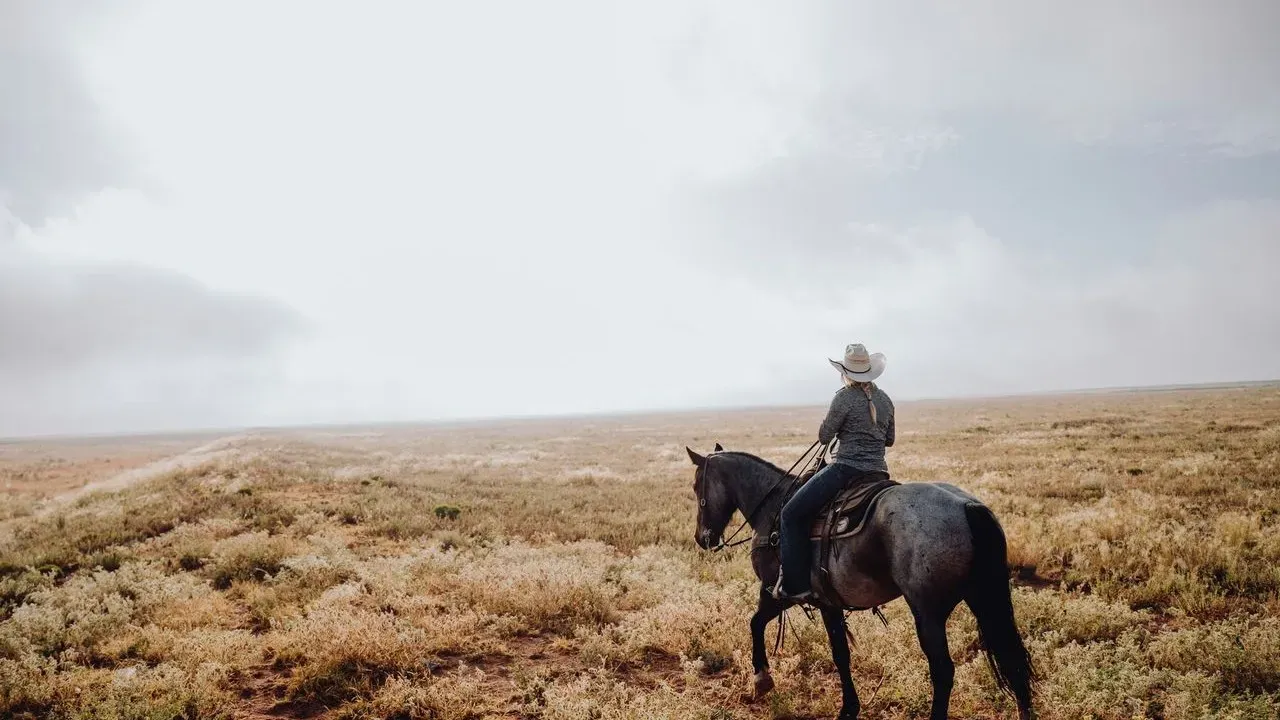

Olivia Singer set out for several weeks across Montana and Wyoming with little more than a desire to step away from constant connectivity. What unfolded between stays at dude ranches, an unexpected mechanical setback inside Yellowstone, and nights spent at an off-grid canyon camp ultimately allowed her to experience a genuine shift in pace and perspective. The journey, detailed in her account for Vogue, showed how deliberate time in remote landscapes can interrupt the usual rhythm of daily life. ([1])
Choosing the Open Road Over Routine
Singer’s decision to travel through the American West came at a moment when many people feel pulled in multiple directions at once. Rather than booking a conventional vacation, she opted for a route that emphasized self-reliance and direct contact with the land. Dude ranches served as the first stops, offering a structured yet immersive introduction to ranch life that included early mornings and physical tasks tied to the surrounding terrain. These initial days helped establish a baseline of presence. Without the usual digital interruptions, small details such as changing light across open fields or the sound of wind through trees became more noticeable. The ranches provided both shelter and a framework for slowing down, setting the stage for deeper immersion later in the trip.
Unexpected Challenges in Yellowstone
A blown tire inside Yellowstone National Park tested the limits of preparation and adaptability. What could have been a simple inconvenience became a reminder of how quickly conditions can change in vast, protected landscapes. The incident forced an unplanned pause that highlighted both the scale of the park and the practical realities of traveling through it. Resolving the issue required patience and local assistance, yet the delay also created space for observation. Singer noted how the forced stop shifted attention outward, toward the immediate environment rather than forward momentum. Such moments often define road trips in remote areas, where flexibility matters more than strict itineraries.
Off-Grid Nights in a Remote Canyon
The final stretch brought Singer to an off-grid canyon camp that stripped away remaining comforts. Without electricity or reliable signals, evenings revolved around basic routines and the natural cycle of daylight. The setting encouraged a different kind of awareness, one rooted in the immediate surroundings rather than external demands. Camp life reinforced lessons from earlier stops. Physical activity during the day gave way to quieter reflection once darkness fell. The absence of artificial light made the night sky more prominent, while the canyon walls offered a sense of enclosure that felt protective rather than confining. These conditions supported the gradual recalibration Singer described upon returning home.
Bringing the Experience Forward
Singer’s account underscores how extended time away from familiar patterns can produce lasting effects. The combination of structured ranch stays, an unplanned roadside repair, and primitive camping created a progression that moved from guided exploration to full self-sufficiency. Each element contributed to a broader sense of recalibration without relying on dramatic claims. For readers drawn to nature-based travel, the story offers a practical example of how Western landscapes continue to serve as settings for personal renewal. The details remain grounded in concrete experiences rather than abstract promises, leaving room for others to consider similar routes on their own terms.
AI Disclaimer: This article was created with the assistance of AI tools and reviewed by a human editor.