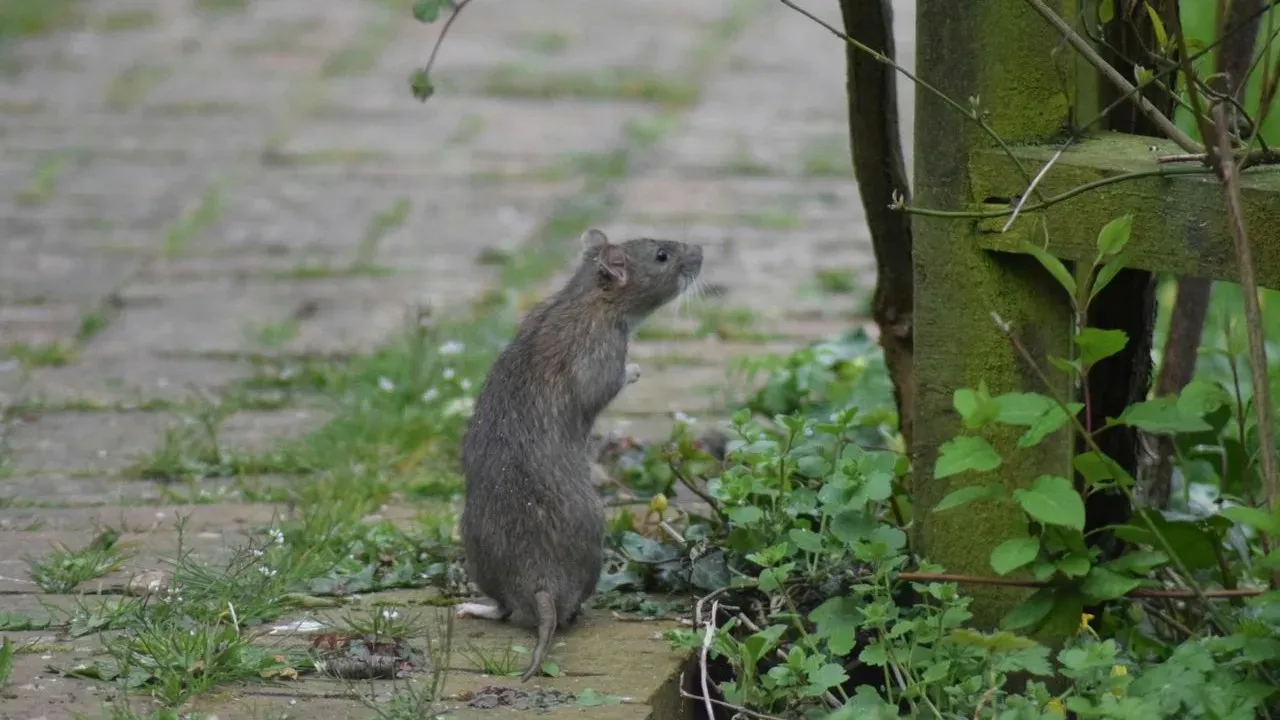

A rat spotted near the tomatoes or along the compost bin can feel like a passing nuisance, but rats are mostly nocturnal, so you may not see them. The Gardener’s Path guide on ([1])makes the case that a single sighting is a reason to act quickly, before a small problem turns into a settled colony. As cooler weather pushes rodents toward shelter and food, that window matters more.
Why one rat is rarely the whole story
Rats are secretive by habit. They move along the same routes at night, which means a gardener may see one animal and never see the others sharing the same space. The original guidance warns that a visible rat usually points to a larger, hidden population, and the signs that give them away are often easy to overlook.
Those signs tend to appear in quiet corners rather than open beds. Burrows are often found in quiet, sheltered locations like beneath sheds, compost bins, or dense vegetation ([2]). Because rats are so adaptable, they can set up wherever food and cover are available, so a tidy-looking yard is not automatically safe.
Learn the signs before the rat appears
A short walk along the garden edge can reveal a great deal. Look for these markers:
- Cylindrical droppings, around 15mm long and 5mm wide ([3])
- Burrow openings with a smooth edge, around 6-9cm across ([3])
- Gnaw marks on plant stems or vegetables ([4])
- Greasy rub marks along walls and entry points, left as rats repeatedly brush against surfaces ([5])
Rat runs are another clue. Smooth run down areas in the garden are caused by rats running along the same path day after day ([6]). Once you know what to look for, a garden that seemed quiet can reveal a clear pattern of activity.
What draws rats into the garden
Rats need three things: food, water, and shelter. Remove at least one of these from your garden or allotment, and they will be less likely to stay ([3]). In practice, the most common attractions are everyday habits rather than anything dramatic.
Compost is a frequent culprit. Garden expert Steve Clark has warned that compost bins are a prime attraction for rodents if left unsecured ([7]). Keeping meat, dairy, and cooked scraps out of the bin helps, and keeping it moist, which rats don’t like, is achieved by including plenty of green and brown materials ([3]).
Bird feeders can also become a food source. Bird food spills from hanging feeders on to the ground, which attracts rats ([8]). Some gardeners choose to pause feeding for a period if rats appear, since stopping bird feeding is one of the simplest steps when rats are suspected ([3]).
Quick checks for the season: Secure compost with tight lids, clear spilled birdseed, remove standing water where possible, and keep woodpiles and debris off the ground.
Physical barriers and everyday habits that help
Blocking access is often more reliable than relying on odors. Rats are strong climbers and squeezers, and the common brown rat can jump up to three metres and can squeeze through a gap of less than 2.5cm ([9]). That makes small openings under structures worth a close look.
Space underneath sheds and decking deserves particular attention. Spaces beneath sheds and decking tend to be dry, snug and enticing to rats, so wire mesh or solid planks of wood around the bases can deter entry ([8]). For raised or ground-level beds, hardware cloth buried six inches deep can block burrowing rodents ([10]).
Routine tidying also matters. Keeping grass short, clearing cluttered storage areas, removing rubbish, and reducing overgrown areas, especially near fences or garden buildings, makes a garden less appealing ([3]). Trimming branches that touch buildings is another useful step, since rats can use them as bridges ([5]).
Acting before the cold months set in
Timing makes a difference. Early spring, before planting, is the best time to inspect the garden for signs of rat activity ([5]), but autumn is not too late to tidy up. Burrows close to a home can become a route indoors, and burrows near your home could lead to indoor infestation, especially in colder months ([11]).
If traps become necessary, live traps offer a humane option, but the release point matters. Release rats far from your home or community garden, as they can find their way back if released too close ([5]). A steady routine of checking the perimeter and sealing new openings will do more than a single cleanup. The goal is not to chase one rat, but to make the whole garden unwelcoming before the rest of the colony arrives.
AI Disclaimer: This article was created with the assistance of AI tools and reviewed by a human editor.