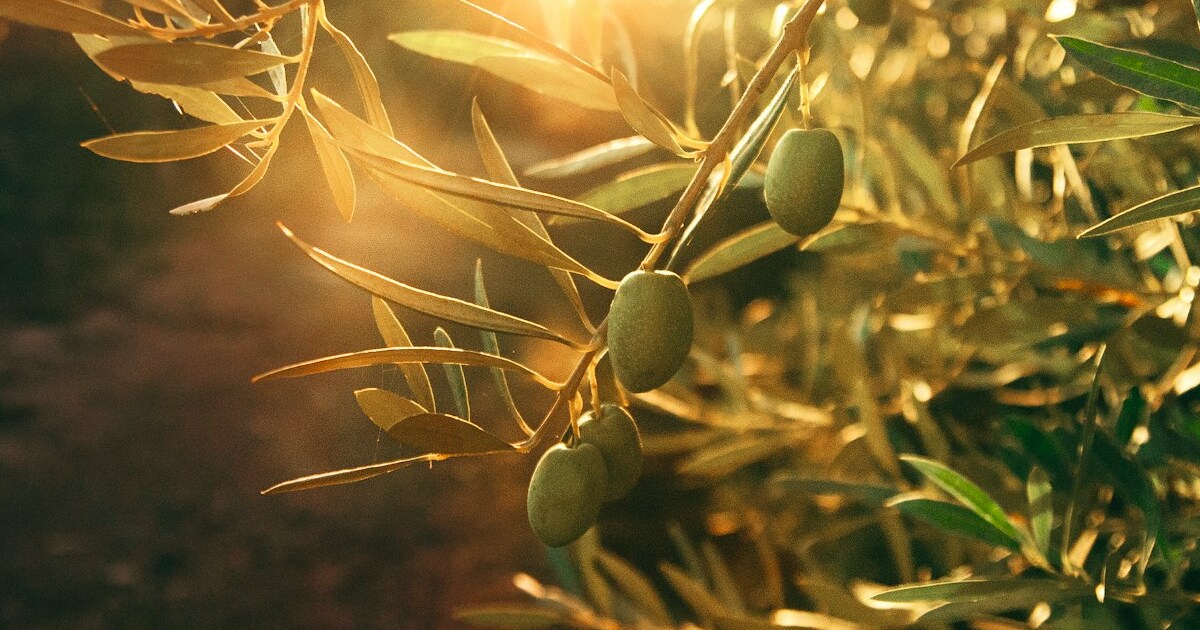

Across many parts of the United States, gardeners are discovering that olive trees offer more than just a nod to Mediterranean landscapes. These evergreen specimens deliver striking visual presence through their silvery foliage and sculptural forms while also yielding fruit that can be cured for the table or pressed into oil. Once established, they stand out for their ability to thrive with minimal water, making them a practical choice even in regions that experience dry summers.
The appeal lies in their dual role as both ornamental features and productive plants. Homeowners no longer need to assume that growing olives requires relocating to coastal California or similar climates. With attention to site selection and basic care, these trees can integrate successfully into many residential settings where winters remain mild enough to avoid severe freezes.
Selecting the Right Spot and Variety
Olive trees perform best in locations that receive full sun throughout the day. They adapt to a range of soil types provided drainage is excellent, which helps prevent root issues in heavier clays. Gardeners in USDA zones 8 through 11 generally find the most consistent success, though some cultivars extend the possibilities slightly farther north with protection.
Popular choices for home landscapes include varieties such as Mission, valued for its reliable fruit production, and more compact options like Arbosana that suit smaller yards. Self-pollinating types simplify matters for most growers, though pairing compatible cultivars can boost yields in some cases. The decision often comes down to whether the primary goal is landscape impact, fruit harvest, or both.
Establishment and Ongoing Care
Planting typically occurs in spring after frost risk passes or in fall in milder areas. The process begins with digging a hole sized to the root ball, setting the tree at the proper depth, and backfilling without amendments so the roots adjust to native conditions. A layer of mulch around the base helps retain moisture and suppress weeds during the critical first seasons.
Young trees require regular watering to develop strong root systems, usually several times a week during the initial summer. Once mature, they become notably drought-tolerant and often manage with natural rainfall alone. Light fertilization in early years supports growth without encouraging excessive vegetative growth at the expense of fruiting. Pruning starts modestly in the first few years to shape the tree, then shifts toward maintaining airflow and encouraging new wood that bears the next season’s flowers.
Harvesting and Using the Fruit
Most olive trees begin producing meaningful crops around five years of age, though yields can alternate between heavy and light years. Fruit changes from green to purple and finally black as it ripens, with harvest timing depending on intended use. Green olives suit table preparations, while slightly riper stages work well for oil extraction.
Raw olives contain compounds that make them intensely bitter, so curing through brine, water, or other traditional methods is essential. The process takes several weeks but transforms the harvest into versatile ingredients for salads, pastas, and preserved preparations. Those focused on oil will find that a mature tree can supply enough fruit for meaningful home production in good years.
Common Challenges and Solutions
Scale insects occasionally appear on olive trees and respond well to targeted treatments such as neem oil applications or removal of affected branches. In certain regions, the olive fruit fly poses a greater concern, managed through sanitation and monitoring traps. Fungal issues like anthracnose may arise in wet conditions and are typically addressed with appropriate fungicides when needed.
Overall maintenance remains low compared with many other fruit trees. The combination of resilience and reward continues to draw interest from gardeners seeking distinctive plants that contribute both beauty and utility without demanding constant attention.
AI Disclaimer: This article was created with the assistance of AI tools and reviewed by a human editor.