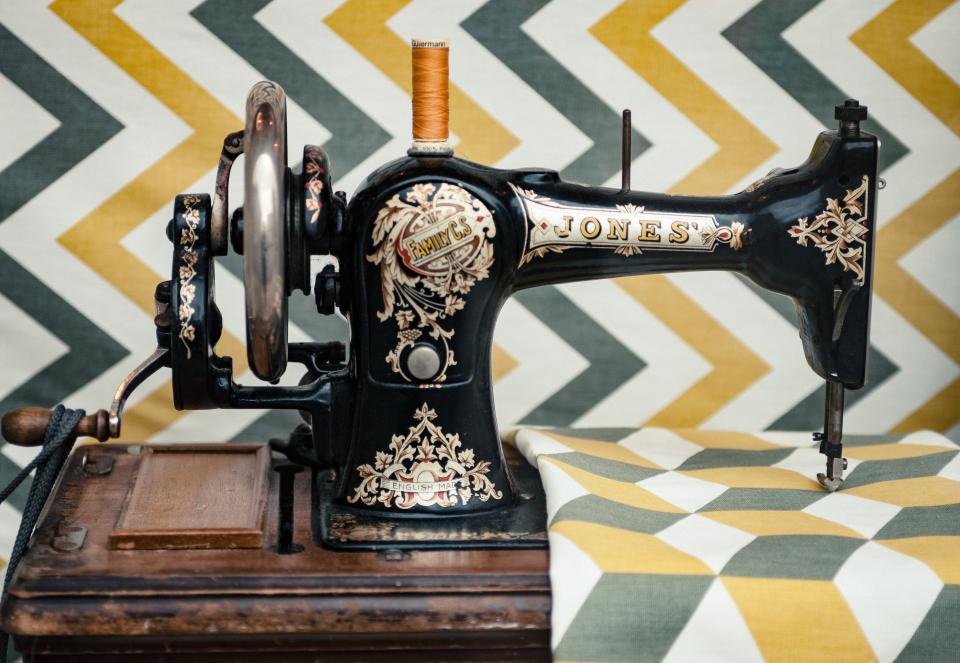

There’s something quietly remarkable happening in attics, estate sales, and online marketplaces across the country. Machines that once gathered dust beside cardboard boxes and old furniture are now selling for hundreds, sometimes thousands, of dollars. Old sewing machines, long considered little more than bulky relics, have quietly crossed the line into serious collector territory.
The reasons aren’t purely sentimental. A convergence of nostalgia, sustainability culture, and genuine mechanical admiration has pushed vintage and antique sewing machines into a market that shows no signs of slowing down. Whether you’ve inherited one or spotted one at a thrift shop, what you’re looking at might be worth a lot more than you think.
The Market Has Quietly Exploded
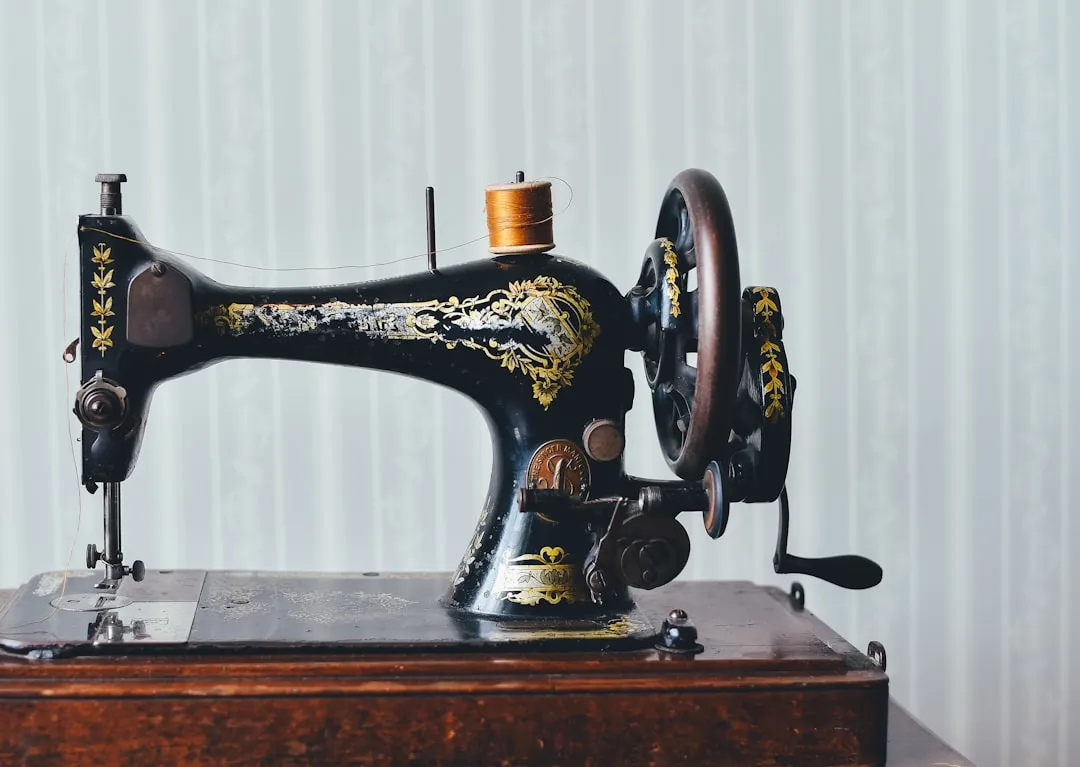
The vintage sewing machine market has exploded over the past decade, with flawless pre-1950 models now commanding prices that rival serious collectibles. This shift hasn’t been loudly announced anywhere, but collectors and sewing enthusiasts have taken notice. What was once a niche hobby has grown into a legitimate secondary market with real money flowing through it.
The vintage sewing machine market has two distinct audiences: collectors who want specific rare models for display and provenance, and sewists who want all-metal machines that will outlast anything sold today. That overlap drives prices up. When demand from two separate buyer groups targets the same limited supply, values rise quickly and stay there.
Singer: Still the Gold Standard
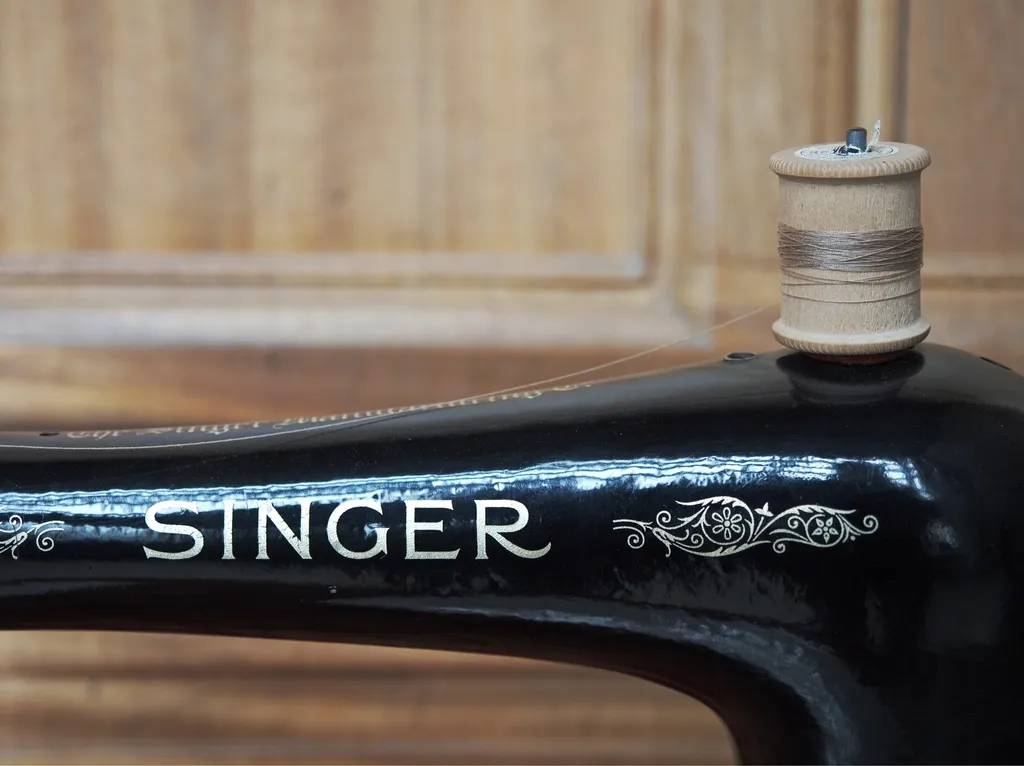
When it comes to vintage sewing machines, Singer is often considered the gold standard. Singer sewing machines from the early 20th century are highly sought after by collectors and sewing enthusiasts alike. The brand’s historical significance, combined with sheer production volume, means Singer machines remain the most recognizable names in the collector market today.
Models like the Singer Featherweight 221 and the Singer 301 are particularly valuable due to their compact size, durability, and excellent stitch quality. The Featherweight 221, in particular, has developed a near-cult following. Singer models such as the Featherweight and the 66 Red Eye are some of the most collectible and valuable machines on the market, with their reliability and iconic design making them highly sought after.
What Featherweight Machines Actually Sell For in 2026
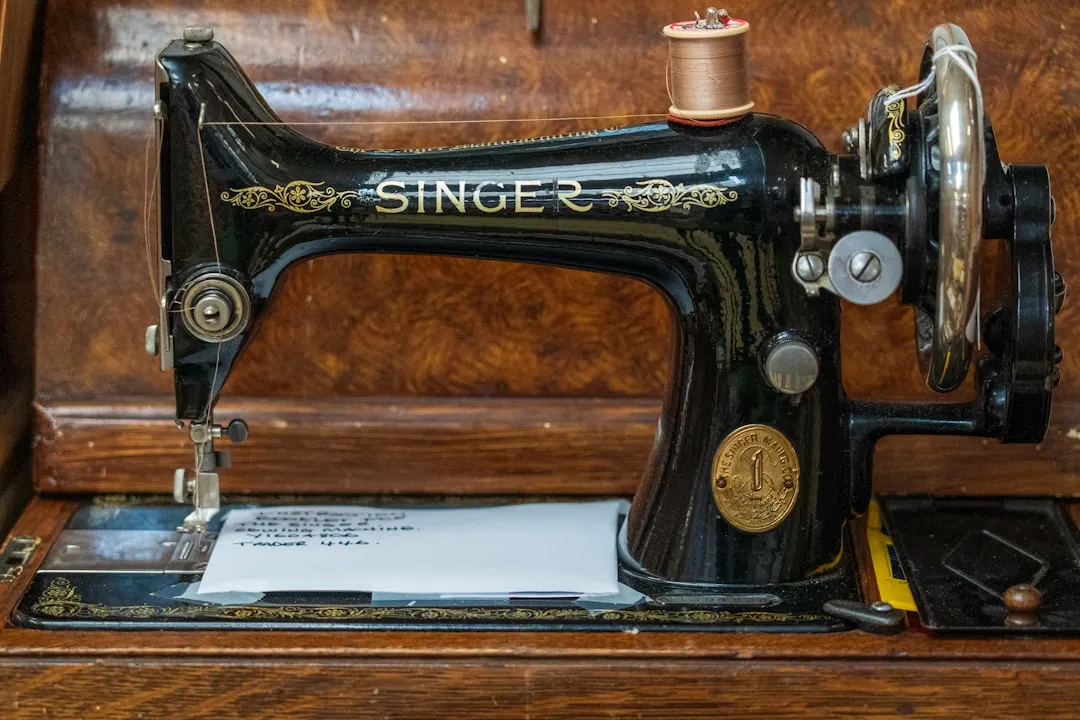
To cut through the noise, here are the realistic numbers for 2026: a basic working 221 usually lands between $400 and $650, while cleaner serviced examples with strong decals and complete Simanco accessories often push higher. At specialist retailers focused entirely on Featherweights, the numbers climb considerably further.
Fully restored Singer Featherweight 221 machines in custom colors like Rosy Posy Pink have sold for $2,549.95, while Singer Featherweight 222K models from the 1950s have sold for over $2,449.95. Rarer configurations push even higher. Machines featuring the 1951 Centennial badge, a special blue-bordered emblem commemorating Singer’s 100th anniversary, consistently command a collector’s premium.
Condition Is Everything
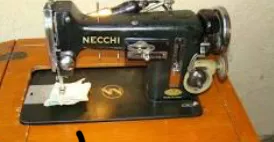
Condition is the single biggest variable. Faded or chipped decals, missing cases, hairline cracks in the bed, and replaced parts all reduce value significantly. A working machine with sharp decals and its original case is worth considerably more than a seized-up, accessory-free version of the same model.
Two nearly identical machines can sell for $200 or $2,000 depending on factors most sellers completely overlook. Serial numbers, original accessories, even the finish on a treadle base separate garage sale finds from investment-grade pieces. The difference between a rough find and a prized example often comes down to details that are easy to miss without knowing what to look for.
Other Brands Worth Serious Money
Swiss precision meets vintage charm in the Bernina 530 Record, a sewing machine that is still beloved by professionals today. Introduced in the 1950s, it was known for its flawless engineering, smooth feed, and sturdy build. Machines with original accessories and cases often sell for $400 to $800, while pristine examples can hit even higher.
The Pfaff 130 was a workhorse of the mid-20th century, often praised for its versatility and strength. Made in Germany, this model could handle everything from silk to leather without breaking a sweat, something modern machines still struggle with. German Pfaff and Swedish Husqvarna Viking machines command premium prices internationally, while Japanese-made Janome and Brother models from the 1950s to 1970s also fetch high values, especially those with unique decals or mechanisms.
Antique vs. Vintage: The Distinction Matters
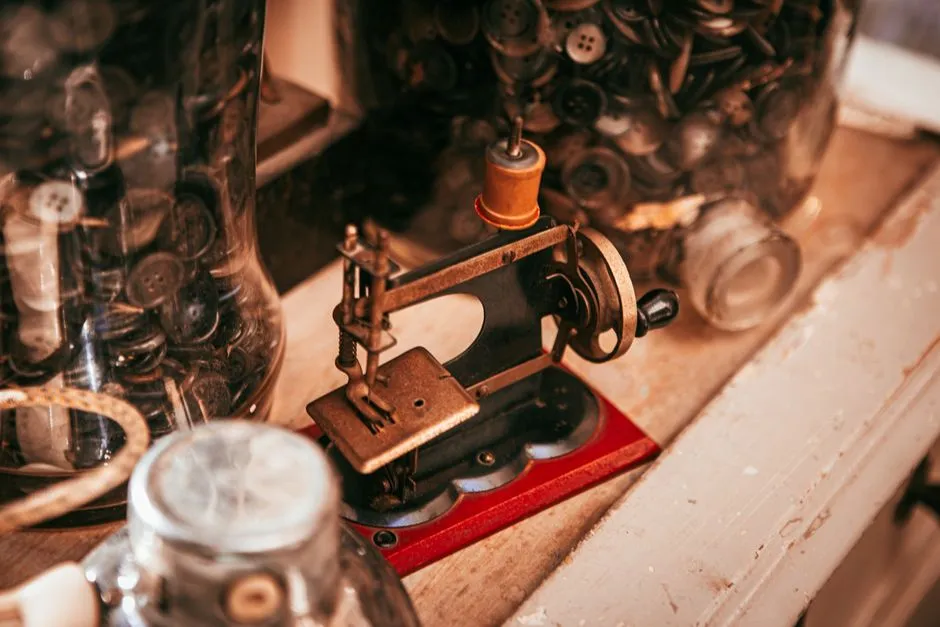
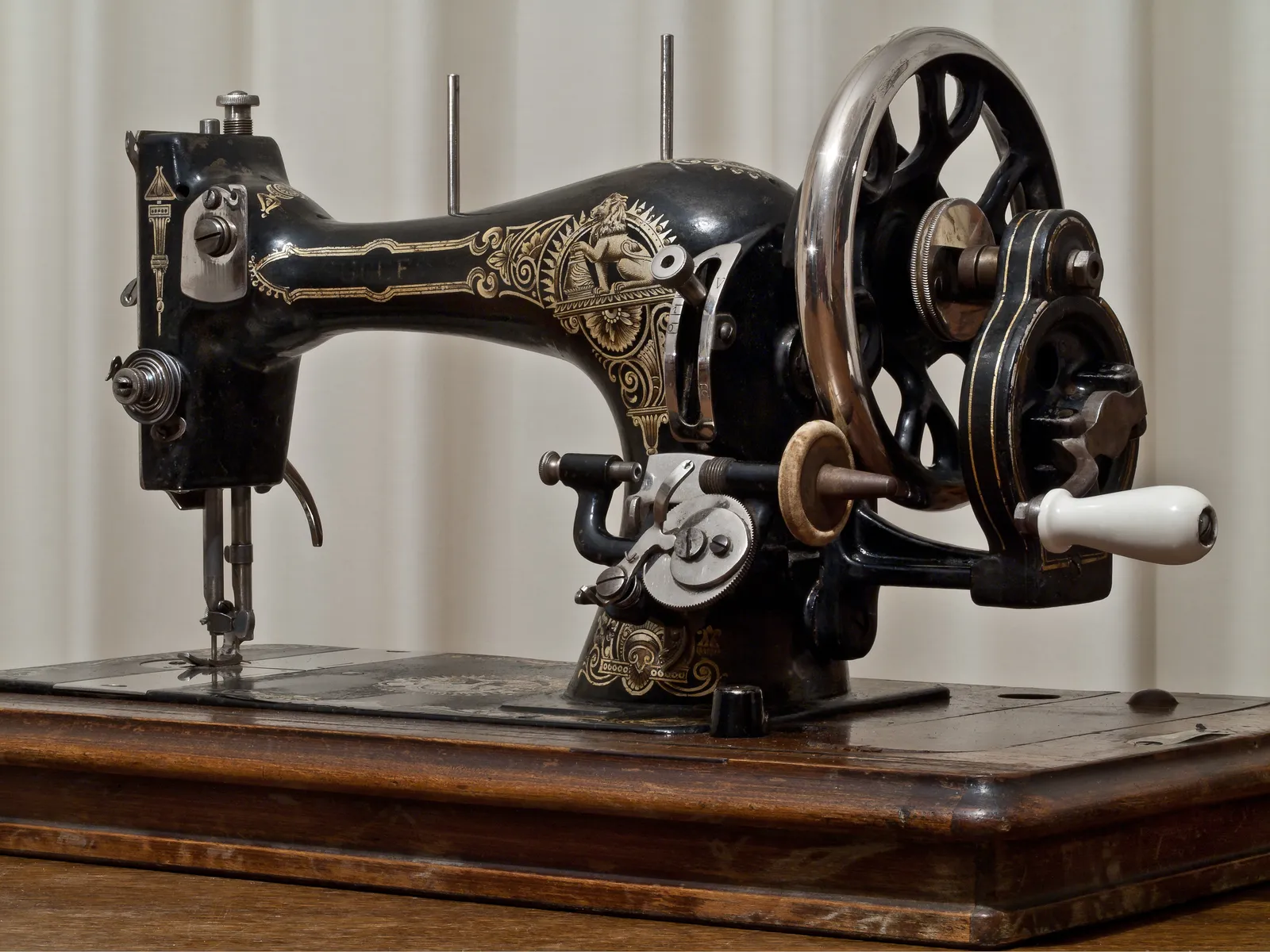
A sewing machine is considered an antique if it was crafted more than 100 years ago. Newer machines are considered vintage, but they can still be extremely valuable on the collectibles market. This distinction matters practically, not just semantically, because antique machines often attract a different buyer with different expectations around provenance and display.
Most sewing machines on the collectible market today will not have any real historical value in the museum sense. The machines that get sold for thousands of dollars are generally rare items that belonged to an important historical figure or were significant in sewing machine history. For the average collector, though, rarity within production runs and exceptional condition still command impressive prices well below that threshold.
What Drives Value Beyond Brand and Condition
Original manuals and accessories can boost a sewing machine appraisal by 15 to 40 percent. That’s a meaningful jump for something as simple as keeping a paper booklet. Collectors should prioritize brands like Pfaff and Bernina, which retain 60 to 75 percent of peak value over two decades. Serial-number verification adds another 8 to 12 percent to antique sewing machine valuation because documented production eras build buyer confidence.
Among machines sold at major estate auctions in 2024, roughly 22 percent were fully functional with original parts, which suggests that complete, unaltered examples are increasingly uncommon and, therefore, increasingly desirable. Professional restorations add 25 to 35 percent premiums, and roughly 60 percent of machines in the mid-range market show professional service within the last five years, a reflection of market trends favoring documented restoration.
Where Collectors Buy and Sell
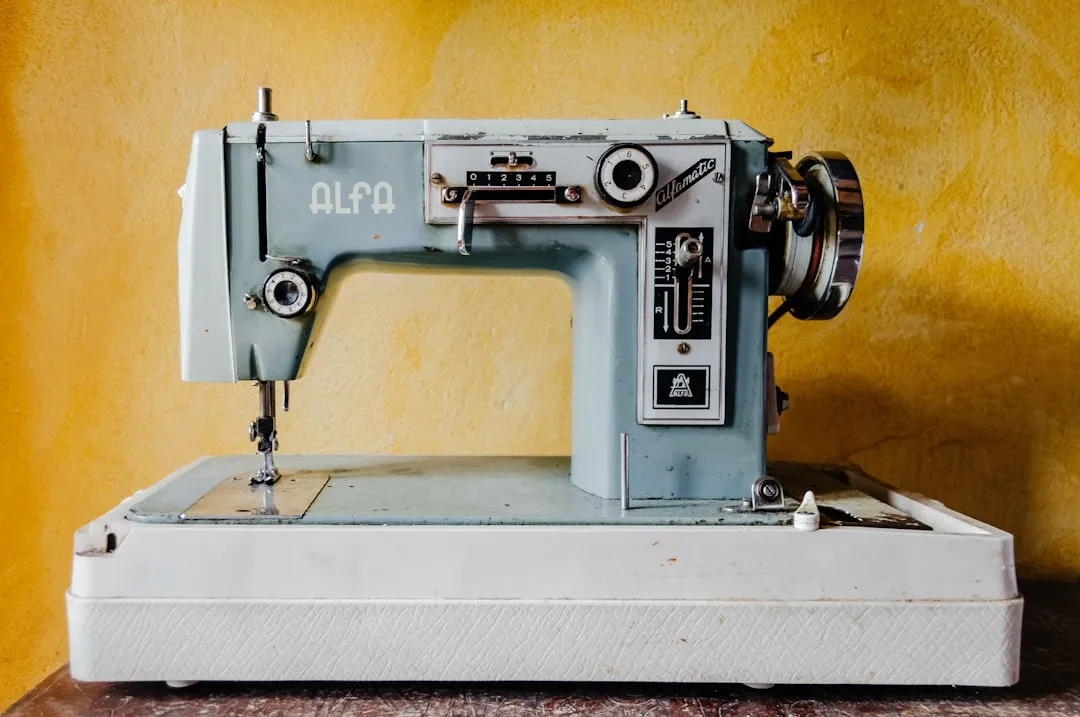
You can determine a machine’s value by researching serial numbers online and comparing prices of similar models that have actually sold on platforms like eBay, Etsy, and Facebook Marketplace. These platforms have become the primary marketplace for vintage machines, connecting sellers in small towns with buyers worldwide. Sites like WorthPoint and LiveAuctioneers show realized sale prices, revealing the true sewing machine value.
Antique dealers offering certified pre-1970 vintage sewing machines charge 15 to 25 percent more, but buyers are paying for verified serial numbers and solid provenance. For collectors who want certainty, that premium is often worth paying. Attending sewing machine collector events or antique fairs, where enthusiasts and experts can help determine value, remains another reliable path.
The Sewing Revival Is Fueling Collector Demand
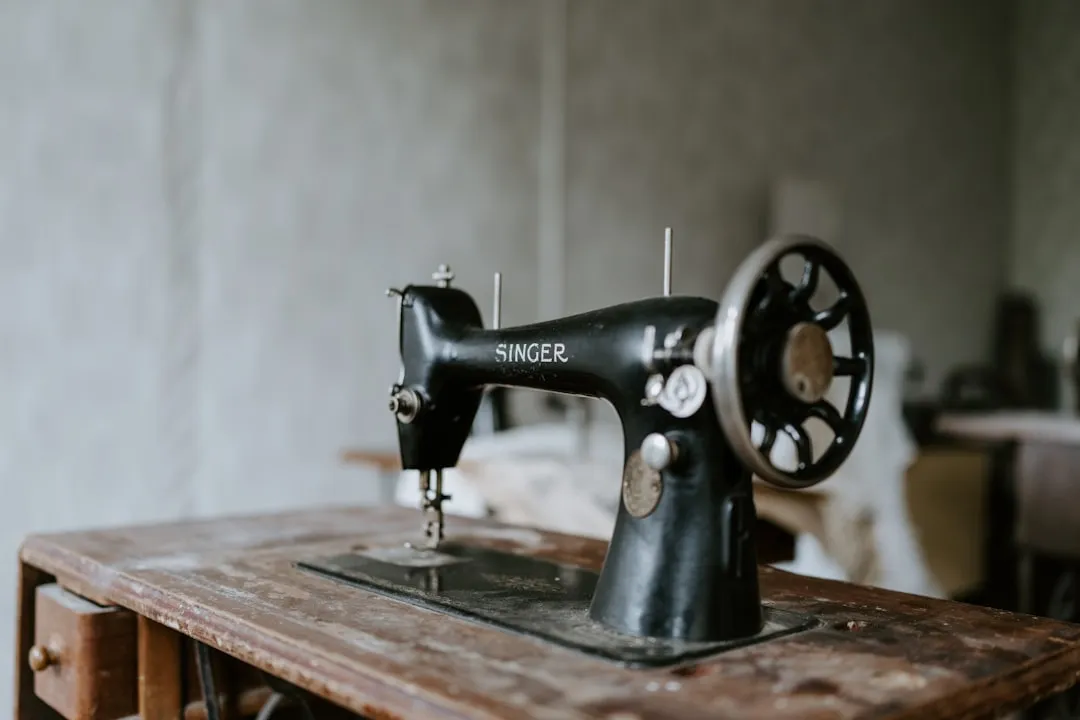
Over 7 million people have taken up sewing since 2020, contributing to a $5.8 billion market that is reshaping how we think about making clothes. Many of those new sewists aren’t reaching for modern plastic machines. They’re chasing the all-metal, all-mechanical precision of machines made decades ago, and that appetite directly inflates collector prices.
Social media is buzzing with tutorials, while eco-conscious crafters are stitching sustainability into every seam. Today’s sewists aren’t just making clothes; they’re building tight-knit online communities, sharing tips, and challenging fast fashion norms. The vintage sewing machine fits neatly into that worldview: durable, repairable, and built without disposable parts.
The Broader Vintage Market Is Rising With It
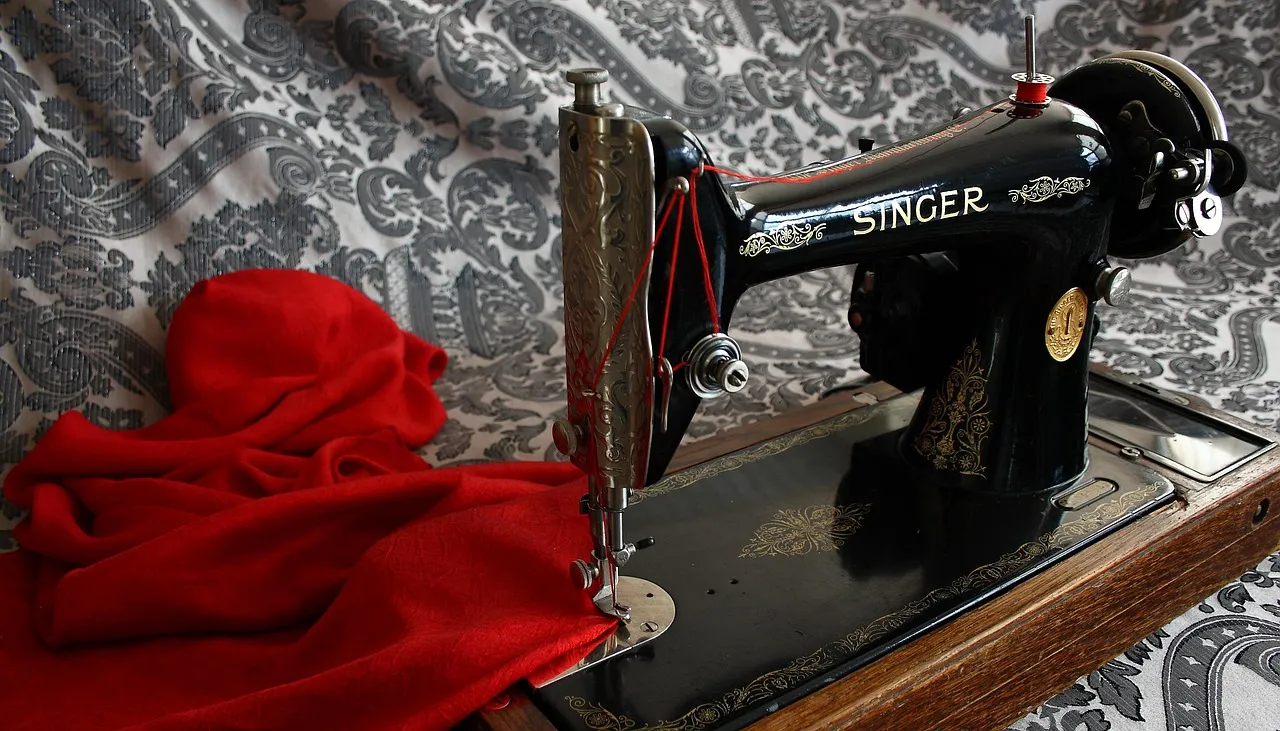
The vintage market on eBay continues to be a high-momentum sector, with global searches for “vintage” occurring over 1,200 times per minute in 2024 and 2025. Sewing machines benefit from that broader wave. The vintage market is currently defined by a “circular style” movement, where pre-loved goods have moved into the mainstream, driven by a shift toward sustainable consumerism.
The secondhand market is projected to reach approximately $125 billion by 2034, expanding at a compound annual growth rate of 11.1 percent from 2024 onwards. Vintage goods constitute a significant and growing portion of this market, driven by increasing consumer interest in sustainability, uniqueness, and the cyclical nature of trends. Sewing machines aren’t the flashiest corner of that market, but they’re one of the more durable ones.
The Takeaway
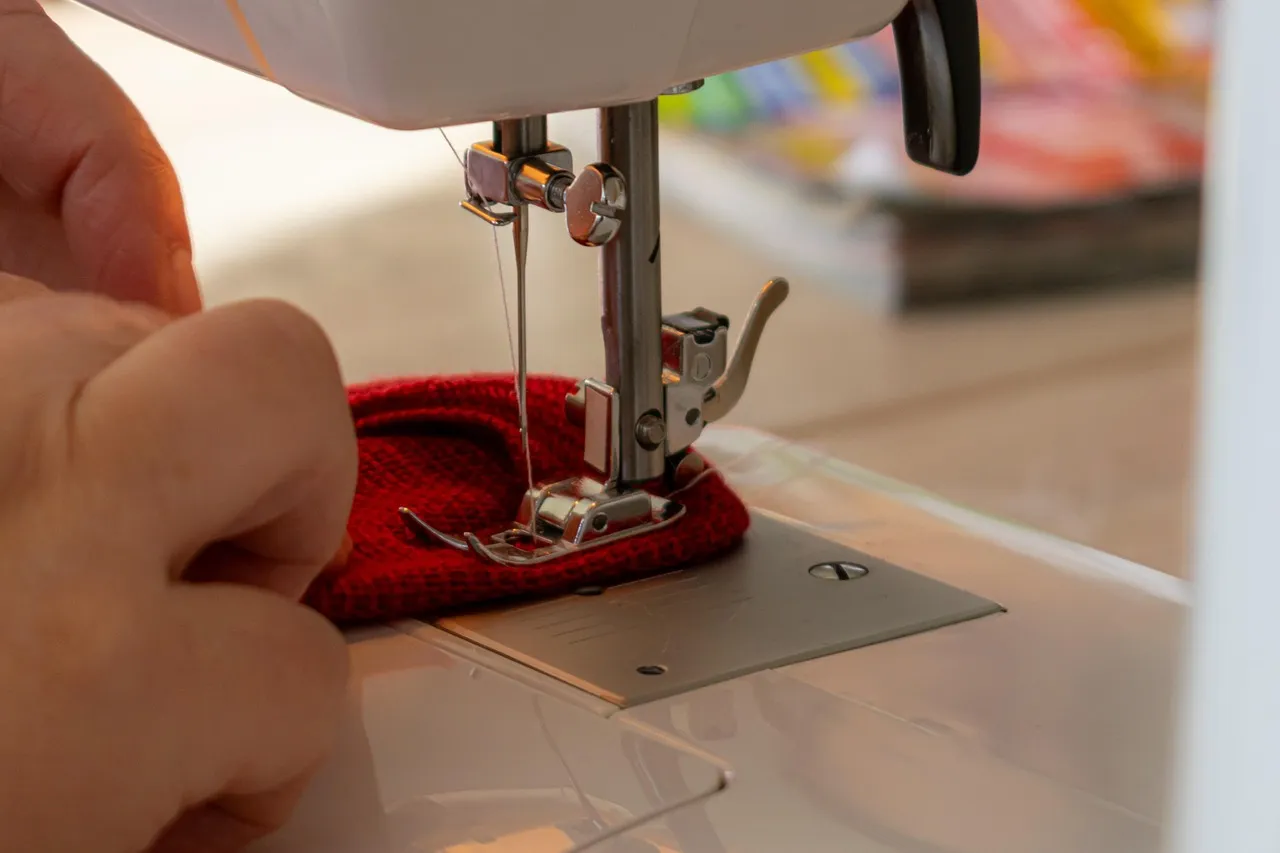
Old sewing machines occupy an unusual space in the collector world. They’re functional objects that double as historical artifacts, mechanical marvels that still work as designed decades later. That combination of utility and nostalgia is surprisingly rare in the antiques market, and it’s a large part of why demand has held firm.
No matter what value you assign to a machine, it is important to remember that it is only worth what you can sell it for. Prices can change from day to day and location to location. Still, the direction of travel is clear. The vintage sewing machine market has exploded over the past decade, and for anyone who still has one sitting in a closet, that’s worth knowing before you decide what to do with it.
AI Disclaimer: This article was created with the assistance of AI tools and reviewed by a human editor.