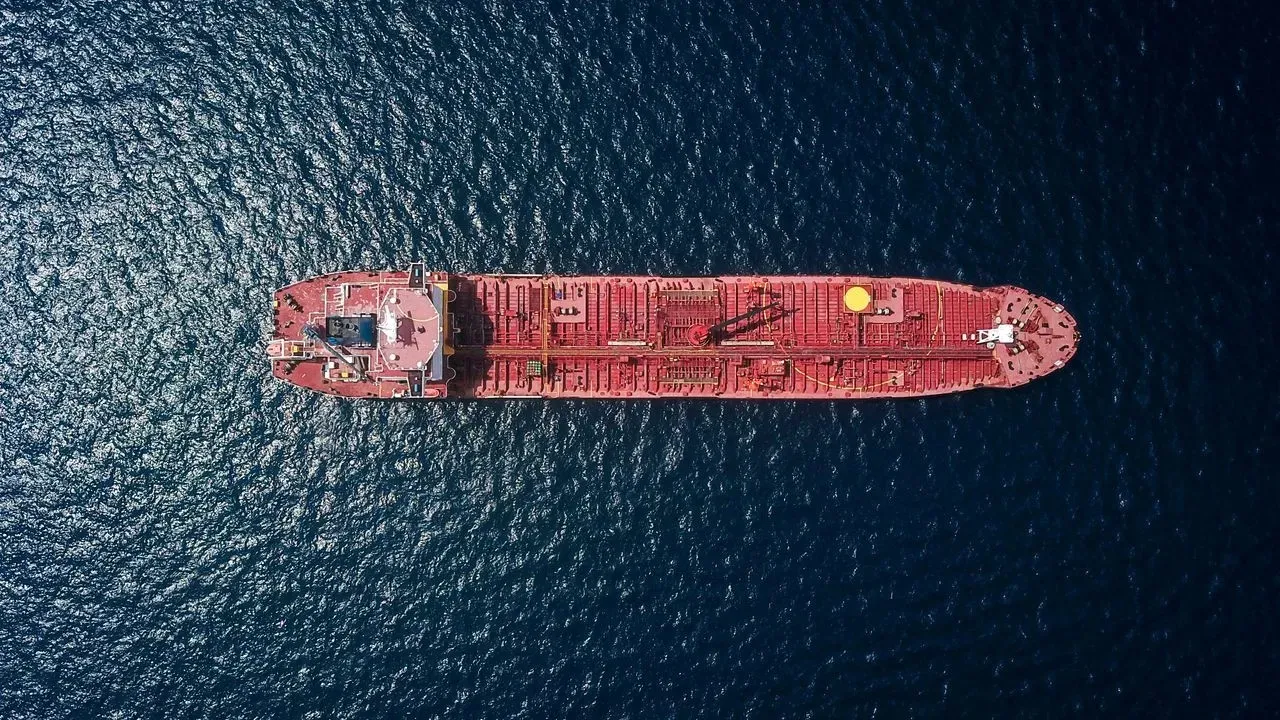

American drivers and businesses are already feeling the pinch as Brent crude climbed to $100 a barrel on Wednesday, its highest level in 15 weeks. The jump stems directly from fresh military exchanges between the United States and Iran over tanker traffic in the Strait of Hormuz. Those tensions have disrupted key energy routes and raised the prospect of even higher fuel costs in the months ahead. The latest round began when U.S. Central Command struck five Iranian oil tankers on Tuesday. American forces said the action responded to recent Iranian missile attempts against a U.S. warship. Iran quickly condemned the strikes and launched its own retaliation, including missile fire toward U.S. positions in Jordan that Jordanian defenses intercepted without casualties. ## Rising Prices Hit Household Budgets Higher oil prices translate quickly into more expensive gasoline, diesel, and heating fuel across the United States. Analysts at Goldman Sachs have warned that continued disruptions could push Brent above $120 a barrel, adding roughly $100 billion in extra fuel expenses for American consumers. The current spike builds on an upward trend that began in August as fighting around the strategic waterway intensified. Many families already stretched by inflation now face another layer of pressure at the pump. Trucking companies and airlines are likewise adjusting routes and surcharges, costs that eventually reach store shelves and ticket prices. ## Timeline of the Latest Exchanges – Tuesday evening: U.S. forces disable five Iranian tankers linked to the Revolutionary Guard. – Early Wednesday: Iran fires missiles at targets in Jordan and claims strikes on additional vessels. – Wednesday morning: Brent crude touches $100, its peak since late July. – Later Wednesday: Iran announces a new “prohibited zone” covering parts of the Gulf of Oman. These rapid moves have left shipping companies rerouting tankers and governments monitoring the flow of crude through one of the world’s busiest chokepoints. ## Who Bears the Immediate Costs Energy-intensive industries such as manufacturing, agriculture, and transportation feel the first effects. Lower-income households that spend a larger share of income on fuel absorb a disproportionate share of the burden. International markets are also watching closely, with Asian economies that rely on Gulf oil particularly exposed. ## What Comes Next Further escalation remains possible as both sides trade accusations and warnings. Markets will track any new restrictions on tanker traffic and any diplomatic efforts to ease the standoff. For now, the $100 price tag serves as a clear signal that the conflict’s economic consequences have reached American shores. The situation underscores how quickly distant military actions can reshape everyday expenses for millions of people. ([1])
AI Disclaimer: This article was created with the assistance of AI tools and reviewed by a human editor.