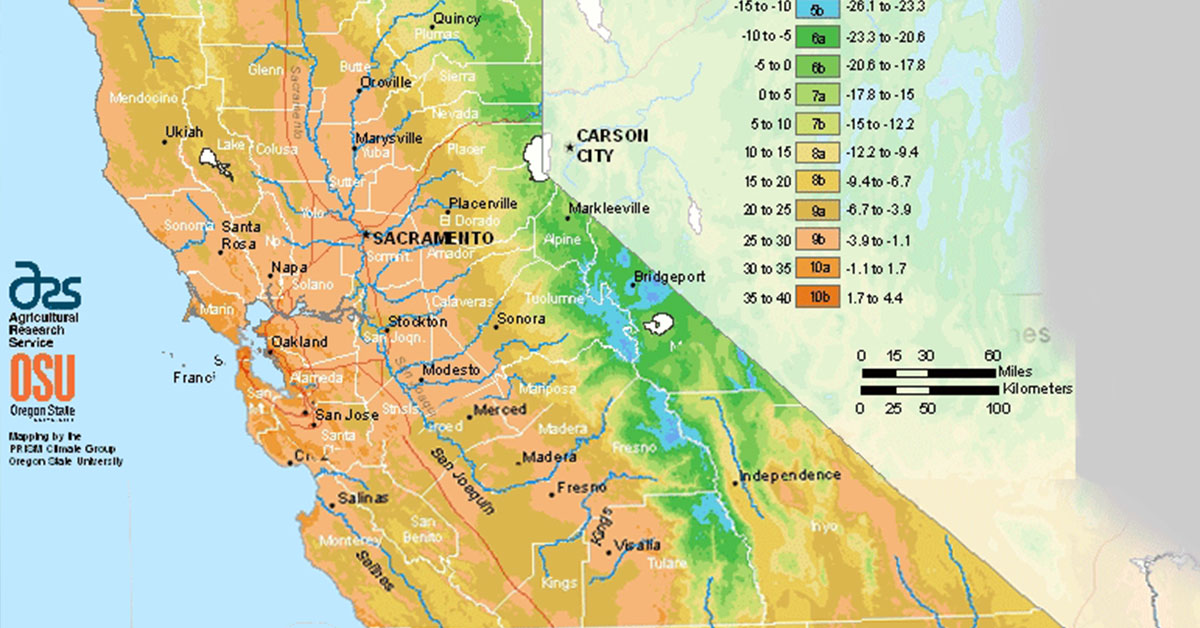

Welcome to the vibrant world of gardening in Oakland, California! Nestled in the heart of the San Francisco Bay Area, Oakland boasts a unique microclimate that offers a wealth of opportunities for plant enthusiasts.
The key to successful gardening lies in understanding the USDA hardiness zone, which plays a crucial role in determining which plants thrive in our region. Oakland falls within USDA hardiness zone 10a, characterized by mild winters, warm summers, and an average minimum temperature range of 30 to 35 degrees Fahrenheit (-1.1 to 1.7 degrees Celsius).
This favorable climate allows for a diverse range of plant species to flourish, making Oakland a paradise for gardeners of all levels. Whether you have a sprawling backyard or a cozy balcony, join us as we explore the wonders of gardening in Oakland and discover the endless possibilities that our unique hardiness zone has to offer.
What is Oakland’s USDA hardiness zone?
The USDA hardiness zone is a system used to determine the suitability of plants for specific geographic regions based on their ability to withstand the average minimum winter temperatures. In the case of Oakland, California, the city falls within USDA hardiness zone 10a.
Zone 10a is characterized by mild winters with average minimum temperatures ranging between 30 to 35 degrees Fahrenheit (-1 to 2 degrees Celsius). This means that Oakland experiences relatively warm winters compared to many other regions in the United States. The zone is further divided into subzones, with Oakland falling specifically into the 10a category.
The mild winter temperatures in Oakland’s hardiness zone allow for a wide range of plants to thrive. Many tropical and subtropical plants that cannot tolerate freezing temperatures can be grown successfully in this zone. Some examples include palm trees, citrus trees, bougainvillea, hibiscus, and various succulents. Furthermore, the long growing season in Oakland’s zone 10a allows for extended periods of plant growth and flowering.
Gardeners in this zone can enjoy a diverse selection of annuals, perennials, and vegetables that can be grown throughout the year. However, it is important to note that while Oakland’s hardiness zone primarily reflects winter temperatures, other factors such as summer heat, humidity, rainfall, and soil conditions also play a significant role in determining plant suitability.
Therefore, it is essential to consider these factors in addition to the hardiness zone when selecting plants for your garden. Overall, Oakland’s USDA hardiness zone 10a provides gardeners with a favorable climate for a wide variety of plants, allowing for a diverse and vibrant garden throughout the year.
When can you plant your garden in Oakland?
In Oakland, the ideal planting times for various plants can be determined by considering its USDA hardiness zone. Oakland falls under USDA hardiness zone 10a, which means it experiences mild winters and warm summers. Here are the ideal planting times for different types of plants in Oakland:
Cool-season vegetables: Cool-season vegetables like lettuce, spinach, kale, and broccoli can be planted in Oakland from late summer to early fall (August to September) for a fall harvest. They can also be planted in late winter to early spring (February to March) for a spring harvest.
Warm-season vegetables: Warm-season vegetables such as tomatoes, peppers, cucumbers, and beans should be planted after the last frost date, which typically occurs in mid-March in Oakland. Planting them in late spring (April to May) ensures they have enough warm weather to thrive.
Perennials: Perennials like roses, lavender, and daylilies can be planted in Oakland during the fall (September to November) or early spring (March to April). This allows them to establish their root systems before the heat of summer or the cold of winter.
Annual flowers: Annual flowers like marigolds, petunias, and zinnias can be planted in Oakland after the last frost date, usually in mid-March. They will bloom throughout the warm season and can be replanted in late summer for a second round of blooms.
Bulbs: Spring-flowering bulbs such as tulips, daffodils, and hyacinths should be planted in Oakland in the fall (October to November) before the first frost. This allows them to undergo a period of dormancy and bloom beautifully in the spring.
Trees and shrubs: Trees and shrubs can be planted in Oakland during the fall (September to November) or early spring (March to April) when the weather is mild. This gives them time to establish their root systems before facing extreme temperatures.
Remember, these planting times are general guidelines, and it’s important to consider specific plant requirements and local weather conditions when planning your garden in Oakland.
What grows well in Oakland?
In Oakland, California, the USDA hardiness zone is typically Zone 10a, which means the average minimum winter temperature ranges from 30 to 35 degrees Fahrenheit (-1.1 to 1.7 degrees Celsius). This mild climate allows for a wide variety of plants to thrive. Here is a comprehensive list of plants that grow well in Oakland:
- Agapanthus (Lily of the Nile)
- Astilbe
- Bergenia
- Black-eyed Susan (Rudbeckia)
- Blanket Flower (Gaillardia)
- California Poppy (Eschscholzia californica)
- Canna Lily
- Coreopsis
- Daylilies (Hemerocallis)
- Echinacea (Coneflower)
- Geraniums
- Lavender
- Penstemon
- Salvia
- Shasta Daisy (Leucanthemum)
- Yarrow (Achillea)
- Alyssum
- Begonia
- Calendula
- Cosmos
- Marigold
- Nasturtium
- Petunia
- Portulaca (Moss Rose)
- Snapdragons
- Sunflowers
- Zinnias
- California Buckeye (Aesculus californica)
- California Sycamore (Platanus racemosa)
- Chinese Pistache (Pistacia chinensis)
- Coast Live Oak (Quercus agrifolia)
- Flowering Dogwood (Cornus florida)
- Japanese Maple (Acer palmatum)
- Magnolia
- Redbud (Cercis)
- Strawberry Tree (Arbutus unedo)
- Western Redbud (Cercis occidentalis)
- Azalea
- Camellia
- Ceanothus (California Lilac)
- Escallonia
- Fuchsia
- Hydrangea
- Indian Hawthorn (Rhaphiolepis indica)
- Rosemary
- Spirea
- Viburnum
- Bougainvillea
- Clematis
- Honeysuckle
- Jasmine
- Passionflower (Passiflora)
- Trumpet Vine (Campsis radicans)
- Wisteria
- Basil
- Chives
- Cilantro
- Kale
- Lettuce
- Mint
- Rosemary
- Sage
- Tomatoes
- Zucchini
Remember to consider factors such as sunlight exposure, soil conditions, and water requirements when selecting plants for your specific garden. It’s also a good idea to consult with local nurseries or gardening experts for more specific recommendations based on your location in Oakland.
What won’t grow in Oakland?
In Oakland, which is located in USDA hardiness zone 10a, there are certain plants that may struggle to thrive due to the specific climate conditions. Here are some plants that may not do well in Oakland:
- Plants that require a cold winter dormancy period: Many plants, such as tulips, daffodils, and lilacs, require a period of cold temperatures to go dormant and then bloom. Since Oakland has mild winters, these plants may not receive the necessary chilling hours to thrive.
- Cool-season vegetables: Vegetables like cabbage, Brussels sprouts, and broccoli prefer cooler temperatures and may struggle in Oakland’s mild climate. However, you can still grow these as cool-season crops during the cooler months.
- Plants that require a long period of vernalization: Some plants, like certain varieties of strawberries or certain types of fruit trees, require a prolonged period of cold temperatures to initiate flowering and fruiting. These plants may not perform as well in Oakland due to the lack of extended cold periods.
- Alpine plants: Alpine plants, which typically grow in high-altitude regions with cooler temperatures, may struggle in Oakland’s relatively warm climate. These plants are adapted to colder conditions and may not thrive without the necessary cool temperatures.
- Plants sensitive to heat and drought: Oakland can experience hot and dry summers, so plants that are sensitive to heat and drought may struggle. Examples include certain types of hydrangeas, fuchsias, and ferns that prefer more moisture and cooler temperatures.
While these plants may not thrive in Oakland’s specific climate, it’s important to note that there are still plenty of plants that will do well in this region. It’s always best to choose plants that are well-suited to your local climate and growing conditions for optimal success.