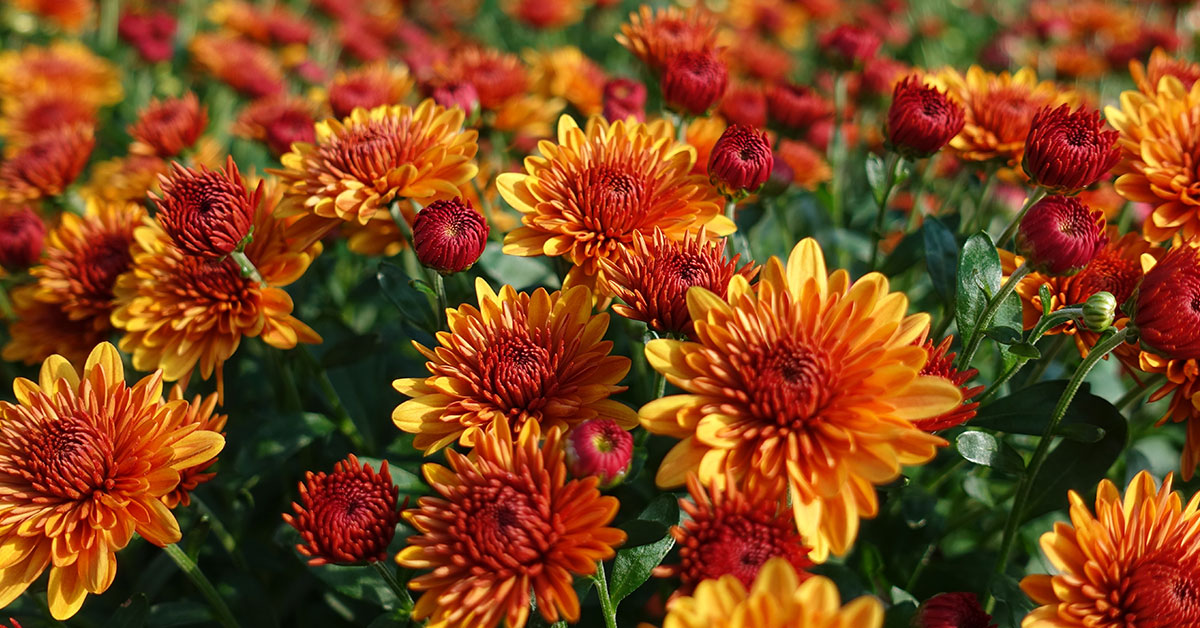

As autumn’s embrace deepens and nature prepares for its slumber, November graces us with two splendid floral treasures – the Chrysanthemum and the Peony. These captivating blooms, each with its unique allure, emerge to celebrate the hearts of those born in this enchanting month. In this article, we embark on a journey to explore the mesmerizing world of the November birth flowers, delving into their symbolic meanings, cultural significance, and the emotions they evoke.
Join us as we embrace the magnificence of Chrysanthemums and the opulence of Peonies, celebrating the essence of November in their enchanting and elegant presence.
What are the November birth flowers?

The November birth flowers are the Chrysanthemum (Chrysanthemum spp.) and the Peony (Paeonia spp.).
- Chrysanthemum: Chrysanthemums are beautiful and versatile flowers available in various colors, including white, yellow, pink, and purple. They are symbols of joy, love, longevity, and happiness. In many cultures, chrysanthemums are associated with positive emotions and are often given as gifts to express good wishes and gratitude.
- Peony: Peonies are large, lush flowers known for their stunning blooms and pleasant fragrance. They come in various colors, such as white, pink, red, and coral. Peonies represent prosperity, honor, and romance. They are often seen as a symbol of beauty, elegance, and deep affection.
Both the Chrysanthemum and the Peony bring a touch of beauty and meaning to November-born individuals, making them cherished birth flowers for this autumnal month.
How to grow your November birth flowers in your garden
Growing the November birth flowers, Chrysanthemums and Peonies in your garden can bring a burst of color and beauty to your outdoor space. Unfortunately, Peonies will be long-finished blooming by the time your birthday arrives, but your mums may still be on their last blooming leg. Here are some tips on how to grow each of them:
Chrysanthemum (Chrysanthemum spp.):
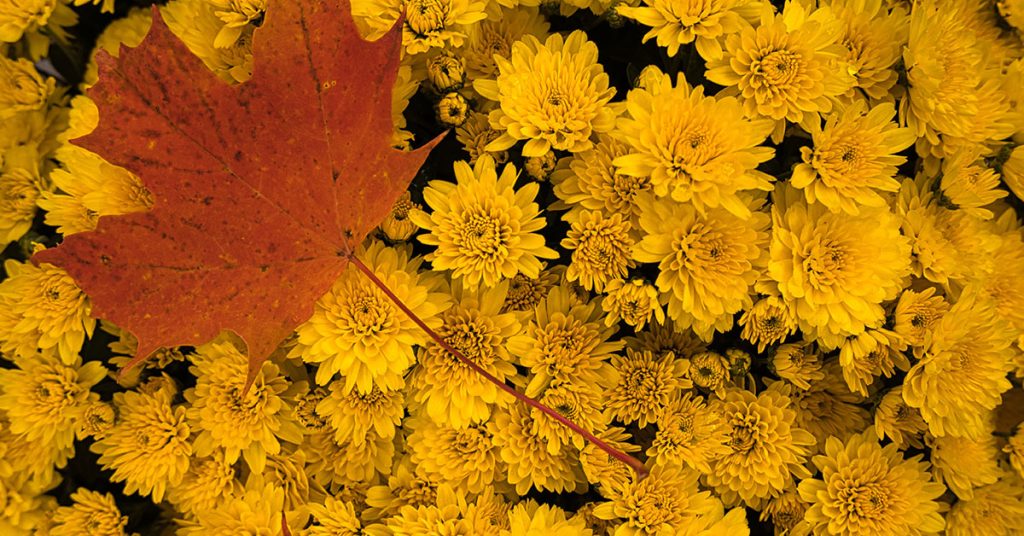
- Planting Time: Chrysanthemums can be planted in the spring or early summer, allowing them enough time to establish before they bloom in the fall.
- Soil: Chrysanthemums prefer well-draining soil with good fertility. They can tolerate a range of soil types but thrive in soil with a slightly acidic to neutral pH.
- Location: Plant Chrysanthemums in a location that receives full sun for most of the day. They require at least 6 hours of direct sunlight daily for best blooming.
- Spacing: Space Chrysanthemum plants according to their mature size. Some varieties can grow quite large, so provide enough space for them to grow without crowding.
- Watering: Keep the soil evenly moist during the growing season, especially during dry periods. Chrysanthemums prefer consistent moisture but avoid overwatering, as this can lead to root rot.
- Pinching and Pruning: Pinch back the tips of young Chrysanthemum plants to encourage bushier growth and more blooms. Deadhead spent flowers regularly to promote continuous blooming.
- Fertilizing: Fertilize Chrysanthemums once a month during the growing season with a balanced fertilizer. Avoid fertilizing too late in the season, as it may encourage new growth that is susceptible to frost damage.
Peony (Paeonia spp.):
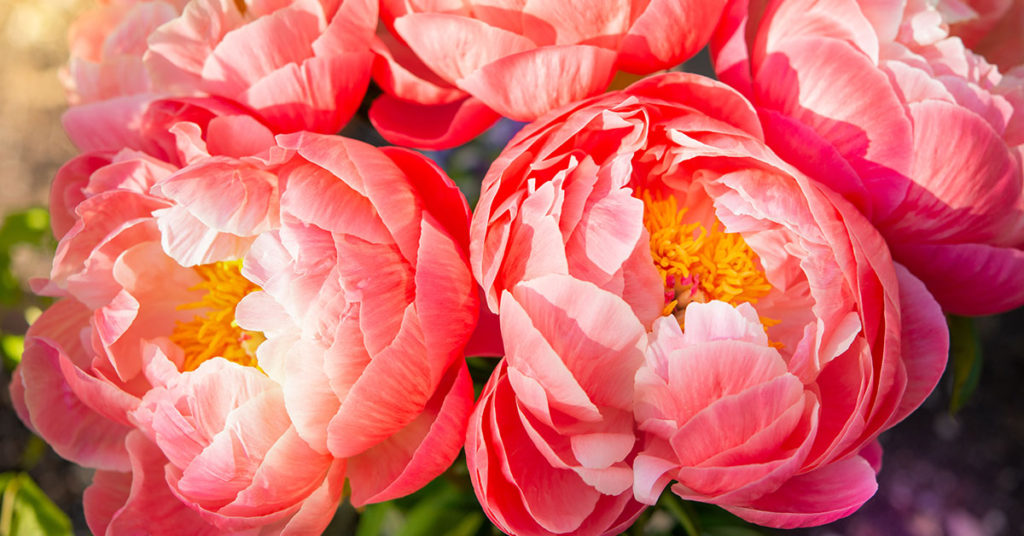
- Planting Time: Peonies are typically planted in the fall. Planting them in the early fall allows them to establish their root system before winter, resulting in better blooming the following spring.
- Soil: Peonies prefer well-draining soil with good fertility. They thrive in soil with a neutral to slightly alkaline pH.
- Location: Plant Peonies in a location that receives full sun to light shade. They require at least 6 hours of direct sunlight daily for optimal blooming.
- Spacing: Plant Peony roots or divisions at the appropriate depth and spacing according to the variety’s recommendations.
- Watering: Peonies are relatively drought-tolerant once established. Water newly planted Peonies regularly to help them establish their root system.
- Support: Peony blooms can become heavy, so provide support with stakes or a peony ring to prevent them from bending or breaking.
- Mulching: Apply a layer of organic mulch around Peony plants to help retain moisture, suppress weeds, and keep the soil cool.
With proper care and attention, Chrysanthemums and Peonies will thrive in your garden, bringing joy and beauty to the fall and early summer landscape, respectively. As you nurture these November birth flowers, you’ll witness their magnificent blooms, celebrating the essence of autumn and the richness of life.
Other symbolism around your November birth flowers

Both the Chrysanthemum and the Peony hold additional symbolism and cultural significance beyond their association with November birthdays:
Chrysanthemum:
- Rejuvenation and Longevity: In many Asian cultures, Chrysanthemums are highly regarded symbols of rejuvenation and longevity. They are often associated with the concept of immortality and are used in celebrations and rituals to wish for a long and healthy life.
- Joy and Happiness: Chrysanthemums’ bright and vibrant colors are seen as symbols of joy, happiness, and positive energy. They are often given as gifts to convey feelings of delight and good wishes.
- Resilience and Courage: Chrysanthemums’ ability to bloom late into the year, even as temperatures drop, is seen as a symbol of resilience and courage in the face of adversity.
- Friendship: In some cultures, Chrysanthemums are considered symbols of friendship and are exchanged as tokens of appreciation and loyalty between friends.
Peony:
- Prosperity and Abundance: Peonies are often associated with prosperity, wealth, and abundance. Their lush and opulent blooms are seen as symbols of prosperity and good fortune.
- Romance and Love: Peonies have long been associated with romance and love. They are often used in weddings and romantic occasions to symbolize deep affection, devotion, and a happy marriage.
- Femininity and Beauty: Peonies’ graceful and elegant appearance has led to their association with femininity and beauty. They are often seen as symbols of grace and charm.
- Healing and Compassion: In traditional herbal medicine, peony roots were believed to have medicinal properties for various ailments. Peonies are also associated with compassion and empathy.
- Honoring the Deceased: In some cultures, peonies are used as symbols of remembrance and are offered at gravesites or used in funeral ceremonies to honor the deceased.
The cultural meanings of flowers can vary across different societies and regions, adding depth and layers of symbolism to these cherished birth flowers. Beyond their stunning beauty, Chrysanthemums and Peonies continue to captivate hearts with their rich history and diverse meanings, making them beloved flowers in gardens and floral arrangements around the world.