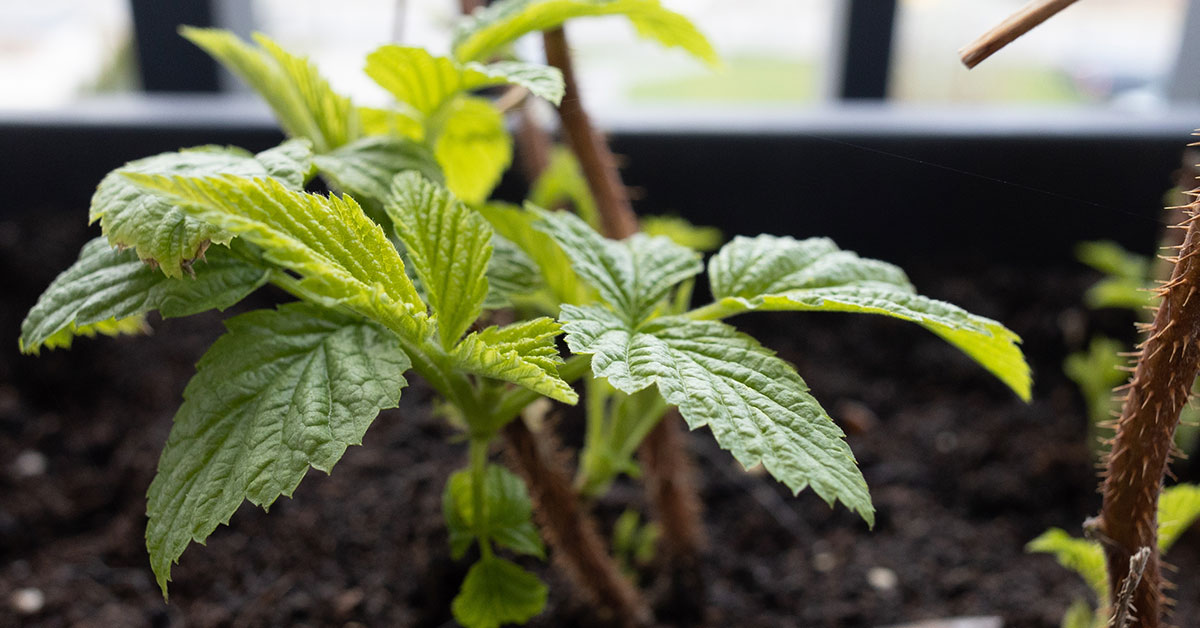

If you’re an avid gardener or simply enjoy the taste of fresh berries, then the Nova Raspberry is a must-have plant for your garden.
This delicious and versatile fruit offers a unique flavor profile and is a joy to grow. In this article, we will explore the various aspects of growing Nova Raspberries. From selecting the right location to caring for the plant throughout its life cycle.
What is a Nova Raspberry?
Nova Raspberry is a versatile and popular fruit that is known for its vibrant color, sweet taste, and numerous health benefits. It is a hybrid berry developed by the Nova Scotia Department of Agriculture in the early 1980s. This delicious fruit is an excellent addition to any diet and can be enjoyed in various ways.
Appearance-wise, the Nova Raspberry resembles other common berries, such as red raspberry or blackberry. The fruit is usually small in size, approximately the size of a thumb, with a rounded shape. However, what sets it apart is its distinctive bright red color and glossy appearance, making it visually appealing and appetizing.
In terms of taste, Nova Raspberries are known for their delicate sweet flavor, with a slight tanginess that adds depth to the overall profile. Eating a ripe Nova Raspberry can be a delightful experience as it bursts with juiciness and flavors that range from mildly tart to pleasantly sweet. This unique taste combination is one of the reasons why it is adored by berry enthusiasts around the world.
Despite its relatively small size, Nova Raspberries offer an array of health benefits that make them a nutrient-dense fruit. They are an excellent source of dietary fiber, which aids digestion and supports overall gut health. Moreover, they are rich in antioxidants, including vitamin C and various phytochemicals, that help fight oxidative stress and boost the immune system.
These berries are also packed with essential vitamins and minerals, such as potassium and manganese. These nutrients contribute to maintaining healthy blood pressure, promoting bone health, and supporting proper nerve function. Furthermore, Nova Raspberries contain beneficial plant compounds like ellagitannins, which have been associated with potential anti-inflammatory and anticancer properties.
In terms of culinary applications, Nova Raspberries can be used in a variety of ways. They are often enjoyed fresh as a standalone berry, added to fruit salads, mixed into yogurts, or used as a topping for ice cream and desserts. Their vibrant color and sweet taste can also enhance the visual appeal and flavors of jams, jellies, pies, sauces, and other baked goods.
Nova Raspberries are typically harvested during the summer months, making them a seasonal delight for many enthusiasts and a refreshing addition to farmers’ markets. They can also be grown in home gardens, allowing individuals to enjoy these succulent berries at their peak ripeness.
What does a Nova Raspberry taste like?
Nova Raspberry, a variety of raspberry known for its vibrant color and sweet-sour flavor, is a true delight for the taste buds. With its unique combination of sweetness and tartness, this raspberry offers a refreshing and satisfying experience that is hard to resist.
When you take your first bite into a Nova Raspberry, you’ll be greeted by a burst of juiciness that is both sweet and tangy. The natural sugars in the fruit give it a pleasant sweetness that is not overpowering, making it enjoyable even for those who prefer less sugary treats.
The tartness of the Nova Raspberry is what sets it apart from other varieties. It adds a zing to the overall flavor profile, making each bite an exciting and invigorating experience. This subtle tartness adds a refreshing note that balances out the sweetness, creating a harmonious flavor combination that is simply irresistible.
The texture of the Nova Raspberry is another aspect that enhances its overall taste. It is juicy and tender, with just the right amount of firmness that gives it a satisfying bite. The seeds inside the raspberry add a slight crunch, further enhancing the texture and adding to the overall sensory experience.
Nova Raspberries are not only delicious on their own, but they also pair well with a variety of other flavors. They can be used in desserts like pies, tarts, and cakes, where their sweet-tart flavor adds depth and complexity. They can also be added to salads, smoothies, or yogurt bowls, providing a burst of freshness and a pop of color.
How to start from seed
When starting Nova Raspberry from seed, it is crucial to choose high-quality seeds to ensure healthy and vigorous plants. Look for reputable seed suppliers or garden centers that specialize in raspberry seeds. Ensure that the seeds are fresh and have not expired. It is also recommended to select seeds from disease-resistant varieties to minimize the risk of plant infections. Nova Raspberry seeds are often available online or in specialized seed catalogs, making them easily accessible for home gardeners.
Preparing the Seedbed: To give your Nova Raspberry seeds the best chance of germinating and growing successfully, it is essential to prepare a suitable seedbed. Choose a location with full sun exposure and well-drained soil. Raspberries prefer slightly acidic soil with a pH level between 5.5 and 6.5. If your soil is alkaline, you can amend it with organic matter, such as compost or peat moss, to adjust the pH.
Sowing the Seeds: Once you have prepared the seedbed, it’s time to sow the Nova Raspberry seeds. Follow these steps to ensure proper germination. Moisten the soil lightly before sowing the seeds to create a favorable environment for germination. Sow the seeds at a depth of approximately ¼ inch (0.6 cm), spacing them about 2 inches (5 cm) apart. Cover the seeds with a thin layer of soil, ensuring they are adequately embedded. Water the seedbed gently to keep the soil moist but not waterlogged.
Germination and Seedling Care: After sowing the seeds, it usually takes around 2-3 weeks for the Nova Raspberry seeds to germinate. During this period, it is crucial to provide optimal conditions for the seedlings’ growth. Maintain a consistent temperature between 65-75°F (18-24°C) to promote germination.
Keep the soil consistently moist, but avoid overwatering, as excessive moisture can lead to rotting. Once the seedlings have emerged, thin them out by removing weaker individuals, leaving the healthiest and strongest plants.
Transplanting the Seedlings: When the Nova Raspberry seedlings have developed enough growth and are around 4-6 inches (10-15 cm) tall, they are ready to be transplanted into their permanent location. Choose a site with well-drained soil and ample sunlight. Dig holes large enough to accommodate the root system of each seedling, spacing them approximately 2-3 feet (60-90 cm) apart. Gently remove the seedlings from the seedbed, taking care not to damage the roots, and transplant them into the prepared holes. Water the newly transplanted seedlings thoroughly to help them establish themselves in their new environment.
How to grow this fruit in your garden
Before you start growing Nova Raspberries, it’s important to select the right location for your plants. These berries thrive in full sun, requiring at least six hours of direct sunlight each day. Additionally, they prefer well-drained soil that is rich in organic matter. Make sure to choose a spot in your garden or yard that meets these requirements for the best results.
Preparing the Soil: Preparing the soil is a crucial step in growing Nova Raspberries. Start by removing any weeds or grass from the area where you plan to plant your raspberry bushes. Next, loosen the soil with a garden fork or tiller, ensuring that it is well-drained. Adding compost or well-rotted manure to the soil will improve its fertility and provide essential nutrients for your plants. Mix the compost or manure into the soil thoroughly before planting.
Planting Nova Raspberry: To plant Nova Raspberries, dig a hole that is wide and deep enough to accommodate the root system of the plant. Place the raspberry bush in the hole, making sure the crown is level with or slightly above the soil surface. Backfill the hole with soil, gently firming it around the roots. Water the newly planted raspberry bush thoroughly to help settle the soil and eliminate any air pockets.
Watering and Fertilizing: Proper watering is essential for the healthy growth of Nova Raspberry plants. During the growing season, provide a consistent supply of water, ensuring that the soil remains evenly moist but not waterlogged. Mulching around the plants can help retain moisture and prevent weed growth. Additionally, fertilize your raspberry bushes annually in early spring with a balanced fertilizer to promote healthy growth and fruit production.
Pruning and Maintenance: Regular pruning is necessary to keep your Nova Raspberry plants productive and well-structured. Prune out any dead or damaged canes during the dormant season to maintain plant health. Additionally, thin out crowded canes to improve air circulation and reduce the risk of disease. After harvesting, remove the old fruiting canes to make room for new canes to grow. This will ensure a bountiful harvest in the following year.
Pests and Diseases: While Nova Raspberries are relatively resistant to pests and diseases, it’s still important to monitor your plants for any signs of trouble. Common pests that can affect raspberry plants include aphids, spider mites, and raspberry fruit worms. Regular inspection and appropriate pest control measures can help prevent infestations. Additionally, diseases such as gray mold and raspberry leaf spot can affect raspberry plants. Proper sanitation, including removing and disposing of infected plant parts, can help manage these diseases.
Harvesting and Enjoying Nova Raspberries: Once your Nova Raspberry plants are well-established, you can look forward to a bountiful harvest. Ripe raspberries will be deep red in color and easily detach from the plant when gently pulled. Harvest the berries when they are fully ripe for the best flavor and sweetness. Enjoy your freshly picked Nova Raspberries as a healthy snack, incorporate them into desserts, or use them to make delicious homemade jams and jellies.