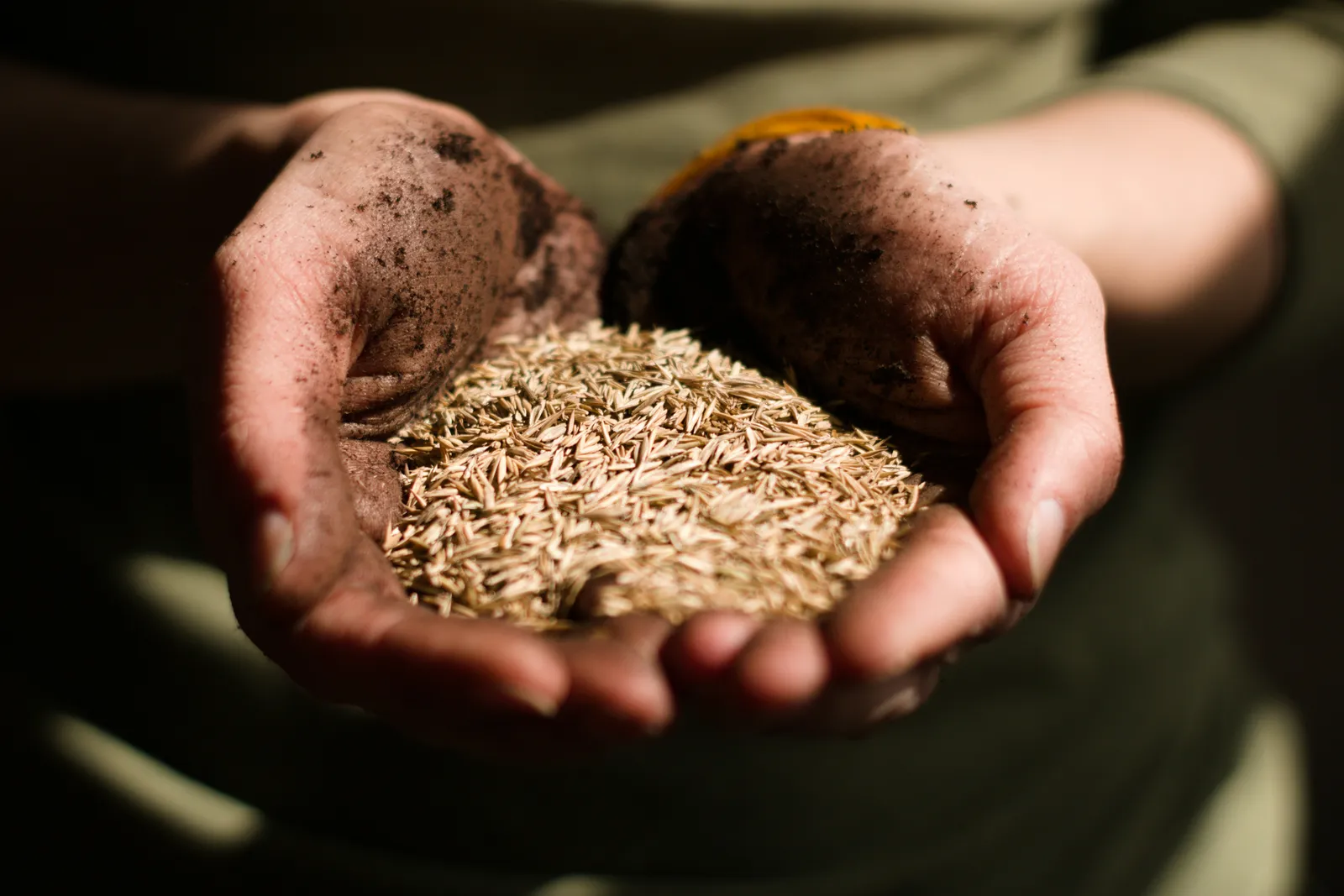

Many people assume the grass growing in yards and fields offers a straightforward wild food source. In reality, the grass family includes more than 11,000 species, and edibility varies widely. Toxicity, seed size, hull toughness, and required processing all influence whether a particular grass seed can be collected and eaten safely.
The Toxicity Question
Some grass seeds do carry genuine risks. Darnel, also called poison ryegrass, produces seeds containing temuline, a narcotic alkaloid that can cause dizziness and more serious effects in larger amounts. Historical accounts describe it contaminating wheat crops and leading to accidental ingestion in bread. Other grasses, such as certain sorghum varieties, contain cyanogenic compounds mainly in leaves and stems rather than seeds. Cooking the seeds reduces any remaining concern. Reports of severe illness or death from wild grass seeds remain extremely rare, yet the possibility requires identification before harvest.
Practical Challenges Beyond Safety
Even nontoxic seeds often prove difficult to use. Many species produce seeds too small for efficient collection, while others feature hard hulls that resist removal and pass through the digestive system intact. Palatability also varies, with some seeds offering little flavor or nutritional return for the effort involved. Extensive processing frequently becomes necessary. Steps can include soaking, fermenting, sprouting, or cooking to improve digestibility and remove potential irritants. Without these measures, the harvest may deliver more frustration than food.
Edible Varieties Found Across Regions
Several grasses have served as food sources in different cultures when properly prepared. The following stand out for wider availability and documented use:
- Barnyard grass seeds have been eaten in Asia, North America, and Europe.
- Crabgrass seeds appear in traditional diets across temperate zones worldwide.
- Wild oats and quackgrass have supplied grain during times of scarcity in North America and Eurasia.
- Wild rye species provided food for Indigenous communities in multiple continents.
- Canary grass and foxtail millet seeds remain staples or bird-feed alternatives that humans can also consume.
Less common but still noted options include little barley, manna grass, and buffalo grass in their native ranges.
Key safety reminders: Always confirm species identity. Inspect seeds for mold or fungal growth such as ergot. Store any harvest dry and ventilated. When in doubt, skip the plant.
Putting Knowledge Into Practice
Foragers benefit from starting with abundant, well-documented species and learning basic preparation techniques. Cross-checking multiple reliable sources before tasting any new seed reduces risk. Proper identification and cautious testing remain the most reliable safeguards when exploring garden or wild grasses.
AI Disclaimer: This article was created with the assistance of AI tools and reviewed by a human editor.