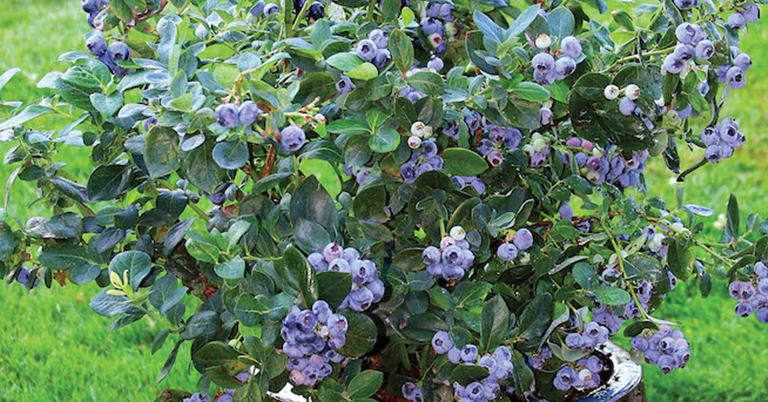

The Northland Blueberry is known for its exceptional flavor and cold hardiness, these berries are perfect for gardeners in colder regions. From selecting the right location to caring for your plants, we will cover everything you need to know to grow your own bountiful harvest of Northland Blueberries.
What is a Northland Blueberry?
Northland Blueberry, scientifically known as Vaccinium corymbosum, is a cold-hardy blueberry variety that is native to North America. It is specifically bred to thrive in cooler climates, making it an excellent choice for regions with harsh winters.
This blueberry variety typically grows to be around 3-4 feet tall and wide, making it a compact bush that is easy to manage in small gardens or containers. The plant’s foliage is an attractive dark green color, which turns vibrant shades of red during the fall season, adding beauty to your landscape.
The berries themselves are medium-sized and boast a deep blue color when they are ripe. Northland Blueberries have a slightly tart taste, which is balanced by their natural sweetness. They are perfect for eating fresh or using in various culinary creations such as pies, jams, and smoothies.
Northland Blueberries are well-known for their ability to withstand cold temperatures, making them suitable for regions with short growing seasons or frosty climates. They are particularly popular in the northern United States and Canada. However, they can also be grown in other regions as long as the proper care and growing conditions are provided.
These blueberries prefer full sun exposure, requiring at least 6-8 hours of direct sunlight each day. They thrive in well-draining acidic soil with a pH level between 4.0 and 5.5. It’s important to note that Northland Blueberries need consistent moisture to flourish, so regular watering is essential, especially during dry spells.
Aside from their delicious taste, Northland Blueberries offer several health benefits. They are packed with antioxidants, vitamins, and minerals, making them an excellent addition to a balanced diet. Some studies even suggest that regular consumption of blueberries may help improve brain function, reduce the risk of heart disease, and aid in managing blood sugar levels.
In addition to being enjoyed fresh, Northland Blueberries can be used in a variety of dishes. They are versatile ingredient that adds a burst of flavor to breakfast cereals, salads, desserts, and even savory dishes like glazes for grilled meats. They can also be frozen for later use, allowing you to enjoy their goodness throughout the year.
What does a Northland Blueberry taste like?
Northland Blueberries are known for their sweetness. They have a rich, natural sweetness that is balanced with a slight tanginess. This combination of flavors creates a delightful and refreshing taste that is often described as “bursting with flavor.”
The sweetness of Northland Blueberries is complemented by their subtle tartness, making them a versatile ingredient that can be used in both sweet and savory recipes. Whether you’re making a blueberry pie, adding them to a salad, or enjoying them on their own, the flavor profile of these blueberries is sure to please your taste buds.
In terms of texture, Northland Blueberries are plump and juicy. Their skin is thin, allowing you to easily bite into them and experience their juiciness with each bite. Their flesh is tender and succulent, making them an excellent choice for baking or incorporating into smoothies.
Another noteworthy aspect of Northland Blueberries is their captivating aroma. As you approach a bowl of these blueberries, you’ll be greeted by a sweet and enticing scent that is truly irresistible. This aroma adds another layer of enjoyment to the overall blueberry experience.
One of the reasons why Northland Blueberries have such a remarkable flavor is their growing conditions. These blueberries thrive in colder climates, such as the northern regions of North America, where they are exposed to chilly temperatures. This unique environment contributes to the development of their exceptional taste.
Northland Blueberries offer a flavor experience that is both sweet and tangy, with a perfect balance of flavors. Their plumpness, tenderness, and captivating aroma further enhance this delightful taste. Whether you enjoy them on their own, in recipes, or as a topping, Northland Blueberries are sure to satisfy your cravings for a burst of deliciousness.
How to start from seed
The first step in starting Northland Blueberry from seed is to gather the seeds. You can either purchase Northland Blueberry seeds from a reputable seed supplier or obtain them from ripe berries. If you choose to use seeds from berries, make sure to select fully ripened berries that are free from disease or mold. Gently mash the berries and separate the seeds from the pulp.
Preparing the Soil: Once you have gathered the Northland Blueberry seeds, it’s time to prepare the soil. Blueberries thrive in acidic soil with a pH level between 4.5 and 5.5. Test the soil pH using a soil testing kit and make adjustments if needed. If the soil pH is too high, you can lower it by adding elemental sulfur or acidic organic matter such as pine needles or peat moss. Mix the amendments into the soil thoroughly to ensure an even distribution.
Planting the Seeds: Now that the soil is ready, it’s time to plant the Northland Blueberry seeds. Fill a seed tray or small pots with a well-draining potting mix. Moisten the soil before planting the seeds to ensure proper germination. Place the seeds on the soil surface, spacing them evenly apart. Gently press the seeds into the soil, but avoid burying them too deep. Cover the seeds with a thin layer of soil or vermiculite.
Providing the Ideal Conditions: To ensure successful germination, Northland Blueberry seeds require specific conditions. They need a consistent temperature between 70-75°F (21-24°C) for germination. Place the seed tray or pots in a warm location, such as a greenhouse or a sunny windowsill. Keep the soil consistently moist but not waterlogged. Using a spray bottle to water the seeds will help prevent overwatering. Germination can take anywhere from 2-4 weeks, so be patient and regularly check for signs of sprouting.
Transplanting and Care: Once the seedlings have grown to a height of around 4 inches and have developed several sets of true leaves, they are ready for transplanting. Choose a location in your garden that receives full sun and has well-drained, acidic soil. Dig a hole slightly larger than the root ball of the seedling and gently place it in the hole. Backfill the hole with soil, firming it gently around the base of the plant. Water the newly transplanted seedlings thoroughly.
After transplanting, it’s important to provide ongoing care and maintenance for your Northland Blueberry plants. Keep the soil consistently moist but avoid overwatering, as blueberries are susceptible to root rot. Mulch around the plants to help retain moisture and suppress weed growth. Prune the plants in late winter or early spring to remove dead or diseased branches and promote healthy growth. Fertilize the plants with a balanced, acid-loving fertilizer according to package instructions.
Growing Northland Blueberry from seed requires patience, as it may take a few years for the plants to reach maturity and produce a bountiful harvest. However, the reward of enjoying sweet, homegrown blueberries makes the wait worthwhile. With proper care and attention, your Northland Blueberry plants will thrive and provide you with a delicious harvest for years to come.
How to grow this fruit in your garden
One of the first considerations when growing Northland Blueberries is selecting the right location. These plants thrive in full sun but can tolerate some shade, so choose a spot in your garden that receives at least 6 to 8 hours of sunlight daily. Additionally, Northland Blueberries prefer well-drained soil with a pH level between 4.0 and 5.0. If your soil is too alkaline, it can be amended with sulfur to lower the pH level.
Preparing the Soil for Planting: Before planting your Northland Blueberry bush, it is essential to prepare the soil properly. Start by removing any weeds or grass from the planting area, as they can compete with the blueberry bush for nutrients and water. Add organic matter, such as compost or well-rotted manure, to improve the soil’s fertility and drainage. It is also recommended to perform a soil test to determine if any specific nutrients are lacking and make necessary amendments accordingly.
Planting Your Northland Blueberry Bush: Once the soil is adequately prepared, it’s time to plant your Northland Blueberry bush. Dig a hole that is twice the size of the root ball and slightly shallower than the depth of the container. Gently remove the plant from its container, being careful not to damage the roots. Place the bush in the center of the hole, ensuring that the top of the root ball is level with or slightly above the soil surface. Backfill the hole with soil, firming it gently around the roots.
Watering and Mulching: Proper watering is crucial for the establishment and growth of your Northland Blueberry bush. After planting, water the bush thoroughly and ensure that the soil remains consistently moist but not waterlogged. Mulching around the base of the plant with a layer of organic material, such as wood chips or straw, can help retain moisture, suppress weeds, and regulate soil temperature.
Pruning and Maintenance: Regular pruning is essential to maintain the health and productivity of your Northland Blueberry bush. Prune any dead or damaged branches, as well as any crossing or crowded stems. It is recommended to prune in late winter or early spring before new growth begins. Additionally, be sure to monitor for pests and diseases, such as aphids, mites, or fungal infections, and take appropriate measures if necessary.
Harvesting and Enjoying Your Northland Blueberries: After patiently caring for your Northland Blueberry bush, the exciting time for harvest will arrive. The berries are typically ready for picking in mid to late summer when they have a deep blue color and a sweet flavor. Gently pluck the ripe berries from the bush, being careful not to damage the delicate fruit. Enjoy your fresh Northland Blueberries right away, or store them in the refrigerator for later use in recipes or as a healthy snack.
By following the steps outlined in this blog section, you can successfully cultivate these delicious fruits in your own backyard. Remember to provide them with the right location, prepare the soil adequately, and provide proper care throughout the growing season. With a little patience and effort, you’ll soon be enjoying the bountiful harvest of your Northland Blueberry bush.