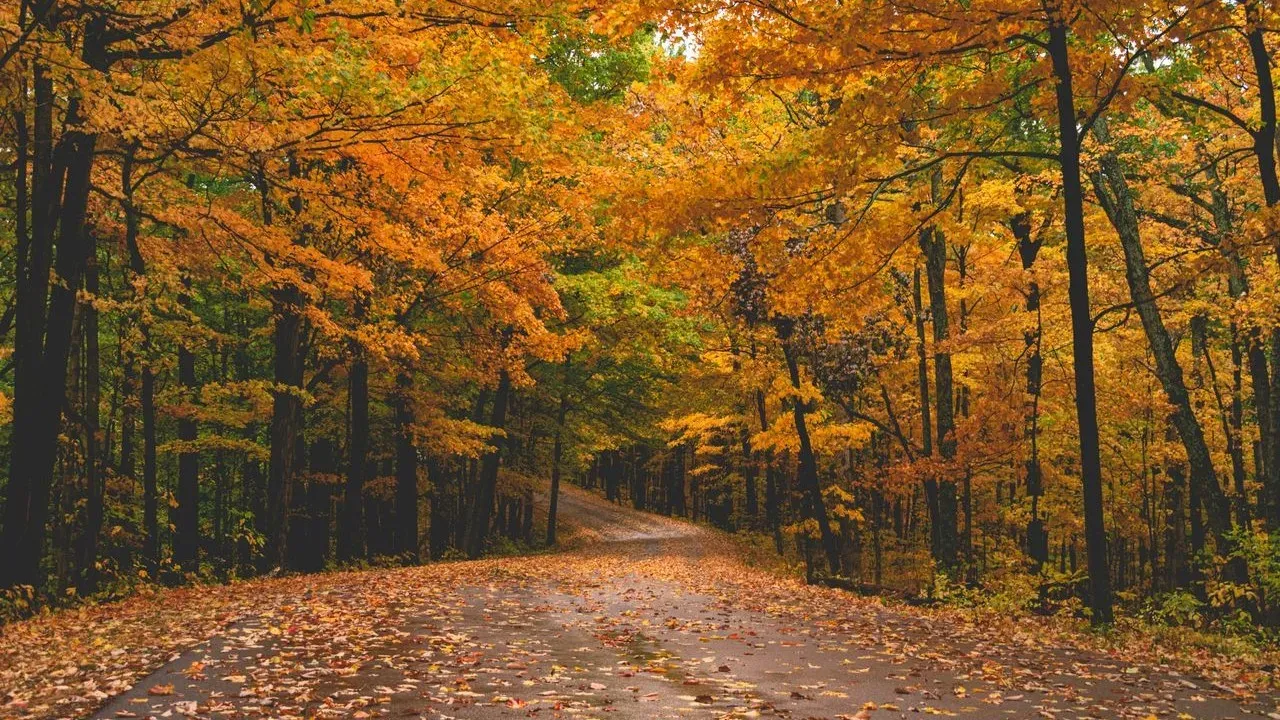

As summer fades, nature enthusiasts across the Northeast turn their attention to the annual spectacle of changing leaves. The timing of peak color shifts with elevation and latitude, creating a moving window that begins in northern New England and works its way south through October. Road trips along carefully chosen routes let travelers witness the progression up close while passing through forests, mountains, and quiet towns. Planning around reliable patterns helps maximize the experience before the season slips away.
Why Timing Matters for Foliage Chasers
Northern sections of Maine, Vermont, and New Hampshire usually turn first, often in late September. Color then moves south and to lower elevations through early and mid-October, with the lower Mid-Atlantic finishing the display in late October or early November. Weather can shift these windows by a week or more in either direction, so checking state foliage trackers remains essential before finalizing dates. This north-to-south progression turns a single season into an extended opportunity for repeated outings.
Garden and landscape lovers find particular value in watching the transition across different ecosystems. Higher peaks and northern forests deliver the earliest reds and oranges, while southern hills and coastal areas extend the palette into deeper golds and russets. The routes below highlight one standout drive per state, each chosen for its scenic integrity and minimal commercial interruption.
Compact Northern Routes With Dramatic Views
New Hampshire’s Kancamagus Highway covers 34.5 miles through the White Mountain National Forest with no gas stations or billboards along the way. Travelers start in Lincoln and head east, stopping at Rocky Gorge Scenic Area, Sabbaday Falls, and Hancock Overlook for short walks and photographs. The drive peaks early to mid-October and requires at least two hours without stops, or four to five with pauses.
Vermont Route 100 stretches roughly 111 miles from Manchester to Stowe, passing farmland, general stores, and roadside waterfalls. Moss Glen Falls offers an immediate pull-off view, while a detour in Warren leads to a covered bridge and local shops. Color builds northward, with northern sections peaking late September to early October. Maine’s Park Loop Road in Acadia National Park adds a rare ocean-and-mountain combination across 27 miles, circling past Sand Beach and up to Cadillac Mountain. A vehicle pass costs $35 for seven days, and a separate timed reservation is required for the summit road during peak weeks.
Mid-Season Drives Through Hills and Forests
Massachusetts’ Mohawk Trail follows Route 2 through the Berkshires for about 63 miles, ending at a classic hairpin turn with valley overlooks. Poet’s Seat Tower and the Bridge of Flowers provide additional stops, and the route peaks early to mid-October. New York’s High Peaks Scenic Byway runs 30 miles along Route 73 through the Adirondacks, passing Chapel Pond and trailheads for Cascade Mountain before reaching Lake Placid. Late September often brings the strongest color here.
Connecticut’s Litchfield Hills along Route 7 feature rolling terrain and stone walls, with Kent Falls State Park offering an easy waterfall hike. The area peaks mid-to-late October. Rhode Island’s Route 102, the state’s longest scenic drive at 44 miles, cuts through rural interior from Wickford to Slatersville, highlighting the Scituate Reservoir and woodland refuges. Early to mid-October remains typical for this stretch.
Southern Extensions and Planning Essentials
Pennsylvania Route 6 leads to Pine Creek Gorge, a 1,450-foot-deep canyon framed by Leonard Harrison and Colton Point state parks. The stretch through the Pennsylvania Wilds peaks early to mid-October and can serve as a day trip from Philadelphia. New Jersey’s Skylands Drive begins at High Point State Park, the state’s highest elevation at 1,803 feet, then follows the Kittatinny Ridge to the Delaware Water Gap. Mid-to-late October brings the strongest display, with most stops free of entry fees.
Most routes remain free public roads, though Acadia requires the vehicle pass and timed reservation. Weekday mornings consistently offer lighter traffic than October weekends. Combining northern and southern drives works well when following the seasonal progression, allowing multi-day loops through Vermont and New Hampshire or Connecticut and Massachusetts. Checking road conditions, especially for any seasonal closures, helps ensure smooth travel.
Peak timing varies by state and elevation. Northern routes often finish first, while southern hills extend the season into November.
The Northeast’s foliage season rewards those who watch the calendar and the weather with layered displays across forests and ridges. Each route preserves a distinct character, from mountain passes to reservoir reflections, inviting repeated visits as color moves through the region.
AI Disclaimer: This article was created with the assistance of AI tools and reviewed by a human editor.