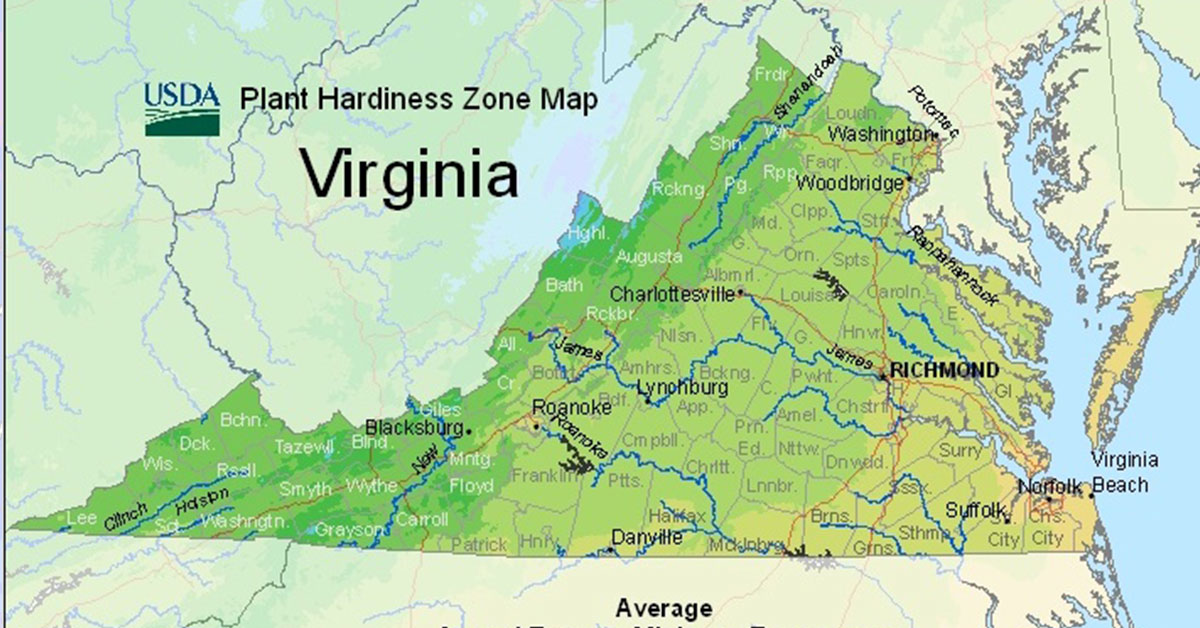

Welcome to the lush and vibrant world of gardening in Norfolk, a region known for its picturesque landscapes and diverse flora. Nestled in the southeastern part of Virginia, Norfolk offers a unique gardening experience thanks to its USDA hardiness zone. The USDA hardiness zone is a crucial factor to consider when planning and maintaining a garden, as it determines which plants are most likely to thrive in a specific area. Norfolk falls within the USDA hardiness zone 8a, which means gardeners have a wide range of plant options to choose from.
In this article, we will explore the various aspects of gardening in Norfolk, including the best plants to grow, essential gardening tips, and how to make the most of the region’s favorable climate. Whether you are a seasoned gardener or just starting out, Norfolk’s USDA hardiness zone provides an exciting opportunity to create a flourishing garden that will bring joy and beauty to your outdoor space.
What is Norfolk’s USDA hardiness zone?
The USDA hardiness zone is a classification system used to determine the suitability of plants for specific geographic regions based on their ability to withstand the average minimum winter temperatures. In the case of Norfolk, Virginia, the USDA hardiness zone is typically classified as Zone 8a.
Zone 8a is characterized by an average minimum winter temperature range of 10 to 15 degrees Fahrenheit (-12 to -9 degrees Celsius). This means that plants recommended for Zone 8a should be able to tolerate these low temperatures without significant damage or death. In Norfolk, being located in Zone 8a provides gardeners with a relatively mild winter climate compared to colder regions.
This means that a wide variety of plants can thrive in this area, including many popular flowers, vegetables, and shrubs. When selecting plants for Norfolk’s Zone 8a, it is important to consider factors beyond just the minimum winter temperatures. Other factors such as soil type, moisture levels, and sun exposure should also be taken into account to ensure optimal growth and health of the plants.
It is worth noting that while Zone 8a is generally considered mild, occasional extreme weather events such as unusually cold winters or late spring frosts can still occur. Therefore, it is always a good idea to choose plants that are slightly more cold-tolerant than the minimum zone requirement to account for these unpredictable weather patterns.
To determine the specific plant recommendations for Norfolk’s Zone 8a, it is advisable to consult local gardening resources, such as the Virginia Cooperative Extension or local nurseries. These sources can provide valuable information on the best plant varieties and gardening practices tailored to the specific climate and conditions of Norfolk.
When can you plant your garden in Norfolk?
In Norfolk, the ideal planting times for various plants can be determined by considering the USDA hardiness zone. Norfolk falls under USDA hardiness zone 8a, which means it experiences mild winters and hot summers. Here are some general guidelines for planting in Norfolk:
Spring Planting: Norfolk’s mild winters allow for early spring planting. As the last frost date typically occurs around mid-March, it is safe to start planting cool-season crops like lettuce, spinach, peas, and radishes in late February or early March. Warm-season crops such as tomatoes, peppers, and eggplants can be started indoors around mid-March and transplanted outdoors after the last frost.
Summer Planting: Norfolk’s hot summers are ideal for planting heat-loving crops. Planting warm-season vegetables like beans, corn, cucumbers, squash, and melons can begin in late April or early May, once the soil has warmed up. It is also a good time to plant annual flowers and herbs.
Fall Planting: Norfolk’s long growing season allows for a second planting season in the fall. Cool-season crops like broccoli, cabbage, carrots, beets, and lettuce can be planted in late August or early September. This allows them to mature before the first frost, which typically occurs in late November.
Winter Planting: Norfolk’s mild winters also offer the opportunity for winter gardening. Cold-hardy vegetables like kale, collards, Brussels sprouts, and winter lettuce can be planted in late September or early October. These crops can withstand light frosts and continue to grow throughout the winter months.
It is important to note that these are general guidelines, and specific planting times may vary depending on weather conditions and individual plant requirements. It is always recommended to consult local gardening resources, including the Norfolk Cooperative Extension or experienced gardeners in the area, for more precise planting recommendations.
What grows well in Norfolk?
Norfolk, Virginia falls under USDA hardiness zone 8a. This means that the average minimum winter temperature in this area ranges from 10 to 15 degrees Fahrenheit (-12 to -9 degrees Celsius). Here is a comprehensive list of plants that generally thrive in Norfolk’s climate:
- Azaleas (Rhododendron spp.)
- Camellias (Camellia spp.)
- Crepe Myrtle (Lagerstroemia spp.)
- Dogwood (Cornus florida)
- Japanese Maple (Acer palmatum)
- Southern Magnolia (Magnolia grandiflora)
- Sweetbay Magnolia (Magnolia virginiana)
- Eastern Redbud (Cercis canadensis)
- American Holly (Ilex opaca)
- Nandina (Nandina domestica)
- Boxwood (Buxus spp.)
- Loropetalum (Loropetalum chinense)
- Lantana (Lantana camara)
- Knockout Roses (Rosa ‘Knock Out’)
- Daylilies (Hemerocallis spp.)
- Salvia (Salvia spp.)
- Black-eyed Susan (Rudbeckia spp.)
- Coneflowers (Echinacea spp.)
- Coreopsis (Coreopsis spp.)
- Sedum (Sedum spp.)
- Hostas (Hosta spp.)
- Japanese Forest Grass (Hakonechloa macra)
- Fountain Grass (Pennisetum spp.)
- Switchgrass (Panicum virgatum)
- Maiden Grass (Miscanthus sinensis)
- Russian Sage (Perovskia atriplicifolia)
- Butterfly Bush (Buddleja spp.)
- Bee Balm (Monarda spp.)
- Catmint (Nepeta spp.)
- Russian Sage (Perovskia atriplicifolia)
These plants are known to be well-suited to Norfolk’s climate and can thrive in the region’s average winter temperatures. However, it’s important to consider other factors such as soil type, sun exposure, and moisture levels when selecting plants for your specific garden.
What won’t grow in Norfolk?
In Norfolk, which is generally classified as USDA hardiness zone 7b, there are certain plants that may struggle to thrive due to the local climate conditions. Here are some examples:
- Tropical Plants: Norfolk’s climate may not be suitable for tropical plants that require consistently warm temperatures and high humidity. Examples include banana trees, hibiscus, and bougainvillea.
- Cold-Sensitive Plants: While Norfolk generally experiences mild winters, occasional cold snaps can still occur. Plants that are highly sensitive to cold temperatures may struggle, such as citrus trees, certain varieties of palm trees, and tender perennials like bougainvillea.
- Alpine Plants: Norfolk’s relatively low elevation and mild climate make it less suitable for alpine plants that thrive in high-altitude, colder regions. Examples include edelweiss, alpine forget-me-nots, and certain types of saxifrage.
- Desert Plants: Norfolk’s climate is generally more humid than arid, making it challenging for desert plants that prefer dry conditions. Cacti, agave, and other succulents may struggle to thrive in Norfolk’s relatively moist environment.
- Plants Requiring Long Chilling Periods: Some plants, particularly certain fruit trees, require a long period of winter chilling to set fruit properly. Norfolk’s mild winters may not provide enough chilling hours for these plants to thrive. Examples include certain varieties of apple trees, cherry trees, and peaches.
It’s important to note that while these plants may not thrive in Norfolk’s specific climate conditions, with proper care and adjustments, it is still possible to grow them successfully. Microclimates, protective measures, and selecting specific varieties that are more tolerant to the local conditions can increase their chances of survival.