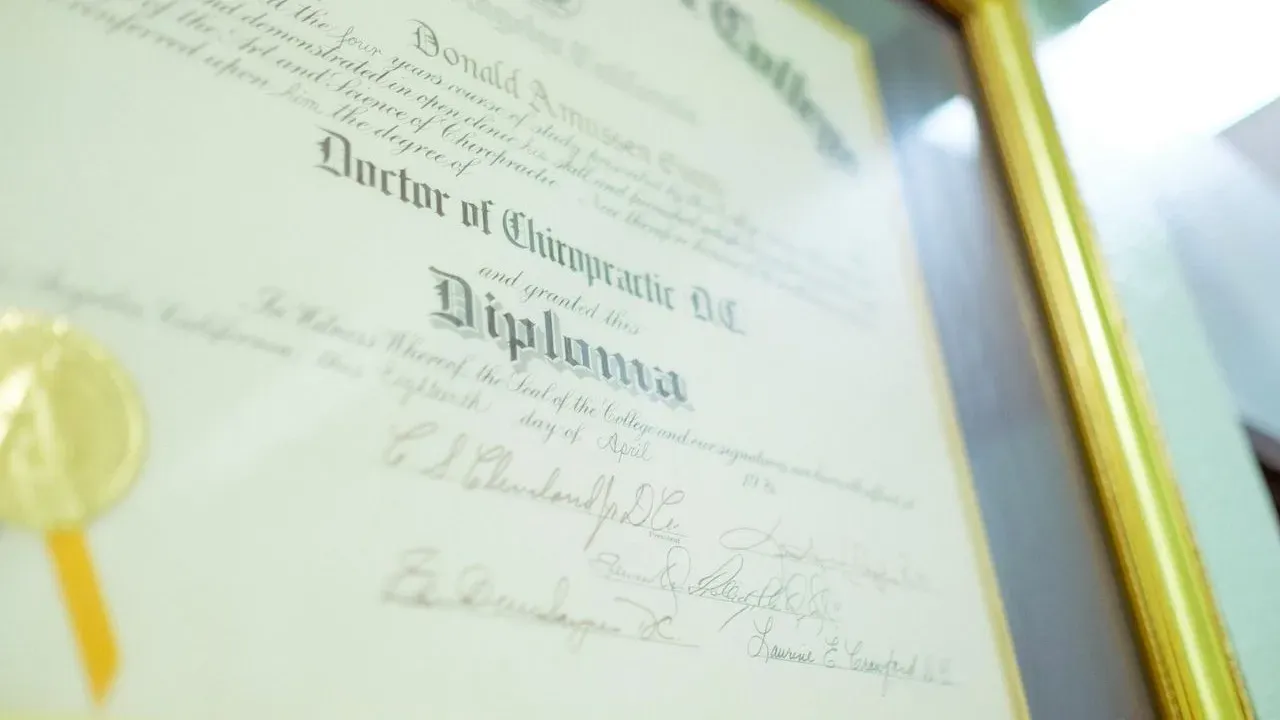

The annual Nobel announcements in early October set off a familiar scramble each year. Artists commissioned to illustrate the prize diplomas discover the recipients at the same moment as the public and then have only a few weeks to complete original works that will accompany the medals and cash awards. This behind-the-scenes process forms part of a tradition that stretches back more than a century. ([1])
Early Diplomas Blended Art With Calligraphy
When the first Nobel Prizes were awarded in 1901, the accompanying documents already featured original artwork. Norwegian painter Gerhard Munthe produced a lithograph for the Peace Prize that remained in use for decades. Other early contributions came from artists who often served as both designers and calligraphers.
Sofia Gisberg created ornamental designs for Chemistry laureates, including Marie Curie in 1911. Her later work for Fritz Haber in 1918 incorporated detailed scenes of manors and parklands in the margins. These pieces remained closely tied to the text rather than standing apart as independent images.
Art Gradually Claimed Its Own Space
By the middle of the twentieth century, the visual elements began to occupy more of the page. Bertha Svensson-Piehl contributed artwork to 45 diplomas across literature and medicine before those categories stopped including illustrations in 1964. Her designs for the 1958 and 1960 Physiology or Medicine prizes already gave the images greater prominence than the lettering.
The shift accelerated in the 1970s. Gunnar Brusewitz supplied a full-page work for Pablo Neruda’s 1971 Literature diploma, while the same artist’s contribution to the 1972 Chemistry award still functioned more as decoration. By the 1980s the artwork typically filled the entire left-hand page of the custom leather folio.
A Tight Schedule Shapes Every Commission
Contemporary artists receive their assignments after the winners are named. They then work from early October until mid-November to produce pieces that reflect the laureates’ specific contributions. The short window applies whether the subject involves quantum physics, molecular chemistry, or literary themes.
The pressure is compounded by the need to translate nuanced scientific or intellectual achievements into lasting visual form. Most works are paintings, though photographs have appeared on occasion. The resulting diploma art is presented alongside the other prize elements at the December ceremony in Stockholm.
Personal Symbolism Marks Literature Diplomas
Literature awards have long allowed artists greater freedom to reference the recipient’s body of work. Brusewitz’s 1978 diploma for Isaac Bashevis Singer centered on a Star of David whose points directed attention to characters and scenes drawn from the author’s stories. The composition incorporated symbols ranging from a parrot and Torah scroll to images of New York and the aftermath of pogroms.
Other categories historically followed annual themes rather than individual portraits of achievement. The Peace Prize maintained a single woodcut design through 1990 before the Norwegian Nobel Committee began commissioning fresh works from contemporary Norwegian artists each year. The care invested in these pieces underscores their lasting value to recipients.
As 2012 Chemistry laureate Robert Lefkowitz observed, the artwork distinguishes the Nobel from other honors in a meaningful way. Each year the tradition continues with new commissions that must balance historical continuity and fresh interpretation under a demanding deadline.
AI Disclaimer: This article was created with the assistance of AI tools and reviewed by a human editor.