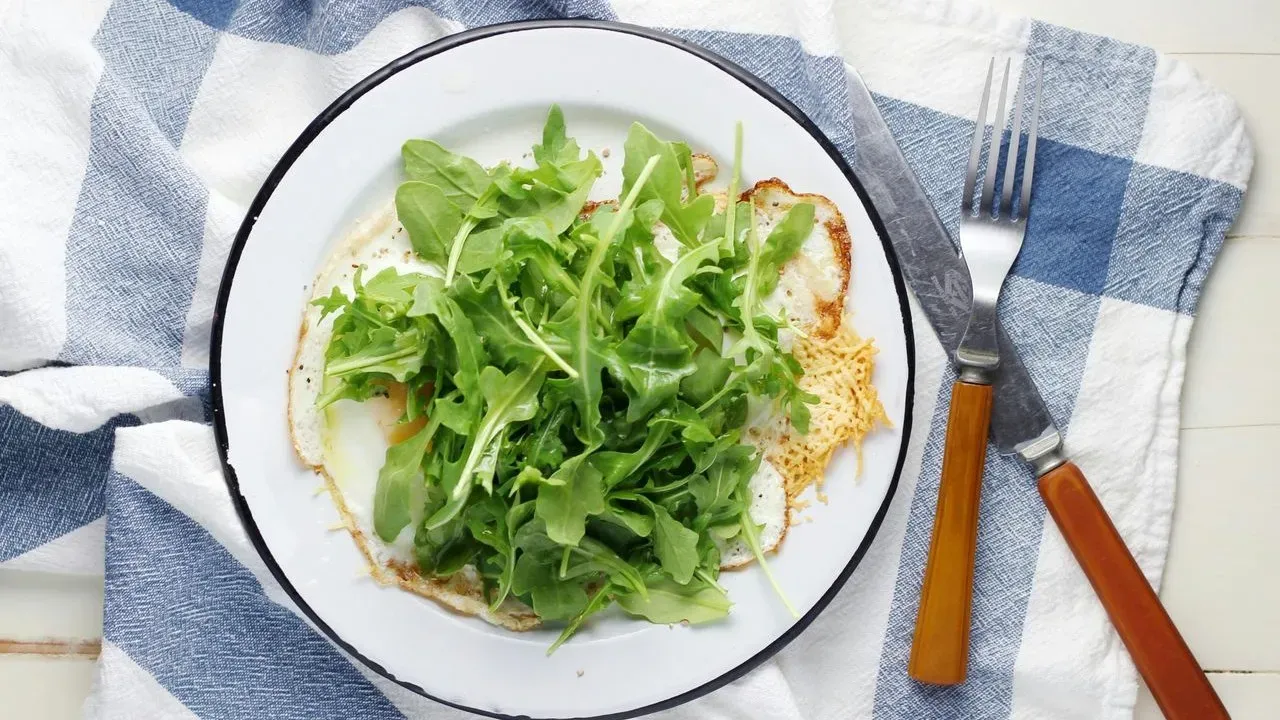

Growing arugula without tilling the soil offers a straightforward path to fresh, peppery greens that fit easily into everyday meals. The crop germinates quickly, tolerates a range of conditions in protected spaces, and fits well into systems that preserve soil structure. Home gardeners and small-scale producers can follow a clear sequence from seed selection through harvest and packing. ([1])
Choosing Varieties and Planning Seed Needs
Astro remains a reliable choice for year-round production, while Esmee has performed well in spring plantings. These selections support consistent germination and growth in no-till beds. Seed quantities are calculated at roughly 0.2 ounce per 100-foot row. For a standard 30-inch bed with six rows, that totals about 1.2 ounces, with an extra ounce or two kept on hand as a buffer. Any unused seed can be mixed into fall cover-crop mixes, where it typically winter-kills in cooler regions. This approach keeps costs predictable while allowing flexibility across seasons.
Bed Preparation and Direct Seeding
Arugula requires firm soil contact and steady moisture for rapid germination, often within two days when soil temperatures sit between 65 and 80 degrees Fahrenheit. In a deep compost mulch system, light compression with a weighted roller helps retain moisture without compacting the underlying soil. Native soils that have become compacted should be loosened before sowing, since arugula struggles in dense conditions. Direct seeding with a precision seeder such as the Jang JP-1 works effectively through mulch layers. Settings of nine sprockets in the rear and 14 in the front, paired with the YYJ-24 roller and brush down, produce the desired dense stand. Rows are spaced to achieve plants roughly one-quarter to one-half inch apart. Seven or eight rows fit a 30-inch bed in spring and summer, while six rows are used in winter tunnels to improve airflow.
Weed and Pest Management Through the Season
The crop’s rapid 20- to 30-day cycle allows it to outpace most weeds. A stale seedbed before planting and one cultivation before canopy closure further reduce competition. Hand-weeding just before harvest keeps the cut clean. Flea beetles pose the main insect pressure, especially in summer. Fine-mesh netting such as ProtekNet provides protection without the heat buildup sometimes seen under row cover. In fall through early spring, pressure is usually low enough that covers may not be needed. Light insect netting or row cover also shields the crop from other pests when used consistently.
Harvest, Post-Harvest Handling and Yield Expectations
A specialized greens harvester reduces cutting time dramatically, turning a half-hour task into a few minutes per bed. Harvesting early in the day preserves quality, and any bolting plants are avoided during the cut. After harvest, a light raking removes fallen leaves that could otherwise rot on new growth. Yields start at about one pound per bed foot on the first cut, then drop to three-quarters of a pound or less on subsequent harvests. Leaves are washed gently only when necessary and spun dry before packing into 0.20-pound bags for market. Pricing at one bag for three dollars or two for five dollars translates to roughly 12.50 to 15 dollars per pound. Biodegradable bags offer an alternative for those seeking to reduce plastic use. Arugula also serves well as a relay crop beneath early tomatoes or in tunnels during cooler months, extending production without additional land preparation.
AI Disclaimer: This article was created with the assistance of AI tools and reviewed by a human editor.