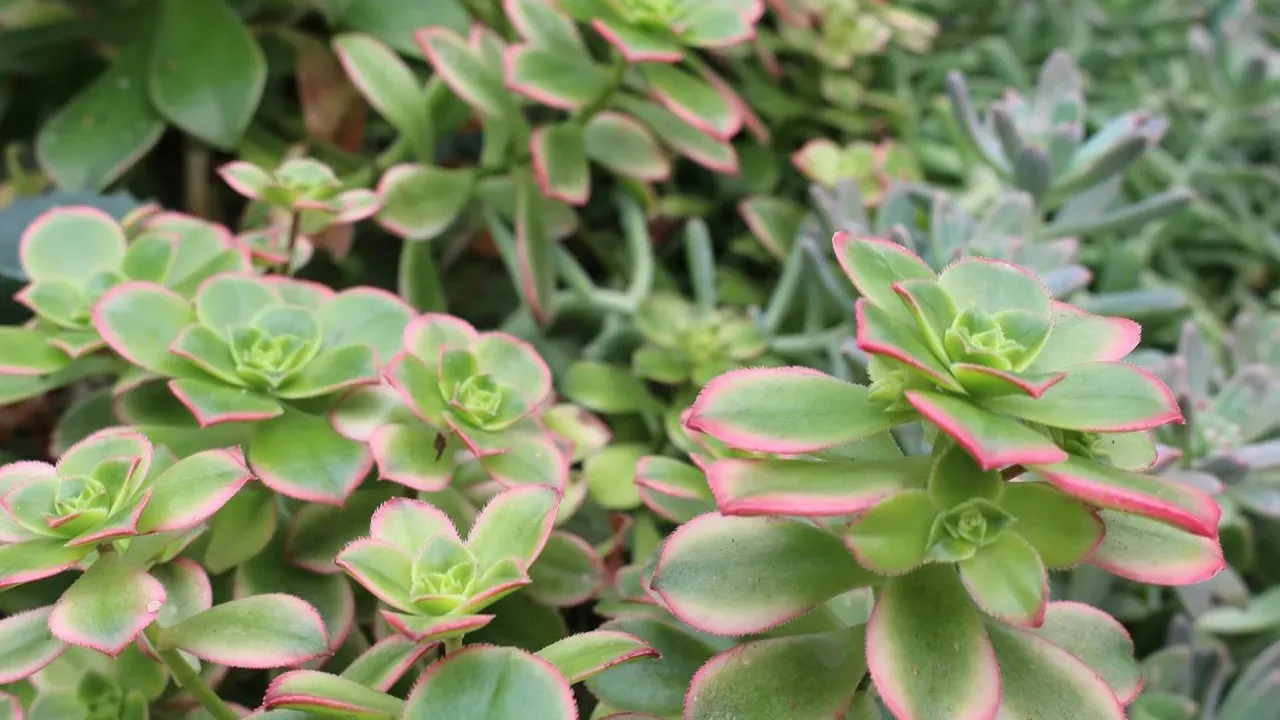

Busy homeowners across the country are rethinking their outdoor spaces this summer. Traditional lawns demand regular mowing, watering, and weeding that many no longer have time to manage. Instead, they are turning to designs that deliver greenery and visual appeal with far less ongoing effort. The change reflects a broader desire for outdoor areas that enhance daily life without adding to already packed schedules.
Time Pressures Drive the Change
Many households now juggle work, family, and other commitments that leave little room for weekend yard work. Lawns that once required weekly attention have become a source of stress rather than relaxation. The practical result is a growing preference for plantings and surfaces that stay attractive with minimal intervention. This shift affects homeowners directly by freeing up hours each month that can be spent elsewhere.
Landscaping professionals report increased interest in these options as clients seek solutions that fit modern routines. The trend has accelerated in recent seasons as people spend more time at home yet resist high-maintenance upkeep. Real estate agents note that properties with lower-maintenance yards often appeal to buyers who value convenience alongside curb appeal.
Mental Health Benefits Remain Central
Access to greenery continues to support well-being, as psychologists have long observed. Even limited exposure to plants and natural elements can ease mental fatigue and improve mood. Low-maintenance designs preserve these advantages while removing the labor barrier that once kept some people from enjoying them. Homeowners describe feeling more connected to their surroundings without the constant chores.
The approach aligns with broader wellness priorities that emphasize restorative outdoor time. Families report using their yards more frequently once upkeep demands drop. This outcome extends beyond individual households to neighborhoods that gain a greener, calmer appearance overall.
Practical Design Shifts Underway
Common changes include replacing portions of turf with ground covers, native plants, or hardscaping elements that require little water or trimming. Mulched beds and drought-tolerant species reduce the need for irrigation and seasonal replanting. These choices create layered textures and year-round interest while cutting labor significantly.
Stakeholders such as local nurseries have adapted by stocking more resilient varieties suited to reduced care. Municipalities in some areas encourage such practices through water conservation guidelines that reward lower usage. The combined effect supports both personal schedules and community resource management.
| Traditional Lawn | Low-Maintenance Alternative |
|---|---|
| Weekly mowing and edging | Occasional trimming of select plants |
| Regular watering and fertilizing | Drought-tolerant species and mulch |
| Seasonal reseeding and weeding | Established ground covers that spread naturally |
Longer-Term Implications for Homeowners
Adopting these designs often leads to lower water bills and reduced equipment costs over time. The initial investment in planning and installation pays off through sustained ease of care. Neighborhoods see cumulative effects as more properties adopt similar approaches, contributing to a less resource-intensive residential landscape.
Yet questions remain about how widely these practices will spread and which plant combinations will prove most reliable in different climates. Homeowners continue to weigh upfront changes against the ongoing relief from routine maintenance. The outcome will shape how future generations experience their own backyards.
AI Disclaimer: This article was created with the assistance of AI tools and reviewed by a human editor.