

Gardening can sometimes feel like a never-ending battle with weeds, but what if your flower beds could naturally fend them off? I’m excited to share my journey toward a low-maintenance garden where perennial blooms outcompete pesky invaders! Over the years, I’ve experimented with various flowering perennials that not only add brilliant splashes of color but also crowd out weeds, saving me countless hours of work. It’s such a relief to see nature lend a helping hand, and I can’t wait to show you how these plants work their magic in creating a garden that practically takes care of itself.
Every gardener knows the frustration of battling weeds—especially when your hard work is threatened by relentless invaders! In this article, I present 15 amazing perennial flowers, each with its own charm and natural defenses, that can help you achieve a thriving, weed-resistant garden. As someone who has spent many mornings tending every nook and cranny of my garden, I truly appreciate how these resilient blooms not only add beauty but also attract beneficial pollinators and provide cozy nesting spots for small critters. Let’s dive in and explore these botanical allies!
Phlox (Phlox paniculata)
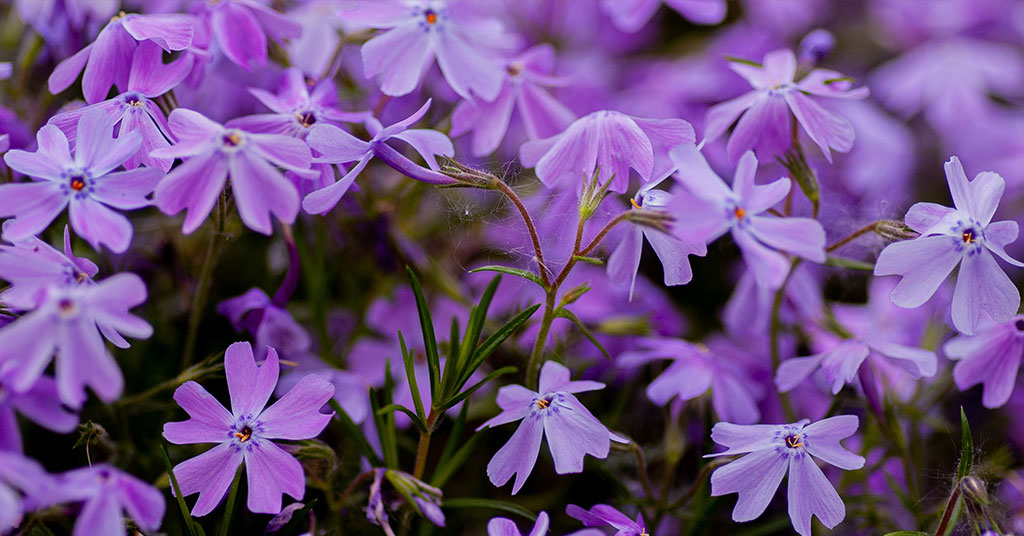
Phlox paniculata, with its lush clusters of fragrant blossoms, is a perennial that has completely transformed my approach to low-maintenance gardening! Native to North America, this flower offers an explosion of colors ranging from soft pastels to bold hues that instantly brighten any garden setting. I love how its dense growth habit naturally crowds out weeds, letting you enjoy the visual spectacle without the constant battle against intrusive species.
I’ve been pleasantly surprised by the way Phlox creates a haven for a variety of beneficial insects. Its sweet fragrance and abundant nectar make it a favorite for bees and butterflies, many of which use the plant as a staging area for nesting and mating. While Phlox is not typically invasive, its vigorous nature means it requires thoughtful planning to maintain a balanced garden ecosystem. Every time I see these dazzling blooms, I’m reminded that a well-chosen perennial can be both a work of art and a gardener’s best friend!
Yarrow (Achillea millefolium)
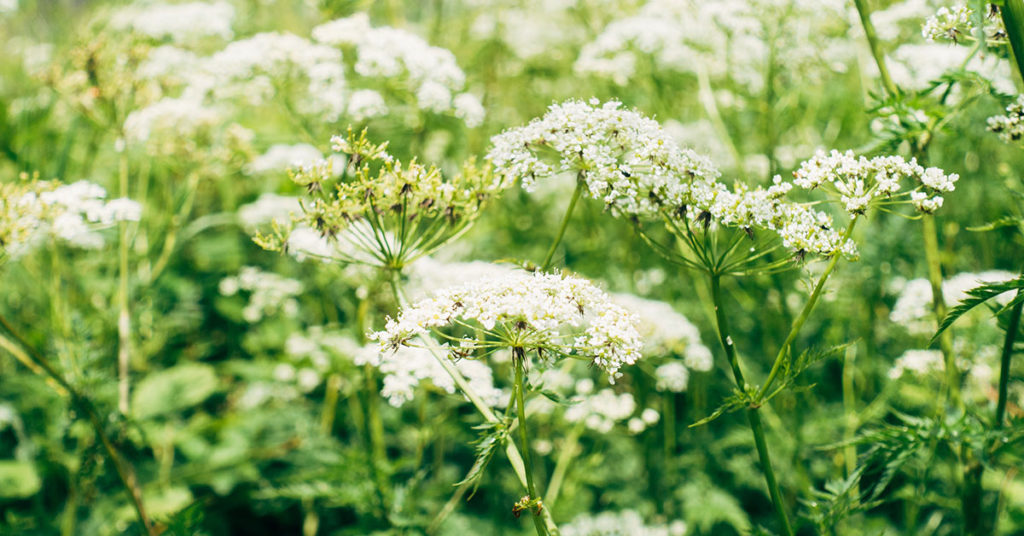
Yarrow is one of my go-to plants for building a robust garden defense against unwelcome invaders! Native to temperate regions of the Northern Hemisphere, this hardy perennial boasts delicate, fern-like foliage and clusters of tiny blooms that form a natural barrier against weed growth. I love how Yarrow fills in garden beds with its sprawling habit, ensuring that weeds rarely get a chance to take root.
Not only does Yarrow add beauty to the landscape, but it also attracts beneficial insects such as ladybugs and bees, which play a crucial role in maintaining garden health. Although it’s considered invasive in some regions due to its rapid spread, careful management can harness its strengths without letting it become a nuisance. Every time I plant Yarrow, I’m filled with the excitement of knowing that my garden is one step closer to being a low-maintenance sanctuary!
Butterfly Weed (Asclepias tuberosa)
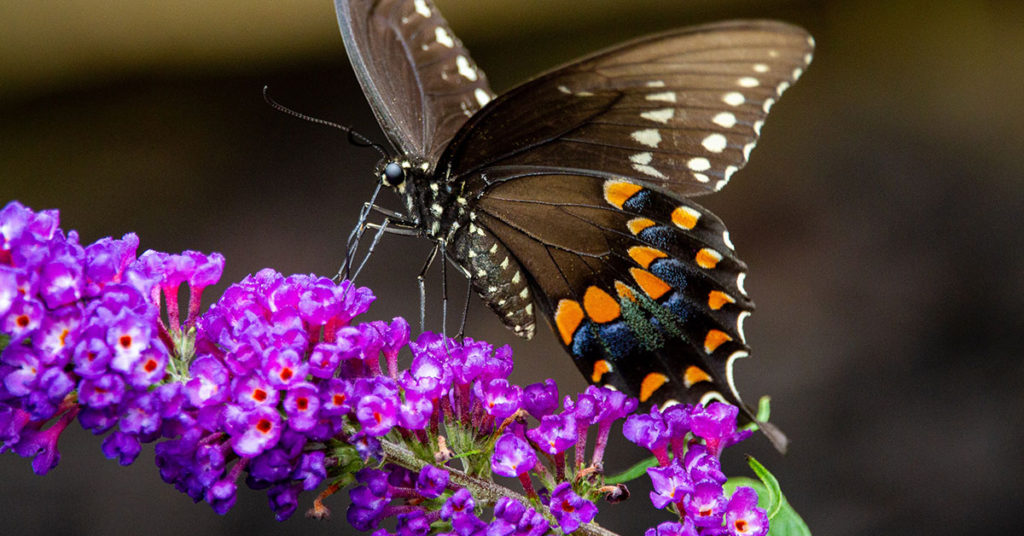
Butterfly Weed is a true jewel in any garden, celebrated for its brilliant orange blooms that seem to dance in the sunlight! Native to the prairies of North America, this perennial is a magnet for local butterflies, especially the iconic monarchs. I always get a thrill watching these delicate creatures flutter around, drawn by the vibrant nectar and bold hues of Butterfly Weed.
Beyond its aesthetic appeal, Butterfly Weed is a formidable competitor against weeds thanks to its deep-rooted structure. It thrives even in poor soils, ensuring that unwanted plants struggle to gain a foothold around its flourishing clumps. Although it’s not generally considered invasive, its robust nature means that some planning is necessary to keep it in balance with more delicate species. Every planting of Butterfly Weed reminds me of nature’s clever ways to beautify and defend a garden simultaneously!
Iris (Bearded Iris)
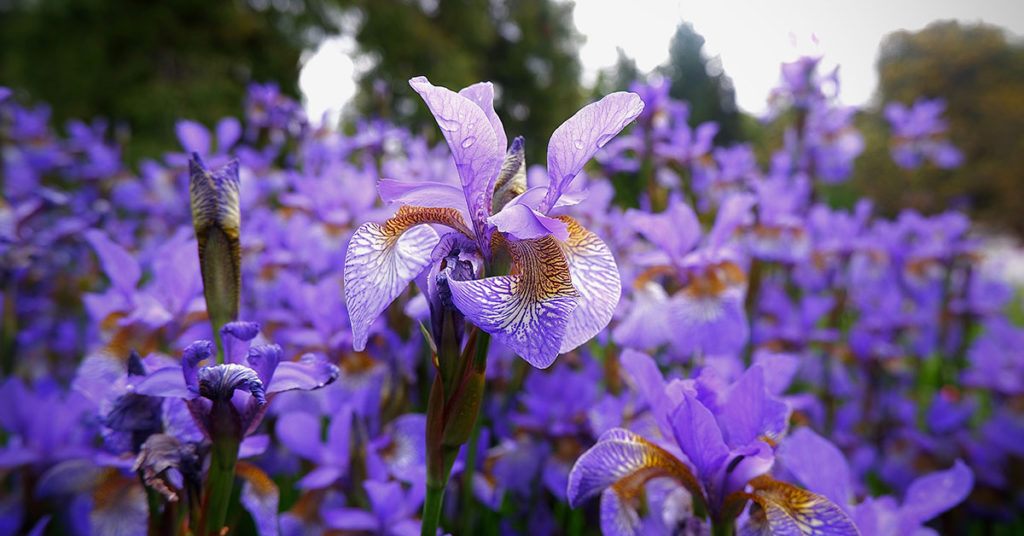
Iris, especially the bearded iris, is a perennial that never fails to inspire with its elegant, sword-like foliage and vivid blooms! Native to various parts of Europe, North America, and Asia, these iconic flowers bring a touch of classical beauty to any garden. I’m always captivated by their intricate petal structures and the way they stand tall, creating a natural barrier that deters weeds from encroaching on their territory.
In my garden, the dense clumps formed by bearded irises serve as an effective weed suppressant, ensuring that their graceful beauty isn’t overshadowed by unruly growth. Although they’re typically not considered invasive, their robust root systems require a bit of space and attention. I cherish the way these irises combine aesthetic appeal with practical benefits, turning every garden bed into a curated work of art and a safe haven for local pollinators!
Black-eyed Susan (Rudbeckia hirta)
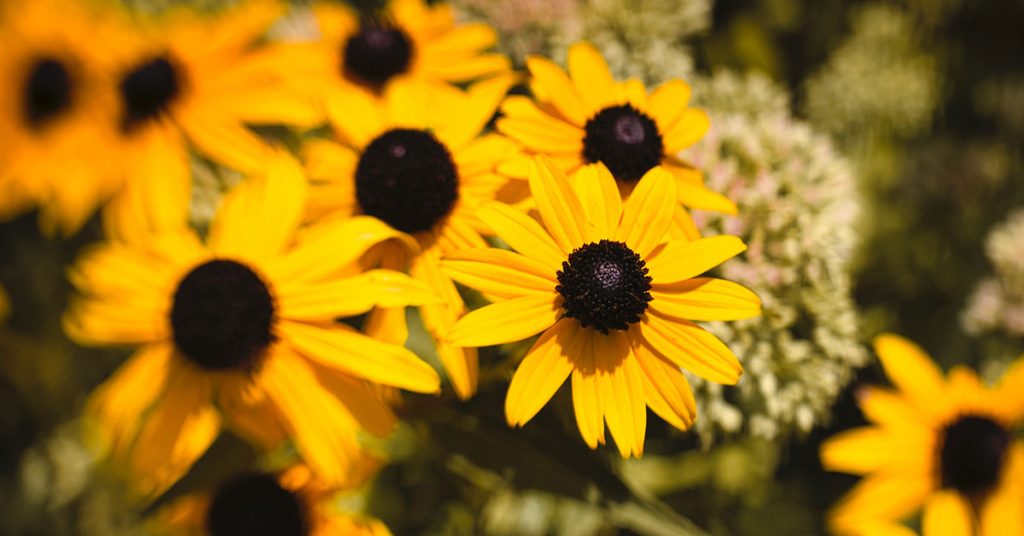
Black-eyed Susan brings a warm, sunlit charm to my garden every year with its bold yellow petals and contrasting dark centers! Native to North America, this rugged yet radiant flower quickly fills garden beds with its bushy form, naturally outcompeting pesky weeds. I delight in the way Black-eyed Susan transforms an ordinary space into a burst of cheerful color and vitality.
Its sprawling growth habit not only wards off invasive species but also attracts a myriad of pollinators—from buzzing bees to fluttering butterflies. While not generally considered invasive, its vigorous nature means that it can easily dominate if left unchecked, so a little management goes a long way. Every time I see these bright blooms, I’m reminded of the incredible power nature holds in balancing beauty and functionality!
Shasta Daisy (Leucanthemum × superbum)
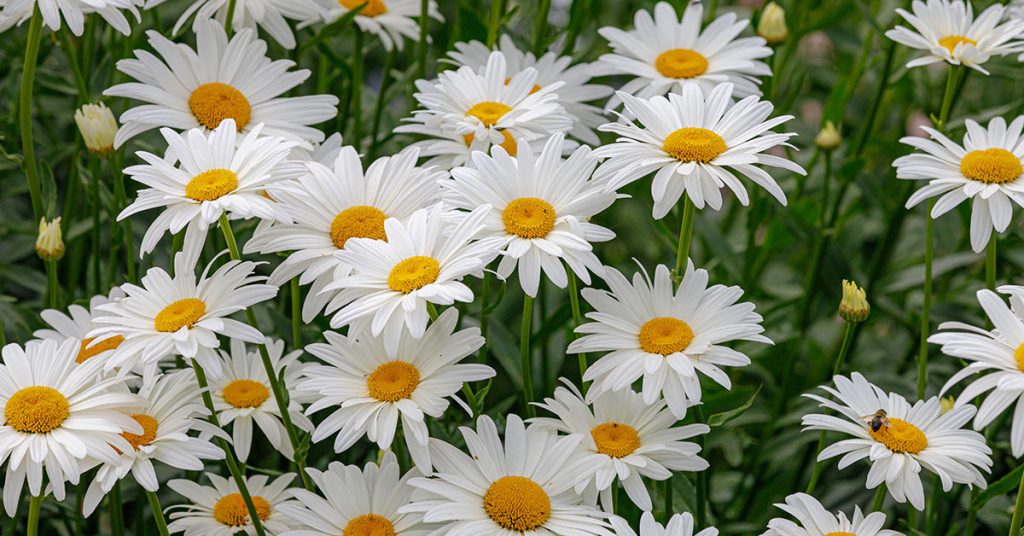
The Shasta Daisy is a timeless perennial that fills my garden with brightness and cheer! With its classic white petals and sunny centers, this flower originates from Europe and North America and has the magical ability to make even the most mundane garden spaces feel alive. I often pause to admire its clean, elegant lines and the way it effortlessly crowds out unwanted weeds.
Thanks to its robust growth habit and adaptability to various soil conditions, the Shasta Daisy creates a natural defense against invasive species. While not typically classified as invasive, its strong presence can sometimes overshadow more delicate companions, so planning is key. I love how these daisies not only enhance my garden’s beauty but also provide a welcoming space for beneficial insects to nest and thrive—truly a win-win for any gardener!
Sedum (Stonecrop)
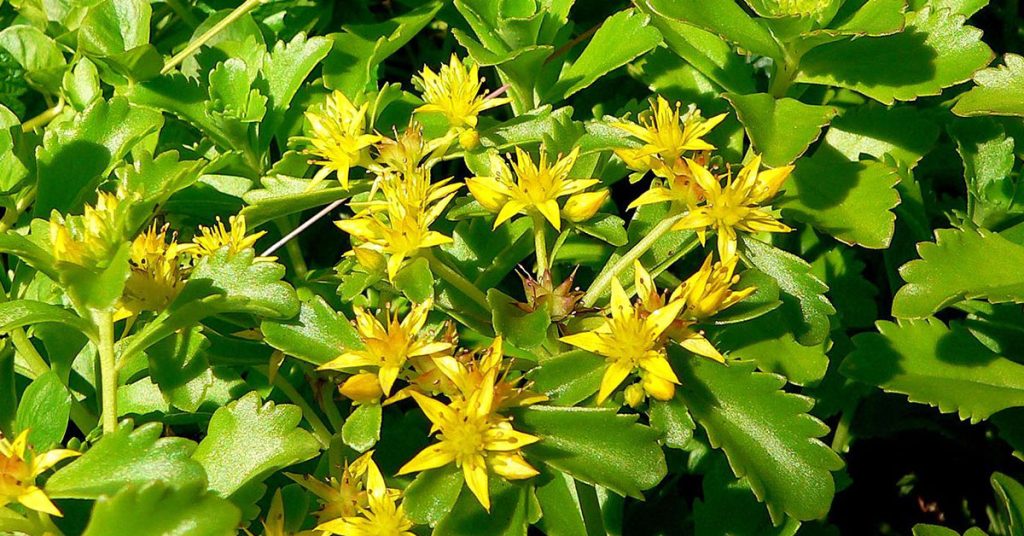
Sedum, affectionately known as Stonecrop, has pleasantly surprised me with its weed-fighting prowess and versatility! Native to parts of Europe and Asia, these succulent perennials come in a variety of forms and colors, adding unique textures to any garden design. Their fleshy leaves store water, enabling them to thrive even in arid conditions while effectively suppressing less robust weeds.
I appreciate Sedum’s ability to form a dense mat that retains moisture and prevents weed seeds from germinating. Although some varieties can become invasive if left unchecked, careful planning and management allow you to harness their strengths without letting them overrun your carefully curated spaces. Every new Sedum I plant is a reminder of nature’s resilience and its power to simplify garden care with minimal fuss!
Coneflower (Echinacea purpurea)

Coneflower captivates me with its bold, daisy-like petals and striking spiky center that always leaves me in awe! Native to the central and eastern regions of North America, this robust perennial not only adds a burst of color but also naturally crowds out competitive weeds with its upright, vigorous form. I’ve found that planting Coneflowers in groups creates a stunning barrier against unwanted growth.
Beyond its beauty, Coneflower is celebrated for its medicinal properties and its appeal to local wildlife. It attracts pollinators like bees and butterflies and even supports beneficial nesting sites for smaller critters. While generally not invasive, its strong root system means it easily outcompetes weeds when given space to flourish. Every time these radiant blooms appear, I’m filled with excitement about the endless possibilities of a resilient and thriving garden!
Blanket Flower (Gaillardia pulchella)
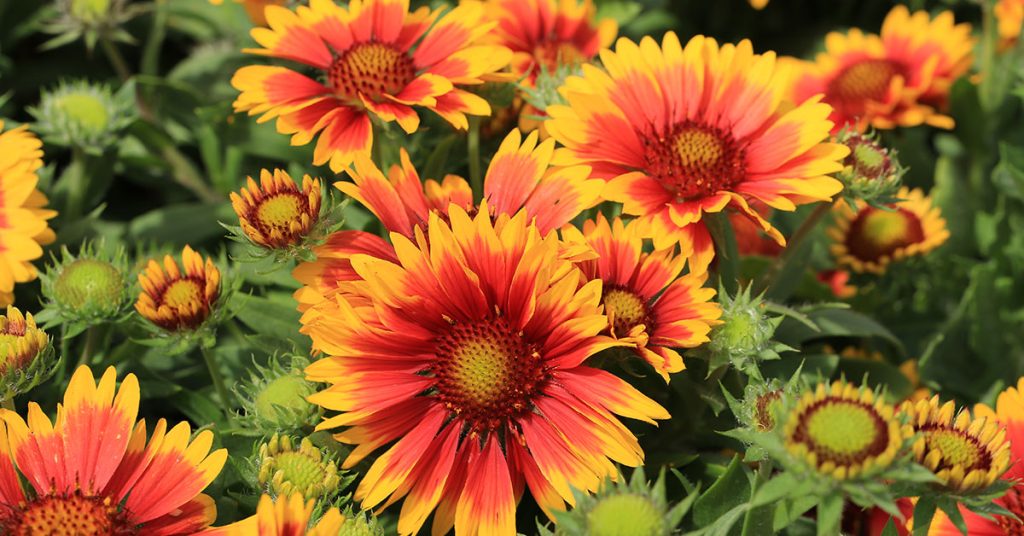
Blanket Flower, with its fiery red and yellow blooms, is a perennial powerhouse that has completely transformed my gardening experience! Native to North America’s prairies, this vibrant flower thrives in hot, sunny locations and brings a bold splash of color that immediately draws the eye. I’m always amazed by how its sprawling habit forms a natural barrier against weed encroachment, keeping garden beds neat and lively.
Not only is Blanket Flower visually stunning, but it also plays an important role in supporting local wildlife. Its blossoms attract a variety of pollinators and even serve as nesting sites for small insects and birds, creating a vibrant mini-ecosystem. Although it can be moderately invasive in some environments due to its vigorous spread, proper garden management ensures that its benefits far outweigh any drawbacks. I love planting Blanket Flower because it proves that beauty and functionality can go hand in hand!
Daylily (Hemerocallis)
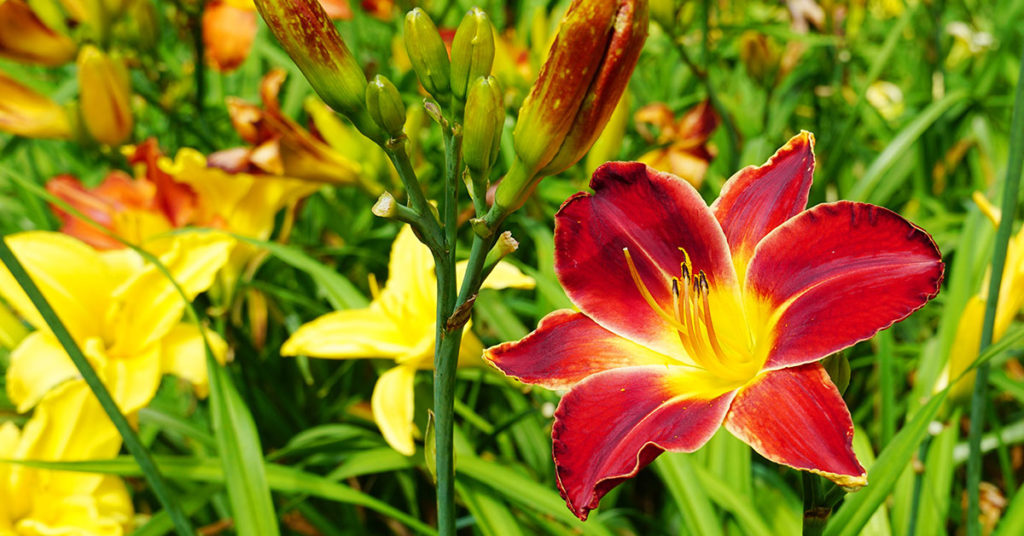
Daylilies have long been a beloved staple in my garden due to their effortless charm and adaptability! Native to Asia, these perennials are celebrated for their spectacular, trumpet-shaped blooms that grace the garden for a single day—yet with many buds on each stalk, the show lasts for weeks on end. Their dense clumps quickly cover the ground, leaving little room for pesky weeds to establish themselves, which is a true blessing for any gardener!
I find the daylily’s growth habit both impressive and forgiving, making it a top choice for gardeners of all skill levels. Although generally non-invasive, in some regions they can naturalize extensively, further enhancing their ability to suppress undesirable plants. Their resilience and adaptability have saved me time and effort, and every time I see their cheerful blooms, I feel a surge of excitement knowing that my garden is a little less weedy and a lot more vibrant!
Bee Balm (Monarda didyma)

Bee Balm is one of those delightful perennials that fills my garden with vibrant energy and lively buzz! Native to the eastern regions of North America, its brilliant red, pink, or purple blossoms are a feast for the eyes and a magnet for bees, hummingbirds, and even butterflies. I relish the sight of these tiny visitors flitting about, knowing that my garden has become a sanctuary for local wildlife.
This versatile plant not only creates visual impact but also excels at suppressing weeds thanks to its dense, clump-forming growth habit. Although Bee Balm can sometimes exhibit invasive tendencies if left unchecked, a bit of routine trimming keeps it perfectly balanced. I love how this flower manages to merge beauty with functionality, turning my garden into a lively ecosystem that’s as practical as it is delightful!
Coreopsis (Tickseed)
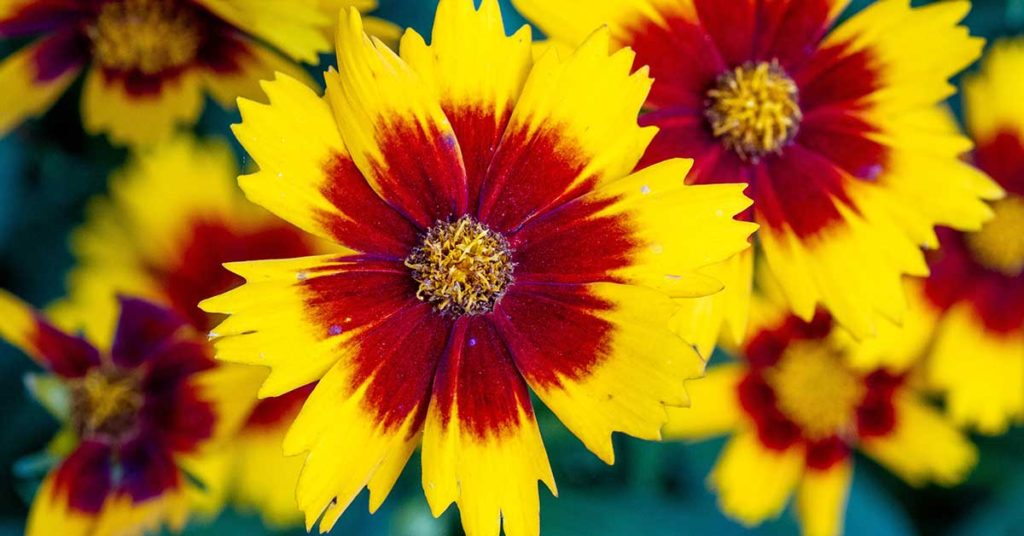
Coreopsis, also known as Tickseed, never fails to bring a cheerful burst of color to my garden with its sunny disposition and delicate blooms! Native primarily to North America, this perennial thrives in full sun and well-drained soil, making it perfect for brightening up dry, neglected spots. I’m always thrilled by how its daisy-like flowers pop against the greenery, naturally suppressing the growth of weeds in the process.
Its vigorous growth habit is fantastic for outcompeting invasive species, though it does require a bit of management to prevent it from overtaking nearby plants. While not generally considered invasive, Coreopsis can dominate a space if left to its own devices, so I enjoy pairing it with complementary species for a balanced effect. Every planting of Tickseed reminds me that a well-planned garden can be both resilient and breathtakingly beautiful!
Russian Sage (Perovskia atriplicifolia)
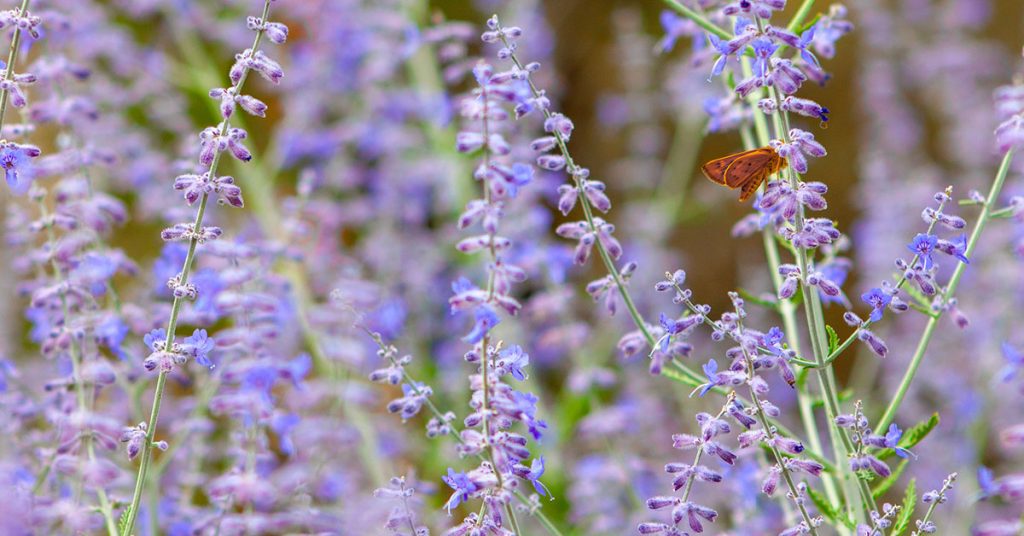
Russian Sage is a standout in my perennial lineup, offering an airy, misty blue presence that transforms any garden into a serene retreat! Native to the steppes of Central Asia, this woody-based perennial thrives in sunny, well-drained spots and is celebrated for its aromatic, silver-green foliage. I’m always captivated by its ethereal blooms and the unique texture it adds, making my garden feel like a peaceful escape from the daily grind.
Not only does Russian Sage exude beauty, but it also acts as a natural weed suppressant. Its sprawling growth habit and deep root system make it a tough competitor for invasive species, ensuring a low-maintenance yet captivating landscape. Although it isn’t typically considered invasive, its vigorous nature demands a little attention to ensure it doesn’t overwhelm its neighbors. I love how Russian Sage offers both charm and practicality, a perfect combination for any gardener seeking a touch of calm amidst nature’s hustle!
Lavender (Lavandula angustifolia)

Lavender has long held a special place in my garden, thanks not only to its soothing fragrance but also to its impressive ability to deter pests and outcompete weeds! Native to the Mediterranean, this resilient perennial thrives in well-drained soils and sunny locations, making it a staple for anyone looking to create a low-maintenance, aromatic space. I always get a smile on my face when I catch a whiff of its calming scent wafting through the garden!
While lavender isn’t invasive in most regions, its natural resilience allows it to form dense clumps that leave little room for weeds to gain ground. Its blossoms attract a host of pollinators like bees and butterflies, which often find safe nesting spots among the foliage. I truly appreciate how lavender brings sensory pleasure and practical benefits to any garden, making it a delightful companion for those long, sunlit days!
Salvia (Salvia nemorosa)
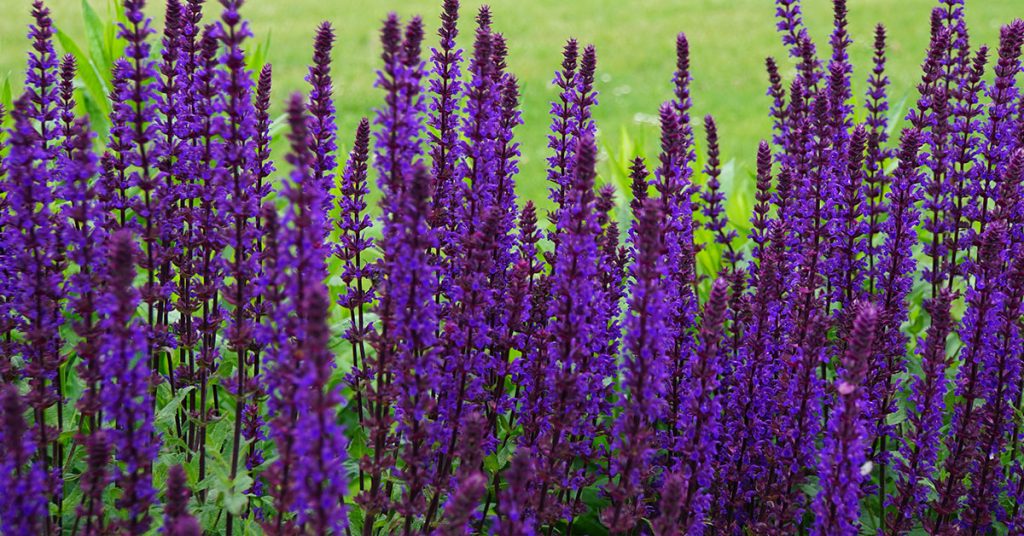
Salvia, particularly Salvia nemorosa, has earned a special place in my heart for its striking, spiky clusters and aromatic foliage! Native to Europe, this perennial thrives in full sun and well-drained soils, making it an ideal candidate for gardeners battling weeds and seeking a burst of vibrant color. Its vigorous growth quickly establishes itself, naturally crowding out any unwanted competitors in the garden.
Beyond its impressive ability to suppress weeds, Salvia is a magnet for beneficial pollinators. I’ve often marveled at how bees, butterflies, and even hummingbirds are drawn to its lively blossoms, which sometimes serve as a nesting spot for smaller insects. Although it’s not typically classified as invasive, its robust nature requires a bit of monitoring to maintain balance. Every time I see these dynamic blooms, I feel excited and reassured that nature is working in my favor, transforming my garden into a sanctuary of beauty and efficiency!